

Spokane, Washington – August 2, 2026 – A catastrophic wildfire is currently ravaging the areas surrounding Spokane, Washington, forcing the urgent evacuation of thousands of residents and casting a pall of thick smoke over the entire region. Fueled by relentless winds and an unprecedented fourth consecutive year of drought, the "Old-Trails Fire" has rapidly escalated into an immediate and severe threat to the state’s second-largest city. Governor Bob Ferguson has declared a state of emergency for Washington, mobilizing resources to combat a fire season that officials describe as one of the most challenging on record.
Main Facts: Spokane Grapples with Imminent Threat
As of Sunday, August 2, 2026, at 12:15 PM PST, the "Old-Trails Fire" has grown to encompass over 1,400 hectares (approximately 3,460 acres), menacing the urban-wildland interface of Spokane. The city, home to some 230,000 residents, faces a direct threat to an estimated 4,000 structures, including homes, businesses, and critical infrastructure. The fire’s aggressive spread has necessitated the highest level of evacuation warnings for several northern neighborhoods, with residents instructed to "Leave Immediately."
The immediate impact has been widespread disruption and distress. Over 60,000 people have been left without power, plunging vast areas into darkness and exacerbating the logistical challenges for both residents and emergency services. While authorities have not yet reported any fatalities or serious injuries, the rapid progression of the fire means the situation remains highly volatile. Emergency shelters, including a primary facility at the city’s convention center, have been established to accommodate the displaced, offering a temporary haven for families grappling with uncertainty and loss.
The National Guard of Washington State has been swiftly activated, with units being mobilized at full speed to provide crucial support to local fire departments and emergency management agencies. Their assistance is vital for logistical operations, aid distribution, and potentially even direct firefighting efforts in certain capacities. Mayor Lisa Brown confirmed that critical facilities, including a Veterans Affairs hospital and vital water and power utility installations, have been evacuated as a precautionary measure, underscoring the severity and breadth of the threat. The relentless wind, a common foe in wildfire suppression, continues to fan the flames, creating erratic fire behavior and making containment efforts exceedingly difficult for exhausted crews.
Chronology of a Crisis: A Rapidly Unfolding Disaster
The "Old-Trails Fire" emerged with alarming speed, transforming from a nascent threat into a full-blown emergency in a matter of hours. While the precise ignition point and initial cause are still under investigation, the conditions leading up to its rapid expansion were meticulously documented by meteorological and environmental agencies.
Late Friday, August 1, 2026: Weather forecasts for Eastern Washington began to signal a perilous combination of high temperatures, critically low humidity, and escalating wind speeds. The National Weather Service issued a "Red Flag Warning," specifically highlighting a "particularly dangerous situation" for the region due to extreme fire potential. This warning served as a grim precursor to the events that would unfold.
Early Saturday, August 2, 2026: Reports of a rapidly developing wildfire, subsequently identified as the "Old-Trails Fire," began to surface in the wildland areas north of Spokane. Initial response efforts were immediately challenged by the gusting winds, which propelled embers and flames across dry vegetation at an astonishing rate. The fire quickly overwhelmed initial containment attempts.
Mid-Morning, August 2, 2026: As the fire front pushed relentlessly closer to Spokane’s northern periphery, local authorities escalated evacuation protocols. The "Level 3: Go Now" — equivalent to "Sofort verlassen" (Leave Immediately) — was issued for numerous neighborhoods, triggering a mass exodus as residents scrambled to gather essential belongings and flee. The sheer volume of traffic on evacuation routes added to the chaotic scene, though emergency services worked diligently to maintain order.
Afternoon, August 2, 2026: The scale of the disaster became fully apparent. Power outages began to ripple across the city as the fire either directly impacted power lines or forced utility companies to de-energize circuits for safety. Mayor Lisa Brown held an emergency press conference, outlining the evacuation of critical facilities and stressing the urgent need for residents to heed official warnings. Simultaneously, Governor Bob Ferguson officially declared a state of emergency for the entire state of Washington, acknowledging the widespread nature of the fire crisis and unlocking state and federal resources. The declaration underscored the state’s commitment to supporting Spokane and other communities battling concurrent blazes.
Evening, August 2, 2026: Firefighting crews, bolstered by state and National Guard assistance, continued their arduous battle against the advancing flames. The smoke plume over Spokane intensified, visible for hundreds of miles, a stark reminder of the ongoing devastation. Emergency shelters saw a steady influx of evacuees, many arriving with stories of near escapes and the harrowing sight of flames consuming their familiar landscapes. The focus remained on protecting lives and containing the fire’s relentless march, with full containment still a distant prospect amidst the challenging conditions.
Supporting Data: A State Under Siege
The "Old-Trails Fire" is not an isolated incident but rather a potent symptom of a larger, more ominous trend gripping Washington State. The numbers paint a sobering picture of environmental vulnerability and the escalating threat of wildfires:
Unprecedented Drought: Washington is currently enduring its fourth consecutive year of drought, a historical record that significantly amplifies wildfire risks. This prolonged aridity has parched forests, grasslands, and agricultural lands, transforming them into tinderboxes. Soil moisture deficits are at critical levels, and snowpack in the mountains, a crucial source of summer water, has been consistently below average for years. This persistent lack of moisture creates ideal conditions for fires to ignite easily, spread rapidly, and burn with extreme intensity.
Widespread Devastation: Beyond Spokane, the Governor’s office reported that at least twelve major wildfires are burning across Washington State. Collectively, these blazes have already consumed more than 80,900 hectares (approximately 199,910 acres) of land. This makes the current fire season one of the busiest and most destructive on record, even though "August has just begun," as noted by Dave Upthegrove, head of the public lands authority. The geographic spread of these fires strains firefighting resources, requiring strategic allocation and often necessitating mutual aid agreements with neighboring states and federal agencies.
Human and Infrastructure Vulnerability: The threat to Spokane’s 230,000 residents and 4,000 structures highlights the growing challenge of the urban-wildland interface (WUI). As population centers expand into previously undeveloped or rural areas, more homes and businesses become exposed to wildfire hazards. The evacuation of 60,000 people and the disruption of critical services like power (60,000 outages) underscore the profound societal and economic impact. The evacuation of essential facilities like the Veterans Affairs hospital demonstrates the calculated risks emergency managers must take to protect vulnerable populations and vital services.
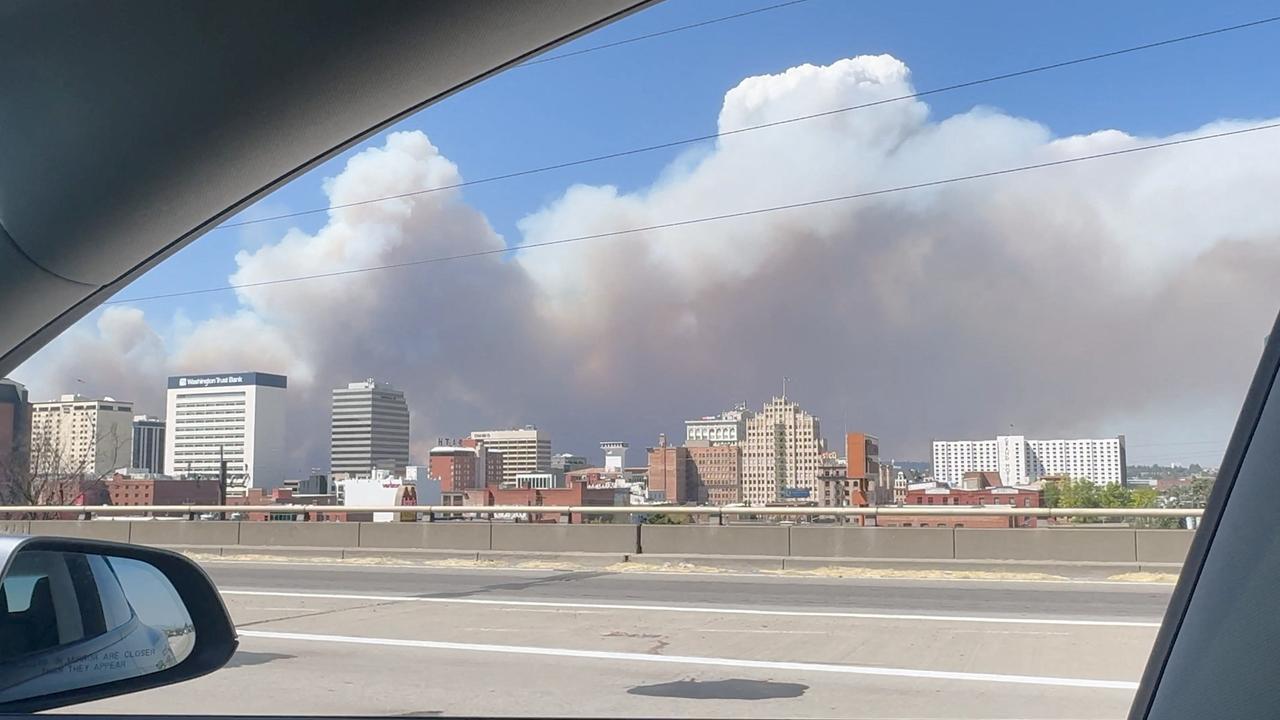
Meteorological Factors: The role of weather cannot be overstated. Strong, erratic winds are a primary driver of fire spread, pushing flames across firebreaks, carrying embers miles ahead of the main front, and creating dangerous fire whirls. Coupled with low relative humidity, which further dries out fuels, and elevated temperatures, these conditions create an extremely volatile environment where fires can grow exponentially in short periods. The National Weather Service’s "particularly dangerous situation" warning was a direct reflection of these perilous meteorological dynamics.
Official Responses: Coordinated Effort Amidst Crisis
The response to the unfolding wildfire crisis has been swift and multi-layered, involving local, state, and federal agencies working in concert to mitigate the damage and protect lives.
Governor Bob Ferguson’s Emergency Declaration: Recognizing the statewide scope and severity of the wildfires, Governor Bob Ferguson declared a state of emergency for Washington. This critical declaration, valid until the end of September, grants the Governor broad powers to suspend state regulations, mobilize emergency resources, and coordinate with federal partners. It facilitates the rapid deployment of personnel, equipment, and financial aid to affected areas. Furthermore, the declaration includes stringent measures to prevent new ignitions, such as a statewide ban on most open fires and the burning of agricultural waste, emphasizing the human element in fire prevention.
Local Government Actions: Mayor Lisa Brown of Spokane has been at the forefront of the local response, coordinating evacuation orders, establishing emergency shelters, and ensuring the protection of critical infrastructure. Her leadership in communicating with the public and reassuring residents has been vital during a period of intense anxiety. The city’s emergency management teams are working around the clock to manage the logistics of mass evacuations, provide essential services to displaced residents, and support the frontline firefighters.
National Guard Mobilization: The activation of the Washington State National Guard provides a significant boost to the overwhelmed local resources. National Guard personnel bring a range of capabilities, including logistical support, transportation, security, and potentially even specialized firefighting assistance. Their rapid deployment underscores the severity of the situation and the need for all available assets to be brought to bear against the inferno.
Inter-Agency Cooperation: The fight against the "Old-Trails Fire" and the other blazes across the state is a testament to inter-agency cooperation. Local fire departments are working alongside the Washington State Department of Natural Resources (DNR), the U.S. Forest Service, and other federal agencies. This collaborative approach ensures that expertise, resources, and strategies are shared effectively across different jurisdictions, maximizing the impact of every firefighting dollar and every hour spent on the fire lines.
Public Information and Warnings: The National Weather Service (NWS) has played a crucial role in providing timely and accurate meteorological forecasts and fire weather warnings. These warnings, such as the "Red Flag Warning" and the "particularly dangerous situation" advisory, are indispensable for informing public safety decisions and guiding firefighting strategies. Agencies are also utilizing emergency alert systems, social media, and traditional media outlets to disseminate critical evacuation information and safety guidelines to the public.
Implications: A Glimpse into a Fiery Future
The "Old-Trails Fire" and the broader wildfire crisis in Washington State carry profound implications, touching upon human lives, economic stability, environmental health, and the future challenges posed by a changing climate.
Humanitarian Crisis and Psychological Toll: The immediate implication is the human cost. Thousands of residents have been uprooted from their homes, facing the trauma of potential loss, uncertainty, and displacement. The psychological toll on evacuees, emergency responders, and the wider community cannot be underestimated. The loss of personal belongings, cherished memories, and the sense of security can have long-lasting effects, requiring extensive community support and mental health services in the aftermath.
Economic Devastation: The economic ramifications are substantial. Direct costs include millions of dollars for firefighting operations, property damage, and the loss of natural resources. Indirect costs are also significant: business closures, disrupted supply chains, lost tourism revenue, and potential impacts on agriculture due to prolonged drought and smoke. The 60,000 power outages alone represent a considerable economic disruption, affecting productivity and daily commerce. Rebuilding efforts will be costly and protracted, placing a strain on local and state budgets.
Environmental Catastrophe: Beyond immediate destruction, wildfires have severe long-term environmental consequences. The vast acreage consumed leads to habitat destruction for countless species, impacting biodiversity. Intense fires can sterilize soil, making it susceptible to erosion, especially during subsequent rainfall events, which can lead to mudslides and contaminate water sources. The massive release of smoke contributes to poor air quality across vast regions, posing significant health risks, particularly for vulnerable populations with respiratory conditions. The carbon emissions from these fires also contribute to the global climate crisis, creating a feedback loop.
Climate Change and the "New Normal": The "fourth consecutive drought year" is a stark indicator of how climate change is intensifying fire seasons in the Western United States. Warmer temperatures lead to earlier snowmelt, drier vegetation, and extended fire seasons. While specific fires may have various ignitions, the underlying conditions for extreme fire behavior are increasingly being attributed to long-term climate trends. The phrase "this year is already one of the busiest wildfire years since records began" encapsulates the grim reality that what was once considered exceptional is rapidly becoming the "new normal." This necessitates a fundamental re-evaluation of land management, urban planning, and emergency preparedness strategies.
Future Preparedness and Resilience: The current crisis serves as a critical, albeit devastating, learning opportunity. Implications for future preparedness include:
- Enhanced Forest Management: Investments in forest thinning, prescribed burns, and creating defensible spaces around communities.
- Infrastructure Hardening: Upgrading power grids to be more resilient to fire, burying lines where feasible, and improving water infrastructure for firefighting.
- Early Warning Systems: Continued development and deployment of advanced satellite monitoring, sensor networks, and predictive modeling for fire behavior.
- Community Engagement: Educating residents on fire-safe landscaping, evacuation plans, and personal preparedness.
- Policy Adjustments: Reviewing building codes for fire resistance in WUI zones and strengthening land-use planning to minimize future risks.
The fires raging across Washington State, particularly the "Old-Trails Fire" threatening Spokane, are a potent reminder of humanity’s vulnerability to the forces of nature, amplified by a changing climate. As firefighters battle on, the long road to recovery and adaptation is just beginning, demanding resilience, innovation, and a collective commitment to building a more fire-resilient future.