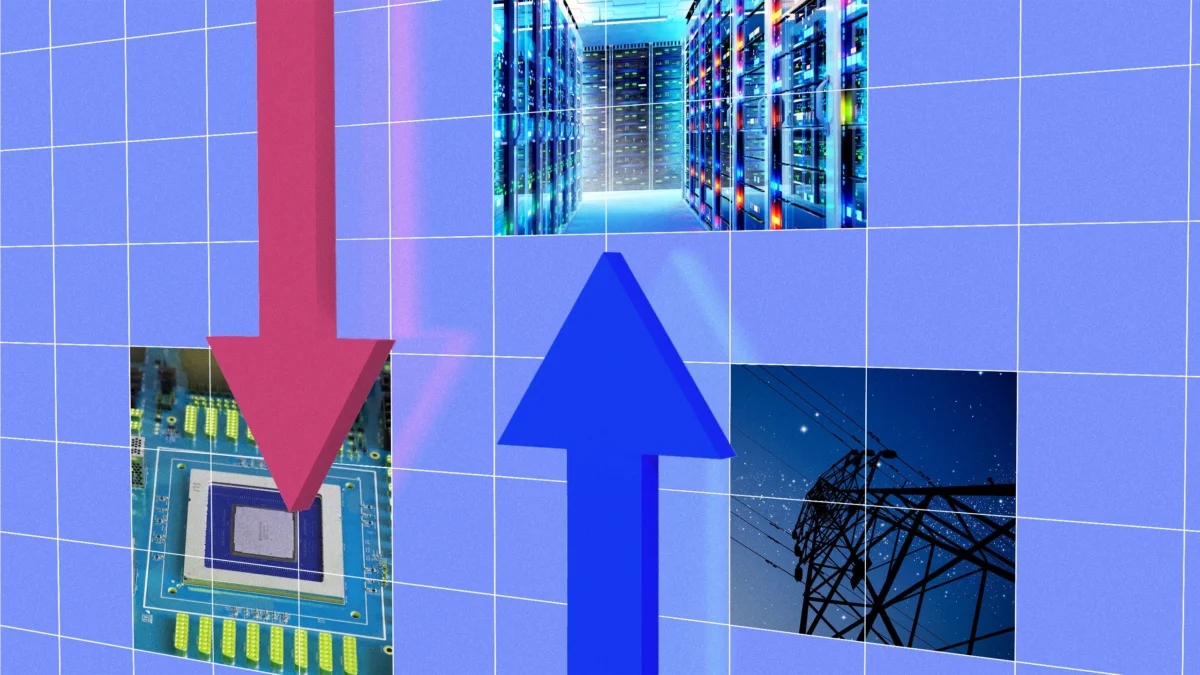
As global technology giants double down on Artificial Intelligence, the scale of infrastructure investment has reached unprecedented levels. With billions in debt fueling the construction of massive data centers and high-performance computing networks, the industry faces a critical juncture: is this a structural transformation of the global economy, or a debt-fueled bubble waiting to burst?
The Main Facts: The High Cost of Artificial Intelligence
The global race for Artificial Intelligence (AI) dominance has shifted from the realm of software development to the physical realities of industrial-scale infrastructure. While the public focus often remains on the generative capabilities of Large Language Models (LLMs), the engine room of this revolution requires staggering capital expenditures.
Tech giants—specifically the "Hyperscalers" such as Amazon, Alphabet (Google), Oracle, and hardware leaders like Nvidia—are no longer merely reinvesting operating cash flow. They are increasingly turning to the debt markets to finance the physical architecture of the AI era. According to data from Barclays Research, these technology behemoths have issued approximately $218 billion in debt in the current year alone.
This pivot represents a fundamental shift in the fiscal philosophy of the technology sector. Only a few years ago, the titans of Silicon Valley were characterized by their massive cash piles and negligible debt-to-equity ratios. Today, the landscape is defined by aggressive leveraging, as companies race to build the data centers, power grids, and cooling systems required to sustain the massive computational load of modern AI models.
Chronology of the AI Infrastructure Gold Rush
The current climate of massive capital expenditure can be traced through several distinct phases of the AI evolution:
- 2022 – The Catalyst: The public release of generative AI tools triggers a global realization of the technology’s potential. Corporations across all sectors begin exploring AI for productivity and efficiency gains.
- 2023 – The Supply Shock: Demand for high-performance chips—specifically GPUs—far outstrips supply. Tech companies begin securing long-term contracts and prioritizing the acquisition of hardware to build proprietary clouds.
- Early 2024 – The Infrastructure Pivot: It becomes clear that chips alone are insufficient. The bottleneck shifts to physical infrastructure: energy consumption, specialized cooling, and the physical footprint of massive data centers.
- Mid 2024 to 2026 – The Debt Surge: As internal cash reserves are depleted, the industry turns to the corporate bond market. Investment volume reaches record highs, with tech firms aggressively borrowing to fund the next generation of infrastructure.
- July 2026 – The Assessment: With companies now releasing their quarterly financial reports, the market is beginning to demand evidence that these massive investments are yielding tangible returns in the form of sustainable revenue growth.
Supporting Data: The Scale of the "Investment Capex"
The sheer volume of capital being funneled into AI infrastructure is difficult to contextualize without looking at the underlying economics.
1. The Debt Landscape
The $218 billion in debt issuance is not merely for expansion; it is for survival in an industry where "scale" is the only metric of success. This debt is being issued at a time when interest rates, while fluctuating, remain a factor in corporate balance sheet management. The dependency on these capital markets makes the tech sector increasingly sensitive to shifts in monetary policy.

2. The Power Consumption Gap
Data centers are becoming the largest single-point consumers of electricity in developed nations. To support the AI demand, companies are forced to invest in their own power generation solutions, including investments in renewable energy grids and, in some cases, nuclear energy partnerships. This adds a layer of "sunk cost" that is difficult to pivot away from if the AI demand curve shifts.
3. Revenue vs. Infrastructure Costs
While companies report high revenue growth, much of this is driven by the internal sale of services between tech partners. For instance, a cloud provider sells compute time to an AI developer, which is then funded by a venture capital firm that received capital from the same cloud provider’s parent company. This "zirkuläre Finanzierungssystem" (circular financing system) creates a veneer of demand that critics argue is artificially inflated.
Official Perspectives and Expert Analysis
The consensus among market observers is fractured. While some experts see the investment as a necessary cost for a new industrial revolution, others warn of systemic risks.
The Optimistic View
Economists like those at Union Investment maintain that AI represents a genuine leap in productivity. According to Sandra Ebner, the potential for AI to automate complex workflows and generate new economic value is not a fantasy. "If the technology leads to new ways of doing things that were previously impossible, then growth is the inevitable result," Ebner noted.
Similarly, Jörg Krämer, Chief Economist at Commerzbank, acknowledges the potential for market exuberance but distinguishes the current climate from the Dotcom crash. "We see that these firms are actually generating profit," he observes. "The Hyperscalers are not empty shells; they are highly profitable entities with robust cash flows. That provides a buffer that the companies of the late 90s simply did not have."
The Skeptical View
Conversely, industry practitioners like Sebastian Heinz, founder of the AI consultancy statworx, warn of "Klumpenrisiken" (cluster risks). Heinz argues that the concentration of capital in a single sector—AI infrastructure—creates a single point of failure. "If one major player in this ecosystem stumbles, the entire circular financing chain could face a liquidity crunch," says Heinz.
The fear is that because so many companies are interconnected, a failure in the demand for AI software could force a collapse in the utilization of the underlying data center infrastructure, leading to a massive write-down of assets that are currently valued at hundreds of billions of dollars.

Implications: The Domino Effect of Market Concentration
The implications of this debt-fueled expansion extend far beyond the technology sector. Because modern investment vehicles, such as broad-market ETFs (Exchange Traded Funds) and indices like the MSCI World, are heavily weighted toward these "Big Tech" giants, the average retail investor is deeply exposed to the volatility of the AI sector.
The Potential for Systemic Risk
Should the expected returns on AI investment fail to materialize within the next 24 to 36 months, the market may see a sudden repricing of these assets. Because the tech giants now hold such a significant percentage of the total market capitalization, a correction here would trigger a "domino effect" across global financial markets.
The "New Economy" Comparison
The recurring comparison to the Dotcom bubble is often dismissed by modern analysts, yet the psychological patterns remain eerily similar. During the late 90s, the "new economy" was characterized by a belief that traditional valuation metrics (like Price-to-Earnings ratios) no longer applied. Today, while tech companies are profitable, the pace of their debt-funded expansion is unprecedented. If the productivity gains from AI do not manifest rapidly enough to cover the interest payments on this massive new debt, the industry may find itself in a liquidity trap.
The Road Ahead
As the world watches the latest quarterly earnings reports, the question remains: Are we looking at the foundation of the next century of economic growth, or the peak of a cycle that has become disconnected from reality?
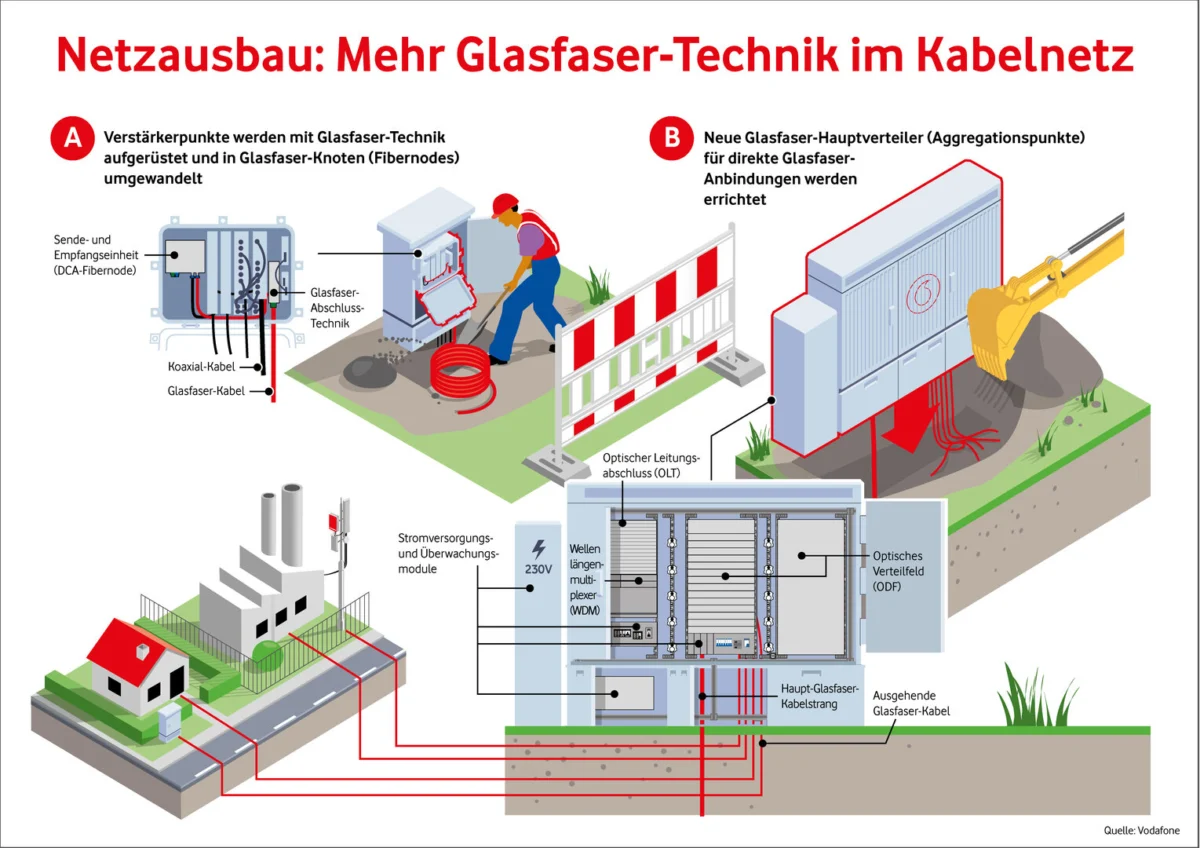
For now, the momentum is behind the AI expansion. The infrastructure is being built, the cables are being laid, and the debt is being serviced. Whether this translates into a sustainable, long-term economic boon or a painful correction will likely be determined by the ability of these corporations to transform their massive hardware investments into actionable, high-margin software solutions that the broader market is willing to pay for.
As we move into the second half of 2026, the global economy remains in a state of high-stakes anticipation, betting on the promise of an intelligent future.