In the traditional marketing playbook, the creative brief was a sacred, static document—a North Star that guided campaigns from conception to execution. Campaigns followed a predictable, linear path: deep research, a rigid strategy phase, and a final output designed for specific, monolithic channels like TV, print, or billboards.
However, that era has effectively ended. In a digital ecosystem characterized by hyper-fragmented touchpoints and real-time cultural shifts, the rigid, long-lead-time brief is no longer a tool of control—it is a bottleneck. As Christopher Kollat, Chief Experience Officer at Monotype, argues, the modern creative process has shifted from a waterfall model to a fluid, iterative dialogue between human intuition and machine-generated insights.
The Core Shift: From "Following the Brief" to "Listening to the Market"
The traditional creative brief focused on one fundamental question: "Did we follow the strategy?" Today, that question is increasingly irrelevant. Teams that move at the speed of current culture are replacing that inquiry with a more dynamic one: "What is the market telling us right now?"
The End of Linear Planning
Historically, companies invested months into market research and strategy before a single asset was created. This "big bang" approach often resulted in campaigns that, while polished, were fundamentally disconnected from the target audience’s immediate reality by the time they hit the market.
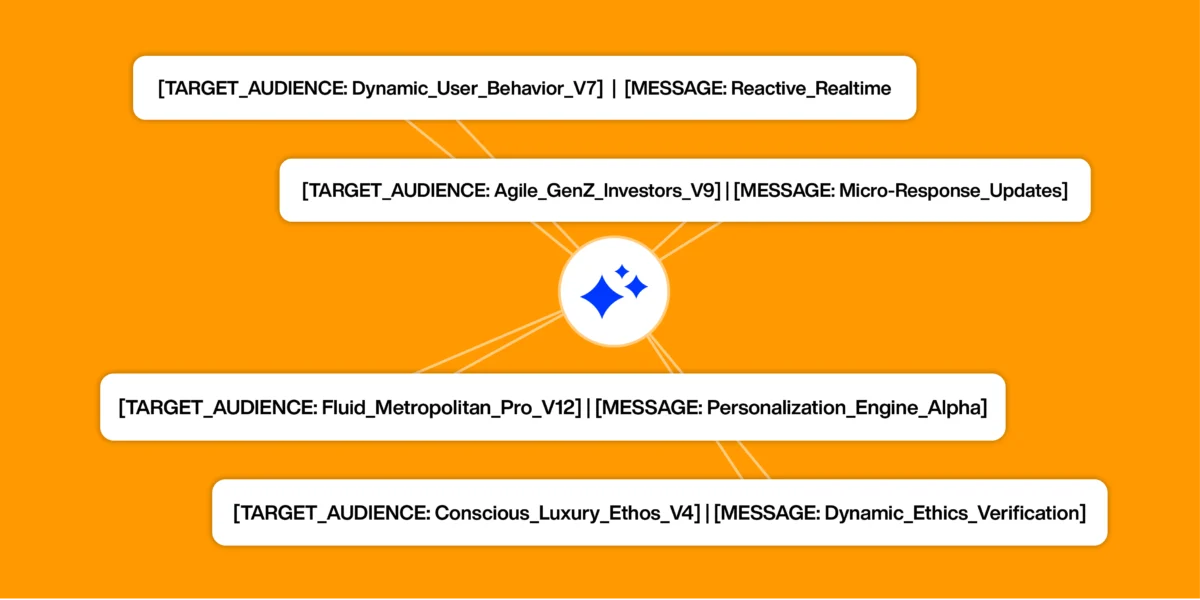
In the current landscape, the distance between ideation and execution has collapsed. Brands are no longer building for a static future; they are reacting to a living, breathing present. This requires a transition from rigid planning to "Agile Creativity"—a process where content is continuously optimized based on social sentiment, search behavior, and real-time performance analytics.
The Catalyst: Artificial Intelligence as a Strategic Multiplier
Artificial Intelligence has fundamentally altered the relationship between strategy and implementation. It is no longer just a tool for generating images or copy; it is a laboratory for experimentation.
Testing at Scale
Before AI, A/B testing was a luxury reserved for massive campaigns. Today, it is a standard operational procedure. AI allows teams to:
- Generate variants: Test different tonal approaches, visual styles, and value propositions within minutes.
- Mitigate risk: By launching small-scale, AI-generated variants, brands can gauge audience reaction before committing substantial budget or human resources.
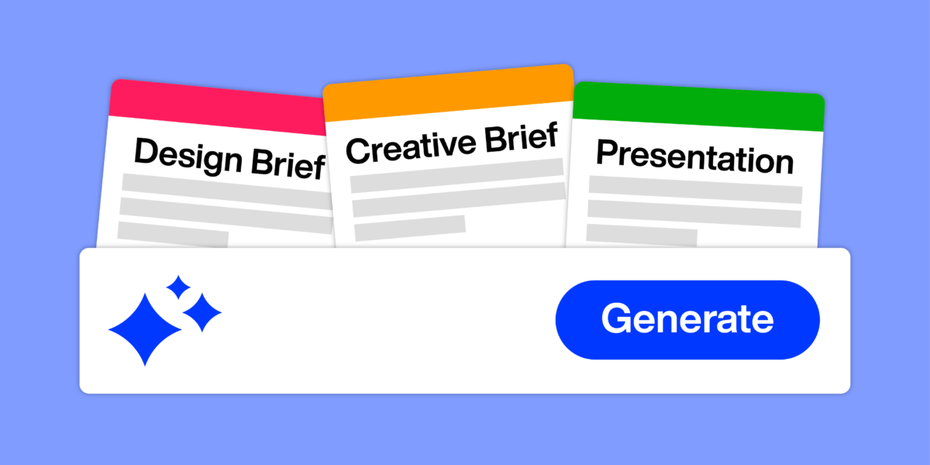
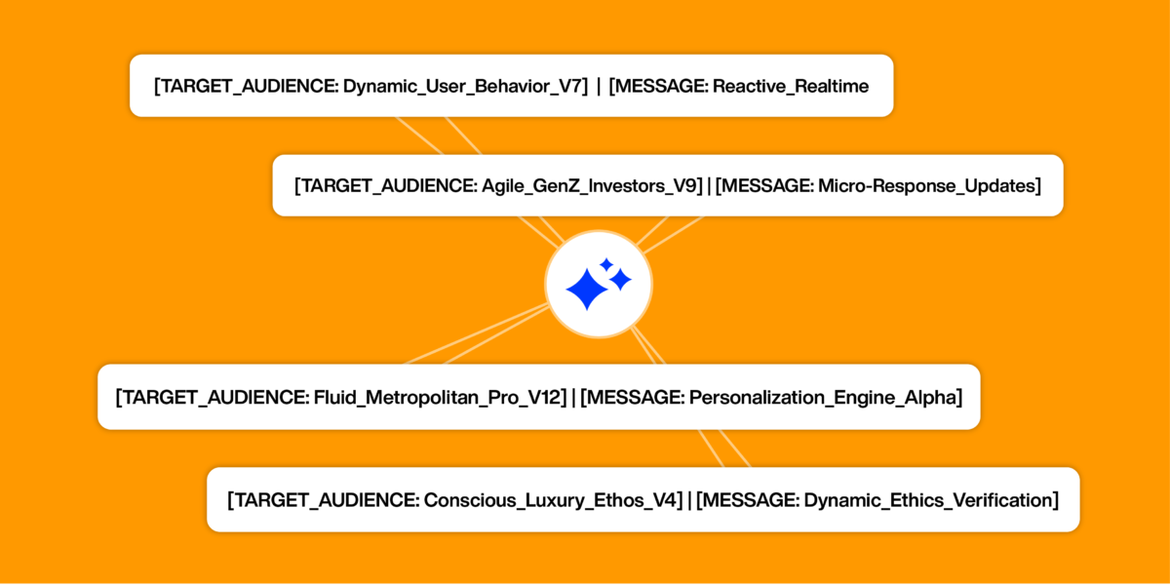
- Bridge the gap: AI facilitates the rapid prototyping of ideas, transforming the "creative brief" into something that more closely resembles an "adaptive prompt."
The New Role of the Human
If AI can generate a thousand variations, what remains for the human creator? The answer is curation and judgment. While machines excel at optimization, they lack the cultural literacy required to build a brand that resonates on an emotional level. Human strategists are now responsible for defining "strategic guardrails"—setting the boundaries of the brand voice and determining which AI-generated paths are not just effective, but authentic and credible.
Supporting Data: Why Agility Wins
While the creative industry has traditionally prioritized the "big idea," the data increasingly supports a systemic approach. Companies that treat design as a flexible system rather than a fixed instruction set report higher engagement rates and better ROI.
- Continuous Feedback Loops: Modern teams integrate data from marketing, sales, and customer service departments. This cross-pollination ensures that creative output is not siloed but informed by the actual pain points of the customer base.
- The Velocity Advantage: Speed-to-market is now a competitive moat. Brands that can pivot their messaging in response to a viral trend or a shifting economic climate capture market share that slower competitors lose by default.
Official Perspective: Insights from Christopher Kollat
Christopher Kollat (CXO, Monotype) emphasizes that this transition is as much about leadership as it is about technology. In his work at the intersection of client strategy and business growth, Kollat has observed that the most successful organizations are those that move away from "campaign-first" thinking toward "system-first" thinking.
"The best briefs today resemble adaptive prompts," says Kollat. He notes that the challenge for modern leadership is not to generate more content, but to provide the leadership necessary to navigate the abundance of options that AI creates. According to Kollat, the human element—the ability to discern which ideas align with long-term brand equity—is the single most valuable asset in an AI-augmented workflow.
Implications: The Dangers of Short-Termism
Despite the efficiency gains, there is a significant risk in the data-driven revolution. When companies fixate on immediate, quantifiable metrics—clicks, conversions, and short-term engagement—they risk losing their brand soul.
The Balancing Act
The danger of optimizing for every single click is that it can lead to a "race to the bottom," where a brand loses its distinct voice in favor of algorithmic trends. To remain relevant, brands must distinguish between:
- Short-term optimization: Using data to improve tactical performance.
- Long-term brand building: Using strategy to ensure the brand remains a trusted, recognizable entity that transcends individual interactions.
Strong brands are not built by data alone. They are built by the human ability to create meaning. The brands of the future will be those that use AI to understand the world, but use human intuition to define their place within it.
The Future of the Creative Brief: A Chronology of Change
To understand how we arrived at this moment, one must look at the evolution of the creative lifecycle:
- The Pre-Digital Era (The "Waterfall" Model): Briefing occurred in a vacuum. The agency received a document, spent months "creating," and presented a final, polished product. Feedback loops were months, if not years, in the making.
- The Early Digital Era (The "Multi-Channel" Model): Briefs became more complex to account for websites, social media, and email. However, the process remained largely linear and campaign-based.
- The Current Era (The "Agile" Model): The wall between strategy and execution has fallen. Briefs are now living documents that evolve alongside the market. AI is the engine, and the human strategist is the conductor.
Conclusion: Designing for Evolution
The death of the static brief is not an end, but a beginning. It marks the transition of the creative profession from a craft of "making things" to a craft of "managing systems."

For agencies and in-house marketing teams, the imperative is clear: invest in the infrastructure that allows for rapid testing, prioritize the integration of cross-departmental data, and, most importantly, protect the human capacity for judgment. In a world where anything can be generated in seconds, the ability to know what to generate—and why it matters—is the only sustainable competitive advantage.
As we look toward the future, the most successful brands will be those that treat their identity as a living, learning system, anchored by clear values but flexible enough to evolve in real-time. The brief is no longer a document; it is a dialogue. And that conversation is only just beginning.