Date: July 20, 2026 | Financial Analysis
The global financial markets are currently navigating a period of profound uncertainty, characterized by a fragile balancing act between geopolitical anxieties in the Middle East and a cooling enthusiasm for the once-unstoppable artificial intelligence (AI) sector. As of Monday’s close, the German DAX index managed a marginal gain of 0.1%, ending the session at 24,846 points. However, this modest uptick masks a deeper, underlying apprehension among institutional and retail investors alike.
Market participants are currently trapped in a "wait-and-see" mode, oscillating between fears of a potential "salami crash"—a gradual, grinding decline—and the hope that the current stagnation is merely a consolidation phase after a prolonged bull run.
Main Facts: The Anatomy of Market Stagnation
The current trading environment is defined by a lack of conviction. The DAX spent Monday trading within a narrow range between 24,751 and 24,974 points. This "sticky" market behavior, as described by Ulrich Kater, Chief Economist at DekaBank, reflects a broader consensus: there is no clear direction.
Investors are paralyzed by a confluence of three primary stressors:
- Geopolitical Instability: The ongoing escalation between the United States and Iran has sent shockwaves through the energy markets, directly impacting investor sentiment.
- The Tech Correction: The AI-driven rally that defined the last eighteen months is facing its "hour of truth." Investors are no longer content with speculative potential; they are demanding tangible fiscal results.
- Monetary Policy Uncertainty: With inflation figures still erratic, the market is struggling to price in the future trajectory of central bank interest rate decisions.
Chronology of Tensions: The Middle East Crisis
The current market volatility cannot be decoupled from the rapid deterioration of security in the Middle East. The crisis, which intensified significantly at the start of July following disputes over the control of the Strait of Hormuz, has entered a dangerous new phase.
- Early July: Initial skirmishes and diplomatic standoffs led to heightened anxiety regarding oil supply chain stability.
- Mid-July: The conflict shifted from rhetoric to direct military engagement. The United States reported nine consecutive nights of targeted strikes against Iranian military infrastructure.
- The Weekend of July 18-19: Iran responded with retaliatory strikes against infrastructure in Bahrain and Kuwait, causing immediate spikes in global oil benchmarks.
- Monday, July 20: Brent crude witnessed extreme "rollercoaster" trading. Prices surged to $91.42 per barrel in overnight trading, only to retract to $86.12 as fleeting hopes for diplomatic back-channels emerged. By the close of the European session, prices had settled back around the $88 mark.
Energy analysts, including Saul Kavonic of MST Marquee, have warned that the conflict is expanding in both geographic scope and duration, suggesting that the "risk premium" on oil is likely to remain elevated for the foreseeable future.
Supporting Data: Sector Performance and Individual Movers
While the broader indices remain stagnant, individual stock movements reveal where investors are placing their defensive bets.
Siemens Energy and Industrial Resilience
Siemens Energy emerged as a surprising leader in the DAX, gaining over 3%. This surge was largely catalyzed by a positive analyst note from UBS. However, market observers remain cautious, noting that the stock has been highly volatile, often serving as a barometer for the broader sentiment toward energy transition stocks.
The Healthcare and Utility Pivot
Investors are increasingly pivoting toward "defensive" sectors. Both RWE (Utilities) and Fresenius (Healthcare) saw increased buying interest as investors looked to insulate their portfolios against macroeconomic shocks. Conversely, Bayer faced profit-taking pressures, retreating after a period of strong performance.
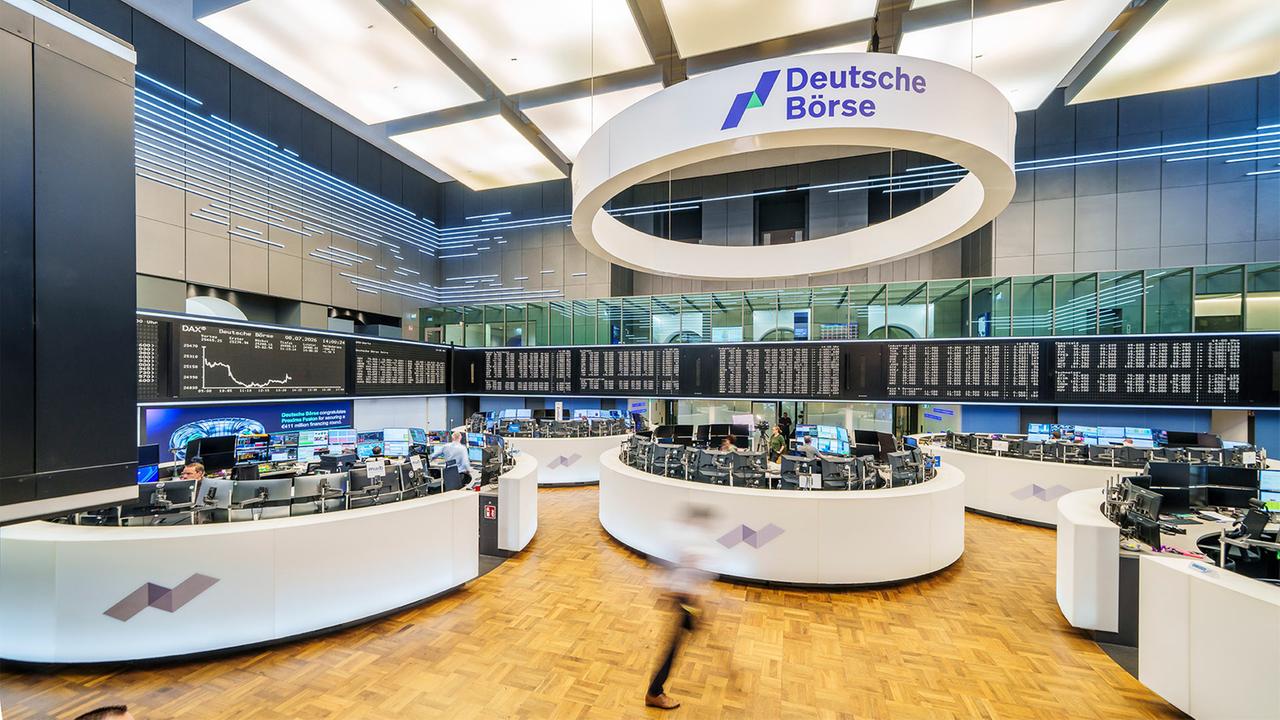
Wall Street Performance
Across the Atlantic, the narrative was similarly fragmented. The Nasdaq 100 showed signs of recovery, posting a 0.7% gain by midday, suggesting that some investors are "buying the dip" in the tech sector. Meanwhile, the Dow Jones Industrial Average lagged, struggling to find momentum following its 0.8% decline on the previous Friday.
Official Responses and Analyst Sentiment
Financial institutions are sounding a note of cautious optimism, tempered by a demand for fiscal discipline. The consensus among analysts is that the era of "easy growth" for tech giants is over.
The "Show Me the Money" Phase:
Sören Wiedau, an analyst at Weberbank, emphasized the shift in market expectations: "The multi-billion dollar AI investments must now translate into higher revenues, improved margins, and concrete earnings growth. The tech giants are currently being valued on perfection; any disappointment in their upcoming quarterly reports will likely trigger significant price corrections."
The Upcoming "Super Week":
The coming days are critical. Investors are positioning themselves ahead of a wave of earnings reports that will likely dictate market direction for the remainder of the summer:
- Tech Titans: The Google parent company, Alphabet, and Tesla are scheduled to report after the U.S. market close on Wednesday.
- German Heavyweights: SAP, Europe’s largest software provider, is set to release its figures on Thursday. Additionally, the Deutsche Börse report (Wednesday evening) and Volkswagen’s performance (Friday) are being scrutinized for clues regarding the health of the German industrial engine.
Implications: What Lies Ahead?
The implications of this week’s developments are far-reaching. The market is currently undergoing a "stress test" of its own internal logic.
1. The Risk of Asset Re-pricing
If companies like Alphabet or SAP fail to meet the high expectations set by AI-related capital expenditure, we could witness a broad-based re-pricing of tech stocks. This would not merely affect the tech sector; it would likely drag down broader indices like the DAX and the S&P 500, given the concentration of capital in these mega-cap names.
2. Geopolitical Spillover
The volatility in the oil market acts as a "hidden tax" on global economic recovery. Sustained high prices for Brent crude, exacerbated by the Iran-Kuwait-Bahrain conflict, could reignite inflationary pressures, potentially forcing central banks to maintain higher-for-longer interest rates. This would be a double blow to equity markets, which are already struggling with valuation concerns.
3. The "Stagnation" Scenario
There is also the possibility that the markets continue to trade sideways. A lack of major, catastrophic news, combined with a lack of positive catalysts, could lead to a prolonged period of low volatility and low returns. While this might prevent a "crash," it creates a difficult environment for active managers who rely on price discovery and trend momentum.
Conclusion
As the week progresses, investors are advised to look beyond the daily fluctuations. The true story of the coming days will be told in the balance sheets of the major tech players and the diplomatic headlines emerging from the Middle East. The market is in a delicate state, and while the current "DAX hanging game" continues, the volatility of the oil price and the necessity for tech companies to prove their long-term profitability remain the two pillars upon which the future of the 2026 stock market rests.
For now, caution remains the watchword. As the adage goes in Frankfurt, "In times of uncertainty, the best trade is often no trade at all."