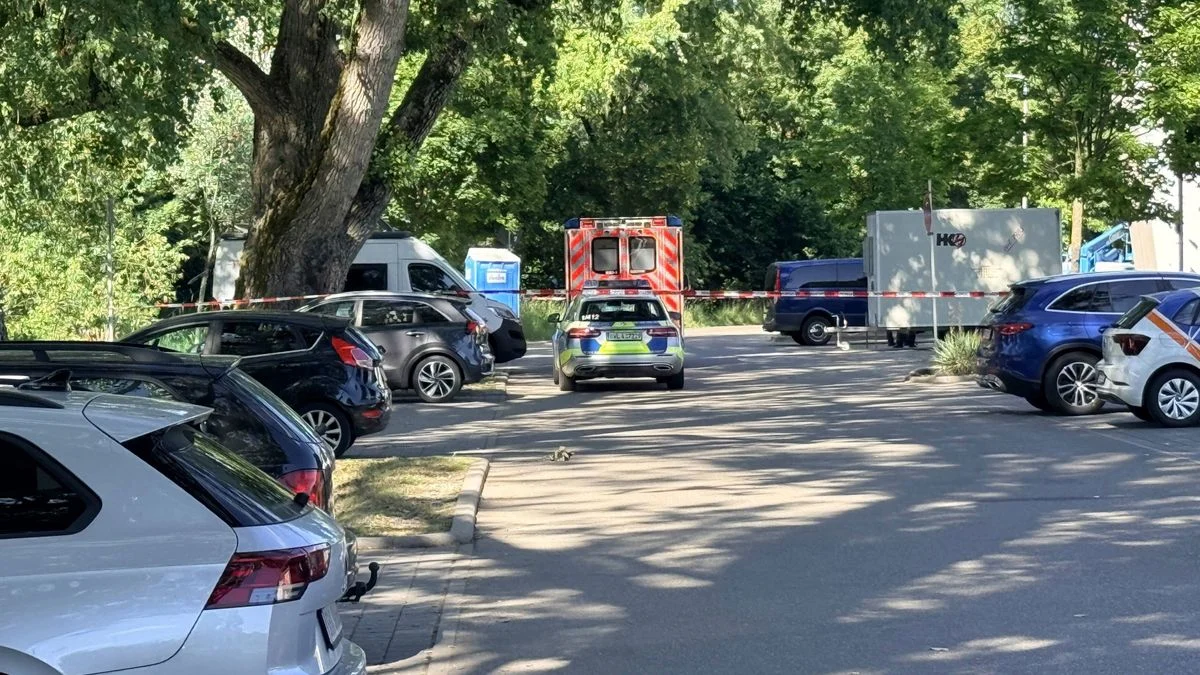
SCHORNDORF, GERMANY – A devastating tragedy has gripped the community of Schorndorf, near Stuttgart, following the death of a 20-month-old girl who succumbed to the extreme temperatures inside a parked vehicle. Official reports confirmed this week that the toddler died of heatstroke after being inadvertently left in the car by her mother for several hours on a Wednesday.
The incident, which has sparked widespread national conversation regarding child safety and the dangers of extreme heat, is now the subject of a formal criminal investigation. As authorities piece together the timeline of that fateful day, the case highlights the harrowing reality of a "forgotten baby syndrome"—a psychological phenomenon that can affect even the most attentive parents under specific conditions of routine disruption or extreme stress.
The Facts of the Case: A Fatal Oversight
The investigation, led by the Stuttgart Public Prosecutor’s Office and the local criminal police, has officially concluded that the toddler died as a direct result of hyperthermia. An autopsy performed shortly after the discovery of the child’s body confirmed that the cause of death was systemic organ failure triggered by an acute heatstroke.
According to preliminary investigative findings, the 44-year-old mother had intended to drop her daughter off at a local daycare center on Wednesday morning. However, in a tragic lapse of memory, she reportedly drove to her place of employment instead, leaving the child in the vehicle. The child remained inside the car for several hours while the mother was at work, unaware that her daughter was still strapped into her car seat.
The discovery was only made in the late afternoon when the mother arrived at the daycare facility to collect her child. Upon being informed that the toddler had not been dropped off that morning, the realization dawned, leading to the discovery of the child’s lifeless body inside the vehicle.
Chronology of the Incident
To understand how such an event can occur, investigators are reconstructing the timeline of the Wednesday in question:
- 07:30 – 08:30 AM: The mother began her morning routine, which included the task of transporting her 20-month-old daughter to the daycare center.
- Morning hours: It is believed that a breakdown in routine—a critical factor often cited in such cases—caused the mother to bypass the daycare and head directly to her workplace.
- The Day Shift: The vehicle was left in a parking area. As temperatures climbed throughout the day, the interior of the car transformed into a lethal environment. Experts note that even on moderately warm days, the temperature inside a vehicle can rise by 20 degrees Celsius within minutes.
- Late Afternoon: The mother traveled to the daycare center for the scheduled pickup. Upon being told the child was not present, she returned to her vehicle and discovered the tragic outcome.
- Emergency Response: Immediate calls were placed to emergency services, but upon arrival, paramedics confirmed that the child had already passed away.
Legal Implications and Ongoing Investigation
The Stuttgart Public Prosecutor’s Office has launched a formal investigation against the 44-year-old mother. The primary charge currently under consideration is fahrlässige Tötung (involuntary manslaughter).
The legal process is in its early stages. The mother, who is currently not in police custody, has exercised her right to appoint legal counsel. This step is a standard procedure in German criminal law, providing the accused with the necessary support to navigate the complexities of a criminal investigation.
A spokesperson for the police stated, "Bislang ist nicht sicher, ob und in welcher Form sich die Mutter äußern wird" (It is not yet certain if or in what form the mother will comment). Her legal team is currently managing the process, determining when and how she will provide testimony, if at all. The investigation will focus on whether there were mitigating circumstances or if the incident was a case of pure negligence.
The Science of Heatstroke in Vehicles
The medical evidence provided by the autopsy serves as a grim reminder of the physiological vulnerability of toddlers to heat. A child’s body temperature rises three to five times faster than an adult’s.
Why Heatstroke Occurs
When a human is exposed to extreme heat, the body’s cooling mechanisms—primarily sweating—become overwhelmed. In an enclosed, unventilated space like a car, the humidity and lack of air circulation accelerate the process. Once a child’s core temperature reaches approximately 40 degrees Celsius (104 degrees Fahrenheit), the body begins to shut down.
Organ Failure
The autopsy results, which cited organ failure as the cause of death, reflect the final stage of heatstroke. As the core temperature rises, the proteins in the body begin to denature, and the cardiovascular system struggles to pump enough blood to the skin to facilitate cooling. This leads to brain swelling, kidney failure, and eventually, cardiac arrest.
Sociological Context: The "Forgotten Baby" Phenomenon
Psychologists and safety experts often refer to these incidents as "Forgotten Baby Syndrome." This is not a reflection of a parent’s love or intent, but rather a catastrophic failure of the brain’s "prospective memory."
Prospective memory is the ability to remember to perform a planned action in the future. In many cases of this nature, the parent is operating on "autopilot," a mental state where the brain relies on deeply ingrained habits. If the routine is broken—for example, if the parent takes a different route to work or is distracted by a phone call or a change in schedule—the brain may inadvertently skip the step of the daycare drop-off, falsely convincing the parent that the task has already been completed.
The Schorndorf community is now grappling with this tragedy, highlighting the need for increased awareness regarding the dangers of leaving children unattended, even for "just a moment."
Official Responses and Public Sentiment
The incident has sent shockwaves through the Stuttgart region. Local authorities have expressed their condolences to the family, acknowledging the profound grief and trauma the mother is now facing.
"The investigation is ongoing, and we are working with sensitivity given the horrific nature of this event," the police spokesperson noted. The case has also reignited calls for technological solutions, such as mandatory rear-seat occupancy sensors in new vehicles, which can alert a driver if a child is left behind.
While the legal system must determine the degree of criminal liability, the broader public discourse in Germany has shifted toward compassion. Many child advocacy groups are emphasizing that these tragedies occur across all socioeconomic backgrounds and that the psychological trauma experienced by the surviving parent is often a life-altering punishment in itself.
Implications for Future Prevention
As the investigation proceeds, experts hope that the tragedy serves as a catalyst for preventative measures:
- Safety Checks: Experts recommend keeping a personal item (such as a briefcase or phone) in the back seat to ensure the driver turns around before exiting the vehicle.
- Daycare Communication: Many facilities are now implementing "missing child" protocols where they contact parents within 30 minutes of a missed drop-off.
- Technological Integration: The automotive industry is under increasing pressure to integrate "Child Presence Detection" (CPD) systems that detect movement or breathing in a locked car and sound an alarm.
The death of the 20-month-old girl in Schorndorf is a stark, painful reminder of how fragile life can be and how quickly a lapse in routine can lead to an irreversible disaster. As the legal proceedings move forward, the community continues to mourn, and the focus remains on ensuring that such a tragedy is not repeated.
The investigation continues under the supervision of the Stuttgart Public Prosecutor’s Office, with further updates expected as the legal counsel for the mother determines the next steps in her defense. For now, the town remains in a state of quiet mourning for a life cut tragically short.