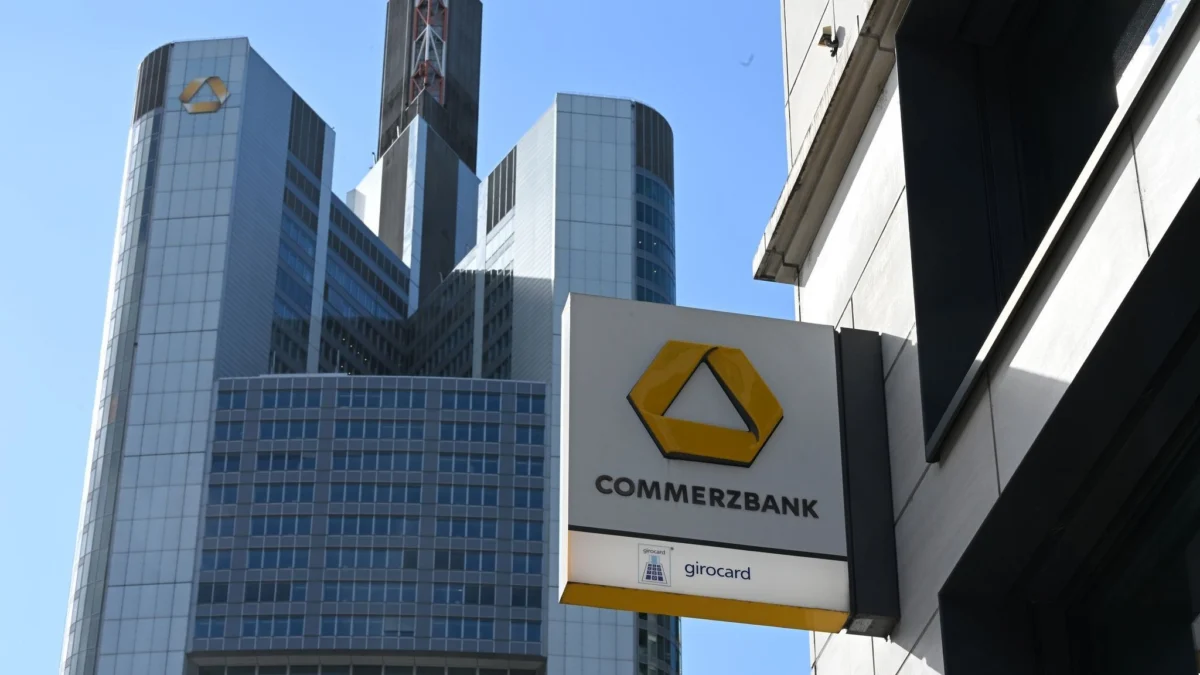
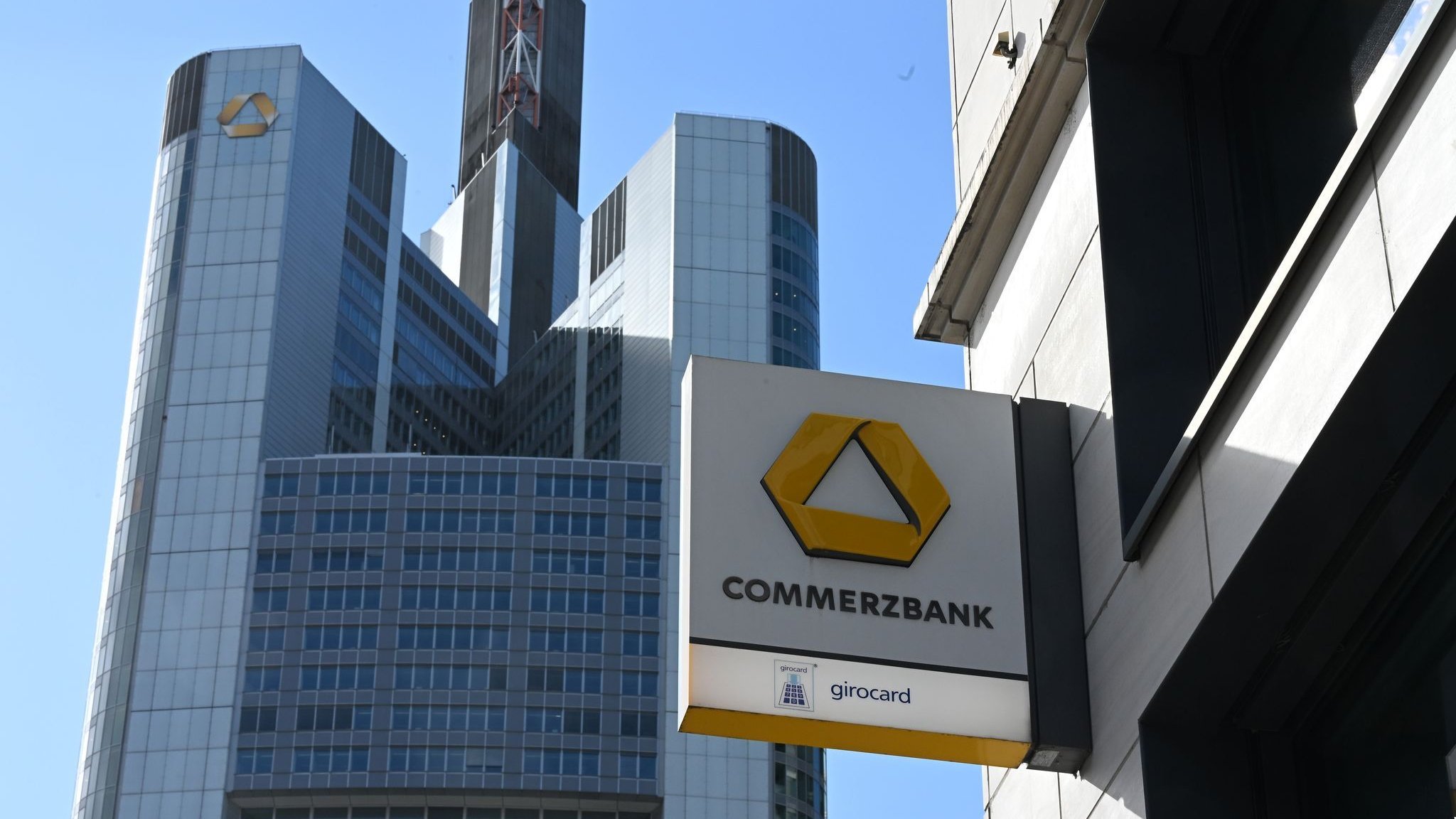
The German federal government has sent a clear signal to Milan: The state’s stake in Commerzbank is not for sale, and any aggressive takeover attempt by Italy’s Unicredit faces a formidable political and structural wall. As the European banking sector braces for potential consolidation, the tension between Berlin’s protective stance and Unicredit CEO Andrea Orcel’s expansionist vision reaches a boiling point.
The Core Conflict: A Defensive Stance in Berlin
The German government, currently holding a significant 13 percent stake in Commerzbank, has adopted a hardening tone toward potential takeover maneuvers by Unicredit. According to sources within the federal government, there is no intention to divest this holding. This decision effectively cripples any immediate aspirations the Italian banking giant may have regarding a full acquisition or a strategic overhaul of the Frankfurt-based lender.
At the heart of the government’s resistance is a desire to maintain the independence of Germany’s second-largest private bank. For years, the German state has acted as a stabilizer for Commerzbank, particularly following the financial crises of the last decade. By signaling that it intends to remain a long-term shareholder, the government is effectively putting a "keep out" sign on the door for external corporate raiders.
Chronology of the Standoff
The current tensions are the culmination of a long-standing "will-they-won’t-they" narrative regarding European banking consolidation.
- 2008–2009: The German state acquires its stake in Commerzbank during the global financial crisis as part of a multi-billion euro bailout package to prevent the bank’s collapse.
- 2019: Speculation about a merger between Deutsche Bank and Commerzbank reaches its peak, only for the talks to fall through, leaving the state as an involuntary, long-term investor.
- 2023–2024: As interest rates rise and European banks see improved profitability, Unicredit—under the leadership of CEO Andrea Orcel—begins exploring inorganic growth opportunities across the continent.
- Mid-2026 (Present): Reports emerge that Unicredit has been quietly maneuvering to increase its influence over Commerzbank, prompting the German government to solidify its defensive posture.
Structural Realities: Why a Takeover is "Practically Impossible"
The primary obstacle to an aggressive takeover is not just political rhetoric but the legal and structural reality of the German stock corporation act.
The De-listing Dilemma
Industry experts emphasize that Unicredit’s reported plans to take Commerzbank off the stock exchange—a move often used by acquirers to streamline operations and cut costs—are, in the current landscape, "practically impossible."

The 90 Percent Threshold
Under German law, a "squeeze-out" (the process of forcing out minority shareholders to take full control) requires an acquirer to control at least 90 percent of the target company’s equity. As long as the German government retains its 13 percent stake, it is mathematically impossible for any external entity to reach that 90 percent threshold without the government’s active cooperation.
While a corporation can technically be de-listed via a board resolution, the presence of a powerful, state-aligned minority shareholder creates a corporate governance environment that makes such a maneuver fraught with legal risk and public backlash.
Supporting Data: Commerzbank’s Market Position
Commerzbank has undergone a rigorous restructuring process over the past five years. Once considered the "problem child" of the German financial sector, it has returned to profitability and focused on serving the German Mittelstand—the backbone of the German economy.
| Metric | Context |
|---|---|
| State Stake | Approx. 13% |
| Role of State | Second-largest shareholder |
| Target Sector | Core focus on SME lending and corporate banking |
| Market Status | Listed on the DAX (German Stock Index) |
The government’s refusal to sell is underpinned by the argument that a takeover by a foreign entity could disrupt the bank’s relationship with German SMEs, which rely on Commerzbank for specialized financing. Policymakers argue that the bank’s current path to independence is the best way to ensure credit availability for German companies.
Official Responses and Political Rhetoric
The atmosphere in Berlin is one of caution and protectionism. Government officials, speaking on condition of anonymity, have indicated that the federal administration is not merely observing, but actively monitoring the activities of foreign institutional investors.
"The government is not just a passive investor; it is the guardian of the bank’s strategic role in the German economy," noted one banking analyst based in Frankfurt. "By stating clearly that the shares will not be sold, they are effectively removing the ‘optionality’ that Unicredit was likely betting on."

Andrea Orcel has remained relatively quiet in the public sphere, but his reputation as a "dealmaker" precedes him. His tenure at Unicredit has been defined by high-efficiency returns and aggressive capital management. Whether he views the German government’s stance as a final word or a starting point for a complex negotiation remains to be seen.
Implications for the European Banking Union
This standoff highlights the broader challenges facing the European Banking Union. While the vision of a truly integrated European banking market remains a goal of the European Central Bank (ECB), national interests often supersede cross-border synergy.
National Sovereignty vs. Market Efficiency
The clash between Unicredit and the German government is a case study in why European bank mergers remain rare. When a bank is viewed as a "national champion," its ownership structure often becomes a matter of state security. This prevents the emergence of "European Champions" capable of competing on a global stage against American or Asian banking giants.

The Future of Consolidation
If the German government refuses to budge, Unicredit may be forced to look elsewhere for growth. However, the precedent set here—that a state will intervene to prevent an unwanted takeover—could discourage other cross-border acquisition attempts within the EU.
Conclusion: The Path Ahead
The conflict over Commerzbank is far from over. While the German government has successfully drawn a line in the sand, the pressure on Commerzbank to deliver higher returns will persist. Shareholders who are not the German state may eventually grow frustrated if the bank remains "stuck" in a structure that prevents it from fully realizing its market potential.
For now, the status quo prevails. The German government, wary of repeating the mistakes of past bailouts and eager to maintain control over the domestic financial architecture, has made its position clear. Whether Andrea Orcel chooses to respect these boundaries or pivot to a more adversarial strategy will define the narrative of the European financial sector for the remainder of the year.

As the situation unfolds, one thing is certain: The era of easy, cross-border banking takeovers in Europe has yet to arrive. Political hurdles, deeply rooted in national economic interests, continue to act as a significant buffer against the consolidation that many economists believe is necessary for a robust, unified European economy.
(Word count: ~1,250 words)