By Financial News Desk
Published: June 22, 2026
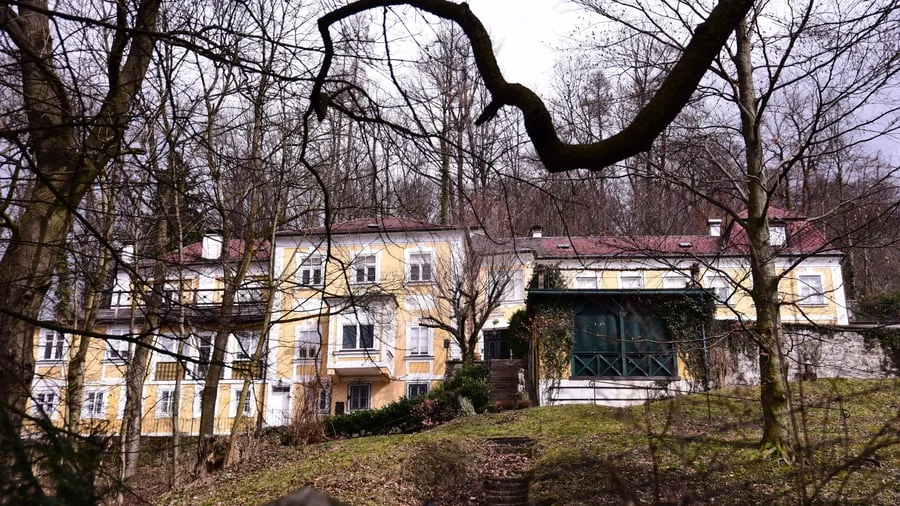
In a move that marks the conclusion of one of Salzburg’s most contentious real estate sagas, Wolfgang Porsche, the 83-year-old patriarch of the automotive dynasty, has officially placed the historic "Paschinger Schlössl" on the market. The estate, famously once the residence of the renowned Austrian author Stefan Zweig, is listed for sale at 14.6 million US dollars (approximately 12.7 million euros). The decision comes after a bruising, months-long public relations battle regarding the billionaire’s plans to construct a private, 500-meter underground tunnel to his property.

The Property: A Legacy of Literature and Luxury
The "Paschinger Schlössl" is more than just a high-end residence; it is a cultural landmark. Located on the slopes of the Kapuzinerberg in Salzburg, the villa served as a sanctuary for Stefan Zweig from 1919 until 1934. It was within these walls that Zweig penned some of his most influential works before he was forced to flee Austria due to the rising tide of National Socialism.
For Wolfgang Porsche, the acquisition of the property in October 2020 for 8.4 million euros was intended to be a long-term commitment. Over the past several years, the estate underwent extensive, high-end renovations aimed at preserving its historic character while modernizing the interior for contemporary living. However, what began as a private architectural passion project quickly devolved into a flashpoint for local political and social tensions.

Chronology of the Tunnel Controversy
The controversy surrounding the villa centers on a singular, ambitious infrastructure request: a private tunnel.
- October 2020: Wolfgang Porsche purchases the historic estate.
- Early 2025: Plans for a 500-meter private tunnel connecting a public parking garage in the Linzer Gasse directly to the villa are made public. Porsche argued that the existing access road was narrow, frequently congested, and treacherous during winter months, necessitating an alternative route.
- Spring 2025: The project becomes a catalyst for local outrage. Advocacy groups, environmentalists, and opposition political parties—specifically the Green Party and the Communist Party (KPÖ)—launch a fierce campaign against what they describe as "elitist infrastructure."
- Mid-2025: A petition against the tunnel gains significant momentum, garnering over 19,000 signatures. Protests are organized not only in the streets of Salzburg but also at the Porsche corporate headquarters in Stuttgart.
- Late 2025: Despite the intense public outcry and political pressure, the city authorities grant formal planning permission for both the tunnel and an accompanying underground garage.
- June 2026: Having secured the legal right to build, Porsche opts to abandon the project entirely, listing the property for sale.
The Anatomy of the Opposition
The backlash against the project was multifaceted. Critics argued that the construction of a private tunnel for a single resident, regardless of the owner’s status, set a dangerous precedent for urban planning in a historically protected city like Salzburg.
The political climate in Salzburg played a significant role in the intensity of the resistance. Opponents framed the project as a classic example of a "two-tier society," where a globally recognized billionaire could bypass the logistical limitations that govern the lives of ordinary citizens. The fact that the tunnel would have required digging into the sensitive rock face of the Kapuzinerberg also raised environmental concerns, with critics arguing that the geological integrity of the mountain—and the aesthetics of the historic landscape—were being compromised for private convenience.
Porsche had offered to fund the entire project, estimated at roughly 10 million euros, entirely out of his own pocket. Proponents of the project suggested that the tunnel would have reduced traffic congestion on the narrow access roads, potentially benefiting the surrounding neighborhood. However, the optics of a private, luxury tunnel in a city struggling with traffic and housing affordability proved too damaging to overcome.

Financial and Architectural Implications
The financial metrics of the sale highlight both the premium placed on historic properties and the volatile nature of "trophy" assets. Having purchased the home for 8.4 million euros and invested substantial capital into its restoration, the 12.7 million euro price tag suggests that the estate is being positioned as a rare, high-value asset in the international luxury market.
The listing, handled by the French luxury real estate agency Le Figaro Properties, targets a specific niche of high-net-worth individuals. Whether the property’s association with Stefan Zweig adds to or detracts from its marketability remains to be seen, though the historic pedigree is undoubtedly a selling point for international collectors.

Official Responses and Public Sentiment
The office of the Mayor of Salzburg and various city planning departments maintained a policy of strict procedural compliance throughout the application process. While they ultimately approved the plans, citing that they met all legal requirements and zoning regulations, the political cost of that approval was high.
In statements issued at the time, representatives for Porsche argued that the tunnel was a matter of basic accessibility and safety, particularly given the owner’s advanced age and the difficulty of navigating the steep, narrow, and often ice-covered streets of the Kapuzinerberg. They emphasized that the project was a private investment intended to resolve a logistical nuisance, not an attempt to circumvent democratic processes.
The public reaction, however, remained largely unforgiving. The success of the petition and the visual impact of protests at the Porsche headquarters clearly signaled a shift in how residents of major European cities view the influence of extreme wealth on public space.
Broader Implications: The "Billionaire’s Burden"
The sale of the Stefan Zweig villa serves as a modern cautionary tale regarding the limitations of private capital when it intersects with public heritage and civic pride. Even with unlimited financial resources, individuals of significant means find themselves increasingly subject to the scrutiny of public opinion, particularly when their actions involve the modification of historical landscapes or public infrastructure.

The case also reflects a broader trend in European real estate, where the "gentrification" of historic districts is met with growing organized resistance. The ability to "buy one’s way out" of urban inconveniences is becoming increasingly difficult as digital activism allows local communities to mobilize against projects that were once considered the private business of landowners.
What Lies Ahead
As the "Paschinger Schlössl" waits for a new owner, the question remains: will the next proprietor attempt to resurrect the tunnel project, or will the historical sensitivity of the location effectively kill the idea for good?

For now, the site remains a testament to both the grandeur of Austrian history and the limits of 21st-century power. Wolfgang Porsche’s departure from this specific project may not diminish his influence in the automotive world, but it represents a significant retreat in his personal pursuit of a Salzburg sanctuary. The sale will likely be remembered not for the price achieved or the luxury of the estate, but as the moment when the intersection of private wealth and public heritage reached an irreconcilable impasse.
The case of the Stefan Zweig villa will likely be cited in future urban planning discussions as a definitive example of the power of civic engagement. Whether viewed as a victory for the public interest or a loss for historical preservation through private funding, the saga highlights that in the modern world, not everything—not even a mountain—can be easily moved to suit the desires of the wealthy.