By Financial News Desk
Updated: June 18, 2026 | 14:43 GMT
Executive Summary: A Sudden Departure
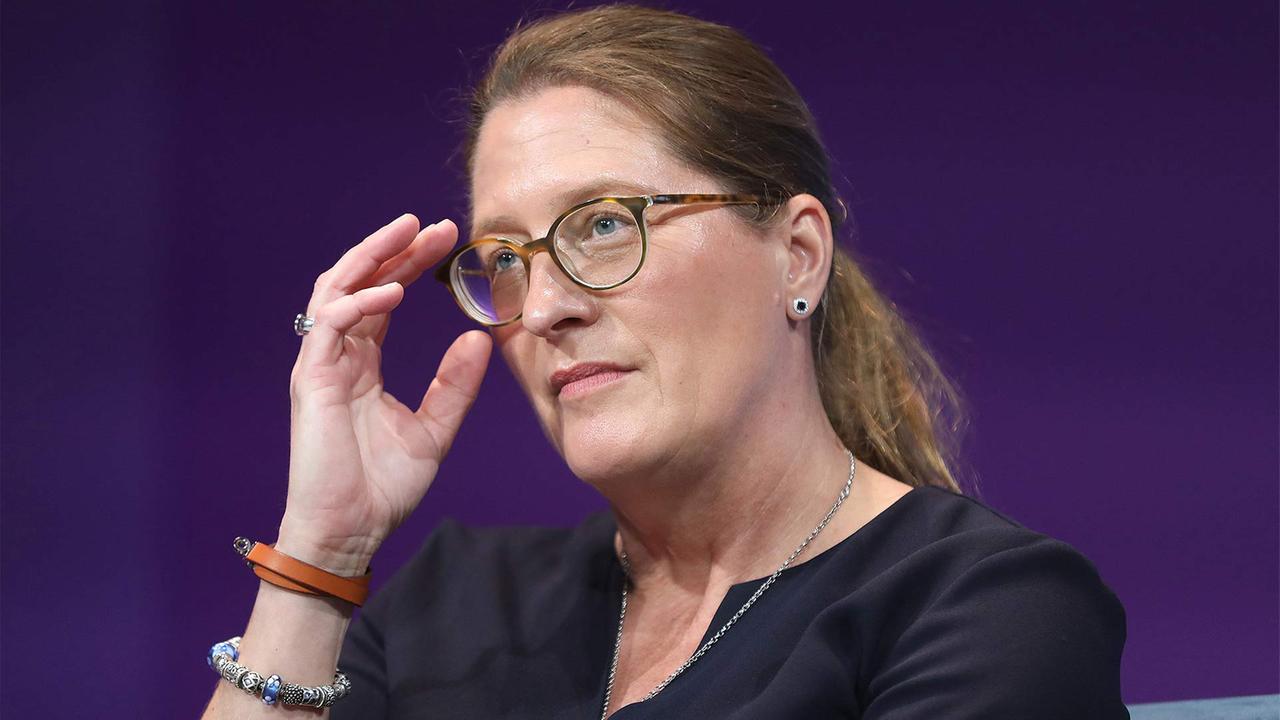
In a move that has sent shockwaves through the automotive industry, Volkswagen AG’s supervisory board faces a significant leadership vacuum following the abrupt resignation of Susanne Wiegand. Just moments before the company’s annual general meeting (AGM) in Munich, Wiegand, a highly respected executive and former CEO of the defense manufacturer Renk, announced she would not stand for re-election.
Wiegand, who joined the board in 2025, was widely regarded as the singular "truly independent" voice within the automaker’s complex oversight structure. Her departure, which takes effect at the conclusion of today’s proceedings, is not merely a personnel change; it serves as a glaring indictment of the governance challenges currently plaguing Europe’s largest car manufacturer.
Chronology of the Crisis
The timeline of Wiegand’s tenure at Volkswagen was brief but high-impact. Appointed in 2025 to bring a fresh, external perspective to the supervisory board, Wiegand was tasked with providing oversight during a period of massive industrial transformation.
- 2025: Susanne Wiegand is appointed to the VW supervisory board as an independent representative of the capital side, bringing her extensive experience in industrial restructuring and public market strategy, notably from her time leading Renk.
- Early June 2026: Preparations for the annual general meeting are finalized. The board puts forward a motion to re-elect Wiegand for a term lasting until 2031.
- June 18, 2026 (Morning): In a late-breaking development, Wiegand informs board chairman Hans Dieter Pötsch of her intention to withdraw her candidacy.
- June 18, 2026 (Midday): During the Munich AGM, Pötsch confirms the news to shareholders, stating, "Wiegand has informed the board of her decision not to stand for re-election after careful consideration of the overall circumstances."
The Governance Paradox: Why Wiegand Left
To understand the weight of Wiegand’s departure, one must understand the unique—and often criticized—corporate structure of Volkswagen. Unlike a standard public corporation, VW is a hybrid entity defined by the heavy influence of the Porsche-Piëch family holding company, the state of Lower Saxony, and the Emirate of Qatar.
These entities collectively hold a dominant majority of voting shares. As a result, only about 8.4 percent of the company’s common stock remains in free float, leaving minority shareholders with little influence over the strategic direction of the firm.
Wiegand, a member of the government-backed "German Corporate Governance Code" commission, was viewed as a safeguard against the entrenchment of these powerful interest groups. Her resignation suggests a fundamental incompatibility between the expectations of independent oversight and the reality of Volkswagen’s internal power dynamics. As one investor noted, "Volkswagen is paying the price for a governance system that prioritizes the consolidation of power over the transparency of responsibility."
Supporting Data: The Pressure Cooker of Wolfsburg
While the boardroom drama unfolds, Volkswagen is simultaneously battling a perfect storm of operational headwinds. The company is currently engaged in a massive restructuring effort intended to salvage its market share in an era of electrification and Chinese competition.
The Cost of Survival
- Workforce Reductions: VW CEO Oliver Blume has set an ambitious, if painful, goal to eliminate 50,000 jobs across the group by 2030.
- The Core Brand: Of the total cuts, 35,000 are slated to come from the core Volkswagen brand.
- Current Progress: Blume reports that 28,000 of these departures have already been finalized through attrition and early retirement packages.
Financial and Competitive Realities
CFO Arno Antlitz was blunt during the AGM: "We require competitive costs to survive. This applies to material costs, overhead, and factory operations. We are seeing competitors from China entering Europe and establishing efficient, modern production facilities in Eastern and Southern Europe. We cannot sustain ourselves against this if we continue to operate with underutilized, inefficient factories."
The pressure is compounded by the threat of U.S. automotive tariffs and a softening global demand for high-end internal combustion vehicles, which historically provided the bulk of VW’s margins.
Official Responses and Shareholder Sentiment
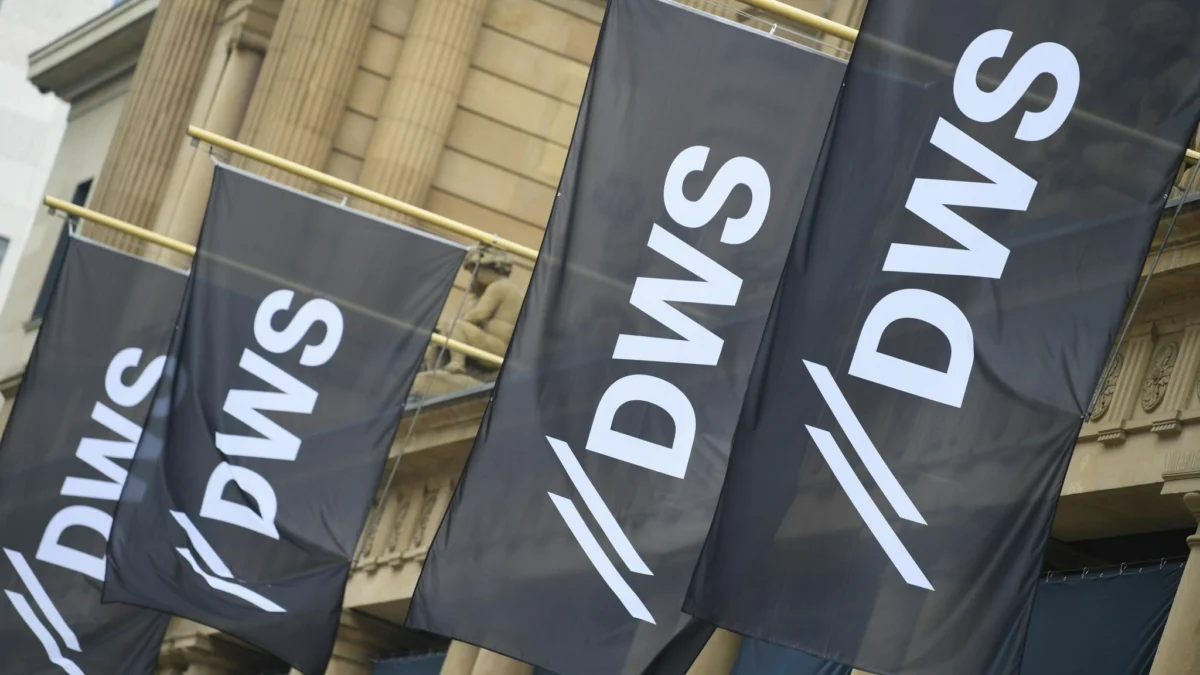
The reaction to Wiegand’s departure has been one of skepticism toward the board’s current path. Hendrik Schmidt, representing the DWS group (a Deutsche Bank subsidiary), delivered a stinging rebuke of the status quo during the assembly. He argued that the current governance system is inherently "diluted," suggesting that the departure of an independent voice like Wiegand is a canary in the coal mine for the company’s future health.
Wiegand herself offered a terse but telling statement when approached by the media: "I have decided, after careful weighing of all circumstances, not to run." The ambiguity of her statement has led market analysts to speculate that she felt unable to exercise her fiduciary duty effectively within the constraints imposed by the controlling families and the state government.
Implications: The Road Ahead for VW
The departure of an independent director of Wiegand’s stature leaves a significant hole that will be difficult to fill. The implications are three-fold:
- Credibility Gap: With the loss of a member of the Corporate Governance Code commission, institutional investors may view the supervisory board as increasingly insular. This could lead to a lower valuation of VW’s stock as investors factor in a "governance discount."
- Strategic Paralysis: If the board becomes further dominated by the founding families and political stakeholders, the ability of the executive board (led by Blume) to push through unpopular but necessary reforms could be hampered by internal political maneuvering.
- The Talent Drain: Volkswagen’s ability to attract top-tier, independent talent to its board is now in question. If a highly qualified executive like Wiegand finds the environment untenable after only one year, it serves as a deterrent to other potential candidates who value their professional reputations.
As Volkswagen pivots toward a future dominated by software-defined vehicles and aggressive competition from the East, the board’s ability to maintain a balanced, objective, and transparent oversight mechanism will be the deciding factor in whether the legacy giant can transform itself—or if it will remain tethered to the rigid structures of its past.
For now, all eyes in Wolfsburg turn toward the next board appointment. The company must prove that it can foster a culture of independence, or risk being seen as a ship where the captains have more power than the compass.