Washington/Rome/Berlin – The diplomatic landscape is currently experiencing seismic shifts as the administration of U.S. President Donald Trump finds itself embroiled in a series of high-stakes confrontations, ranging from personal spats with European allies to assertive economic and security maneuvers on a global scale. As of June 21, 2026, the international order appears increasingly fragile, defined by a "go-it-alone" approach from the White House that has left traditional partners struggling to recalibrate their relations with Washington.
I. The Escalating "Photo-Gate" Dispute: A Breach in Transatlantic Relations
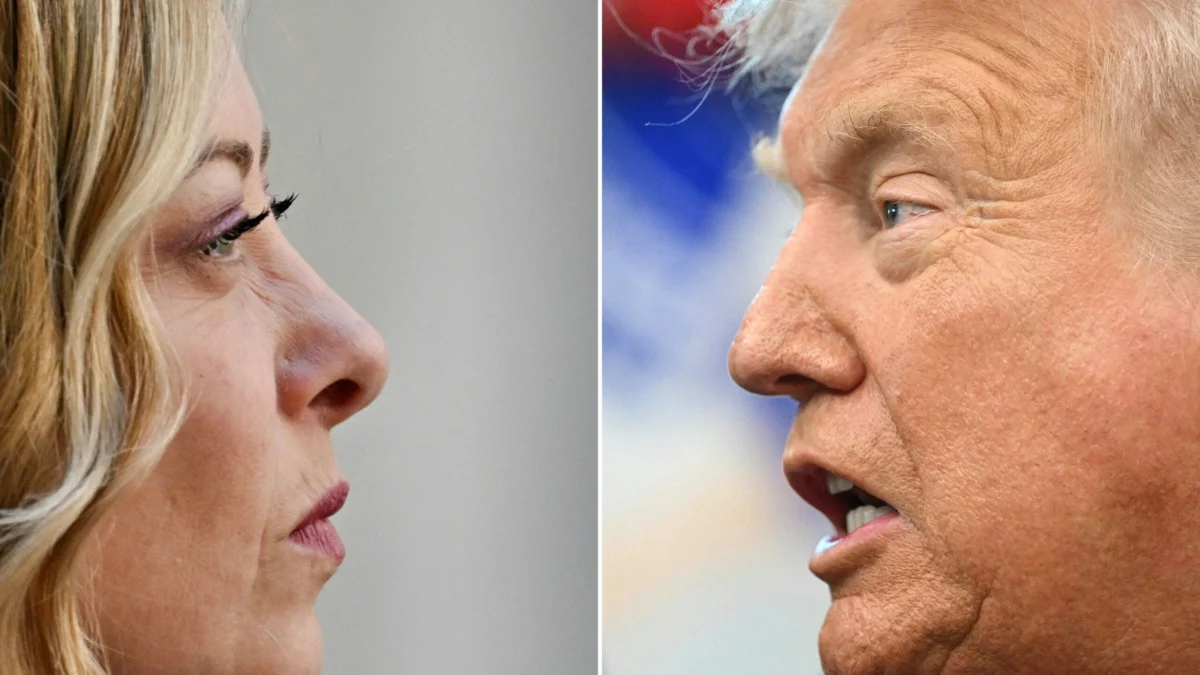
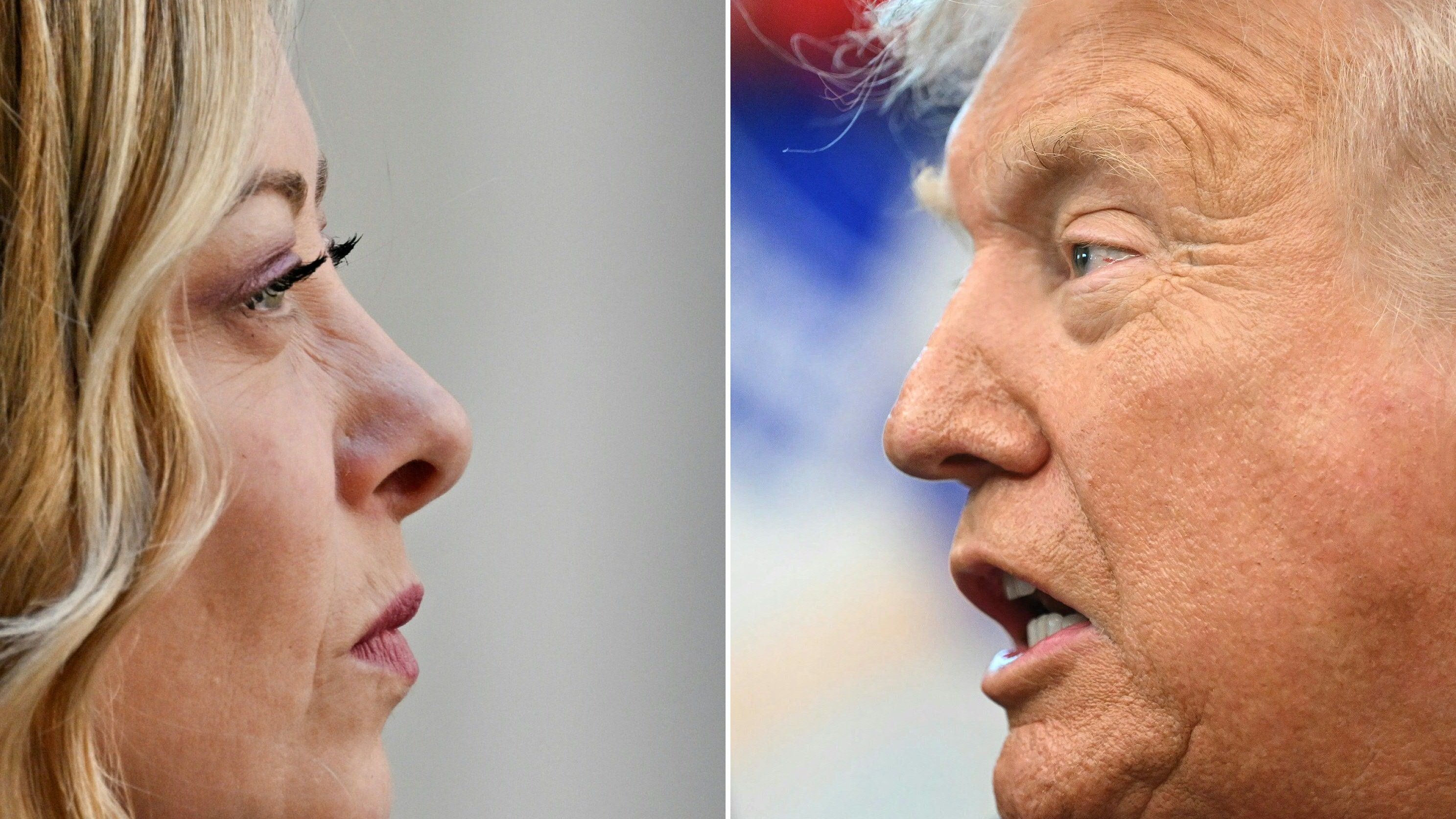
The most visible manifestation of this diplomatic tension is the deteriorating relationship between U.S. President Donald Trump and Italian Prime Minister Giorgia Meloni. What began as a seemingly trivial disagreement over a photograph has spiraled into a full-blown diplomatic crisis.
The Origin of the Conflict
The dispute centers on a claim made by President Trump via his social media platform, Truth Social. Trump alleged that during the recent G7 summit, Prime Minister Meloni "begged" him for a photograph—a claim the Italian leader has vehemently denied, labeling it "completely fabricated."
The Rhetorical Escalation
The situation deteriorated further when Trump, known for his abrasive style, pivoted from the personal to the political. He publicly accused the Italian government of providing insufficient support for U.S.-led military operations against Iran. Trump remarked that Meloni was only seeking to "rebuild friendship" after the U.S. military intervention in order to "improve her poll numbers," concluding his post with a blunt "No thanks!!!"
Meloni’s retort was swift and sharp: "My popularity is none of your business," she stated, adding that the U.S. President would be better served focusing on his own domestic approval ratings.
Diplomatic Consequences
The fallout was immediate. Italian Foreign Minister Antonio Tajani announced the cancellation of a high-level diplomatic visit to Washington, citing the "severe and offensive" nature of the U.S. President’s comments. This cancellation marks a significant cooling of ties between two nations that have historically maintained a robust strategic partnership.
II. Chronology of a Turbulent Week
The current state of affairs is not isolated to the Italian incident. The past seven days have seen a flurry of activity from the Trump administration, characterized by military, economic, and internal security developments.
- June 14: Reports surface of a thwarted plot to attack a mixed martial arts (UFC) event scheduled for President Trump’s 80th birthday. The FBI confirms the arrest of five men across Ohio, Missouri, Nebraska, and California.
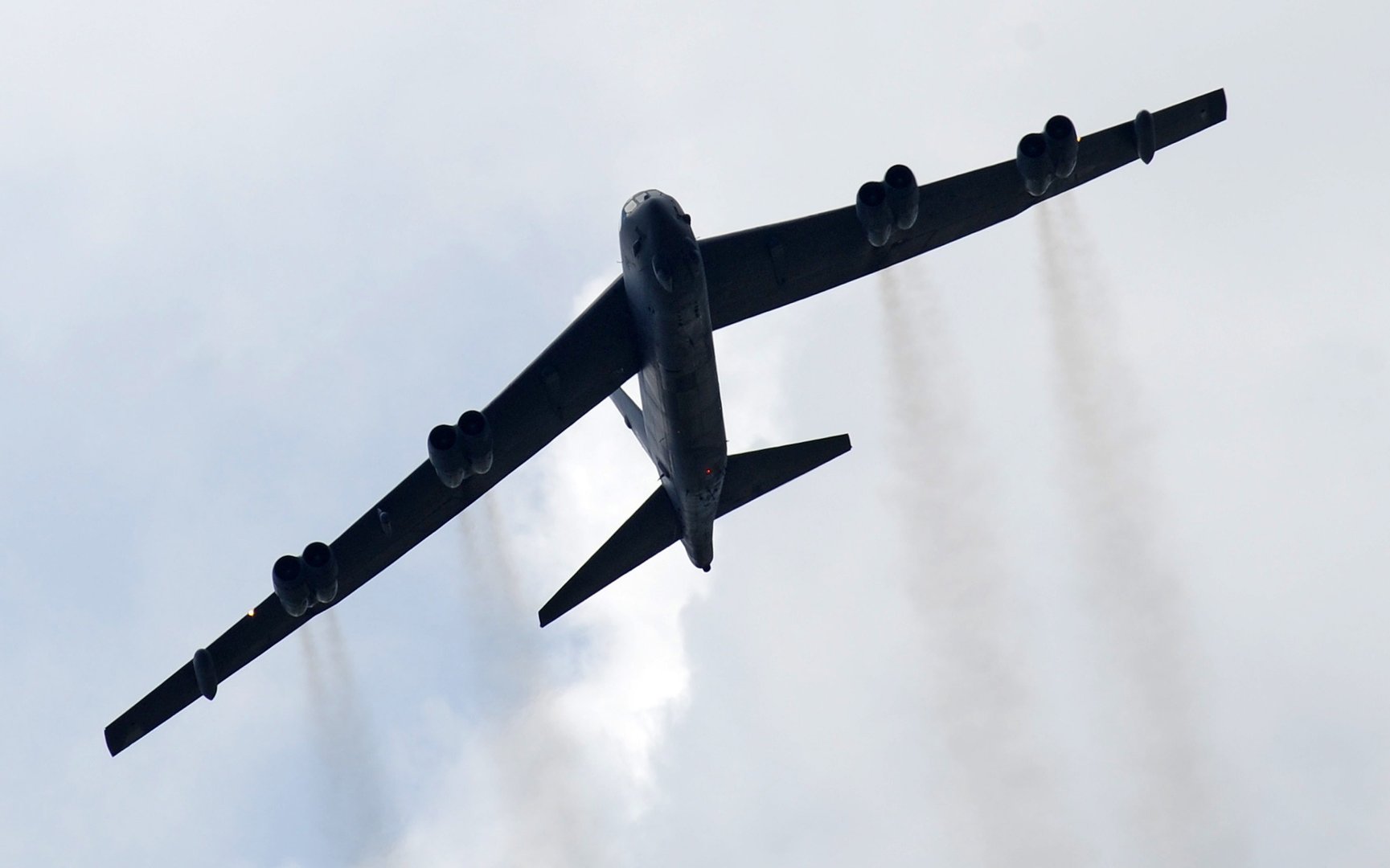
- June 15: A U.S. Air Force B-52 bomber crashes shortly after takeoff from Edwards Air Force Base in California, raising concerns about the state of aging military infrastructure.
- June 16: The U.S. government initiates a formal trade investigation into German pharmaceutical pricing, alleging discriminatory practices against innovative drugs.
- June 17: President Trump announces the killing of "Niño Guerrero," the leader of the Venezuelan criminal organization Tren de Aragua, in a U.S.-led operation.
- June 18: The Federal Reserve, under new Chair Kevin Warsh, maintains interest rates at 3.5–3.75%, drawing sharp criticism from President Trump, who labels the decision "a drag on the country."
- June 19: In a major cultural and political shift, the U.S. government unveils a new "Air Force One"—a Boeing 747 formerly belonging to the Emirate of Qatar, customized with the President’s chosen color scheme.
- June 20: A federal judge in Boston orders the restoration of information boards regarding climate change and slavery in National Parks, calling the administration’s removal of the material a dangerous act of censorship.
III. Supporting Data: The Shifting Political Landscape
The administration’s aggressive posture is mirrored by its shifting support base. Recent polling data from the Associated Press and the NORC Center for Public Affairs Research indicates a significant erosion of support among independent voters—a demographic that was instrumental in Trump’s 2024 election victory.
Declining Approval Ratings
Data suggests that among independent voters without a university degree, positive sentiment toward the President has plummeted. While roughly 48% expressed a favorable view during the early months of the term, that figure has declined to approximately 25% as of mid-2026. Analysts point to a combination of economic instability, frequent government shutdown threats, and a sense of "diplomatic exhaustion" as primary drivers for this decline.
Humanitarian Commitments
Contradicting the administration’s "America First" image, the White House recently announced an additional $1 billion in humanitarian aid to the United Nations, specifically targeting UNICEF and the World Food Programme. This adds to the $1.8 billion pledged last month and $2 billion last December. Observers suggest this may be an attempt to maintain leverage within international institutions while pursuing unilateral security policies elsewhere.

IV. Official Responses and Institutional Friction
The administration’s conduct has not gone unchallenged, either at home or abroad. The internal friction is particularly evident in the judiciary and the legislature.
Judicial Oversight and Censorship
Judge Angel Kelley’s ruling against the Department of the Interior in the National Parks case serves as a landmark moment for institutional pushback. By framing the removal of climate and slavery-related exhibits as a "dangerous precedent of censorship," the judiciary has placed itself on a collision course with the executive branch. The administration’s labeling of Judge Kelley as a "left-wing activist" signals a deepening divide between the White House and the federal bench.

The Newsom Allegations
In California, Governor Gavin Newsom has publicly accused the Department of Justice of launching a politically motivated investigation into his family. Newsom’s assertion that federal agents are harassing his relatives in retaliation for his opposition to the administration underscores the weaponization of federal agencies, a charge that continues to haunt the current political discourse.
V. Implications: A New Global Order?
The confluence of these events suggests a fundamental departure from the traditional U.S. role as a stabilizing global force.

The End of Traditional Alliances?
The spat with Italy, combined with the ongoing friction between President Trump and French President Emmanuel Macron—who are slated to meet at Versailles—signals that the G7 may be losing its function as a unified democratic bloc. When leaders of industrialized democracies engage in public "verbal brawls," the cohesion required to address systemic challenges like the war in Ukraine or the crisis in the Middle East is severely compromised.
Security and Economic Sovereignty
The administration’s decision to move toward the "Air Force One" model gifted by Qatar, the increased use of military force in international waters against alleged drug smugglers, and the trade investigation into German medicine prices suggest a transition toward a transactional, and often confrontational, foreign policy. By treating allies as potential economic rivals and using military force with minimal regard for international law, the current administration is effectively rewriting the rules of global engagement.

Domestic Stability
Internally, the U.S. faces a volatile mix of economic uncertainty and social polarization. The thwarted plot at the President’s birthday event and the subsequent focus on the UFC as a vehicle for "sports diplomacy" reveal a White House that is increasingly prioritizing populist engagement over traditional institutional governance.
Conclusion
As the world watches the unfolding drama in Washington, the broader implications remain clear: the United States is in the midst of a profound identity crisis. Whether this period will be remembered as a necessary realignment of American priorities or as a reckless abandonment of the post-WWII international order remains the central question of our time. For now, the global community must brace for a period of heightened uncertainty, where the traditional diplomatic playbook has been discarded in favor of unpredictable, and often combative, unilateralism.

This report reflects developments as of June 21, 2026. Further analysis on the G7 summit outcomes and the status of the trade investigation into German pharmaceutical prices will follow in subsequent updates.