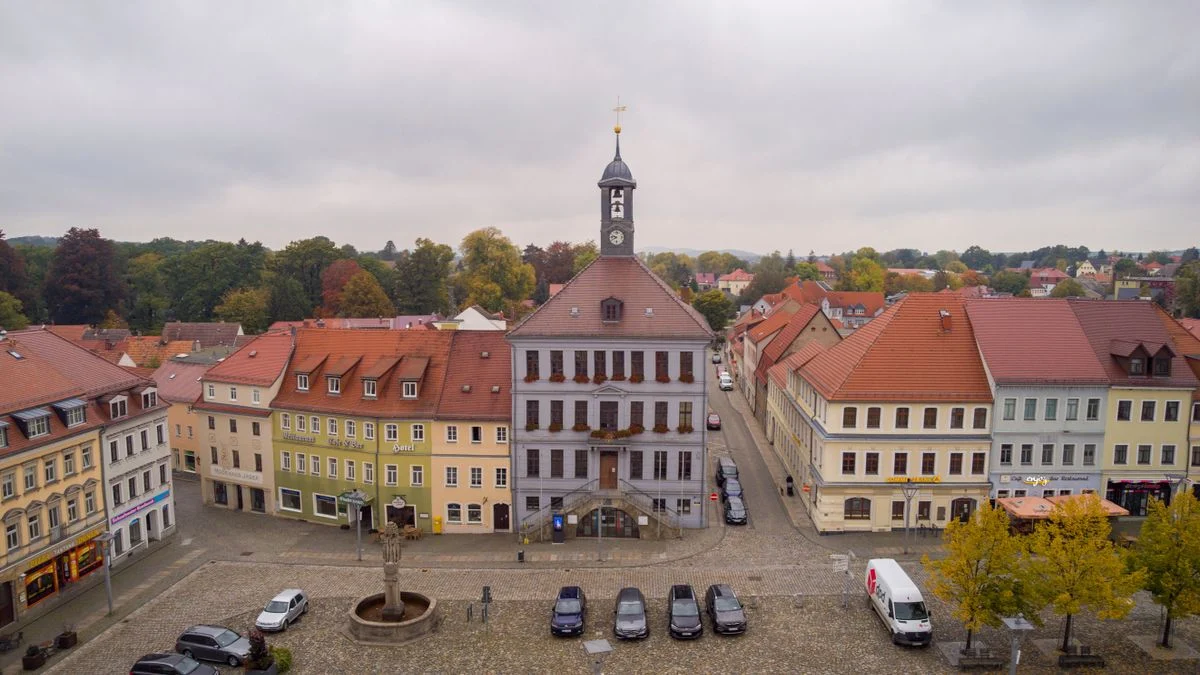
Introduction: A Breach of Public Order
In a startling incident that has rippled through the quiet municipality of Bischofswerda in the Bautzen district, local authorities are currently investigating an alleged attempt to desecrate and steal the national flag of Germany from the town hall. The event, which occurred on a Thursday morning, has transcended a simple case of larceny, evolving into a multi-faceted criminal inquiry involving allegations of physical assault and the utterance of verfassungsfeindlich (unconstitutional) slogans.
The incident serves as a stark reminder of the simmering tensions surrounding national symbols and political discourse in contemporary Germany. As law enforcement agencies, including the specialized state security services (Staatsschutz), delve into the motivations of the suspect, the local community remains in a state of unease, grappling with the implications of such a brazen public act.
Chronology of Events: Thursday Morning Unfolds
According to official reports released by the Saxony Police, the incident began during the early hours of Thursday morning. The suspect, identified as a 66-year-old local resident, allegedly approached the Bischofswerda Town Hall with the specific intent of removing the German national flag from its mast.
The Confrontation
The attempt did not go unnoticed. A vigilant bystander, observing the suspicious behavior from a nearby vantage point, intervened as the perpetrator began to forcefully tear the flag from its display. The encounter quickly escalated when the 66-year-old suspect allegedly launched a physical assault against the witness.
Fortunately, the intervention of the bystander prevented the flag from being successfully removed or destroyed. Despite the physical aggression displayed by the suspect, the witness remained unharmed. The swift reaction of the witness proved crucial, as it halted the desecration and provided law enforcement with a clear account of the perpetrator’s actions.
Police Intervention
Following the altercation, local law enforcement arrived at the scene to secure the area and apprehend the suspect. The initial questioning suggested that the act was not merely an impulsive moment of petty theft, but was accompanied by the vocalization of slogans that are explicitly prohibited under German law. The suspect was subsequently taken into custody as part of the initial investigation phase.
Supporting Data and Legal Framework
The charges brought against the 66-year-old are severe and reflect the gravity with which the German legal system views offenses against the constitutional order. The investigation is currently spearheaded by the Staatsschutz—the division of the German police force dedicated exclusively to investigating politically motivated crimes, including extremism, terrorism, and threats to the democratic constitutional state.
The Legal Charges
The investigation is centered on three distinct criminal categories:
- Attempted Theft: The physical act of attempting to remove public property from the town hall.
- Physical Assault: The reported attack on the bystander who attempted to stop the theft.
- Use of Unconstitutional Symbols and Slogans: The most serious aspect of the investigation involves the alleged use of identifiers or slogans associated with organizations deemed unconstitutional or terrorist in nature. Under Section 86a of the German Criminal Code (Strafgesetzbuch), the use of symbols or slogans of such organizations is a strictly prohibited criminal offense, punishable by fines or imprisonment.
Official Responses and Investigative Focus
The Bischofswerda municipal administration has maintained a stance of cooperation with state authorities. While the town hall itself continues its daily operations, the incident has prompted a review of security measures regarding public property.
The Role of the Staatsschutz
The involvement of the Staatsschutz is a clear indicator that authorities are treating this incident as a potential instance of extremist activity rather than a random act of vandalism. Investigators are currently working to determine whether the suspect is affiliated with any specific extremist groups or if the act was a lone-wolf expression of radicalization.
"The motivation remains the primary focus of our ongoing inquiry," a police spokesperson stated during a press briefing. "We are meticulously reviewing witness statements, potential surveillance footage from the vicinity, and the nature of the slogans reported."
Implications: The Symbolism of the National Flag
The attempted theft of the German flag carries significant symbolic weight. In the context of modern German history, the national flag is often a lightning rod for varying political ideologies. For the mainstream public, it represents the stability and democratic values of the Federal Republic. However, for extremist fringes—both on the far-left and far-right—the flag is frequently repurposed, either as an object of hatred or as a symbol to be "reclaimed" for anti-democratic agendas.
Public Discourse and Community Safety
The residents of Bischofswerda have expressed shock at the occurrence. For a town of this size, such a direct confrontation at the seat of local government is highly unusual. The incident has reignited local conversations regarding the safety of public spaces and the increasing polarization of political discourse in the Saxony region.
Analysts suggest that the rise of such incidents—where public symbols are targeted—often mirrors broader societal fractures. When the "symbolic landscape" of a town becomes a battlefield, it suggests that the underlying social consensus is under strain. The fact that a private citizen felt compelled to intervene highlights both the courage of the individual and the vulnerability of public infrastructure in the face of radicalization.
Analyzing the Motivations of the Elderly Demographic
The age of the suspect—66 years old—has sparked sociological interest among regional observers. While extremist incidents are often stereotypically associated with younger, more radicalized cohorts, the involvement of senior citizens in political violence is a phenomenon that has seen a documented increase in recent years across Europe.
Researchers into radicalization suggest that the disillusionment of older generations, often fueled by rapid cultural change, economic uncertainty, or the proliferation of radical content through digital echo chambers, can lead to sudden, high-profile acts of defiance. Whether the suspect in Bischofswerda was influenced by such factors is a key question for the psychological assessment phase of the investigation.
Conclusion: Looking Ahead
As the investigation into the Bischofswerda incident continues, the public awaits further clarity on the suspect’s background and the specific slogans used during the altercation. The case stands as a reminder that the defense of democracy and the rule of law is not merely the responsibility of the state, but also relies on the vigilance of the citizenry.
The authorities have urged anyone who may have witnessed the incident or who possesses additional information to come forward. For now, the town hall remains a site of investigation, and the flag continues to fly, serving as a silent witness to the struggle between those who would tear down the symbols of the state and those who stand to protect them.
The outcome of this case will likely serve as a precedent for how future incidents of public desecration and politically motivated aggression are handled in the Bautzen district. As the Staatsschutz continues its work, the people of Bischofswerda remain focused on the preservation of their local peace and the rejection of extremist tactics that threaten the integrity of their community.