Date: May 11, 2026
Reported by: Business & Finance Desk
The German economy, long considered the industrial engine of Europe, is currently grappling with a severe structural crisis. According to a new study from the Munich-based ifo Institute, approximately eight percent of German companies—one in every twelve—are now fearing for their very existence. This figure represents a historical peak, signaling deep-seated instabilities across multiple sectors. As geopolitical tensions escalate, domestic demand wanes, and administrative burdens mount, the nation faces a daunting challenge to prevent a widespread wave of business closures.
The Landscape of Existential Risk: Key Facts
The ifo Institute’s latest survey highlights a precarious reality for German commerce. While the average rate of companies at risk stands at eight percent, the distribution is uneven and particularly devastating in specific sectors.
- Hospitality in Crisis: The restaurant and hotel industry is the most severely affected, with nearly 20 percent of businesses reporting existential threats.
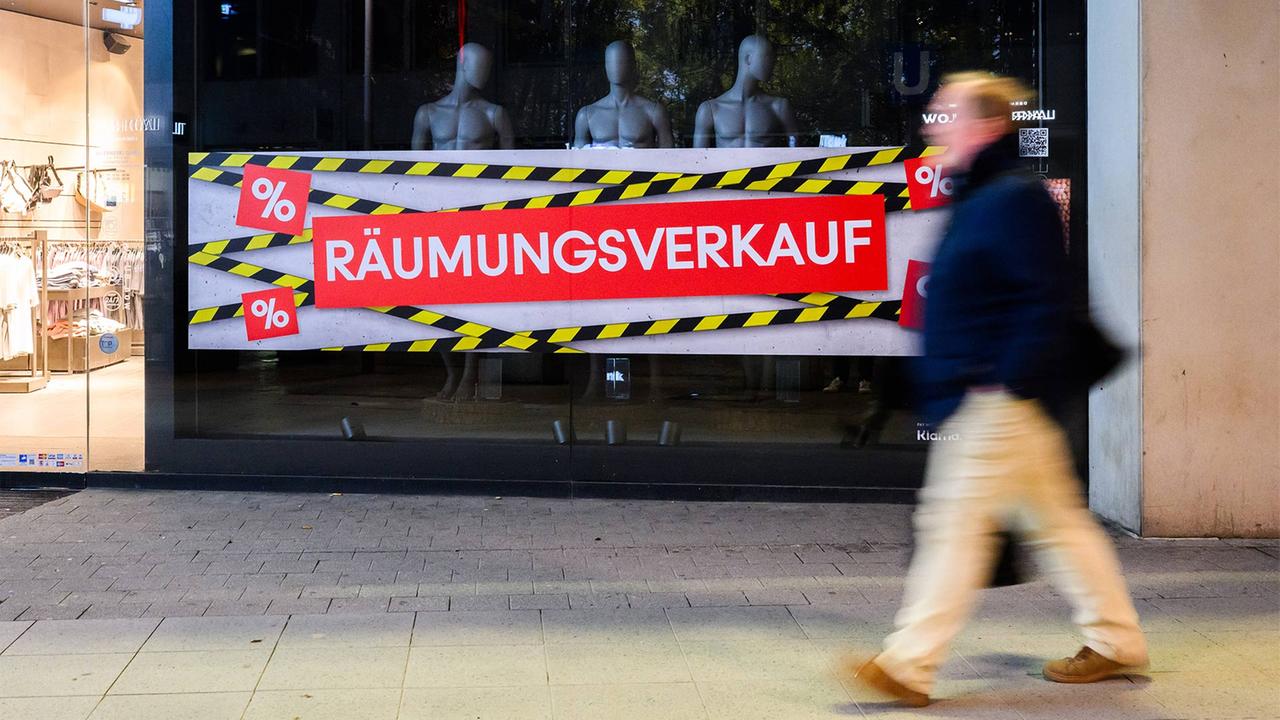
- The Retail Struggle: Approximately 17 percent of retailers are questioning their long-term viability, citing a toxic combination of consumer restraint and intense competition from global e-commerce and discount giants.
- Creative and Research Sectors: Advertising and market research firms are also reporting significantly higher-than-average insolvency risks, suggesting a decline in corporate investment and innovation spending.
The primary drivers of this crisis are multifaceted. Businesses across the board are struggling with a "triple threat": plummeting order volumes, exorbitant energy and operational costs, and the suffocating weight of domestic bureaucracy. Furthermore, a domino effect has begun to emerge: as consumer spending dries up, businesses face liquidity shortages, leading to unpaid invoices and subsequent chain-reaction insolvencies among suppliers and service providers.
Chronology of the Economic Deterioration
The current climate of uncertainty did not emerge overnight. It is the result of a long-simmering accumulation of global and domestic pressures.
- Late 2025: Initial signs of a slowdown appear as energy prices remain persistently high, forcing energy-intensive manufacturing sectors to scale back production.
- Q1 2026: Geopolitical tensions involving the Middle East escalate, leading to global supply chain volatility and a sharp increase in uncertainty regarding energy imports.
- April 2026: Consumer sentiment reaches a nadir. High inflation, combined with stagnant real wages, forces households to prioritize essentials, leaving retail and luxury sectors in a tailspin.
- May 2026: The ifo Institute releases its report, confirming that the "existential fear" among business owners has reached a record high, prompting emergency discussions in political and economic circles.
Supporting Data: The Anatomy of a Recession
The data provided by the ifo Institute acts as a barometer for the health of the German Mittelstand (the backbone of the economy). When 17 to 20 percent of businesses in key sectors report they are no longer certain of their future, it indicates a structural rather than a cyclical issue.
The "Liquidity Trap" is a recurring theme in the report. Because many firms operate on thin margins, a reduction in incoming orders of even 10-15 percent can render a business unable to service its debt. The survey notes that "if customers break away or cancel orders, it hits suppliers and service providers with full force." This creates a multiplier effect: one insolvent major retail chain or industrial manufacturer can drag dozens of smaller, healthy businesses into the abyss with them.
Furthermore, international competition has intensified. As German firms struggle with domestic energy costs that remain significantly higher than those of their Asian and North American counterparts, their export competitiveness has eroded. The shift toward low-cost, high-efficiency competitors from Asia has turned a "difficult period" into a "permanent disadvantage" for many German manufacturers.
Official Responses and Expert Analysis
Klaus Wohlrabe, head of ifo surveys, provides a grim outlook: "The economic situation remains tense. Insolvency figures are likely to remain at a high level in the coming months against the backdrop of geopolitical uncertainty."
Wohlrabe’s assessment is echoed by academics who focus on corporate restructuring. Henning Werner, a professor at the EBS University in Oestrich-Winkel, suggests that while the economic climate is objectively harsh, human error plays a significant role in the failure of these firms.
"Many companies react too late," Werner notes. "They wait until the crisis is already at their doorstep before they consider structural changes. Many insolvencies could be avoided if the responsible management teams had engaged with these issues more proactively and consistently."
The consensus among analysts is that the "wait and see" approach—common in stable economic times—is currently a recipe for disaster. Experts are calling for a more radical shift in business strategy, including aggressive digital transformation, supply chain diversification, and a leaner approach to fixed costs.
Geopolitical Implications: The DAX and Global Conflict
The crisis is not occurring in a vacuum. The broader financial market, represented by the DAX, has seen significant volatility due to the ongoing US-Iran conflict.
Following the rejection of a potential peace proposal by US President Donald Trump, market sentiment has soured. Investors are wary of the potential for a wider conflict that could further disrupt global trade routes and oil supplies. Jochen Stanzl, Chief Analyst at Consorsbank, explains the current market malaise: "It remains unclear how the maximum demands existing on both sides can be brought to a common denominator. This uncertainty is poison for the stock markets."
This international instability acts as a force multiplier for domestic issues. When the global market is volatile, capital flight to safer assets occurs, and the cost of capital for German firms rises, making it even harder for struggling businesses to secure the bridge loans necessary to survive the current downturn.
Conclusion: The Path Forward
Germany stands at a crossroads. The current insolvency crisis is a symptom of a broader, deeper misalignment between Germany’s traditional industrial model and the realities of the mid-2020s.
To mitigate the damage, three pillars of action are required:
- Bureaucratic Reform: Streamlining the regulatory environment to allow businesses to adapt more quickly to market shifts.
- Strategic Energy Policy: Addressing the structural disadvantage of high energy costs to keep the manufacturing sector viable.
- Proactive Management: Encouraging a culture of early crisis detection and restructuring within the German corporate sector, moving away from the reactive nature that has led to the current wave of failures.
While the data from the ifo Institute is undoubtedly sobering, it also serves as a necessary wake-up call. The survival of the German economy depends not only on the mitigation of external geopolitical shocks but on the internal agility of its businesses. The next several months will be critical in determining whether this record-high level of insolvency becomes a permanent feature of the German economy or a painful, yet temporary, correction.