

By Editorial Staff
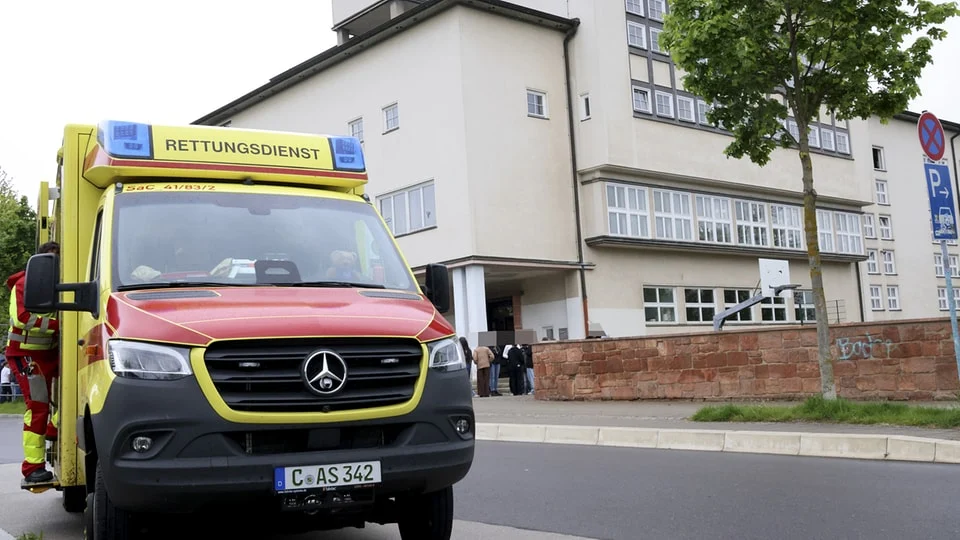
The quiet district of Gablenz in Chemnitz, Saxony, was thrown into a state of emergency this past Tuesday when a routine school day turned into a major hazardous materials operation. Following an extensive investigation by local law enforcement, new details have emerged regarding the incident at the Diesterweg-Oberschule, where an unknown substance caused widespread physical distress among students and staff, triggering a massive emergency response.
Main Facts: A Targeted Act of Recklessness
According to the latest updates provided by the Chemnitz Police Department, investigators have identified at least two primary suspects in connection with the dispersal of an irritant gas on school grounds. Both suspects are 15-year-old students currently enrolled at the institution.
Authorities confirmed that during the subsequent sweep of the building, a discarded, empty irritant spray canister was recovered from a restroom—the suspected site of the initial release. The incident has been officially classified as a criminal matter, with police pursuing charges of dangerous bodily harm. The rapid escalation of the situation necessitated a "Chemical, Biological, Radiological, and Nuclear" (CBRN) response, a designation reserved for incidents involving potentially hazardous substances that require specialized containment and decontamination procedures.
Chronology of the Emergency
The sequence of events began on Tuesday morning, transforming the Diesterweg-Oberschule from a place of learning into an active disaster zone.
Tuesday Morning: The Alarm
The incident began shortly before midday. Reports indicate that students and staff in the vicinity of a school restroom began experiencing sudden, intense physical symptoms. Within minutes, the alarm was raised, and the school administration initiated evacuation protocols.
The Emergency Response
By mid-morning, a significant contingent of emergency services had arrived on the scene. The response was coordinated with surgical precision: fire departments, specialized CBRN units, local police, and a fleet of ambulances surrounded the school. The primary objective was to triage the affected individuals and contain the spread of the irritant, which was reportedly circulating through the school’s ventilation system or drifting through hallways.
The Immediate Aftermath
Medical personnel on-site were tasked with assessing 55 individuals who reported varying degrees of irritation to their eyes and respiratory tracts. Of those affected, 47 students and two teachers required direct on-site medical attention. The severity of the reactions necessitated the transport of eight students—aged between 12 and 15—to local hospitals for further observation and treatment.
Supporting Data and Medical Impact
The scale of the incident highlights the volatility of chemical irritants when used in enclosed public spaces.
- Total Affected Individuals: 55
- Students Hospitalized: 8 (Aged 12–15)
- Medical Treatment Provided: 47 students and 2 staff members received emergency care on-site for eye and respiratory tract irritation.
- Evidence Secured: One empty irritant spray canister.
The medical symptoms reported—severe stinging in the eyes, coughing, difficulty breathing, and throat irritation—are consistent with the use of pepper spray or high-concentration tear gas. While most victims were treated and released, the hospitalization of eight minors underscores the danger posed by such substances, especially when dispersed in an environment with high population density and limited egress.
Official Responses and Legal Proceedings
The Chemnitz Police Department, acting in concert with the Saxony State Police, has maintained a firm stance on the gravity of the situation. "This is not a prank; this is a criminal offense that put dozens of children at risk," stated a spokesperson during the Wednesday press briefing.
Ongoing Investigations
The investigation is currently focused on the two 15-year-old suspects. Authorities are examining the provenance of the spray canister and attempting to establish a motive. Investigators are currently reviewing CCTV footage from the school hallways and conducting interviews with witnesses, including students who may have been in the restroom area at the time of the incident.
Under German law, the charge of gefährliche Körperverletzung (dangerous bodily harm) is a serious criminal offense. Given the age of the suspects, the legal process will involve juvenile court procedures, which prioritize rehabilitation while acknowledging the severe harm caused to the victims.
School Administration and Local Authorities
The leadership of the Diesterweg-Oberschule has been working closely with local educational authorities to ensure the safety of the student body. In the wake of the incident, the school implemented additional security measures and counseling services to assist those traumatized by the event. There has been no official statement yet regarding whether the school will remain closed for an extended period, but parents have been informed that security protocols are being strictly reviewed.
Implications: The Broader Context of School Safety
The incident in Gablenz has sparked a wider conversation in Saxony regarding safety in educational institutions and the accessibility of dangerous irritants to minors.
The Problem of "Irritant Accessibility"
While pepper sprays are often legally sold in Germany for self-defense, their use in schools is strictly prohibited. The ease with which such items can be obtained remains a point of contention among safety advocates. Critics argue that the ubiquity of these devices, combined with a lack of awareness among teenagers regarding their long-term health effects, creates a dangerous environment.
Psychological and Social Impact
Beyond the immediate physical injuries, the incident has left a lasting impact on the school community. For many of the students involved, the trauma of the evacuation and the fear induced by the chemical exposure will likely require psychological support. Educators note that such incidents disrupt the educational environment and erode the sense of safety that is foundational to the classroom experience.
Prevention and Future Policy
In response to the incident, local lawmakers in Chemnitz have called for a reassessment of security protocols in regional schools. This includes:
- Stricter Search Policies: Enhanced protocols for identifying prohibited items in student possession.
- Safety Awareness Programs: Implementing workshops that educate students on the legal and physical consequences of misusing chemical substances.
- Communication Strategies: Improving the speed and accuracy of communication between school administrations and emergency services during crises.
Conclusion: A Community in Recovery
As the investigation into the Diesterweg-Oberschule incident continues, the focus remains on the recovery of the affected students and the legal accountability of the perpetrators. While the physical injuries are expected to heal, the incident serves as a stark reminder of the fragile nature of school security.
The Chemnitz authorities have vowed to see the investigation through to its conclusion, signaling that acts of violence within schools—regardless of the intent—will be met with the full force of the law. For the residents of the Gablenz district, the focus now shifts toward ensuring that such a disruptive and dangerous event is not repeated, as they work to restore a sense of normalcy and safety to the lives of their children.
This report is based on information provided by the Chemnitz Police and regional news reports as of Wednesday. Further updates will be provided as the legal proceedings progress.




















Leave a Reply