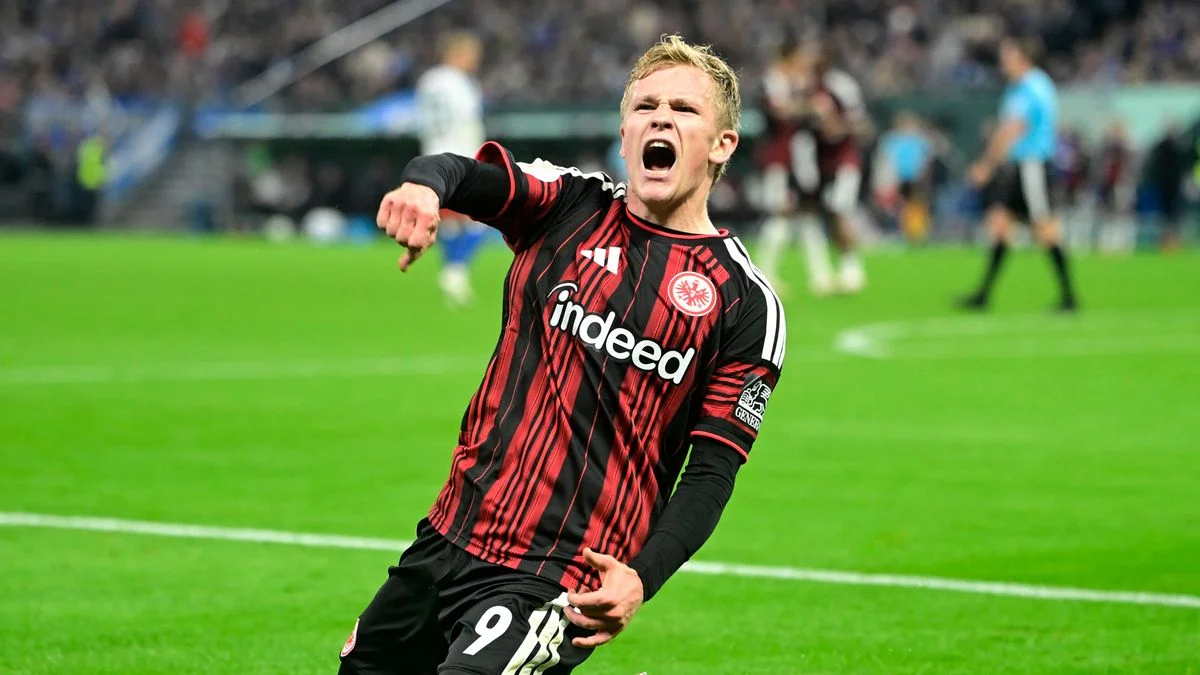
Dortmund, Germany – October 28, 2026. In a quintessential night of DFB-Pokal football, Borussia Dortmund (BVB) managed to snatch a dramatic victory from the jaws of a stalemate, defeating a resilient Werder Bremen side in the dying seconds of the match. The encounter, which served as a masterclass in tactical discipline and emotional endurance, saw the Westphalian giants narrowly avoid the lottery of a penalty shootout, thanks to a decisive strike by Marcel Sabitzer.
For Werder Bremen, the defeat was a bitter pill to swallow, particularly given the Herculean efforts of former BVB talisman Niclas Füllkrug, who returned to his old stomping ground to orchestrate a game plan that nearly silenced the Yellow Wall.
The Core Narrative: A Night of High Stakes
The atmosphere inside the Signal Iduna Park was electric, as is customary for mid-week cup ties under the floodlights. Borussia Dortmund, looking to assert their dominance on the domestic front, entered the match as clear favorites. However, cup football has a storied history of humbling giants, and Werder Bremen arrived with a clearly defined blueprint: absorb pressure, maintain a compact defensive shape, and utilize the clinical target-man capabilities of Füllkrug to transition quickly into the final third.
For eighty-nine minutes, the plan worked to perfection. Dortmund controlled the lion’s share of possession, probing the Bremen defense with intricate passing sequences and darting runs from their creative midfielders. Yet, the final ball—the decisive element—remained elusive. It was not until the final moments of injury time that the deadlock was broken, providing the catharsis that defines the unique allure of the DFB-Pokal.
Chronology of the Clash: From Stalemate to Stunner
The First Half: A Tactical Chess Match
The opening whistle saw Dortmund immediately press high, forcing Bremen into their own half. The visitors, however, remained disciplined. The defensive line, anchored by a veteran back-three, operated in perfect unison, closing down spaces for Dortmund’s attacking quartet.
Dortmund’s early efforts were largely restricted to long-range attempts, as the Bremen goalkeeper was rarely forced into high-stakes action. Niclas Füllkrug served as the fulcrum for Bremen, holding up the ball with his back to the goal and winning crucial fouls to relieve the pressure on his side. As the halftime whistle blew, the score remained 0-0, setting the stage for a tense second half.
The Second Half: The Turning Point
Following the interval, the intensity surged. Dortmund introduced fresh legs, looking to increase the tempo of their wing-play. The match opened up, with both sides trading half-chances. Füllkrug continued to be the protagonist, threading dangerous passes into the channels that forced the Dortmund center-backs into desperate clearances.
As the 80th minute passed, the tension in the stadium was palpable. The home crowd began to grow restless, a sentiment that usually signals either a breakthrough or a defensive lapse. With both managers using their full complement of substitutions, the final ten minutes became a chaotic end-to-end affair.
The Final Act: Sabitzer’s Heroics
Just as the fourth official signaled three minutes of stoppage time, Dortmund launched one final, desperate assault. A chaotic scramble in the Bremen penalty area saw the ball ping-ponging between defenders and attackers. As the Bremen defense looked to clear, Marcel Sabitzer—positioned at the edge of the box—pounced on the loose ball. With a clinical, low-driven strike, he bypassed a forest of legs and found the bottom corner of the net. The referee blew the final whistle shortly after the restart, confirming Dortmund’s progression to the next round.
Supporting Data and Tactical Analysis
Statistically, the game painted a picture of dominance for the home side, yet it highlighted the ongoing challenges faced by Dortmund when breaking down "low-block" defenses.
- Possession: Dortmund held 68% of the ball compared to Bremen’s 32%.
- Shots on Goal: Dortmund registered 22 attempts, with 7 on target. Bremen managed 6 attempts, with 3 forcing saves from the Dortmund keeper.
- Pass Accuracy: Dortmund maintained a 91% pass completion rate, reflecting their control of the midfield.
- Aerial Duels: Niclas Füllkrug dominated the aerial statistics, winning 85% of his duels, proving his continued value as a traditional number nine.
Tactically, the match was a study in transition. Dortmund’s struggle to penetrate the central channels forced them to rely on wide areas, which Bremen exploited by doubling up on the fullbacks. The eventual winner, however, came from a secondary phase of play—a testament to Dortmund’s persistence in "second ball" recovery.
Official Responses and Post-Match Reactions
In the post-match press conference, the Dortmund manager lauded his team’s refusal to panic. "We knew it would be a grind," he stated. "Werder is a team that thrives on organization. To keep pushing until the 94th minute shows the mentality of this group. Sabitzer’s goal was a product of that collective will."
On the other side of the tunnel, the atmosphere was one of profound disappointment mixed with pride. The Bremen head coach expressed his frustration with the late concession but praised his squad’s commitment. "We had the game where we wanted it. To lose in the final seconds is devastating, especially when the boys played with such discipline. Niclas [Füllkrug] was immense today; he gave us exactly what we needed to stay in the hunt."
Niclas Füllkrug, in a brief flash interview, remained gracious: "It’s always special to play here. We wanted to make it difficult for them, and for a long time, we succeeded. Football is decided by small margins, and today those margins favored Dortmund."
Implications: What Lies Ahead?
For Borussia Dortmund, this victory is more than just a progression in the cup; it is a morale booster that confirms their ability to win "ugly." As the season progresses, such narrow victories often serve as the foundation for championship runs. The squad will now turn its attention to the upcoming Bundesliga fixtures, looking to carry the momentum from this dramatic cup night into their league campaign.
For Werder Bremen, the focus shifts entirely to the Bundesliga. While the cup exit hurts, the performance against a top-tier opponent will provide the team with a psychological blueprint for their future league matches. If they can replicate the defensive cohesion shown in Dortmund, they will undoubtedly climb the table in the coming months.
The DFB-Pokal Path
As the tournament moves into the next phase, the question remains: which team will emerge as the true challenger for the trophy? With the field narrowing, the intensity of each fixture is set to increase. Dortmund’s ability to survive this scare will surely serve as a warning to their future opponents: no matter how long the game lasts, the threat from the Signal Iduna Park remains until the final whistle blows.
The fans, who braved the late-night kickoff and the chilling temperatures, were treated to a spectacle that underscores why the DFB-Pokal remains the soul of German football. It is in these moments—the last-minute goals, the heroic defensive stands, and the raw emotion of the final whistle—that the narrative of the season is truly written. As the lights dimmed in Dortmund, one thing was certain: the journey for the DFB-Pokal is far from over, and if this match was any indication, the best is yet to come.