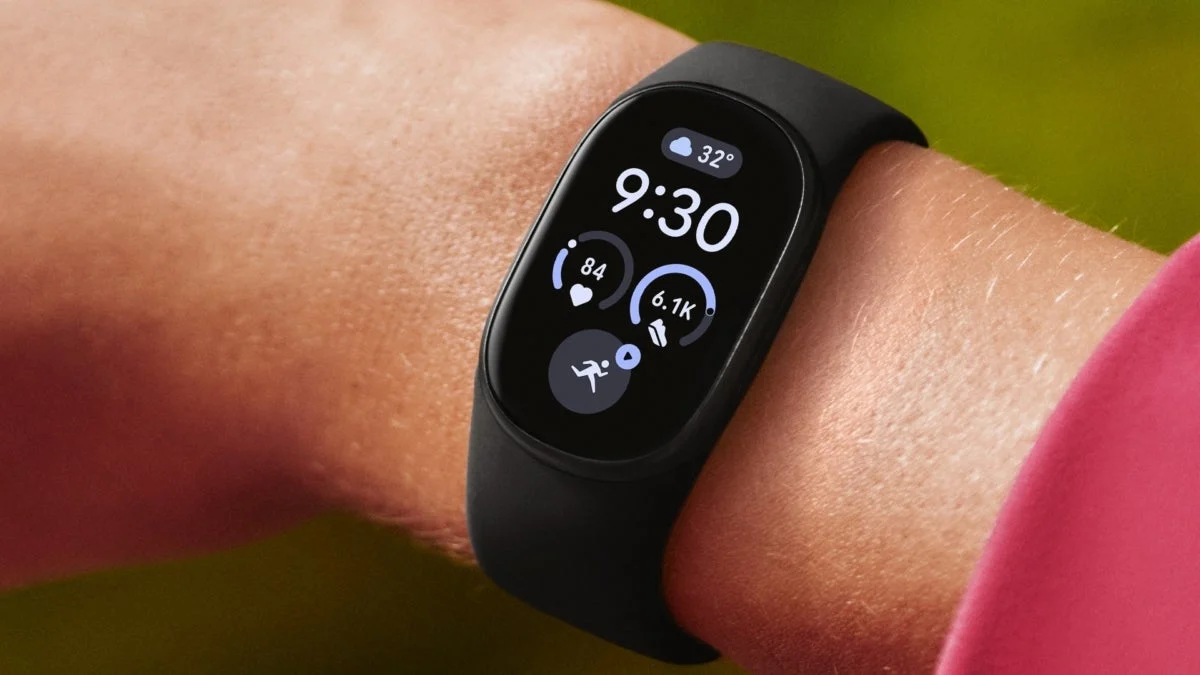
In a move that underscores its deepening commitment to the integration of hardware and health-centric AI, Google has officially launched the Fitbit Edge. Positioned as a versatile middle ground between the feature-dense Pixel Watch 5 and the minimalist, coach-focused Fitbit Air, the Edge represents a significant evolution in Google’s wearable portfolio. By combining a robust health-tracking suite with a week-long battery life and a refined, user-centric interface, Google is clearly aiming to capture a broader demographic—ranging from casual fitness enthusiasts to data-hungry biohackers.
Main Facts: The Hardware and Feature Set
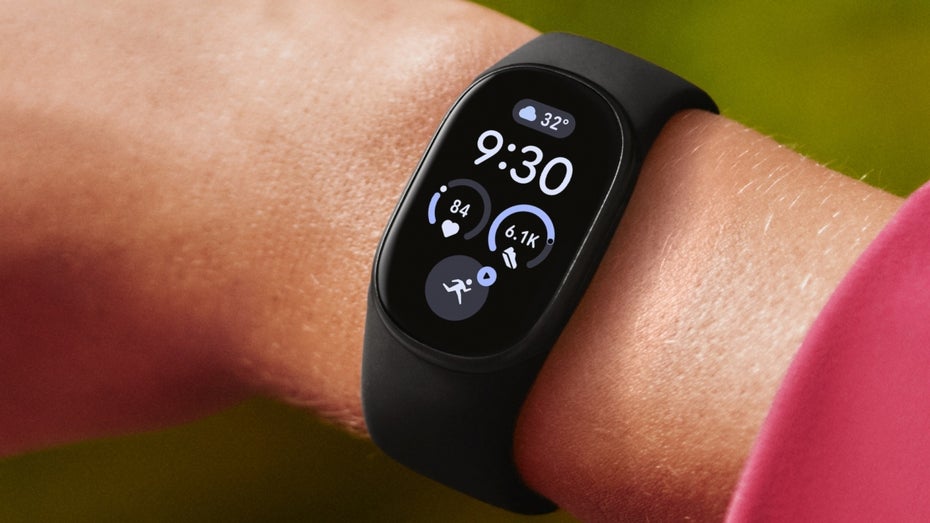
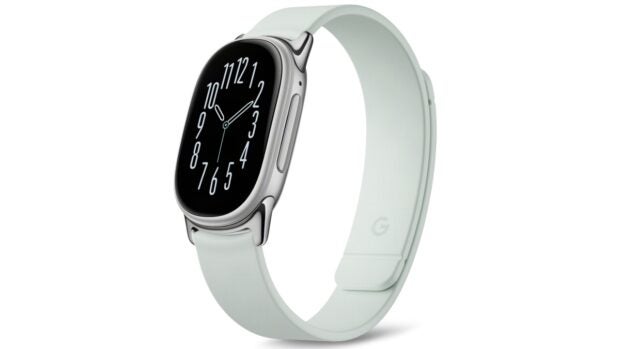
The Fitbit Edge is built around a sleek, recycled aluminum chassis that emphasizes both sustainability and durability. Its most striking feature, beyond the aesthetic shift, is the introduction of a new physical side button. Unlike previous iterations, this button provides nuanced haptic feedback, a design choice intended to make navigation during intense physical activity more tactile and reliable.
The device boasts a high-fidelity hybrid OLED display, which serves as the canvas for a completely overhauled user interface. Moving away from the static lists of older trackers, the Edge utilizes a widget-based system. Users can now access health metrics—such as sleep scores, heart rate variability, and weather updates—via customizable tiles, bringing a "glanceable" efficiency to the wearable experience that mirrors the functionality of a full-fledged smartwatch.
Perhaps the most compelling argument for the Fitbit Edge is its battery architecture. In an era where most premium smartwatches struggle to last 24 to 48 hours, the Edge claims a full week of autonomy on a single charge. Furthermore, Google has introduced a rapid-charging protocol: a five-minute charge provides enough power to get a user through an entire day. Perhaps most notably, in a nod to modularity and longevity, the battery itself is user-replaceable—a rare feature in the modern wearable market that significantly extends the product’s lifecycle.
Chronology: From Concept to Market Availability
The journey of the Fitbit Edge is emblematic of Google’s accelerated development cycle. Following the release of the Pixel Watch 5 and the AI-driven Fitbit Air earlier this year, the Edge serves as the "missing link" in the company’s 2026 hardware roadmap.
- October 13, 2026: The official announcement and initial unveiling of the Fitbit Edge, sparking immediate interest due to its blend of high-end health sensors and mid-range pricing.
- Late October 2026: Pre-orders opened through the Google Store and authorized retail partners, accompanied by the announcement of the Stephen Curry Special Edition.
- October 27, 2026: The device officially hit store shelves, marking the start of its global rollout.
- Post-Launch Period: Ongoing software updates have continued to refine the integration between the device’s sensors and the Google Health ecosystem, solidifying its role as a core component of the brand’s health tracking vision.
Supporting Data: Precision and Performance
Google has placed significant emphasis on the tracking capabilities of the Edge, promising a 40 percent improvement in GPS accuracy compared to its predecessors. This upgrade is critical for runners and hikers who rely on the device without the tether of a smartphone. The integration of an advanced altimeter further allows the device to capture elevation data during hill sprints, trail running, or high-intensity stair training.
The sensor array is equally impressive, covering a comprehensive spectrum of biological data:
- Cardiovascular Monitoring: The device offers continuous heart rate tracking, including alerts for high or low heart rate anomalies.
- Clinical-Grade EKG: Users can initiate an electrocardiogram directly from their wrist, providing immediate insights into heart rhythm.
- Metabolic and Systemic Health: The Edge tracks blood pressure trends and provides insights into insulin resistance, positioning it as a proactive wellness tool rather than a mere step counter.
- Recovery and Sleep: A dedicated skin temperature sensor works in tandem with sleep stage tracking to provide a holistic view of the user’s nightly recovery.
With 50 distinct training modes, the Edge is designed to be a versatile companion for everything from swimming (thanks to its waterproof rating) to yoga and weightlifting.

Official Responses and Market Positioning
Google’s positioning of the Fitbit Edge is strategic. By pricing the standard model at €179.99, Google is undercutting high-end competitors while offering features—like the EKG and week-long battery—that are typically reserved for more expensive devices. The collaboration with NBA legend Stephen Curry, resulting in a €219.99 special edition, signals an intent to bridge the gap between "tech gadgetry" and "lifestyle performance gear."
Industry analysts have noted that the device is a direct challenge to the "coach-centric" models offered by companies like Whoop. While the Fitbit Air focuses on AI-driven coaching, the Edge focuses on data transparency and immediate accessibility.
"The Fitbit Edge is about empowering the user," a spokesperson for Google noted during the launch. "We wanted to ensure that the data collected by our sensors isn’t just trapped in a cloud server, but is visible, actionable, and useful to the user in the moment."
Implications: The Future of Wearable Health
The launch of the Fitbit Edge carries several implications for the future of the wearable market:
1. The Death of the "Disposable" Wearable
By introducing a user-replaceable battery, Google is challenging the industry standard of planned obsolescence. If this becomes a trend, it could significantly alter consumer expectations, forcing competitors to justify why their devices must be discarded once the lithium-ion cell degrades.
2. The Integration of Clinical Data into Daily Life
The focus on insulin resistance, blood pressure, and EKG monitoring suggests that the boundary between consumer wearables and medical-grade diagnostic tools is blurring. While Google is careful to frame these as "trends" rather than clinical diagnoses, the data provided is increasingly sophisticated. This shift suggests that in the coming years, wearables will play a larger role in preventative medicine, potentially alerting users to health issues months or even years before they manifest as acute symptoms.
3. The "Unified Ecosystem" Strategy
The Edge is not an isolated product; it is a node in the wider Google Health ecosystem. By syncing data seamlessly with Pixel phones and the broader Google cloud, the device creates a "sticky" experience. Once a user has a year of health data stored within the Google ecosystem, the barrier to switching to a competitor’s product becomes significantly higher.
4. AI-Powered Personalization
While the Fitbit Air is the "AI Coach" of the family, the Edge benefits from the same underlying analytical engine. The widget-based UI is designed to surface relevant AI insights exactly when the user needs them. Whether it’s suggesting a rest day because of poor sleep recovery or identifying trends in heart rate variability, the Edge leverages Google’s machine learning prowess to make sense of the vast amounts of data it collects.
Conclusion
The Fitbit Edge arrives at a pivotal moment in the wearable tech cycle. As consumers become increasingly health-conscious and skeptical of devices that require daily charging, Google has delivered a pragmatic, feature-rich solution that hits the "sweet spot" of the market.
Whether the device will successfully sway users away from established competitors remains to be seen, but its technical specifications and focus on longevity provide a compelling argument. By prioritizing battery life, sensor accuracy, and a user-friendly interface, Google has not just released another tracker—it has set a new benchmark for what a mid-range wearable should be. For those looking for a device that offers deep insights without the burden of constant charging, the Fitbit Edge is, without doubt, a formidable contender in the 2026 landscape.