In an aggressive push to redefine the technological and geopolitical landscape, the administration of U.S. President Donald Trump has initiated a series of radical policy shifts. From a semantic crusade against the term "Artificial Intelligence" to high-stakes warnings issued to the European Union and renewed legal battles against former intelligence officials, the administration is signaling a departure from traditional bureaucratic norms. As the United States approaches critical midterm elections, these actions are being viewed not only as administrative adjustments but as a deliberate attempt to reshape the narrative and power dynamics of the country’s domestic and foreign policy.
The Semantic War: Banning "Artificial Intelligence"
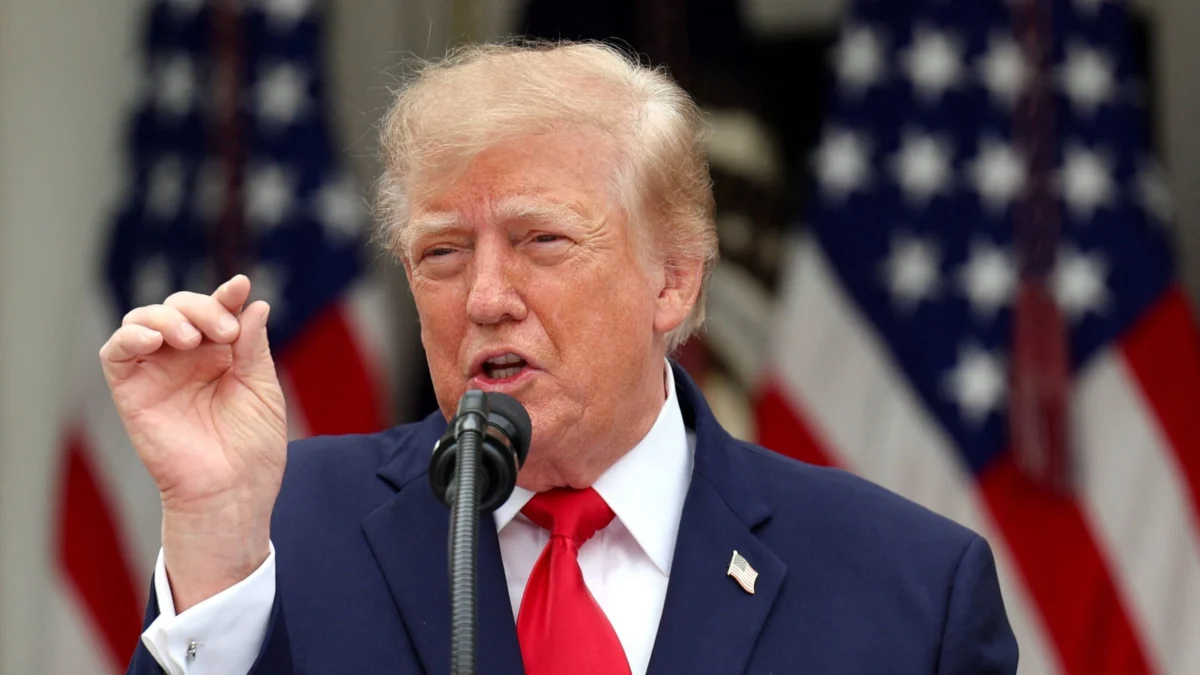
In a move that has stunned technology experts and linguists alike, President Donald Trump has declared a personal "crusade" against the established terminology of the modern digital age. Trump announced via his social media platform, Truth Social, that the term "Artificial Intelligence" (AI) is to be officially prohibited in all relevant federal documents and government communications.
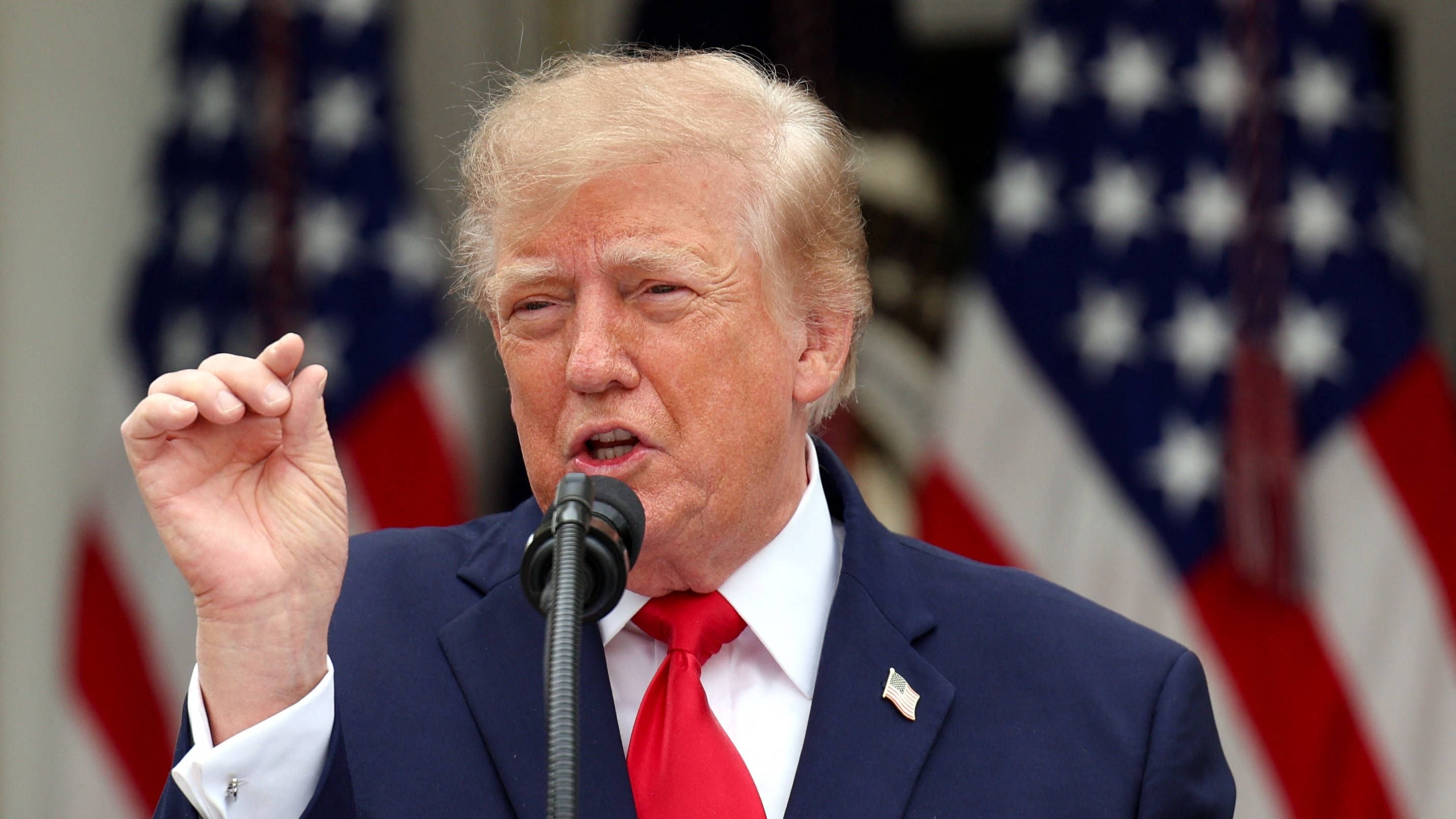
The President intends to replace the ubiquitous acronym "AI" with the term "Superintelligence." According to the administration, the current nomenclature fails to capture the magnitude and potential dominance of the technology. Critics, however, suggest that this is a symbolic move designed to distance the current administration from the policies and terminologies of the previous era, while framing technological advancement under a more grandiose and authoritarian-leaning brand. The order is expected to permeate every department, from the Department of Defense to the National Science Foundation, forcing a massive bureaucratic rewrite of policy papers and technical guidelines.
Chronology of Recent Administrative Moves
The past week has been a whirlwind of legislative and executive activity that underscores the administration’s confrontational approach:

- October 20: The U.S. government escalates its rhetoric against the European Union, specifically regarding a $3.4 billion loan granted by the European Investment Bank to Airbus.
- October 21: The Trump administration moves forward with a new legal challenge against former FBI Director James Comey, citing the alleged mishandling of classified information from 2016.
- October 22: Federal court records reveal an order declaring the dismissal of federal prosecutor Maurene Comey (daughter of James Comey) to be unconstitutional, mandating her reinstatement.
- October 23: President Trump formally visits a polling station in West Palm Beach, Florida, to cast his vote in the midterm elections, despite his vocal opposition to mail-in ballot systems.
- October 24: The U.S. government formally designates the import of wind power components as a "national security threat," signaling potential future trade barriers.
- October 25: Diplomatic friction intensifies as the Canadian government reportedly restricts its diplomats from interacting with U.S. congressional candidates to avoid accusations of interference.
Supporting Data: Midterm Sentiment and Economic Pressures
As the November 3rd midterm elections loom, recent polling data from Reuters/Ipsos paints a complex picture for the Republican Party. President Trump’s approval rating has seen a marginal recovery, rising one percentage point to 32 percent compared to the record lows of the previous week.
Despite this slight uptick in the President’s personal standing, the Democratic Party maintains a significant lead in the generic ballot for the U.S. Congress. Current data suggests that 47 percent of registered voters lean toward Democratic candidates, compared to 36 percent for the Republicans. When accounting for undecided voters who lean toward one party, the gap narrows slightly to a nine-point advantage for the Democrats (50 percent to 41 percent).

This data indicates that while the President’s base remains energized, the broader electorate is signaling a potential shift in legislative control, a prospect that has seemingly accelerated the administration’s desire to push through executive orders and policy changes while it still holds full control of the federal apparatus.
Official Responses and Diplomatic Tensions
The Transatlantic Trade Dispute
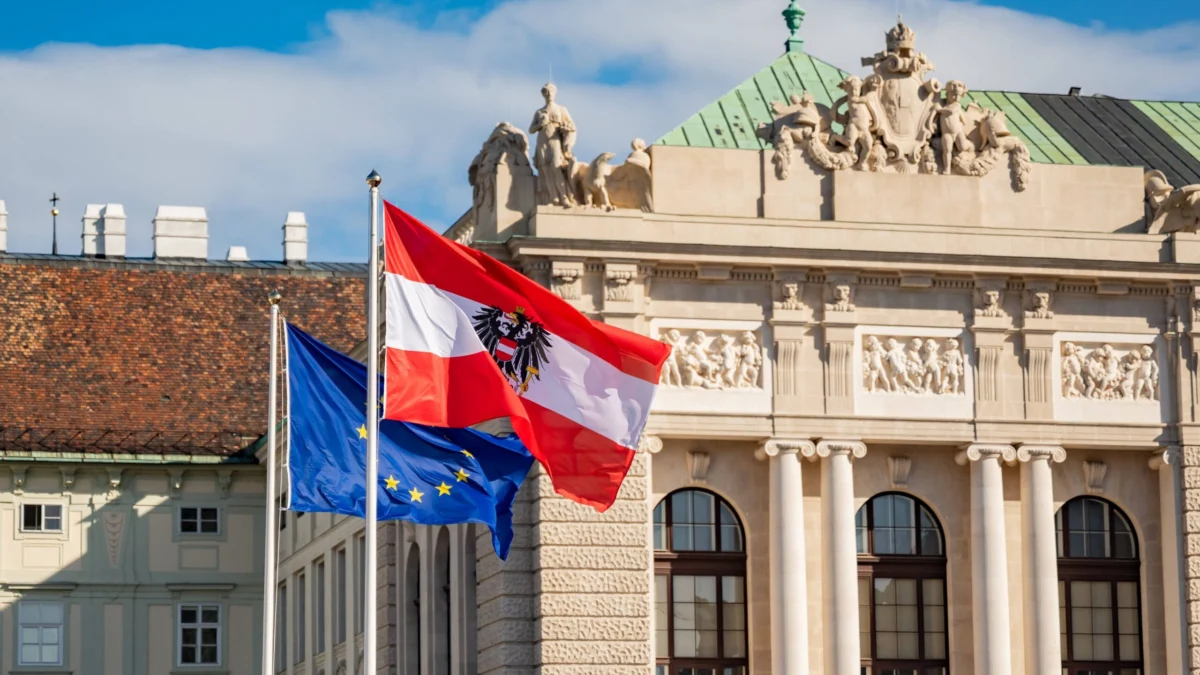
The U.S. Trade Representative, Jamieson Greer, has issued a stern warning to the European Union regarding the $3.4 billion loan to Airbus. The U.S. argues that this loan undermines a long-standing "fragile" transatlantic trade peace and violates agreements regarding the financing of large civil aircraft projects. Boeing, the American aerospace giant, has been a vocal proponent of this pressure, pushing the White House to demand greater transparency. The fear is that Airbus may be utilizing these funds to develop a new aircraft model, thereby gaining an unfair competitive advantage.
Canada and the "Interference" Narrative
The relationship between Washington and Ottawa has reached a new low. Following allegations from the U.S. Embassy in Canada regarding "interference" in the U.S. midterm elections, Canadian Prime Minister Mark Carney has vehemently denied the claims. The U.S. side pointed to comments by Canadian officials regarding potential retaliatory tariffs as evidence of meddling. In response, Canada has reportedly instructed its diplomats to avoid public contact with U.S. candidates to prevent further escalation. The atmosphere is further poisoned by President Trump’s rhetoric suggesting that Canada could eventually be treated as a "51st state," a comment that has sparked deep concern among Canadian leadership.
Implications: The "Aggressive" Foreign Policy Shift
Political observers, including high-profile international figures, have noted a shift in the administration’s posture. CDU foreign policy expert Norbert Röttgen has warned that the administration is likely to become increasingly aggressive on the international stage as it faces domestic pressure.

"The more Trump finds himself under pressure domestically, the more aggressively he will act in foreign policy to distract from his internal problems," Röttgen stated. He suggested that the President may be prepared to sacrifice long-standing alliances and disrupt global trade norms to finalize what he considers his "political legacy"—a vision defined by unilateralism and a transactional approach to international relations.
The Epstein Connection and Legal Hurdles
The administration’s legal challenges are not limited to foreign powers. A new report by Democratic staffers on the House Judiciary Committee has called for the appointment of an independent special counsel to investigate President Trump’s historical ties to the late sex offender Jeffrey Epstein. While the President has denied any involvement in criminal activities, the timing of this report, combined with the ongoing legal friction involving former FBI Director James Comey and his daughter, paints a picture of a White House increasingly bogged down by legal inquiries as the election approaches.

The Energy Transition and National Security
The administration’s decision to classify the import of wind power infrastructure as a national security risk has broad implications for the global energy market. While no new tariffs were announced immediately, the directive to investigate and report back within 180 days suggests that the administration is laying the groundwork for a more protectionist energy policy. This move is consistent with the President’s long-standing skepticism regarding renewable energy and his preference for traditional fossil fuel reliance, which he believes ensures greater American independence.
Conclusion: A Nation at a Crossroads
The actions taken by the Trump administration over the past week demonstrate a clear intent to disrupt status quo politics and policy. By re-branding technological concepts, challenging international trade partners, and engaging in high-stakes legal confrontations with domestic figures, the administration is testing the resilience of U.S. institutions and the patience of its global allies.

As voters prepare to head to the polls, the central question remains whether this aggressive approach will consolidate the President’s base and secure a Republican victory in the midterms, or if it will trigger a broader backlash from an electorate concerned with the stability of both the American economy and its international standing. With the definition of "Superintelligence" now becoming official government policy and trade wars looming with both the EU and Canada, the weeks leading up to November 3rd will undoubtedly be some of the most consequential in modern American political history.