In an incident that highlights the ongoing challenges of road safety and youth delinquency in the Vogtland region, a 17-year-old local resident has been apprehended following a high-risk police pursuit. The incident, which occurred in the quiet municipality of Falkenstein, serves as a stark reminder of the legal and personal consequences of reckless behavior under the influence.
The Incident: A Sequence of Evasion
The events unfolded during the early hours of Sunday, October 26. According to official reports provided by local law enforcement, officers were conducting routine patrol duties when they identified a Moped, specifically a vintage-style Simson, operating in a manner that prompted a standard traffic stop.

As the officers signaled for the rider to pull over, the driver—a 17-year-old male—made a split-second decision to ignore the clear, illuminated stop instructions. What followed was a tense, albeit short-lived, pursuit through the streets of Falkenstein. As the suspect attempted to evade the patrol car by veering off the paved road and onto a nearby field, the pursuit came to an abrupt end when the teenager lost control of the vehicle and crashed.
Miraculously, the youth emerged from the accident physically unscathed. However, the subsequent police investigation revealed a cascade of legal infractions that will likely alter the young man’s future trajectory.

Chronology of the Night
- Late Saturday/Early Sunday: Police officers identify a Simson moped during routine patrols in the Falkenstein area.
- Initial Contact: Officers initiate a traffic stop; the suspect refuses to yield, accelerating instead.
- The Pursuit: A chase ensues through local streets, leading the rider to attempt an escape across rough agricultural terrain.
- The Crash: The suspect loses control of the moped and falls, effectively ending the pursuit.
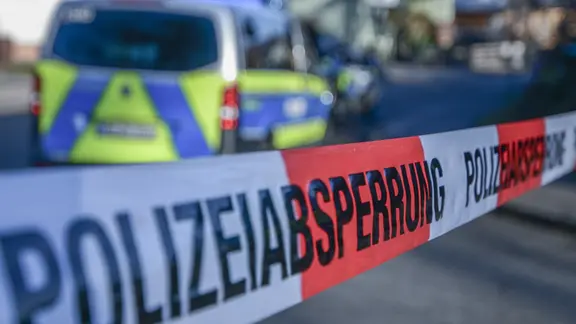
- Immediate Aftermath: Law enforcement secures the scene, and the suspect is taken into custody without further incident.
- The Investigation: Breathalyzer tests and vehicle inspections are conducted on-site.
- Seizure: The Simson is impounded, and the suspect is processed for multiple traffic violations.
Supporting Data: A Dangerous Cocktail of Infractions
The aftermath of the crash revealed a concerning list of violations that go far beyond a simple failure to stop for police. Law enforcement officials confirmed that the 17-year-old was operating the vehicle while significantly intoxicated, with a blood alcohol concentration (BAC) exceeding 1.1 per mille. In Germany, this level is considered absolute unfitness to drive, triggering severe criminal consequences.
Furthermore, the investigation uncovered a total disregard for road safety regulations:

- Unauthorized Operation: The youth did not possess a valid driver’s license.
- Vehicle Modifications: The Simson had been subjected to unauthorized technical modifications, likely intended to increase speed or performance beyond factory specifications.
- Lack of Insurance: The vehicle was operating without mandatory insurance coverage, meaning that in the event of an accident involving third parties, there would have been no financial protection for victims.
The combination of inexperience, intoxication, and an unroadworthy vehicle created a "perfect storm" that could have easily resulted in a fatality.
Official Responses and Legal Implications
The police department has acted decisively, signaling a zero-tolerance approach toward such behavior. The Simson has been permanently impounded, and the young man now faces a litany of charges. These include, but are not limited to, driving under the influence (DUI), driving without a license, and resisting police instructions.

Legal experts note that for a 17-year-old, these charges under the German criminal code—specifically under the Juvenile Court Act (Jugendgerichtsgesetz)—can lead to significant educational measures, fines, or in severe cases, community service or youth detention. The judicial system in Saxony emphasizes the rehabilitation of minors, but the severity of these specific charges, particularly the high blood alcohol level, makes a serious outcome highly probable.
The Broader Implications: Road Safety and Youth Culture
This incident in Falkenstein is not an isolated event but rather a symptom of broader concerns regarding the Simson subculture in Eastern Germany. While these vintage mopeds are often cherished as cultural icons of the former GDR, they are also frequently targeted by young enthusiasts for illicit modifications.

The Dangers of "Tuning"
The trend of "tuning" mopeds—increasing engine displacement, modifying exhausts, and altering braking systems—often leaves these machines in a state that is dangerous for both the rider and other road users. When combined with alcohol, the risk factor increases exponentially. Local authorities have expressed concern that these "souped-up" vehicles provide a false sense of security and capability to young riders who lack the maturity and training to handle the increased power.
Parental and Societal Responsibility
The case also raises difficult questions regarding parental supervision and the role of the community in preventing such incidents. How did a 17-year-old gain access to an uninsured, modified, and dangerous vehicle? Law enforcement and social services often advocate for a more proactive dialogue between parents and teenagers regarding the dangers of motorized transport and alcohol consumption.

Conclusion: A Lesson Learned the Hard Way
While the teenager in this instance escaped with his life, the emotional and legal toll of this night will likely be long-lasting. The loss of his moped, the potential loss of future driving privileges, and the looming shadow of a criminal record serve as a somber lesson.
As the authorities in Falkenstein process this case, it serves as a wake-up call to the community. Road safety is not merely a matter of obeying traffic signs; it is a fundamental responsibility that requires maturity, sobriety, and respect for the law. For the youth of the region, the message is clear: the thrill of a high-speed escape is never worth the risk of life or the permanence of a ruined future.

As this investigation continues, the local police force is expected to maintain an increased presence, monitoring not only for speed but for the integrity of vehicles on the road. The hope is that through enforcement and education, such reckless "midnight chases" will become a thing of the past in the quiet, scenic landscape of the Vogtland.
Frequently Asked Questions (FAQ)
What is the legal limit for alcohol while driving in Germany?
For experienced drivers, the limit is 0.5 per mille. However, for drivers under 21 or those in their probationary period, a strict 0.0 per mille limit applies. The suspect’s reading of over 1.1 per mille is considered a criminal offense under § 316 of the German Criminal Code (Strafgesetzbuch).
Why was the moped seized?
The police seized the vehicle because it was being used as an instrument in the commission of a crime, and due to the unauthorized modifications, it is deemed unroadworthy and a danger to public safety.
What happens to the teenager now?
The case has been referred to the juvenile prosecutor. The teenager will likely be summoned for a hearing, where the court will determine the appropriate measures based on his prior record, his cooperation, and the severity of the charges.

Are there many such cases in the region?
While police patrols in the Vogtland region actively work to curb such incidents, authorities have noted a seasonal uptick in traffic violations involving motorized two-wheelers. Increased public awareness campaigns are being considered to address the issue of illegal modifications and underage drinking.