As the clocks turn back and the transition to winter begins, the risk of road accidents involving wild animals reaches a critical peak. Motorists across the region are being urged to exercise heightened vigilance, particularly during the dawn and dusk hours, as the intersection of animal migration patterns and human traffic habits creates a dangerous environment on rural roads.
The Hidden Danger of the "Fall Back"
The transition from Central European Summer Time (CEST) to Central European Time (CET) is more than just a change in the calendar; it is a fundamental shift in the daily rhythms of both humans and wildlife. As we "fall back" one hour, the morning rush hour suddenly aligns with the peak activity times of deer, wild boar, and other forest inhabitants.
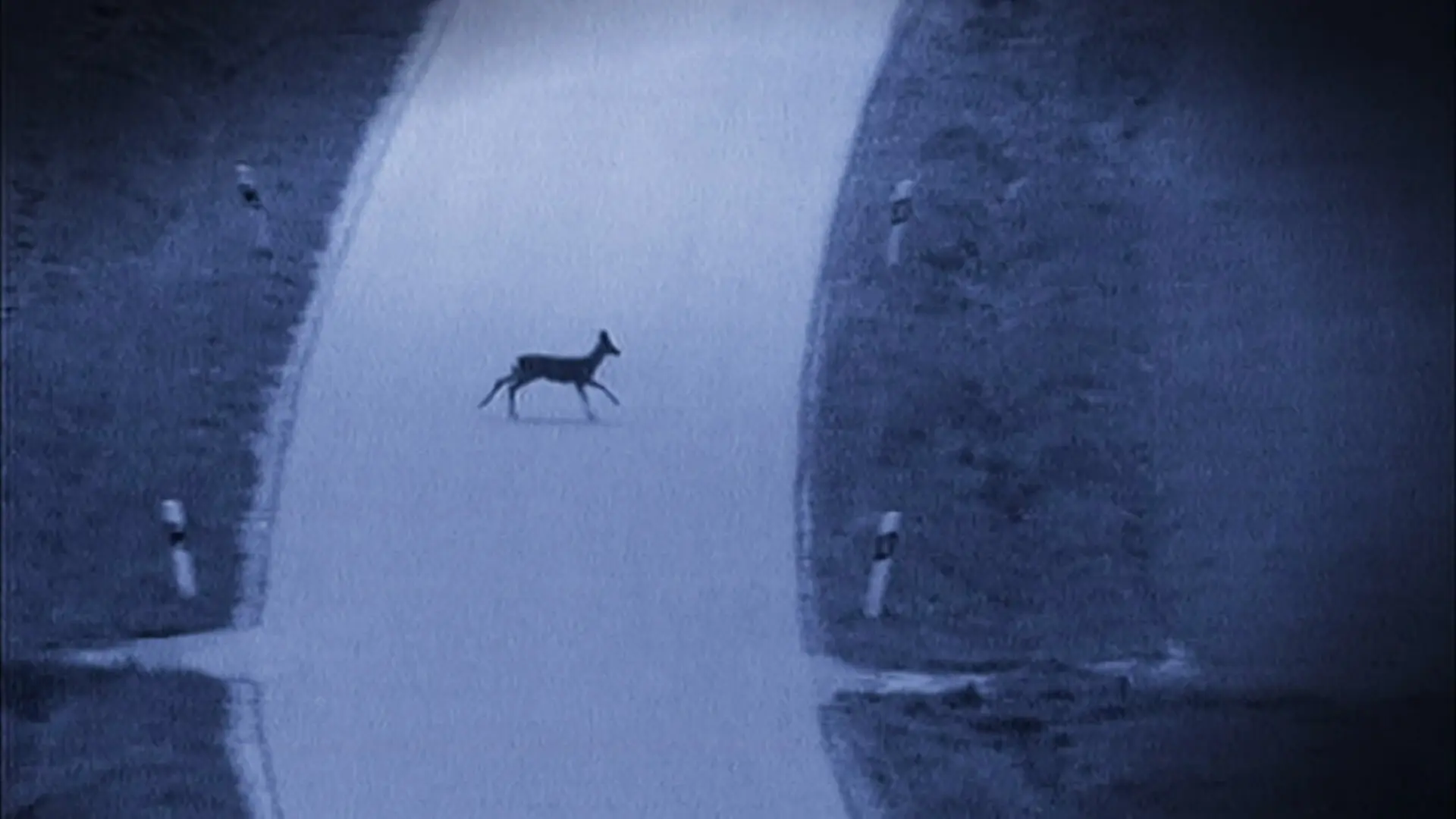
For drivers, this means navigating rural routes during the low-light conditions of sunrise and sunset, when visibility is at its poorest. For wildlife, the change in human traffic flow is not synchronized with their biological clocks. Animals do not adjust their movement patterns to human timekeeping, leading to an increased number of "near-misses" and tragic collisions that can result in significant property damage, injury, or even death.
Chronology of the Seasonal Risk
The correlation between the end of daylight saving time and the spike in wild animal accidents is well-documented by traffic safety researchers and insurance agencies. The timeline of this phenomenon typically follows a specific pattern:
- Late October: As the days grow noticeably shorter, the "twilight period" during which the majority of wildlife-vehicle collisions occur shifts to coincide with the high-volume traffic of the morning commute (7:00 AM – 8:30 AM) and the evening rush (4:30 PM – 6:30 PM).
- November and December: These months represent the height of the danger period. The combination of early darkness, falling temperatures, and the onset of the rutting season for some species means that animals are more mobile and less cautious when crossing roads.
- The Winter Slump: As the winter sets in, the lack of food in the forest interior drives many animals closer to the edges of forest-adjacent roads, where they forage for salt and residual greenery, putting them directly in the path of commuters.
Supporting Data: The Scale of the Problem
While individual accidents may seem like isolated incidents, regional statistics paint a more alarming picture. Thousands of accidents occur annually, with a massive concentration of these events happening on secondary roads that bisect forest corridors.
Studies indicate that the speed at which a vehicle is traveling is the primary factor in determining the outcome of an animal-vehicle collision. A vehicle traveling at 80 km/h (approx. 50 mph) requires roughly 50 to 60 meters to come to a complete stop once a hazard is detected. In low-light conditions, where the reflective eyes of a deer might only be visible at 30 meters, the driver is left with virtually zero reaction time. The impact force of a collision with an adult red deer at highway speeds is comparable to being hit by a small car, creating a life-threatening scenario for the occupants of the vehicle.

The Behavioral Psychology of the Driver
Human error remains the most significant variable in these accidents. During the transition to winter, many drivers fail to adapt their speed to the changing environment. There is a psychological tendency to maintain "summer driving habits" despite the reality of slippery leaves, wet pavement, and obscured visibility.
Furthermore, the "target fixation" phenomenon often leads drivers to steer toward the object they are trying to avoid. When a roe deer leaps onto the road, the natural panic reaction is often to jerk the steering wheel. This swerving maneuver is frequently more dangerous than the collision itself, as it can cause the driver to lose control of the vehicle, veer into oncoming traffic, or crash into a tree—the leading cause of fatalities in single-vehicle accidents.
Official Guidelines and Recommended Actions
Traffic authorities and wildlife conservationists have issued a set of standard operating procedures for drivers during this time of year:
1. Proactive Vigilance
If you are driving through a forest-adjacent area during dusk or dawn, reduce your speed to at least 60 km/h. Keep your eyes scanning the sides of the road, not just the asphalt in front of you. Look for the "glowing eyes" reflection of animals; if you see one set of eyes, assume there are more nearby, as animals often travel in groups.
2. The "Honk and Brake" Technique
If an animal appears on the road, do not rely on your brakes alone. A sustained blast of the horn can often startle the animal into moving off the road. However, do not flash your high beams, as this can confuse or "freeze" the animal in place, preventing them from escaping the path of the vehicle.
3. If a Collision is Unavoidable
If an animal is standing in the road and there is no safe way to swerve, the official advice is counter-intuitive but life-saving: Do not swerve. Brake hard, keep the steering wheel straight, and hold your lane. It is safer to strike the animal—and risk damage to the vehicle—than to lose control of the car and strike an oncoming vehicle or a solid obstacle off-road.
The Role of Infrastructure and Mitigation
While driver behavior is crucial, infrastructure plays a significant role in reducing risk. Wildlife warning signs are not merely suggestions; they represent areas where local hunting associations and traffic authorities have identified high-frequency crossing zones.
Modern solutions, such as optical reflectors installed on guide posts, have shown promise. These devices redirect the light from approaching vehicle headlights into the forest, creating a "light fence" that acts as a visual deterrent to wildlife. Furthermore, the construction of "green bridges" and underpasses in newly designed highways has significantly reduced the fragmentation of habitats, allowing animals to cross busy roads safely without human intervention.

Implications for Drivers and Insurance
The financial implications of these accidents are significant. In many jurisdictions, damage caused by "fur-bearing game" (such as deer, wild boar, or foxes) is covered by comprehensive insurance, but the bureaucratic process of reporting such an accident can be complex.
Drivers are legally required to report any collision with a wild animal to the local police or the local hunting ground manager (the "Jäger"). Failing to do so can lead to legal complications, particularly if the animal is injured and left to suffer. Professional hunters are equipped to track and, if necessary, dispatch wounded animals to end their suffering, a task that ordinary citizens are not trained or permitted to perform.

Looking Ahead: A Culture of Awareness
As we navigate the coming months, the focus must shift from reactive measures to proactive awareness. The change in the clock is a seasonal reminder that we share our environment with a vast, invisible population of wildlife whose needs and habits are constant, even as our own are dictated by the economy and the ticking of a clock.
By adopting a more cautious, defensive driving style during these dark months, we can mitigate the risk of these tragic encounters. We must view the "deer crossing" sign not as a generic warning, but as a specific indicator of a biological corridor that we, as temporary visitors in the natural world, must respect.
The goal for this winter season is clear: fewer collisions, fewer injured animals, and safer arrivals for every commuter. Vigilance is not an option; it is a necessity of the season. As the days grow darker, let our awareness become sharper. By slowing down and respecting the transition of the season, we protect not only the wildlife of our forests but our own safety and the peace of mind of our families. The road is shared; let us ensure that the price of our mobility is not paid by those who cannot understand the laws of the road.