By Nadine Schimroszik
Updated: October 27, 2026
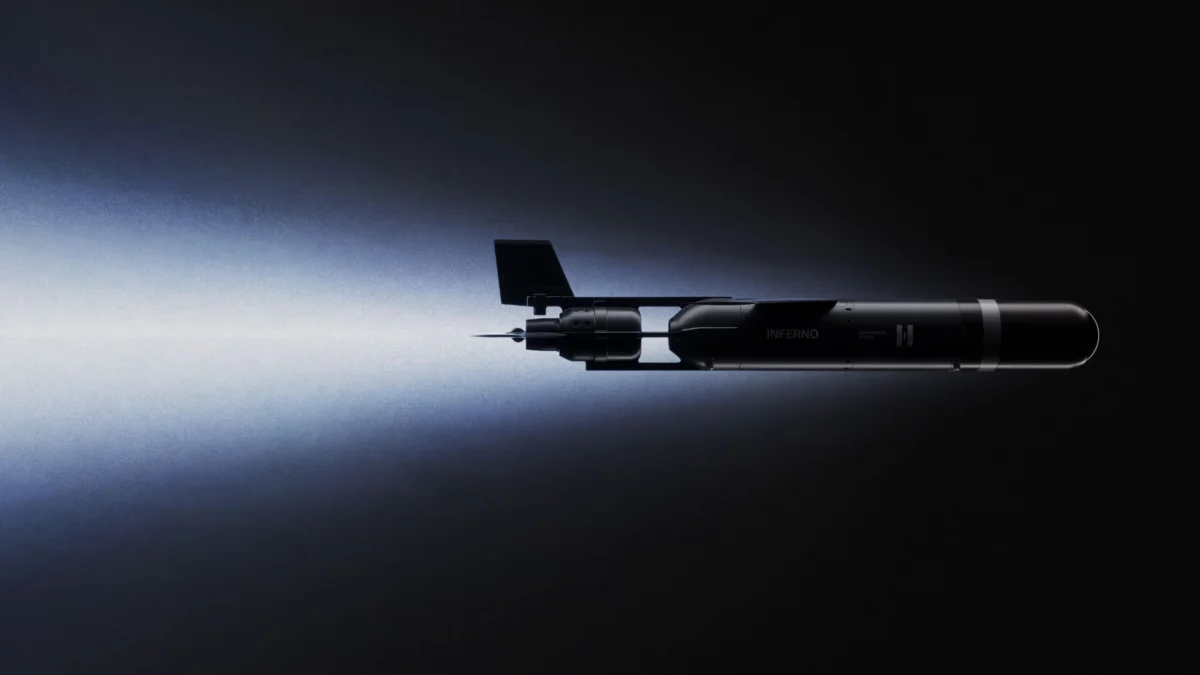
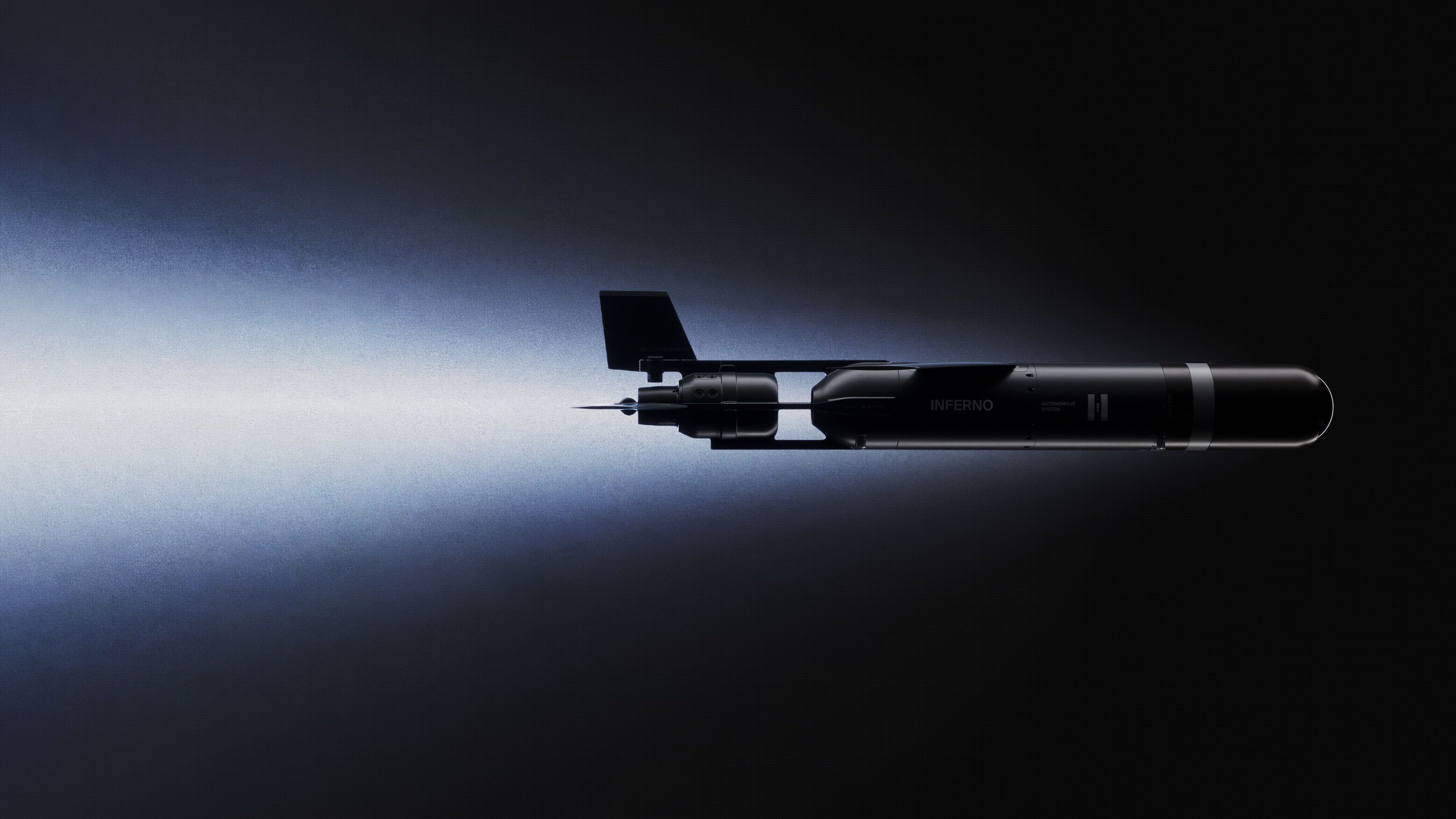
In an era defined by the rapid evolution of asymmetric warfare, the skies above modern conflict zones have become increasingly crowded with low-cost, high-impact threats. The proliferation of the Iranian-designed Shahed series of loitering munitions—often referred to as "suicide drones"—has forced defense ministries and private contractors worldwide to rethink their air defense strategies. Standing at the forefront of this technological pivot is Helsing, the Munich-based defense software and technology firm, which has officially announced its entry into the competitive market for advanced drone interception systems.
Helsing, widely regarded as Europe’s most valuable defense start-up, is moving beyond its traditional software-centric roots. The company is now developing two distinct, proprietary air defense systems designed to neutralize the threat posed by the latest iterations of Shahed-style drones. By leveraging advanced artificial intelligence (AI) and software-defined hardware, Helsing aims to provide a solution that is not only more effective than current legacy systems but also significantly more cost-efficient, addressing the growing economic disparity between cheap incoming drones and the expensive interceptor missiles currently used to take them down.
The Strategic Shift: Addressing the "Cost-Per-Kill" Gap
The primary challenge in modern air defense is the economic imbalance. A single Shahed-type drone can be manufactured for a fraction of the cost of the interceptor missiles typically used by Western-style integrated air defense systems (IADS). Firing a million-dollar surface-to-air missile at a target that costs less than a luxury sedan is a battle of attrition that defenders are destined to lose.
Helsing’s new initiative is predicated on the idea that software can bridge this gap. By utilizing sophisticated sensor fusion and AI-driven guidance, the company aims to develop interceptors that can track, target, and neutralize drones with extreme precision, utilizing less expensive kinetic hardware.
The Technological Edge
Helsing’s approach integrates "software-defined" defense. Unlike traditional hardware, which requires lengthy development cycles and expensive overhauls to upgrade, Helsing’s systems are designed to be "living" platforms. As the signature of enemy drones evolves—through changes in flight patterns, thermal output, or radio frequency emissions—the software can be updated in near real-time, ensuring that the defense system remains effective against the latest threats without requiring a complete hardware replacement.

Chronology: From AI Software to Kinetic Defense
The journey of Helsing from a niche provider of military AI to a full-scale systems integrator has been rapid.
- Foundation and Early Growth: Founded in 2021, Helsing initially focused on providing the "digital backbone" for modern militaries. Their work primarily centered on analyzing battlefield data to provide commanders with a clear, AI-assisted operational picture.
- The Pivot to Hardware: Recognizing that software alone cannot stop a physical threat, the company began exploring how its algorithms could be applied to guided munitions.
- 2025 – The Prototype Phase: During the past 18 months, reports surfaced of the company testing software-integrated interceptor prototypes. These tests were conducted in closed environments, focusing on the ability to track "swarms" of low-altitude, slow-moving targets.
- October 2026 – Public Commitment: The formal announcement marks the transition from clandestine R&D to active market competition. The company confirmed that full-scale test flights of their two primary systems are scheduled for the coming days.
Supporting Data: The Changing Nature of Aerial Warfare
The rise of the Shahed drone has fundamentally changed the calculus for European defense planning. These drones are characterized by their "loitering" capability—the ability to hover in a specific area for hours before striking—and their low radar cross-section.
Comparative Costs of Interception
Current market data suggests that the average cost of a Patriot-class interceptor missile ranges from $2 million to $4 million per unit. In contrast, a Shahed-136 drone is estimated to cost between $20,000 and $50,000. This 100:1 cost ratio is the primary driver behind the demand for new, specialized interceptor systems.
Helsing’s proposed systems aim to reduce the "cost-per-kill" by an estimated 70% to 80%. This is achieved through:
- Lower-Cost Kinetic Interceptors: Utilizing smaller, more agile missiles that do not require the massive propulsion and sophisticated, long-range radar suites of traditional systems.
- AI-Optimized Targeting: Reducing the "miss rate" by predicting the drone’s trajectory, thereby requiring fewer munitions to achieve a successful strike.
Industry and Political Context: The European Defense Base
Helsing’s move is not happening in a vacuum. It comes at a time when the European Union is actively seeking to reduce its dependence on foreign defense contractors—particularly from the United States—and build a more autonomous "European defense industrial base."
Official Responses and Market Reaction
While the company has remained tight-lipped regarding specific technical specifications due to security protocols, industry analysts have noted that the move is well-timed. "The European market is starving for solutions that are both agile and affordable," says Dr. Elena Vance, an independent defense analyst. "If Helsing can deliver on the promise of software-defined interception, they will become an indispensable partner for NATO members looking to fortify their eastern flanks."

However, not everyone is convinced that a software-first approach will be sufficient. Skeptics point to the physical reality of combat: jamming, extreme weather, and the sheer volume of drone attacks could overwhelm even the most advanced AI. There is also the matter of regulatory compliance; developing kinetic weapon systems involves rigorous safety testing and compliance with international laws of armed conflict, a process that is far more complex than developing battlefield software.
Implications for Future Conflict
The success or failure of Helsing’s systems will have profound implications for the future of warfare.
1. The Proliferation of AI-Driven Defense
If Helsing succeeds, it will likely trigger a wave of investment in similar AI-driven interceptor systems across the globe. This could lead to a "software arms race," where the advantage goes to the entity with the most advanced algorithms rather than the one with the largest stockpile of traditional missiles.

2. Economic Sustainability
For smaller nations, the ability to protect critical infrastructure from drone attacks without breaking the defense budget is a matter of national security. Helsing’s solution offers a pathway for countries that currently lack the financial resources to maintain a high-end, missile-heavy air defense shield.
3. The Ethical Dimension
As with any AI-driven defense system, the question of human oversight remains paramount. The extent to which these systems will operate autonomously—detecting, tracking, and engaging targets without human intervention—will be a subject of intense debate among policymakers and human rights groups. Helsing has previously stated its commitment to "human-in-the-loop" systems, but the operational pressures of high-intensity conflict often push these boundaries.
Looking Ahead: The Road to Deployment
The upcoming test flights in late 2026 will be the "moment of truth" for the Munich start-up. Success will not only validate their technological approach but also solidify their position as a central pillar of the European defense architecture. Failure, conversely, could serve as a cautionary tale about the difficulties of transitioning from a software provider to a prime contractor in the defense industry.

As the global geopolitical landscape remains volatile, the demand for innovative, cost-effective solutions for drone defense will only grow. Helsing’s gamble on software-defined hardware reflects a new reality: in the future, the war for the skies will be won not just by those with the biggest rockets, but by those with the most intelligent code.
With their headquarters in Munich, the company is positioning itself as a central hub for European innovation. By collaborating with existing defense giants and leveraging the deep technical talent pool in Germany, Helsing is attempting to bridge the gap between the agility of a start-up and the scale required for global defense. The world, and the defense industry at large, will be watching closely as these two new systems take to the skies.