As Volkswagen faces an unprecedented existential crisis, the future of its most advanced electric vehicle facility in Zwickau hangs in the balance. With production potentially sunsetting by 2031, Saxon Minister-President Michael Kretschmer has proposed a radical structural shift: the founding of an "Auto Union 2.0." But is this a visionary roadmap for industrial survival, or a desperate plea in an era of waning competitiveness?
The Crisis: A Structural Abyss
The German automotive sector is currently navigating a period of profound turbulence. For Volkswagen, the situation is particularly acute at its Zwickau plant, a facility once touted as the crown jewel of the company’s transition to electromobility. The plant, which is exclusively dedicated to the production of battery-electric vehicles (BEVs), now finds itself at the center of a strategic rethink.
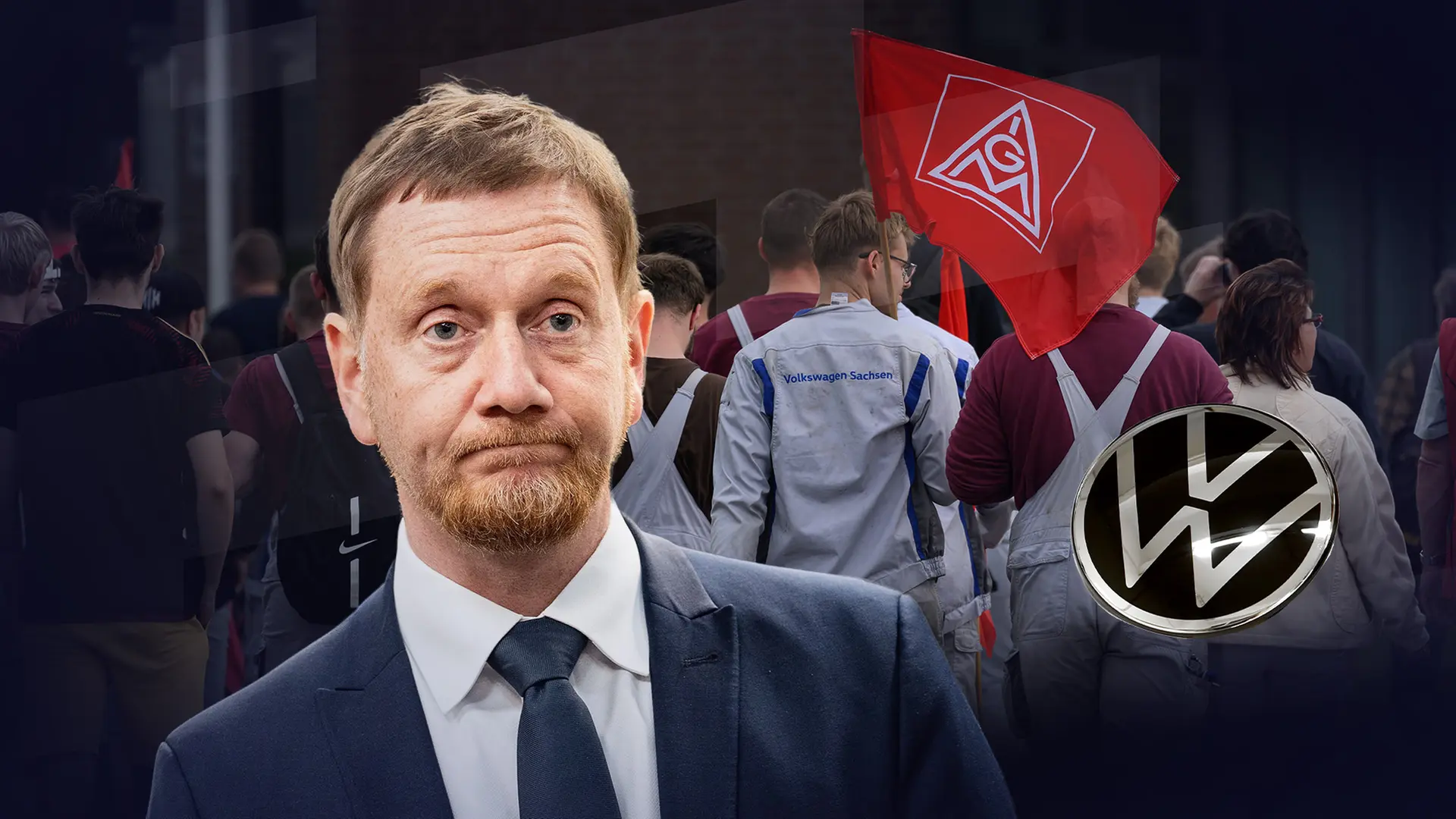
Michael Kretschmer, the Minister-President of Saxony, did not mince words during a recent regional forum. Describing the current state of affairs as "looking into an abyss," he highlighted a sobering reality: German manufacturing, and specifically the Zwickau site, is losing its competitive edge. In a global market characterized by rapid innovation and aggressive pricing, the "Made in Germany" label is no longer a sufficient shield against the pressures of international competitors who demonstrate greater agility and lower cost structures.
The uncertainty regarding the site’s future beyond 2031 is not merely a regional concern but a microcosm of Volkswagen’s broader struggle with massive overcapacities across its domestic manufacturing network. As the company reviews its global footprint, Zwickau is being forced to justify its existence not through historical significance, but through future-proof efficiency.

The Vision: Defining "Auto Union 2.0"
In an attempt to stave off a long-term decline, Kretschmer has floated the concept of an "Auto Union 2.0"—a modern successor to the historic 1932 merger that combined Audi, DKW, Horch, and Wanderer. While the name pays homage to Saxony’s deep-rooted automotive heritage, the proposed operational model is strikingly futuristic and deviates sharply from traditional corporate structures.
Key Pillars of the Proposed Model:
- Organizational Autonomy: The proposal suggests that the "Auto Union Sachsen GmbH" would take over the Zwickau-Mosel plant, operating with greater independence from the rigid structures of the VW Group.
- Flexible Compensation and Labor: Kretschmer advocates for a departure from current national tariff frameworks. He envisions a performance-linked pay scale, where remuneration is directly tied to productivity milestones. If specific output or efficiency targets are missed, the compensation model would adjust accordingly.
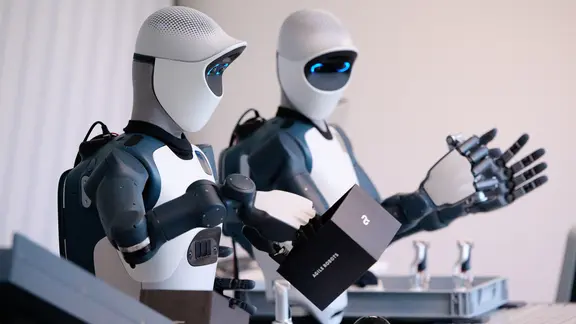
- Humanoid Robotics Integration: Perhaps the most radical element of the vision is the transformation of the plant into an innovation hub for humanoid robotics. The goal is to create a collaborative environment where humans work alongside advanced robots to maintain a competitive cost structure while preserving high-skilled technical jobs.
- Financial Incentives: To attract investment and lower production costs, the plan includes potential adjustments to local taxation, specifically regarding business taxes, to create a more attractive environment for international manufacturers looking to bolster their European production capacity.
Chronology of the Volkswagen Zwickau Struggle
- 2018-2020: Zwickau is converted into Europe’s largest pure-play electric vehicle plant, representing a multi-billion euro investment by Volkswagen.
- 2021-2023: High expectations for EV adoption in Europe lead to increased production targets.
- 2024: Market cooling, high energy costs, and stiff competition from Chinese manufacturers begin to put significant pressure on margins.
- Late 2025: Volkswagen management publicly discusses the necessity of capacity adjustments, casting doubt on the long-term viability of several German plants.
- October 26, 2026: Minister-President Michael Kretschmer presents the "Auto Union 2.0" vision to regional industry experts and stakeholders, calling for urgent structural reform to save the site.
Supporting Data: The Cost of Competitiveness
The argument for a new model is built upon the stark reality of current production costs. Analysts note that the cost per unit in German automotive plants is currently significantly higher than in new, greenfield sites in Eastern Europe or North America.
- Energy Expenditures: Germany’s industrial electricity prices remain among the highest in the developed world, disproportionately affecting energy-intensive automotive assembly.
- Tariff Rigidity: Traditional German collective bargaining agreements, while providing stability, are increasingly viewed as inflexible by management when faced with the volatile demand cycles of the EV market.
- Utilization Rates: To be profitable, the Zwickau plant requires near-maximum capacity utilization. Current market trends suggest that demand for the specific models produced in Zwickau is fluctuating, necessitating either a change in product mix or a radical reduction in the "break-even" threshold for the plant.
Official Responses: Stakeholders at the Table
The reaction to Kretschmer’s proposal has been cautious, reflecting the complexity of navigating German labor relations and industrial policy.
The IG Metall Perspective
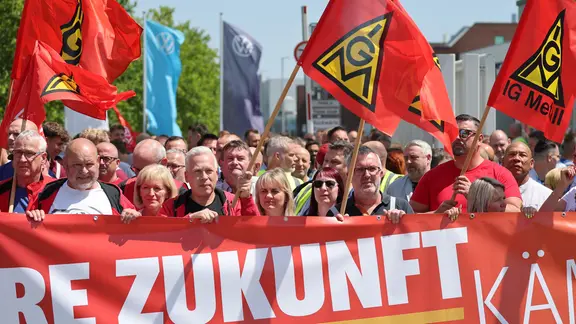
The powerful labor union, IG Metall, has expressed a mix of openness and firm opposition. They have welcomed the Minister-President’s engagement in finding solutions for the region, but they have drawn a "red line" regarding the erosion of collective bargaining. According to union representatives, the state should not intervene in the autonomy of tariff negotiations between employers and employees. They argue that any attempts to bypass these standards could lead to a race to the bottom that would ultimately harm the skilled workforce that is the foundation of Zwickau’s quality output.
Industry and Expert Feedback
Dirk Vogel, representing the regional automotive supplier network (AMZ), characterized the "Auto Union 2.0" as a "compelling vision." He suggests that the model could indeed attract other international manufacturers who lack the scale to build their own European factories but need a high-tech facility to serve the EU market. By creating a "multi-tenant" production environment—similar to the contract manufacturing seen in the semiconductor industry—Zwickau could diversify its revenue streams and reduce its dependence on the fluctuating fortunes of a single parent company.
Implications: A New Era for Industrial Policy?
The "Auto Union 2.0" proposal raises fundamental questions about the role of the state in modern industrial strategy.
The Risk of Fragmentation
If the Zwickau plant were to decouple from the Volkswagen Group’s centralized structure, it would mark a significant departure from the post-war German model of large, vertically integrated corporations. While this might improve agility, it risks fragmenting the supply chain and could lead to conflicts regarding intellectual property and brand standards.
The Future of the Human Worker
The pivot toward humanoid robotics is a double-edged sword. While it offers a path to maintain production in a high-wage economy, it signals a shift away from labor-intensive manufacturing toward a capital-intensive, tech-driven model. This requires a massive investment in the local workforce’s education, transitioning them from traditional assembly line workers to robot technicians and systems operators.

Regional Identity
The name "Auto Union" is deeply emotive for the region. By invoking the past, Kretschmer is attempting to build public and political consensus. However, the success of the project will not depend on history, but on the ability to convince private investors that Zwickau can offer a unique value proposition that outweighs the inherent challenges of the German business environment.
Conclusion: The "Miracle" Needed
As Michael Kretschmer noted, saving the Zwickau site requires more than just political goodwill; it requires something akin to a "miracle"—or, more accurately, a massive alignment of interests between the state, the workforce, and private capital.
The proposal for "Auto Union 2.0" is a bold recognition that the status quo is insufficient. Whether it succeeds will depend on whether the stakeholders can set aside traditional silos to embrace a more collaborative, flexible, and technologically advanced future. For Zwickau, the clock is ticking. By 2031, the automotive world will look fundamentally different; the question is whether the "Auto Union 2.0" will be a leading architect of that future, or a relic of a failed attempt to hold onto the past.
The path forward is fraught with challenges, from navigating the delicate balance of labor rights to securing the necessary venture capital to pivot toward robotics. Yet, in the face of an existential threat, the conversation itself—moving beyond mere subsidies toward a fundamental rethinking of the production model—is a necessary first step in ensuring that Saxony remains a heartbeat of the European automotive industry.