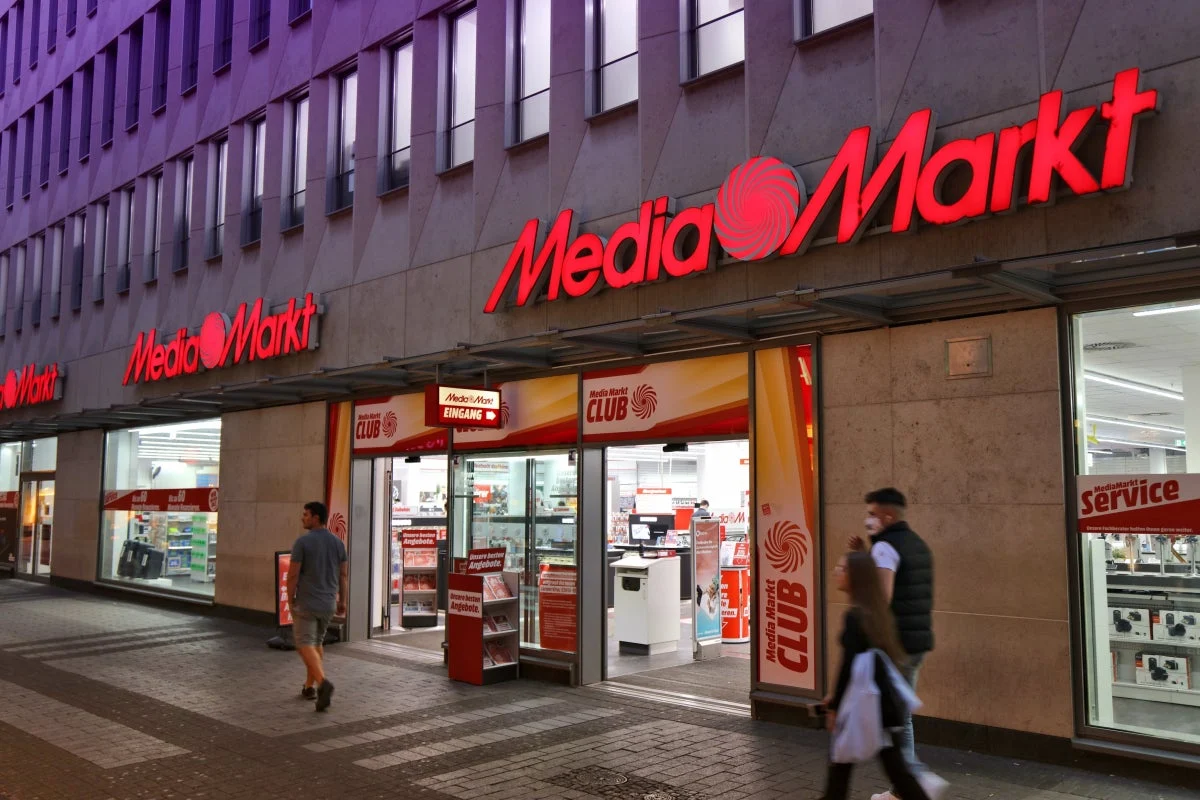
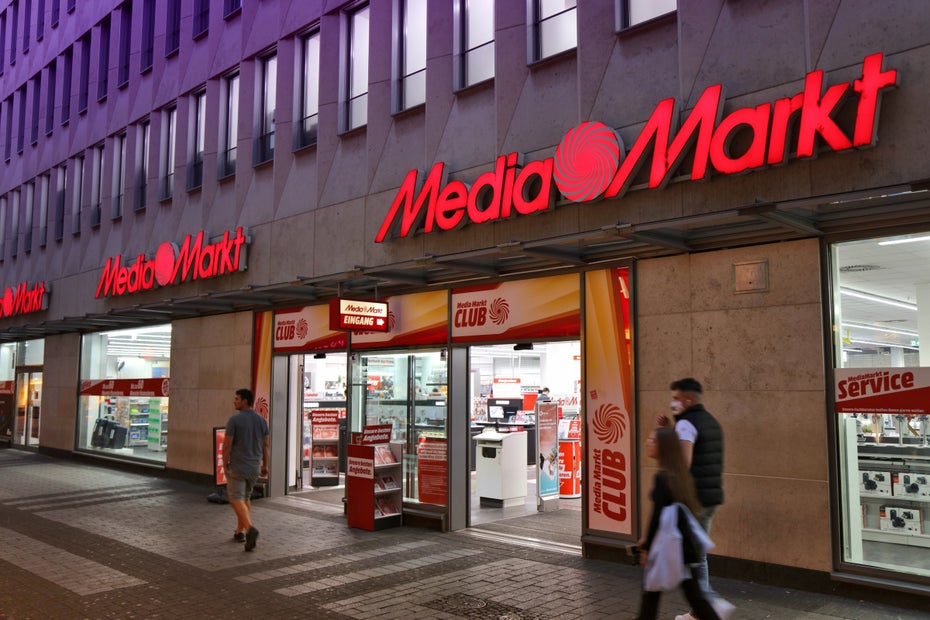
In a significant departure from its traditional corporate-led expansion model, the Media-Saturn-Gruppe—the parent company behind the electronics retail giants MediaMarkt and Saturn—is initiating a transformative shift in its operational strategy. The company has announced the launch of an "Omnichannel Partner Program," a bold initiative designed to invite independent retailers to operate stores under the iconic red MediaMarkt branding. This move represents a fundamental change in how one of Europe’s largest electronics retailers manages its footprint, signaling a shift toward a decentralized, entrepreneurial model that mimics successful structures found in the food retail sector.
The Core Concept: Franchising with a Twist
At first glance, the concept of independent operators running branded electronics stores is not entirely new; it mirrors the structures of trade cooperatives such as Expert, Euronics, or Redzac. However, MediaMarkt’s implementation introduces a unique variation. Unlike traditional franchise models where the store owner assumes full liability for inventory and operational risks, MediaMarkt’s new approach keeps the ownership of the inventory and the associated revenue firmly within the corporate structure of the Media-Saturn-Gruppe.
Under this model, independent operators act as the face of the brand at the local level. They are responsible for managing personnel and identifying regional market trends, yet they are shielded from the volatility of inventory investment. In return for their operational expertise and management, these partners receive a dual-stream compensation package: a fixed base payment combined with a performance-linked commission. This structure effectively lowers the barrier to entry for experienced retail entrepreneurs while ensuring that the central organization maintains strict control over the brand identity, pricing, and national marketing campaigns.
A Chronology of Retail Consolidation
To understand the weight of this decision, one must look at the recent history of the Media-Saturn-Gruppe. Over the past decade, the electronics retail sector has been defined by intense consolidation. Facing mounting pressure from e-commerce giants like Amazon, the group has spent the better part of the last five years streamlining its operations.
- 2018–2020: The Consolidation Phase: The group began a massive restructuring project, which involved closing underperforming branches and merging the branding of Saturn into the more universally recognized MediaMarkt banner.
- 2021–2022: The Omnichannel Shift: As the "Retail Apocalypse" narrative dominated industry discourse, the company pivoted toward an "Omnichannel" strategy, blurring the lines between physical storefronts and online fulfillment centers.
- 2023–2024: The Entrepreneurial Expansion: Having successfully optimized its internal logistics and digital infrastructure, the group reached a point of stability that allowed it to look toward growth again. The introduction of the independent partner model is the latest chapter in this evolution, aimed at filling geographical gaps without the heavy capital expenditure associated with opening and staffing new corporate-owned stores.
Supporting Data: Why the Shift Makes Sense
The economic logic behind this shift is grounded in the need for regional agility. Research into the electronics retail sector consistently shows that while consumers rely on centralized websites for price comparisons and global inventory access, they depend on local stores for service, repair, and personalized consultations.
By offloading the management of these stores to local entrepreneurs, MediaMarkt achieves several key objectives:
- Lower Fixed Costs: Corporate headquarters no longer carries the full administrative burden of managing every store manager as a direct employee.
- Increased Local Expertise: An owner-operator is historically more motivated to optimize the store’s performance and community engagement than a salaried regional manager.
- Risk Mitigation: By retaining the inventory at the corporate level, the company avoids the common pitfalls of independent franchises, such as outdated stock or non-compliance with brand-wide promotional strategies.
Industry data suggests that in similar models, such as the German supermarket chain Edeka, the "independent owner" model has led to significantly higher customer satisfaction scores due to the "owner-managed" atmosphere that permeates the shop floor.
Official Stance and Strategic Intent
While specific financial details and the exact rollout schedule remain closely guarded by the Media-Saturn-Gruppe, the company has been clear about its target demographic for this program. They are not looking for novice investors; they are actively seeking seasoned professionals with a proven track record in stationary retail.

The company envisions these partners as individuals who possess:
- Deep Market Knowledge: A granular understanding of the local consumer base.
- Existing Infrastructure: Access to, or experience with, prime commercial real estate.
- Leadership Capabilities: The ability to recruit and retain high-quality service personnel, which is critical in an industry where product advice is the primary value-add.
By tapping into this pool of experienced talent, MediaMarkt is effectively outsourcing the "last mile" of its retail operations to those most qualified to handle it. This strategic move allows the headquarters to focus on what it does best: global procurement, sophisticated IT logistics, and the development of a seamless, cross-channel customer experience.
Implications for the Consumer
For the average shopper, the transition toward independent management will likely be, by design, entirely invisible. The brand, the pricing, the product availability, and the service guarantees will remain consistent with the national standards set by the group.
The "Omnichannel" Promise
The integration of these stores into the existing digital network ensures that a customer can order a product online and pick it up at a local store, or return an online purchase to a physical location, regardless of whether that store is company-owned or managed by an independent partner. This uniformity is vital for brand integrity.
Potential Benefits
- Service Quality: The presence of an owner-operator often leads to better staff training and a more responsive service environment.
- Regional Relevance: While the core product range will be determined by the central office, independent operators will have the leeway to adjust local inventory to suit the specific needs of their neighborhood—for instance, stocking more smart-home accessories in tech-savvy urban areas versus high-end home appliances in suburban markets.
- Expansion: Perhaps most importantly for the consumer, this model provides a path for MediaMarkt to re-enter regions where they previously closed stores, bringing the brand closer to the customer once again.
Challenges and Future Outlook
Despite the optimistic outlook, the model is not without risks. The primary challenge lies in the "dual-management" tension. If an independent operator’s personal financial interests clash with the central corporation’s national marketing goals, the conflict could manifest in inconsistent customer experiences. Furthermore, the success of the model depends heavily on the quality of the IT systems provided by the group. If the central digital backbone experiences latency or errors, the local operators bear the brunt of the customer’s frustration.
However, the industry trend is clear: the era of the monolithic, centrally controlled retail chain is evolving into a more flexible, hybrid model. By leveraging the drive of the independent entrepreneur while maintaining the massive scale of a corporate giant, MediaMarkt is positioning itself to be more resilient than ever.
The coming months will be critical. As the first wave of independent operators transitions into their roles, the market will be watching closely to see if this partnership model can truly balance corporate efficiency with local dynamism. If successful, it could provide a blueprint for other retail sectors currently struggling to survive the digital age, proving that the future of brick-and-mortar retail may not lie in total corporate control, but in a collaborative, decentralized partnership.