By Timm Kühn
Marseille remains the epicenter of a profound social rupture. As the weekend descends upon the historic port city, the atmosphere on the iconic La Canebière is one of surreal dissonance. Tourists, oblivious to the gravity of the situation, wander through the city center, searching for the luxury boutiques that define the district’s commercial character. They find only disappointment: most storefronts have been hastily boarded up with plywood, their windows shielded against the escalating violence.
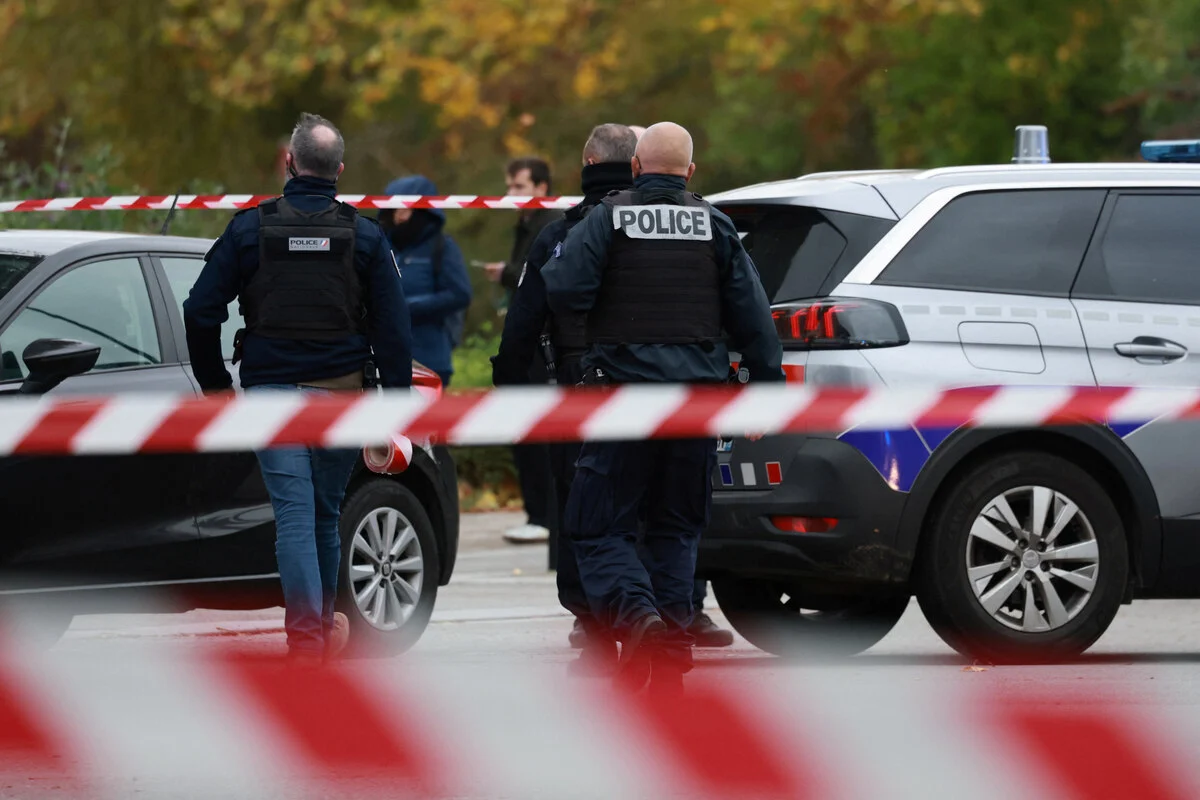
Nearby, a group of police officers stands outside a local station, engaged in a conversation with a small boy. They are laughing, a moment of fleeting normalcy that contrasts sharply with the reality of the building itself. The station is a shell of its former self, its windows shattered and its walls plastered with anti-establishment graffiti—a testament to the fierce confrontations that rocked the city the previous weekend.

The Militarization of Civil Order
The quiet is abruptly shattered by the rumble of armored vehicles. The Gendarmerie, a police force with a distinct military structure, has deployed heavy equipment into the city center. This response is the direct consequence of President Emmanuel Macron’s directive to mobilize 70,000 additional law enforcement personnel nationwide following weeks of youth-led protests.
These are not standard patrol cars; they are armored units equipped with grenade launchers designed to disperse tear gas. The presence of such heavy-duty hardware in the heart of a civilian metropolitan area marks a significant escalation in the French state’s approach to dissent. The movement, which began as a series of student-led protests, has metastasized into a broad, multi-generational coalition united by a common frustration: the crushing burden of the cost-of-living crisis, deep-seated grievances against austerity, and an increasing intolerance toward perceived police brutality.
A Chronology of Escalation: From Festive Protest to Urban Conflict
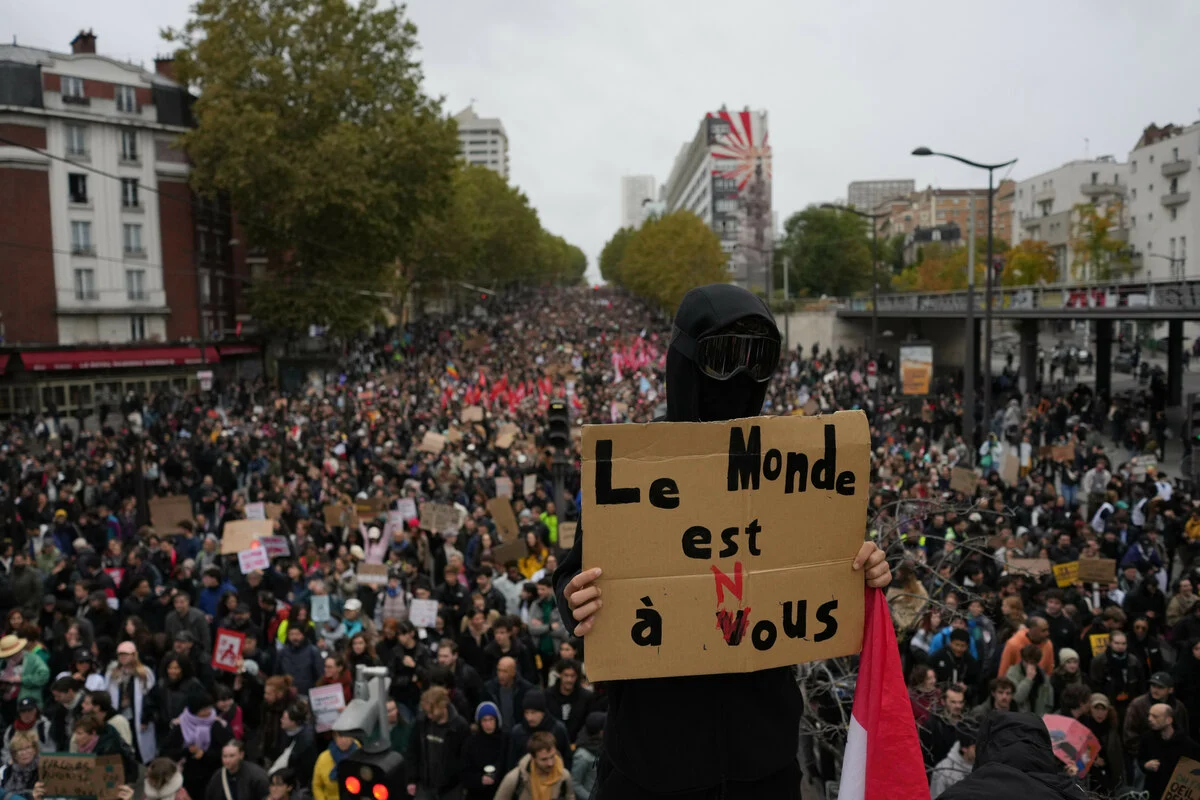
The scale of the mobilization is a point of intense contention. The trade union CGT estimates that 100,000 people took to the streets of Marseille this week, while official figures from the prefecture suggest a more conservative 17,000. Regardless of the exact count, the density of the crowds was undeniable. By midday, the streets surrounding the historic church of Les Réformés were flooded with a sea of protesters, the march stretching beyond the horizon.

Unlike the often somber or academic tone of demonstrations in other European cities, the mood in Marseille is visceral—a "furious party." Protesters dance, chant, and sing to the rhythm of drums. As the march split around an highway underpass, a spirited competition erupted between the two halves of the crowd, each trying to out-shout the other with the defiant chant of "ACAB." Young demonstrators stood arm-in-arm, singing slogans against the far-right, while a protester dressed in a full Napoleon costume led the crowd in chants of "Fuck you, Macron." For several hours, the atmosphere remained surprisingly peaceful, even jubilant.
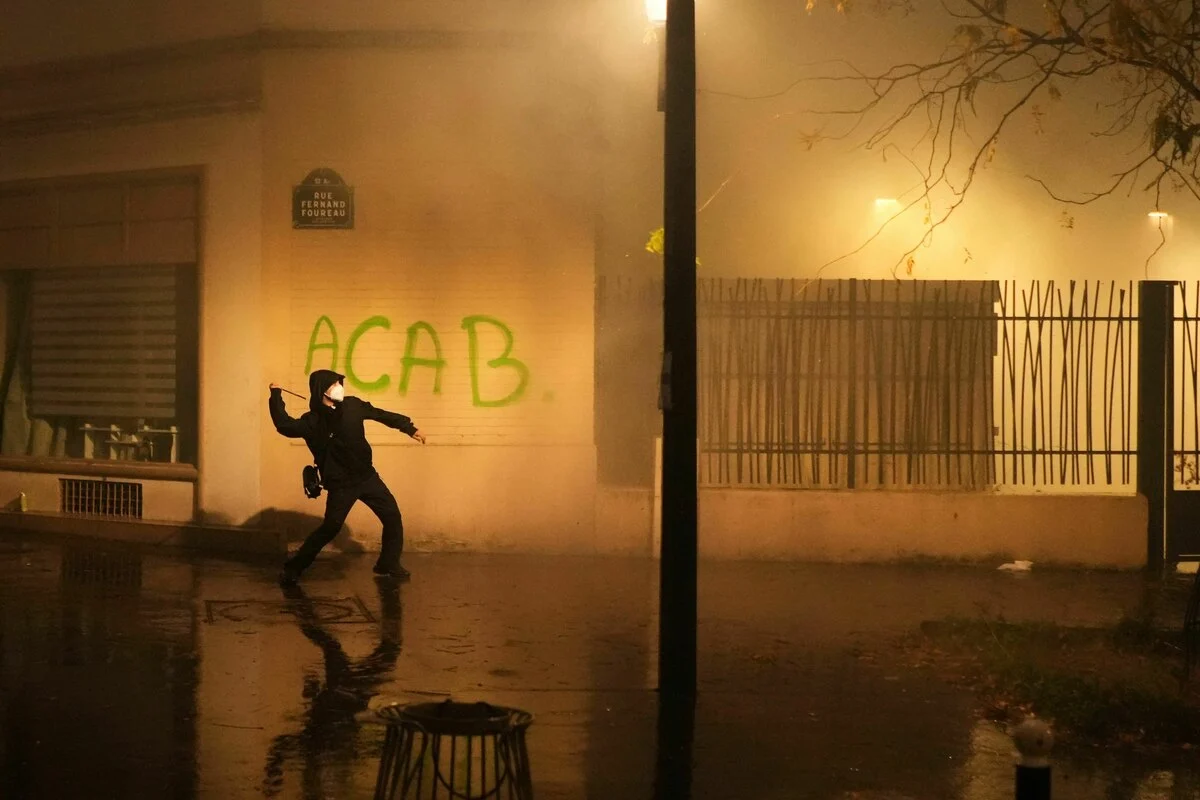
However, the tide turned abruptly at the Porte d’Aix. Without warning, the police unleashed a volley of tear gas into the dense crowd. A trash container was set ablaze in a side street, serving as the flashpoint for the first major clash of the day. A segment of the protesters responded by hurling bottles, stones, and fireworks at the police lines. The authorities retaliated with gas grenades, which initially targeted the agitators but soon enveloped the entire protest march.
As gray clouds of gas filled the air, the discipline of the protesters was tested. Many had anticipated the chemical onslaught, donning swimming goggles and makeshift masks. Despite the stinging air, the crowd attempted to retreat without descending into a mass panic. Yet, the chaos was inevitable. A young woman collapsed, unable to breathe, and was dragged to safety by fellow protesters shouting for medics. The scene was one of sensory overload—a cacophony of coughing, weeping, and desperate cries for help.

The Strategy of Disruption: Cat and Mouse
As the evening deepened, the character of the protest transformed into a strategic game of "cat and mouse." Denied a clear path, the demonstrators dispersed into the labyrinthine side streets of the city. Vermiculated groups of young people formed human chains, moving construction materials from building sites to block intersections, effectively neutralizing the police’s mobility.
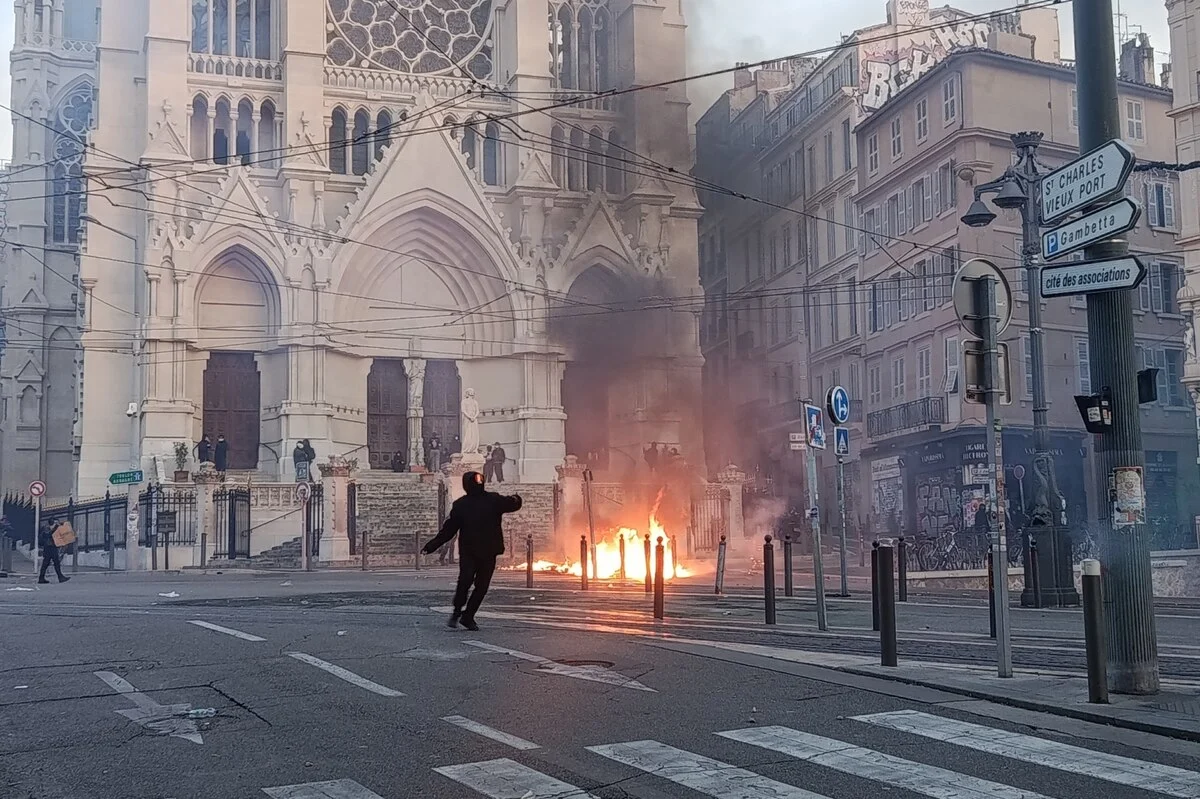
The strategy was highly effective. By late evening, burning barricades were a common sight at major intersections across the city. The most iconic site, the area before the Les Réformés church, saw flames rising meters into the air. The police returned with renewed force, deploying shock grenades whose detonations caused the very pavement to tremble. These are the same weapons responsible for severe injuries, including the recent loss of a hand suffered by a 15-year-old protester. Amidst the burning barricades, the absurdity of the situation peaked: some protesters paused to take selfies with the flames as their backdrop, while others fed the fire with nearby trash bins.
The Human and Political Cost
By the time the city quieted down, the toll was clear. Preliminary figures indicate at least 71 arrests across the department and the looting of seven commercial establishments. While these figures represent a decrease from the previous week’s violence, they reflect an ongoing state of systemic instability.

Marseille’s Mayor, Benoît Payan, has issued a stark warning, noting that the city’s unrest needs a "political valve." He has publicly urged the national government to engage directly with the demands of the youth, warning that continued state-led suppression without social dialogue will only deepen the divide between the state and its citizens.
A City Divided: The Aftermath
In the popular district of La Plaine, the evening took on an almost surreal tone. At the Place Jean Jaurès, hundreds of young people gathered to drink and dance around yet another bonfire. The scene was one of communal defiance. When police vehicles attempted to pass, they were met with insults and projectiles, prompting the officers to choose discretion over engagement and drive on.
In a poignant display of the community’s internal organization, when an ambulance needed to traverse the crowded square, the party-goers instantly cleared a path, removing tables and chairs in a unified, synchronized effort. The ambulance passed through the gauntlet of protesters to the sound of cheers—a stark reminder that the social anger directed at the state does not preclude a sense of internal solidarity.

Implications for the Future
The events in Marseille are not an isolated phenomenon but a symptomatic expression of a broader malaise within the French Republic. The government’s reliance on police force to manage a crisis rooted in economic hardship has created a feedback loop of resentment.
The ongoing demonstrations, characterized by the recurring imagery of fire, police armored vehicles, and the persistent, defiant chanting of the youth, suggest that France is entering a period of prolonged social instability. The government’s refusal to address the root causes—soaring living costs and the perceived erosion of the social contract—has effectively turned the streets of cities like Marseille into a laboratory for a new kind of political struggle.
As the fires are extinguished and the smoke clears, the question remains: Can the state afford to continue its current trajectory, or is it time for a radical reassessment of its relationship with its younger, increasingly disenfranchised population? For now, the city waits, as the embers in La Plaine continue to glow, casting long shadows over a city that feels as though it is waiting for the next spark.