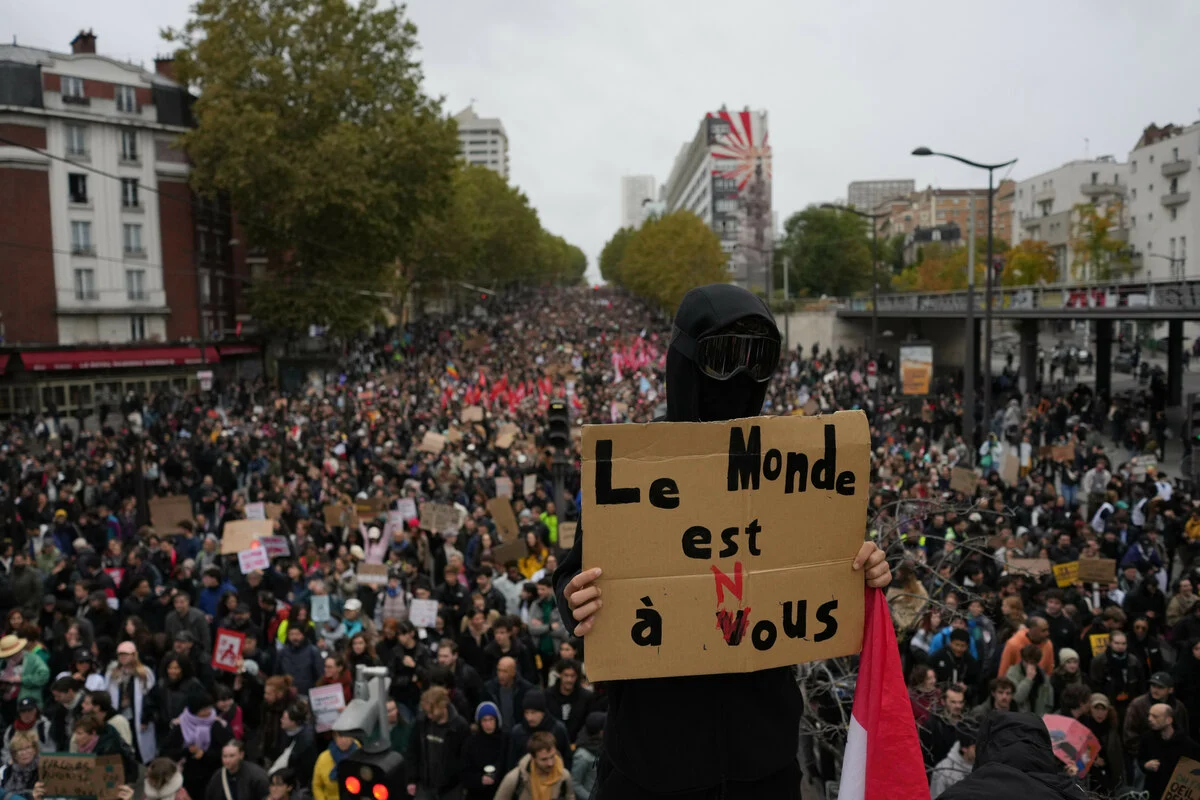
Despite widespread prohibitions on public gatherings and a rigorous campaign of state-sanctioned intimidation, hundreds of thousands of French citizens took to the streets this past weekend. Their presence was not merely a reaction to rising living costs but a bold assertion of democratic agency in the face of what many observers describe as an increasingly authoritarian executive branch.
The protests, which have manifested in various cities across the country, highlight a profound chasm between the Élysée Palace and a significant portion of the populace. As the government continues to employ repressive tactics and disparaging rhetoric to delegitimize the demonstrators, the core issues of social equity, economic security, and democratic accountability remain unresolved, threatening the stability of the Macron administration six months out from the next presidential cycle.
The Chronology of Escalation
The recent wave of unrest did not emerge in a vacuum. It is the culmination of years of mounting frustration, starting with the Gilets Jaunes (Yellow Vests) movement and evolving through various strikes against pension reforms and economic precarity.
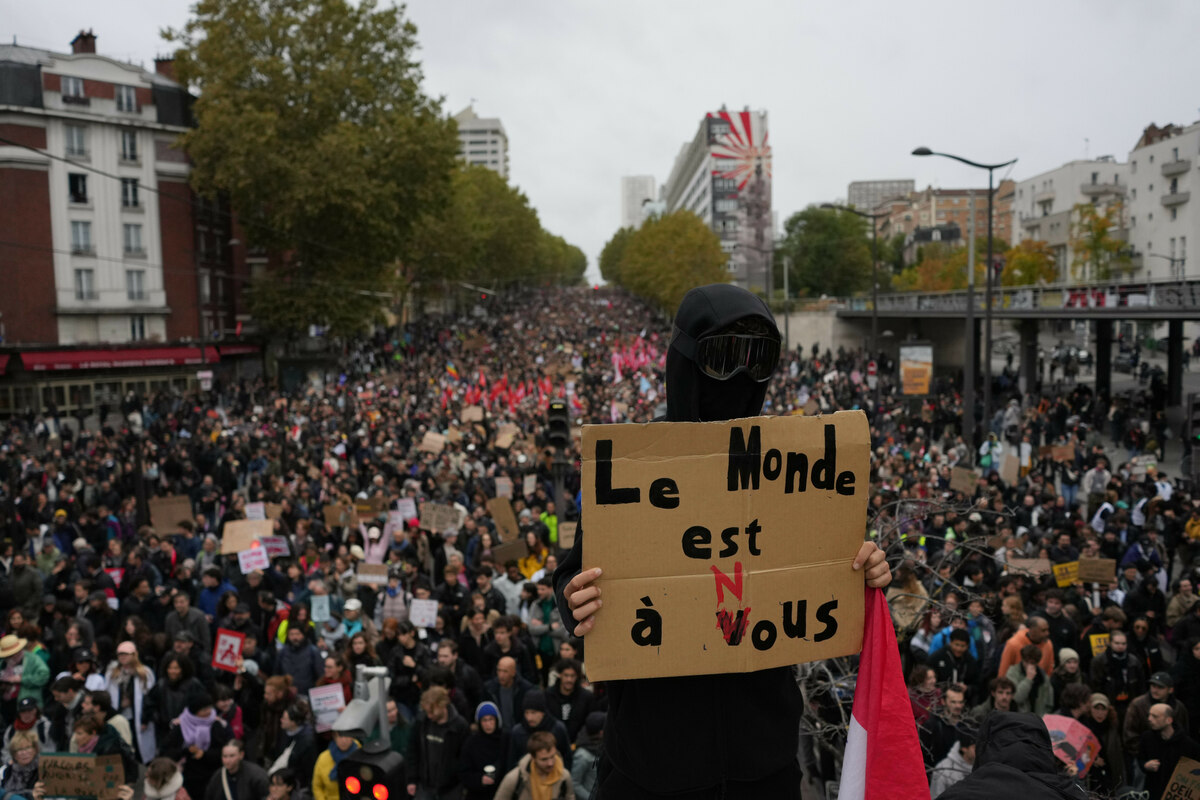
Over the last several weeks, the government has responded to the growing movement not by opening channels of dialogue, but by tightening the screws of state control. The sequence of events reflects a hardening stance:
- Initial Mobilization: As inflation eroded purchasing power, trade unions and grassroots activist groups organized demonstrations across major urban centers, including Paris, Marseille, and Lyon.
- The Regulatory Crackdown: Sensing a loss of control, the Interior Ministry implemented sweeping bans on demonstrations in specific high-traffic zones, citing "public security" concerns.
- Media and Political Deflection: Simultaneously, members of the government and allied media outlets launched a concerted effort to frame the protesters as "useful idiots" of the radical left (La France Insoumise) or as "complicit" in acts of vandalism.
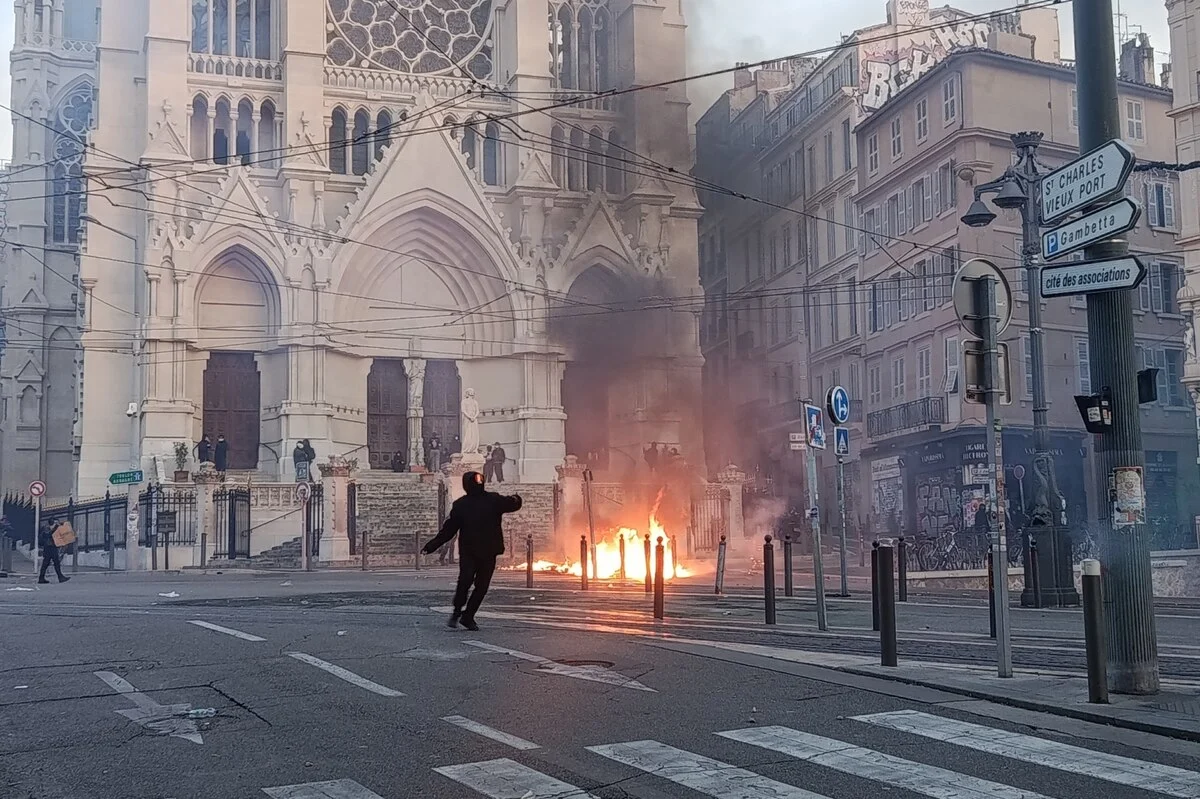
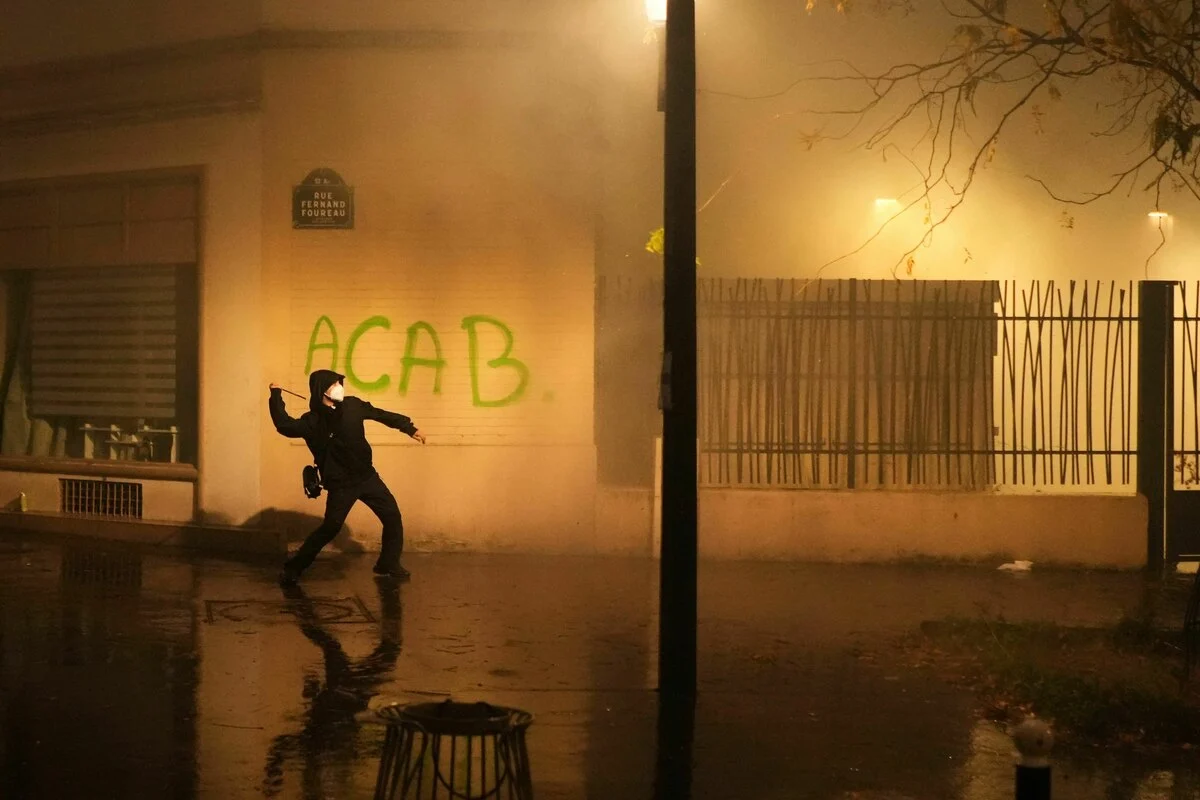
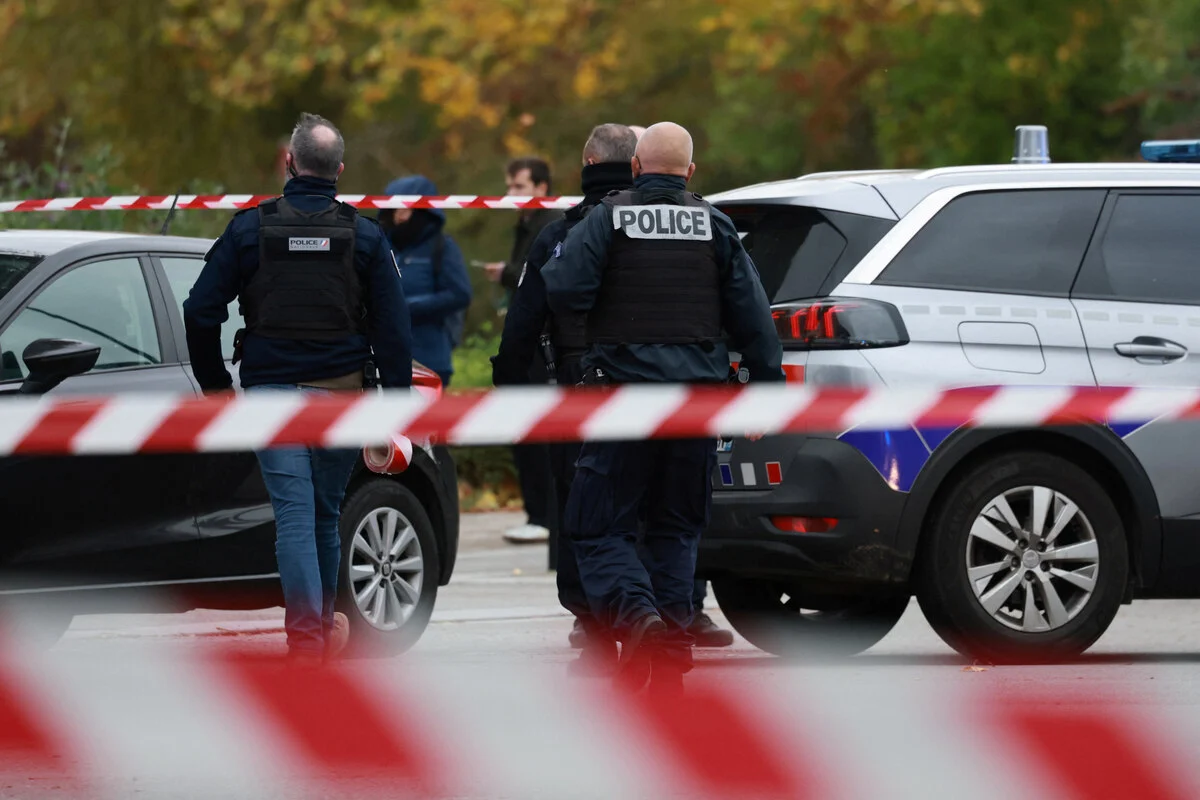
- The Weekend Standoff: Despite the administrative hurdles, hundreds of thousands defied the prohibitions. The state responded with heavy police deployments, including the use of armored vehicles in cities like Marseille, leading to clashes, tear gas deployment, and over 1,000 arrests.
The Architecture of a Discredited Narrative
A central pillar of the government’s response has been the characterization of the protesters as a fringe, manipulated minority. By labeling the movement as a creation of "ultraleftist" elements, the administration seeks to strip the protesters of their legitimate grievances regarding the cost of living and systemic inequality.
This narrative strategy serves two purposes. First, it attempts to insulate the president from direct responsibility for the economic crisis. By blaming the unrest on political provocateurs, the government avoids the necessity of addressing substantive policy changes. Second, it shifts the focus away from the state’s own failures—such as the inability to curb inflation or address the crumbling infrastructure of the public school system—and redirects it toward the "damage to France’s image" and the resulting financial market volatility.

However, independent analysts and the French press have noted that this rhetoric is increasingly hollow. The newspaper Libération recently captured the mood of political observers, noting that if President Emmanuel Macron were intentionally trying to bolster the electoral prospects of the far-right—specifically Marine Le Pen—his current strategy of provocation and repression could not be more effective.
Supporting Data and Socio-Economic Context
The root of the current friction lies in the cold, hard numbers of the French economy. Inflation, which has outpaced wage growth, has hit the working class and rural populations particularly hard.
- Purchasing Power: Real wages have stagnated while the cost of energy, food, and housing has surged. For many, the "social contract" has been effectively torn up.
- State Spending: While the government points to the cost of social support programs, critics argue that the state has failed to prioritize the "most vulnerable," instead opting for tax policies that favor the wealthy, further exacerbating income inequality.
- The Cost of Repression: The financial burden of maintaining a heavy police presence—including the deployment of armored units and the administrative costs of prosecuting thousands of detainees—has ironically drained resources that could have been directed toward educational or social support programs, which demonstrators have specifically requested.
Official Responses and the "Law and Order" Trap
The official stance of the French government remains rooted in "Order and Law." Government spokespeople have consistently defended the use of force, arguing that the presence of agitators and the occurrence of looting render the entire movement illegitimate.

There is an evident trap here: violence and property damage, while limited to a fraction of the total protesters, provide the state with the pretext to silence the broader, peaceful majority. By conflating the peaceful demonstrator with the rioter, the state justifies the use of tear gas and the imposition of blanket bans.
Yet, the state’s refusal to engage with the peaceful protesters is a failure of democratic governance. As a former official close to the executive branch recently noted, "A government that relies on police cordons rather than the ballot box or the negotiating table is a government that has already lost its mandate."
Implications for the Future of French Democracy
The current situation carries grave implications for the future of the Fifth Republic. The alienation of the middle and working classes from the political establishment is reaching a tipping point.

1. The Rise of Political Extremes
The most significant consequence of the government’s hardline approach is the vacuum it creates for the far-right. By failing to offer a coherent social policy that addresses the concerns of the "forgotten" French citizen, Macron leaves the field wide open for populist rhetoric. Marine Le Pen’s party has been careful to capitalize on this, presenting themselves as the "party of the people" while distancing themselves from the chaos of the street, effectively positioning themselves as the only alternative to the current gridlock.
2. The Erosion of Democratic Norms
The systematic use of demonstration bans and the delegitimization of protest organizers are setting dangerous precedents. When the right to assemble is treated as a privilege to be granted or revoked by the state rather than a fundamental right, the quality of democracy inevitably declines. The reliance on police power to quell dissent is a short-term survival strategy that risks long-term instability.
3. The Need for Structural Reform
The protesters are not merely asking for handouts; they are demanding a rethink of how the state manages wealth and opportunity. The refusal to discuss credit for schools, the lack of investment in public services, and the perceived indifference of the political elite are the issues that truly drive the crowds. Until the government pivots from a strategy of containment to a strategy of genuine reform, the cycle of protest will likely continue, further straining the social fabric of the nation.

Conclusion
The images of burning barricades and police in riot gear in French streets are not just signs of temporary disorder; they are symptoms of a deep-seated crisis of representation. President Macron finds himself at a critical juncture. He can continue to rely on the repressive apparatus of the state to suppress dissent, or he can recognize that the current path leads only to further polarization and, potentially, the end of his own political project.
The protesters, despite the tear gas and the smears, have proven that they are not going away. Their persistence is a reminder that in a democracy, the ultimate source of power is the consent of the governed—a consent that is currently being withdrawn at an alarming rate. Whether this leads to a revitalized democratic process or a deeper descent into political instability remains the defining question for France in the months to come.