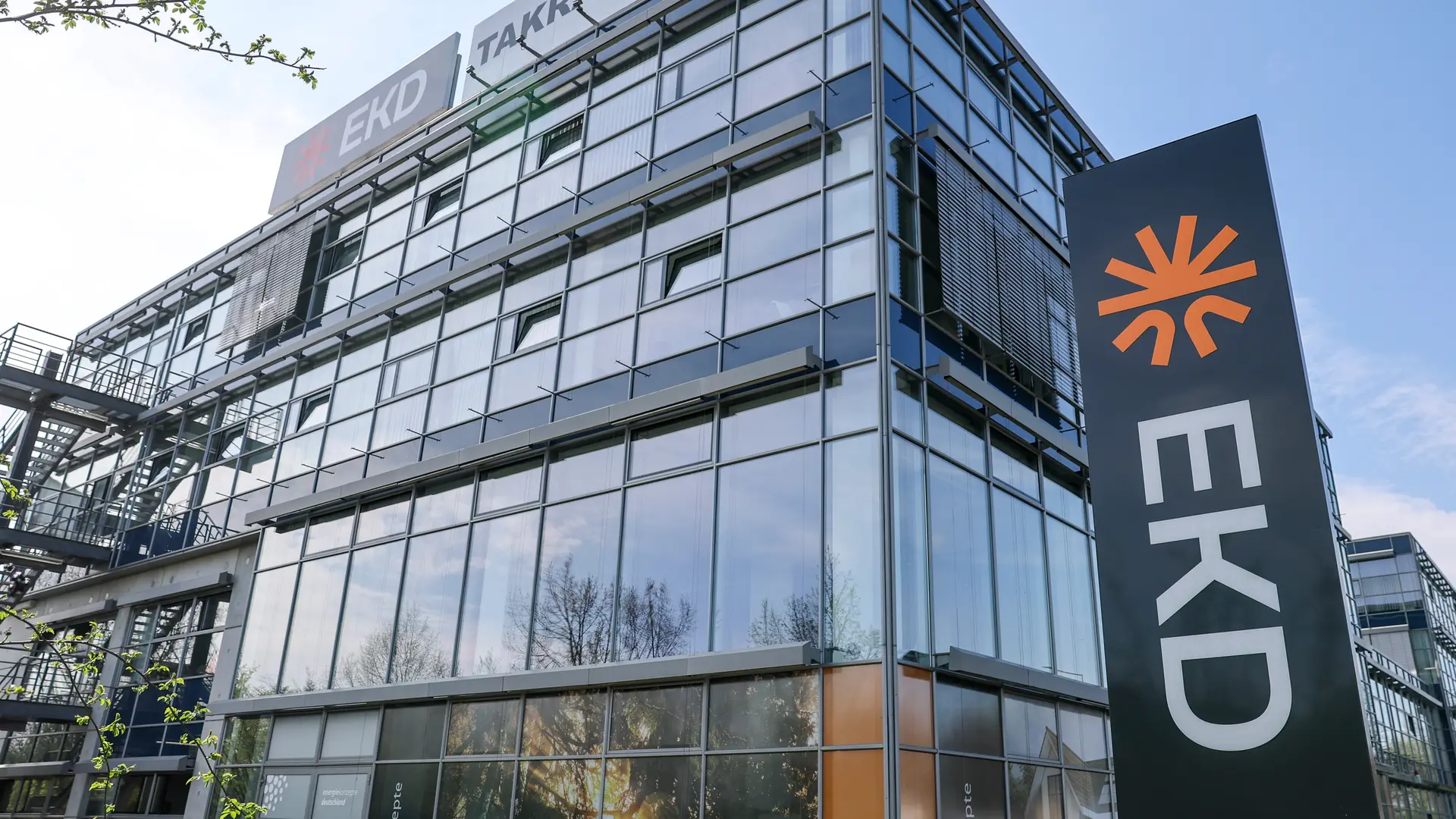
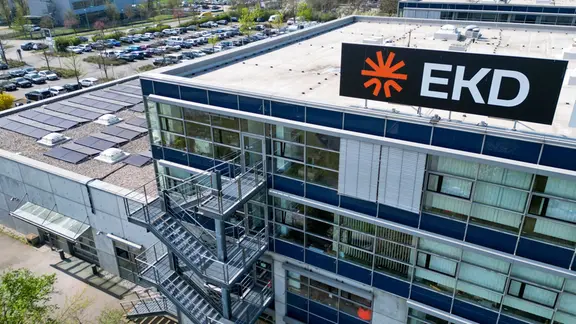
In a development that has sent shockwaves through the German renewable energy market, the prominent solar provider Energiekonzepte Deutschland (EKD), headquartered in Leipzig and Taucha, has officially filed for insolvency. The collapse of the company, which boasts a portfolio of over 45,000 installed photovoltaic systems across the country, highlights the precarious nature of the green energy transition and leaves thousands of homeowners facing significant uncertainty regarding their investments, warranties, and ongoing service agreements.
As of October 25, 2026, the company has entered formal insolvency proceedings. While approximately 400 permanent employees at the Leipzig and Taucha hubs have been assured that their wages are secured for the next three months via the German government’s insolvency benefits program, the future of the company remains bleak.
The Anatomy of a Collapse: How a Market Leader Faltered
The insolvency of EKD is particularly jarring because, by all external metrics, the company was experiencing a period of significant growth. With tens of thousands of installations to its name, EKD had established itself as a major player in the residential solar market, specializing not only in photovoltaic panels but also in the integration of heat pumps and battery storage systems.
According to preliminary reports, the primary catalyst for this financial breakdown was not a lack of customer demand, but a sudden and catastrophic withdrawal of capital. Sources close to the company indicate that a major London-based institutional investor abruptly halted its funding, creating an immediate liquidity gap that the company could not bridge independently. This "sudden stop" in financing left the firm unable to meet its operational obligations, triggering the legal requirement to file for insolvency.
A Chronology of Uncertainty
The cracks in EKD’s foundation became apparent to customers long before the official filing. In the months leading up to the bankruptcy, a growing number of clients reported service failures, communication breakdowns, and incomplete installations.
- Early 2026: EKD continues aggressive expansion, securing new contracts for integrated energy solutions.
- Mid-2026: Customers begin reporting delays in the installation of smart-meter infrastructure and persistent technical defects that go unaddressed by the company’s support teams.
- Late Summer 2026: Reports emerge of customers being unable to reach support hotlines, and some users note that their solar monitoring apps—essential for tracking energy production—have gone offline.
- October 2026: The London-based lead investor withdraws support.
- October 25, 2026: EKD files for formal insolvency in Leipzig.
The Human Cost: Case Studies in Frustration
For many, the dream of energy independence has turned into a bureaucratic and financial nightmare. One such case involves "Herr K.", a homeowner in the southern suburbs of Dresden. Having invested in a comprehensive package from EKD—including a high-end solar array, a state-of-the-art heat pump, and a battery storage system—he found his project stalled at the final hurdle.
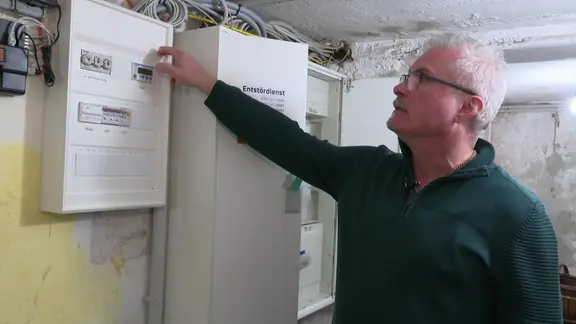
"The installation was messy, and the control cabinet was not installed to code," Herr K. explained to journalists. Upon inspecting the installation himself, he discovered damaged cabling and poor insulation, which led his local energy provider to refuse to connect the system to the public grid. When he attempted to contact EKD for a correction, he was met with silence.
This experience is far from isolated. Across Germany, homeowners are reporting a trifecta of issues: uncompleted installations, technical defects that remain uncorrected, and a complete lack of clarity regarding long-term maintenance warranties that were sold as part of their service packages.
Expert Analysis: A Cascade of Legal Challenges
Rechtsanwalt Daniel Blazek, a specialist attorney currently representing dozens of affected EKD customers, warns that the company is facing a "lawsuit avalanche." According to Blazek, the affected client base can be categorized into three distinct, high-risk groups:
- The "Incomplete" Group: Customers who have paid substantial deposits but possess only partially installed or non-functional systems.
- The "Defective" Group: Customers whose systems are operational but suffer from critical technical flaws that EKD is now unable to rectify.
- The "Warranty-Orphaned" Group: Customers with functional systems who are now terrified that their long-term service contracts and hardware warranties are effectively worthless.
Blazek remains deeply skeptical about the company’s prospects for survival. "I consider the continuation of EKD in its current form highly unlikely," he stated. "It is plausible that parts of the company’s infrastructure or client base might be sold off to competitors, but the EKD entity as it exists today is effectively hollow."
Official Perspectives and Guidance
The court-appointed insolvency administrator has issued a statement claiming that all existing contracts will be "processed." However, legal experts remain cautious, noting that "processing" a contract during insolvency often means something very different from fulfilling it in full.
Ewout Keuleers, a spokesperson for the local Consumer Protection Agency (Verbraucherzentrale), has offered pragmatic advice to those caught in the middle. While he encourages caution, he advises against panic.
"At this stage, we are in the period of preliminary insolvency," Keuleers explained. "My recommendation to consumers is to act with extreme caution: do not make any further advance payments to the company. Secure all documentation, including original contracts, correspondence, and proof of payments. Maintain a log of all defects. Above all, maintain communication with the insolvency administrator, but do not expect immediate miracles."
Implications for the German Renewable Sector
The collapse of EKD serves as a cautionary tale for the broader green transition in Europe. As governments push for rapid decarbonization and the widespread adoption of home-based energy systems, the market has seen an explosion of rapid-growth service providers. These companies often operate on razor-thin margins, relying heavily on debt financing or venture capital to fund rapid expansion.
When the macro-economic environment shifts—such as the tightening of credit markets or the withdrawal of institutional backing—these companies are often the first to fail. For the German energy market, this raises critical questions about consumer protection. Should there be stricter financial requirements for companies promising long-term maintenance and multi-year warranties? How can homeowners be protected from the insolvency of the very firms they trust to manage their energy independence?
What Comes Next?
The road ahead is expected to be long. The formal opening of the insolvency proceedings is scheduled for December 1, 2026. Until that date, the company will continue to operate in a "limbo" state, with the insolvency administrator assessing the value of the remaining assets.
For the employees, the next three months provide a temporary reprieve, but the threat of unemployment remains high. For the customers, the focus is now on mitigation: seeking alternative installers to finish the work, navigating the complexities of claiming losses through the insolvency process, and attempting to salvage whatever value remains in their investments.
As the industry watches this situation unfold, one thing is clear: the transition to renewable energy is not just a technological challenge, but a massive financial undertaking that requires stable, reliable, and solvent partners. The EKD collapse is a stark reminder that even in a booming industry, the risks of corporate failure are ever-present, and the consequences for the consumer are often severe.

For those currently affected, the message from legal and consumer advocates is unanimous: Document everything, stop all payments, and prepare for a protracted legal process. The transition to green energy may be inevitable, but the journey, as EKD customers are now learning, is fraught with unexpected perils.