In the tranquil, mist-shrouded landscapes of Saxony, Germany, a tradition as old as the Renaissance continues to define the rhythm of the seasons. For more than half a millennium, the town of Moritzburg has been synonymous with one of the most enduring agricultural practices in Central Europe: the cultivation of carp. With records dating back to 1502, the Moritzburg fishery is not merely a commercial enterprise; it is a living monument to sustainable land management, historical continuity, and the delicate balance between human intervention and the natural environment.
The Foundations of a Half-Millennium Legacy
The history of the Moritzburg pond landscape is inextricably linked to the Wettin dynasty, the electors and kings of Saxony who transformed the area into a hunting seat and a masterpiece of landscape architecture. However, beneath the aesthetic appeal of the iconic yellow-and-white castle lies a sophisticated system of hydraulic engineering designed for the productive harvest of fish.
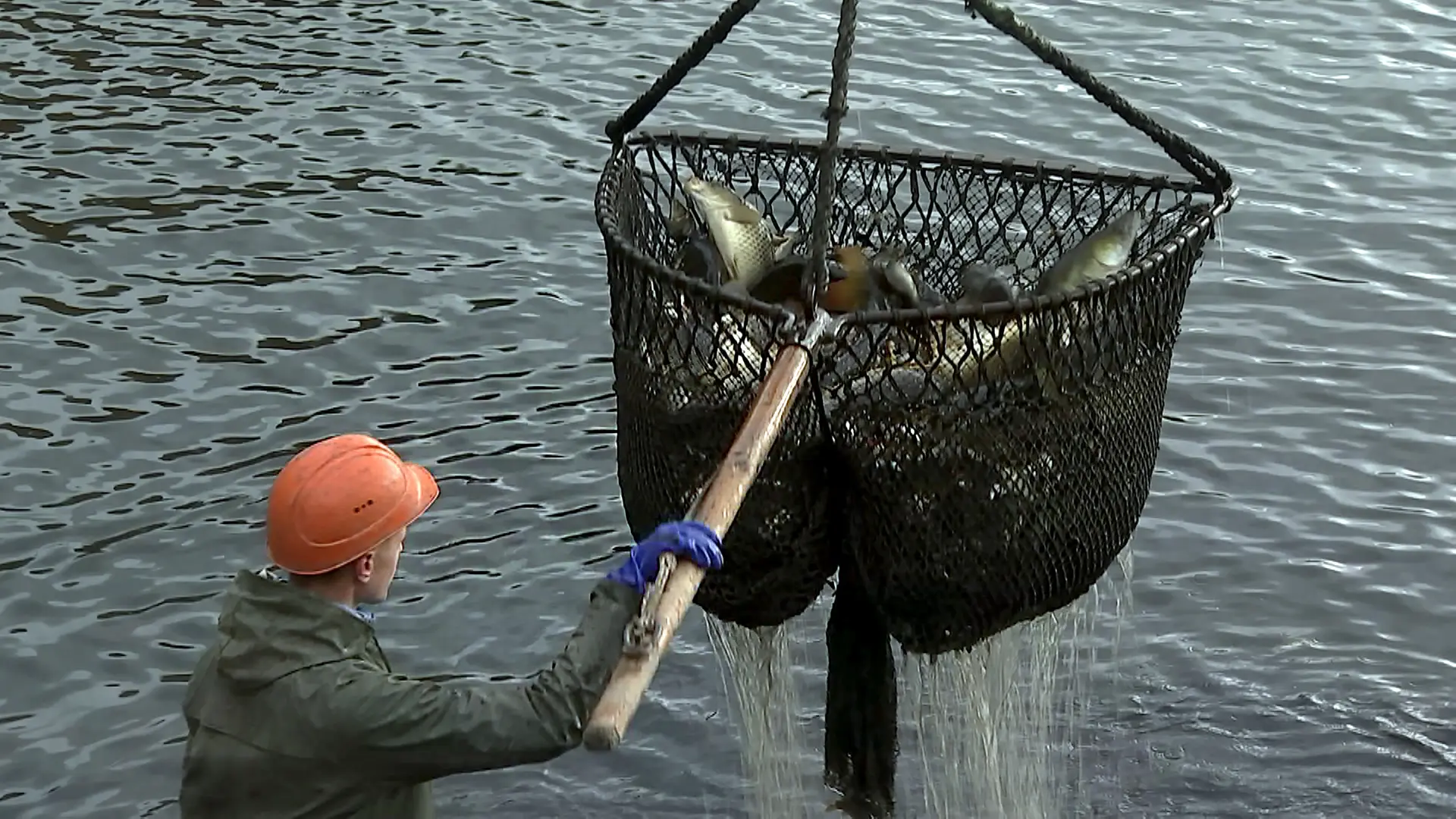
Documented evidence confirms that by 1502, the cultivation of carp was already a well-established practice, likely initiated to provide a consistent food source during the liturgical fasting periods of the Middle Ages and early modern period. Over the centuries, the complex, which encompasses dozens of interconnected ponds, has been refined. The engineering marvel lies in the ability to drain and flood these ponds, mimicking the natural cycles of wetlands while optimizing growth conditions for the carp.
The Ritual of the Harvest: A Chronology of Tradition
The highlight of the agricultural year in Moritzburg is the traditional "Abfischen"—the autumn harvest. As the air turns crisp and the first frosts signal the approach of winter, the keepers of the ponds begin the arduous, yet meticulously choreographed, task of draining the water.

The Preparation
Weeks before the actual harvest, the water levels are carefully lowered. This process is not instantaneous; it requires a precise understanding of the local topography and the needs of the fish. By gradually reducing the water volume, the fish are concentrated in the deeper sections of the ponds, known as the "kessel" or kettle.
The Harvest Day
The actual act of fishing remains largely unchanged from the practices employed centuries ago. Teams of fishers, often clad in high rubber waders, use long, heavy drag nets to traverse the muddy basins. This is a communal effort, requiring physical endurance and a deep knowledge of the pond’s floor. The goal is to corral the fish gently, ensuring they are not stressed, as high-quality fish demand careful handling.

The Sorting and Transport
Once pulled from the water, the carp are sorted by size and age. This selection process ensures that the population for the following year is preserved, maintaining the ecological health of the ponds. The harvested fish are then moved to clear-water holding tanks, where they are kept for several weeks. This period is crucial for purging, ensuring that the final product, which eventually finds its way to the kitchens of Saxony and beyond, is of the highest culinary quality.
Supporting Data: The Science of Sustainable Aquaculture
While the techniques are ancient, the management of the Moritzburg ponds is supported by modern environmental science. The pond system functions as an enormous natural filter, where the water quality is regulated by the aquatic vegetation and the specific stocking densities of the fish.
- Biodiversity: The ponds are not just for carp; they are vital habitats for rare amphibians, dragonflies, and migratory birds. The cycle of draining and refilling the ponds allows for the growth of specific marsh grasses that serve as breeding grounds for diverse species.
- Carbon Sequestration: Research indicates that well-managed, shallow-water pond systems like those in Moritzburg play a role in carbon sequestration, as the sediment traps organic matter that would otherwise decompose and release greenhouse gases.
- Yield Stability: Despite the unpredictability of climate change—such as recent years of prolonged drought—the Moritzburg system has shown remarkable resilience. The ability to manage water retention in a cascade system allows for a degree of buffering against environmental shocks.
Official Responses and Perspectives
Local authorities and the Saxony State Ministry for Energy, Climate Protection, Environment, and Agriculture have long recognized the cultural and ecological significance of the Moritzburg fishery. In recent years, the emphasis has shifted from simple production to "integrated landscape management."
"The Moritzburg ponds are a testament to the fact that cultural heritage and environmental conservation can coexist," says a spokesperson for the local environmental administration. "We are not just protecting a fish farm; we are protecting a historical landscape that provides essential ecosystem services to the region."

Industry experts highlight that the tradition is also a form of "slow food" in its truest sense. By keeping the entire process—from breeding and growth to harvesting and distribution—local, the carbon footprint of the product is significantly lower than that of imported fish. Furthermore, the fishers themselves emphasize that the "old ways" are not merely romanticized relics; they are the most effective way to ensure the long-term health of the ponds. Using heavy machinery in these sensitive basins would destroy the delicate ecosystem that has been cultivated over 500 years.
The Economic and Cultural Implications
The implications of the 500-year-old carp tradition are felt far beyond the banks of the ponds.

Economic Impact
The fishery supports a network of local businesses, from restaurants that feature fresh carp on their menus to tourism operators who draw thousands of visitors to the region for the harvest festival. The "Moritzburg Carp" has become a regional brand, synonymous with quality and tradition, which helps sustain the local economy against the pressures of globalization.
Cultural Identity
For the people of Saxony, the carp harvest is a marker of time. It is a tradition that connects the modern inhabitant to the historical landscape. It serves as a reminder of a period when the relationship between human society and the land was defined by careful stewardship rather than industrial extraction.

Future Challenges
However, the tradition faces modern hurdles. Rising temperatures and altered precipitation patterns due to climate change pose a risk to the water balance of the ponds. Furthermore, the younger generation’s interest in the labor-intensive, cold-weather work of a fish farmer is in decline. Sustaining the practice requires a dual approach: supporting the economic viability of the fishery through government subsidies for cultural heritage and investing in new, young professionals who are willing to bridge the gap between historical practice and modern environmental challenges.
Conclusion: A Living Heritage
The, story of the Moritzburg carp is more than a narrative about a fish; it is an exploration of endurance. While governments and technologies have risen and fallen, the fundamental act of harvesting the ponds has remained a constant. By valuing these traditions, we are not merely preserving a piece of history; we are maintaining a vital, functioning system that demonstrates how humanity can operate within the cycles of nature.
As we look toward the next 500 years, the challenge will be to ensure that the "Abfischen" continues to be a living, breathing tradition rather than a museum exhibit. It requires the continued support of the community, the commitment of the state to protect these historical water rights, and the recognition that the simplest, oldest methods are often the most sophisticated answers to the problems of sustainability. The carp of Moritzburg are a gift from the past, and if managed with the same reverence that has characterized the last five centuries, they will remain a vital, healthy part of the landscape for many generations to come.