On October 21, the gaming industry witnessed a seismic shift. Electronic Arts (EA) officially announced the closure of BioWare, the legendary studio responsible for defining the modern Western Role-Playing Game (RPG). For millions of players, this news marks the definitive end of an era. From the complex, moral-driven narratives of Baldur’s Gate to the galactic scale of Mass Effect, BioWare did not just make games; they crafted worlds that felt alive, populated by companions who became as real to players as friends.
As the industry grapples with the loss of this iconic developer, we turn our attention to the legacy they leave behind, the circumstances that led to this corporate decision, and the uncertain future of the intellectual properties that once stood at the pinnacle of the medium.
A Pioneer of the RPG Genre: A Legacy Defined
BioWare’s history is, in many ways, the history of the evolution of the RPG. Founded in 1995 in Edmonton, Canada, the studio quickly established its pedigree with Shattered Steel, but it was the 1998 release of Baldur’s Gate that cemented their reputation. By leveraging the Dungeons & Dragons license with unprecedented fidelity, BioWare proved that computers could replicate the depth of tabletop role-playing.
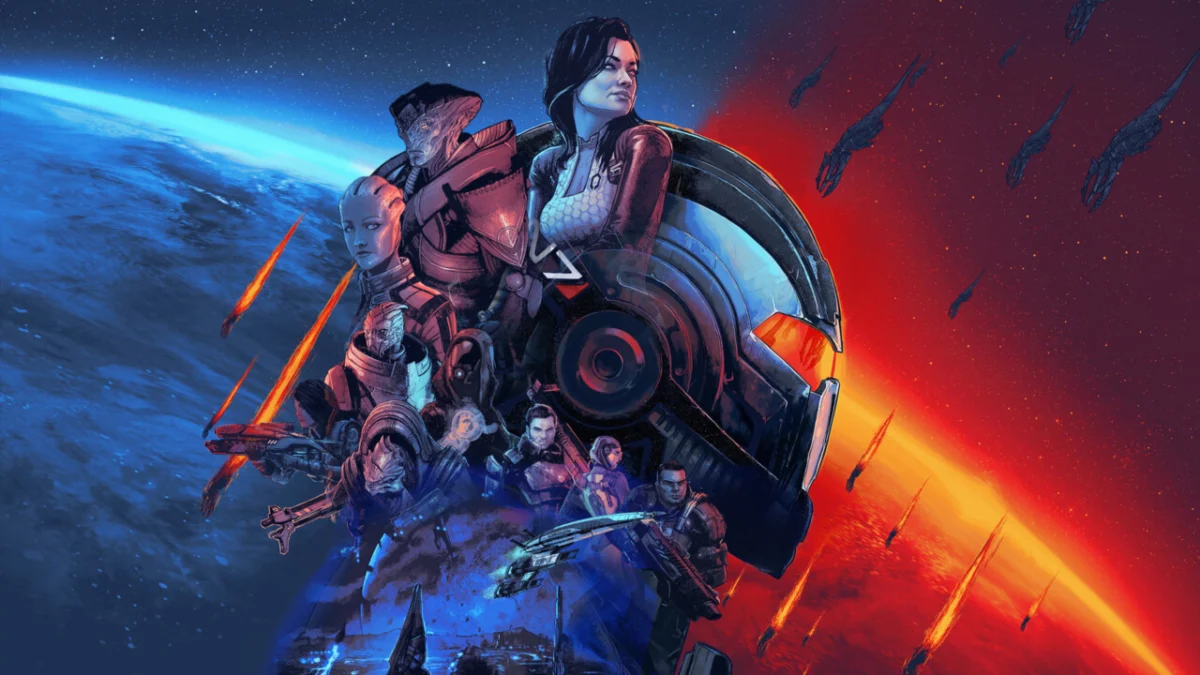
Throughout the 2000s, the studio hit a creative zenith. Titles like Neverwinter Nights pushed the boundaries of player-generated content, while Star Wars: Knights of the Old Republic (KOTOR) remains arguably the greatest Star Wars game ever made, introducing a cinematic flair that would become the studio’s trademark. This trajectory continued with the Mass Effect trilogy, a series that redefined player choice and character relationships, and Dragon Age, which brought a gritty, high-fantasy complexity to the genre.
For over two decades, BioWare was synonymous with "narrative-driven gaming." They were the gold standard for branching storylines and deep, emotional character arcs. Yet, the industry is a volatile landscape, and even the most revered names are not immune to the pressures of modern, bottom-line-focused corporate strategy.
The Chronology of Decline: From Creative Peak to Corporate Restructuring
The story of BioWare’s closure is not one of a sudden, catastrophic failure, but rather a slow, painful erosion of identity. The problems began to manifest following the acquisition by Electronic Arts in 2007. While the early years of the partnership produced hits like Mass Effect 2, internal cultural clashes and a shift toward "live service" models began to take their toll.
- 2012–2014: The controversial ending of Mass Effect 3 signaled the first major fracture in the relationship between the developer and its core fanbase. Following this, the departure of key founders Ray Muzyka and Greg Zeschuk signaled the end of the "old guard."
- 2017: The release of Mass Effect: Andromeda served as a critical turning point. Hampered by a troubled development cycle and a departure from the series’ established narrative strength, the game received lukewarm reviews, casting doubt on the studio’s ability to maintain its high standards.
- 2019: The launch of Anthem proved to be the most significant blow. An attempt to pivot into the lucrative "Games as a Service" (GaaS) market, Anthem was plagued by technical bugs, a lack of content, and a fundamental mismatch between BioWare’s strengths (narrative) and the game’s design (looter-shooter).
- 2021–2024: Despite efforts to course-correct with the Mass Effect Legendary Edition, the studio remained under immense pressure from EA to deliver consistent financial growth. In the wake of a broader industry trend of mass layoffs and studio consolidation, EA initiated a massive restructuring project that ultimately prioritized short-term profitability in high-growth sectors like sports simulations and established shooters like Apex Legends.
On October 21, 2024, the final decision was made: BioWare would cease operations, and its development teams would be shuttered.
Supporting Data and The "What Could Have Been"
The pain of the closure was exacerbated just 24 hours later, when a trailer for Mass Effect: Universe—the internal working title for the next entry in the legendary franchise—was leaked online. The footage, though brief, offered a glimpse into a project that promised a return to the series’ roots, featuring familiar aesthetics and hints at a sprawling narrative arc.
For the community, the leak was a "finger in the wound." It confirmed that the studio had been actively working on a vision that many fans were desperate to see, only to have it shelved indefinitely.
Furthermore, data regarding player engagement with BioWare titles suggests that the brand remained incredibly strong, even if the studio’s recent output was inconsistent. Surveys conducted within the community reveal that nearly 85% of active RPG players have played at least three major titles from the BioWare library. The persistent demand for high-quality single-player RPGs contrasts sharply with EA’s decision to pivot toward live-service titles, raising questions about whether the publisher lost sight of the value proposition that made BioWare famous in the first place.
Official Responses and Strategic Implications
Electronic Arts has framed the closure as a "strategic realignment." In official statements, EA leadership noted that they intend to "focus investment on areas of growth," specifically citing the success of their sports franchises and the Apex Legends ecosystem.
The implication is clear: the era of the high-budget, single-player, narrative-heavy RPG—at least under the banner of EA—has reached its natural conclusion. While EA has signaled that they may retain the intellectual property rights to Mass Effect and Dragon Age, they have provided no concrete roadmap for how these franchises will exist in a post-BioWare world.
There is, however, a glimmer of hope in other media. Amazon Prime Video continues to develop a Mass Effect television series, suggesting that while the games may be shuttered, the stories have enough cultural weight to be adapted for different mediums. Whether this will satisfy fans who wanted to play these stories, rather than watch them, remains to be seen.
The Future of the RPG: Where Do We Go From Here?
As the dust settles, the gaming community is left to ask: What happens now? The closure of BioWare leaves a massive void in the market. The "BioWare-style" RPG—defined by moral dilemmas, companion loyalty systems, and cinematic dialogue wheels—is currently being kept alive by smaller, independent studios like Larian (the creators of Baldur’s Gate 3), but the loss of a major-publisher powerhouse like BioWare creates an industry-wide vacuum.
1. The Question of Legacy
Should these franchises be handed over to other developers? The community is split. Many argue that the "BioWare magic" was tied to the specific creative culture of the Edmonton and Austin teams. Handing Mass Effect to an outside studio, they fear, would only result in a hollow imitation. Others believe that the stories are too important to be abandoned and that a fresh perspective could reinvigorate the series.
2. The Loss of the "Companion"
Perhaps the greatest loss is the companion system. BioWare taught the industry that the characters surrounding the player are just as important as the protagonist. As we look to the future, the industry must decide if it will continue to prioritize the "human" element of storytelling or if it will fully commit to the data-driven, engagement-focused metrics that led to this current state of affairs.
3. A Call to Remember
The current discourse within the gaming community is reflective of a larger mourning process. Through forums and social media, thousands of players are sharing their "BioWare moments"—the moment they first landed on the Citadel, the heartbreak of losing a companion in Dragon Age, or the first time they sat in the captain’s chair of the Normandy.
Conclusion: The Final Prompt
As we conclude this retrospective, we look to you, the reader. What does the name BioWare represent for you? Is it the nostalgia of an isometric RPG played on a CRT monitor? Is it the cinematic thrill of an intergalactic adventure? Or is it a cautionary tale of what happens when corporate pressure meets creative ambition?
The closure of BioWare is a somber reminder that in the fast-paced world of gaming, even legends can fall. However, the influence of their work is indelible. The narratives they built, the choices they forced us to make, and the characters they taught us to love will remain part of the gaming canon forever. While the studio has closed its doors, the impact of their journey will be felt in every RPG developed for years to come.
We invite you to join the conversation. Which BioWare title left the deepest scar on your heart? Should these franchises be allowed to rest, or do they deserve a second chance in the hands of new storytellers? The legacy of BioWare belongs to the players now, and it is up to us to ensure that the stories they told are never forgotten.