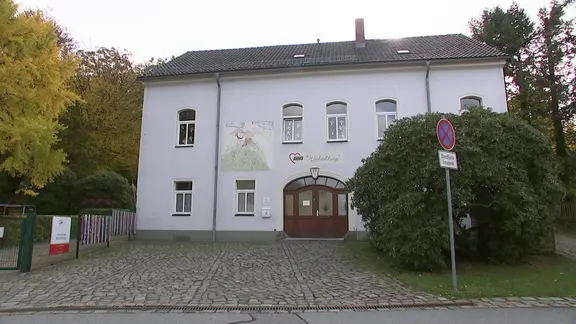
Pulsnitz, Germany – In the quiet town of Pulsnitz, a unique social experiment is teetering on the edge of collapse. For over 16 years, the "Wichtelburg" nursery (Kita) has served as a vital bridge between two ends of the life spectrum: toddlers just beginning their journey and seniors in the twilight of theirs. Through a deeply integrated partnership with the local Seniorenresidenz Pulsnitztal, the nursery has turned simple social interaction into a cornerstone of community health. However, as of late October 2026, the facility faces the grim prospect of closure due to a dramatic decline in enrollment, threatening to dismantle a model of intergenerational cohesion that many experts view as a gold standard for social care.
The Core of the Crisis: A Facility in Jeopardy
The current crisis at the Wichtelburg is defined by a stark statistic: the facility is currently operating at only 50 percent capacity. In a landscape where childcare demand is often high, this underutilization is a paradoxical trend that has forced local authorities and administrators to consider the unthinkable.
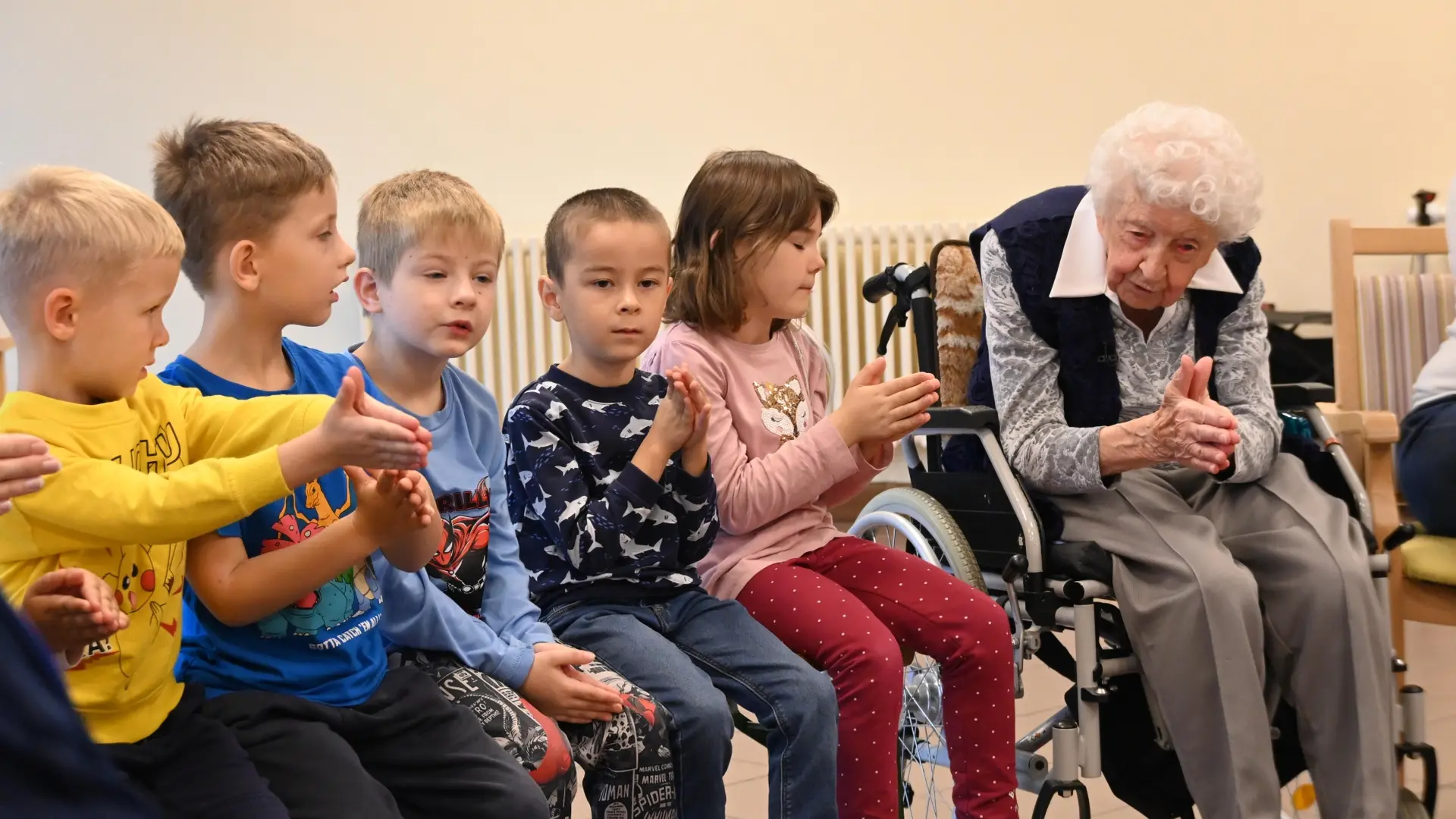
While the administrative decision-makers weigh the fiscal realities of maintaining a half-empty building, the emotional and social cost of a potential closure is being voiced loudly by the residents of the nearby nursing home. For the elderly, the nursery is not just a building; it is a source of vitality. The laughter of children, the shared crafts, and the spontaneous moments of connection have provided a therapeutic rhythm to the lives of seniors who often grapple with loneliness and social isolation.
Chronology of a Community Bond
The partnership between the Wichtelburg nursery and the Seniorenresidenz Pulsnitztal did not happen overnight; it was a slow, deliberate cultivation of community spirit.

- 2010: The Inception. The initiative began as a small pilot project, born from the belief that isolation in nursing homes could be mitigated by the natural, unfiltered energy of children. Initial visits were infrequent, focusing on holiday performances and simple seasonal crafts.
- 2014-2018: Expansion and Integration. As the benefits became clear—with residents showing increased cognitive alertness and improved mood—the program expanded. Regular "Morgenkreis" (morning circles) were established, becoming a staple of the weekly schedule.
- 2022: Institutional Recognition. The project was recognized by regional social welfare organizations as a model for "Generational Synergy," gaining minor subsidies to facilitate joint excursions and larger collaborative events.
- 2026: The Demographic Shift. A sudden decline in local birth rates and shifting family structures in the Pulsnitz region led to a sharp drop in nursery enrollment. By the autumn of 2026, the Wichtelburg reached the critical 50 percent occupancy threshold that triggered the review for closure.
The Heart of the Program: A 103-Year-Old Perspective
The value of this partnership is perhaps best personified by 103-year-old Johanna Kretzschmar. A retired educator herself, Kretzschmar has become a central figure in the intergenerational sessions. During the morning circles, she does not merely observe; she leads.
"When the children are attentive and listen, you feel truly present," Kretzschmar explains. Her presence serves as a living link to the past, while the children represent the future. For the residents, these encounters are the undisputed highlights of their week. The sensory experience of a child’s hand in a wrinkled one, or the sound of a nursery rhyme sung in unison, provides a level of cognitive and emotional stimulation that medical interventions simply cannot replicate.
"The children begin asking when they can go back to see their ‘Omis and Opis’ almost as soon as they get back from a visit," says Silke Thuß, the deputy director of the nursery. This mutual anticipation is the strongest evidence of the program’s success.
Official Responses and Administrative Stance
The administration of the Wichtelburg, led by dedicated staff members, is currently in a defensive posture. The emotional toll on the staff is significant; they are not only concerned about their own professional futures but are also deeply attached to the children they care for and the residents they have grown to know like family.
"The situation is incredibly burdensome," says Silke Thuß. "Our staff members are in a state of limbo. They are trying to maintain a high standard of education and care while knowing that their workplace could cease to exist by next year."
Local government officials have remained cautious in their public statements. While acknowledging the value of the intergenerational program, they cite the "fiscal sustainability" of maintaining aging infrastructure for a significantly reduced number of pupils. Critics of this stance argue that a daycare center should not be viewed through a purely economic lens, particularly when it provides such a profound social service to the elderly population, which is also a public health concern.

The Broader Implications: Why It Matters
The potential closure of the Wichtelburg raises critical questions about how modern societies manage the intersection of aging populations and child development.
1. The Social Cost of Loneliness
Studies have repeatedly shown that social isolation is a primary driver of depression and rapid cognitive decline in the elderly. The Wichtelburg model provides a non-medical solution to this crisis. If the nursery closes, the residents of the Pulsnitztal home will lose a primary source of social interaction, likely necessitating increased costs for therapeutic support and staff-led stimulation activities.

2. Developmental Benefits for Children
For the children, the benefits are equally profound. Exposure to the elderly teaches empathy, patience, and a broader understanding of the human lifecycle. In an age of digital isolation, these physical, face-to-face interactions foster social intelligence that is difficult to teach in a vacuum.
3. The Urban Planning Dilemma
The situation in Pulsnitz highlights a common failure in urban and social planning: the separation of generations. When schools, nurseries, and nursing homes are designed as silos, society loses the organic, intergenerational support systems that historically kept communities cohesive.
Moving Forward: The Fight for Preservation
Despite the bleak projections, there is a movement among the parents, staff, and nursing home administrators to save the Wichtelburg. Petitions have been circulated, and discussions with municipal boards are ongoing.
"We are not just fighting for a building," says Katrin Malsch, head of the social team at the Seniorenresidenz. "We are fighting for the continuity of these relationships. These children know these residents. There is a deep, authentic bond here that, once severed, cannot be easily replaced or replicated."
The advocates for the nursery propose a restructuring that could potentially include a more flexible enrollment model, or perhaps a consolidation of services that would allow the building to function as a multi-purpose community hub rather than just a traditional nursery.
Conclusion: A Turning Point for Pulsnitz
The case of the Wichtelburg in Pulsnitz is a microcosm of a broader challenge facing Germany and many other aging nations. As demographics shift, the temptation to consolidate and "optimize" services often leads to the destruction of the very social fabric that makes a community livable.
If the Wichtelburg closes, the town will lose more than just a daycare center; it will lose an anchor of intergenerational humanity. The decision currently resting on the desks of local authorities is not just about occupancy rates or budget lines—it is about what kind of community the people of Pulsnitz want to build.
For 103-year-old Johanna Kretzschmar and the toddlers who run to greet her, the stakes could not be higher. They are waiting to see if their community values the intangible, priceless connections that make a town more than just a collection of houses—but a place where every generation has a seat at the morning circle. As of late October 2026, the clock is ticking, and the residents are holding their breath, hoping that the voices of the young and the old will be enough to sway the decision-makers toward a solution that preserves their unique bond.