By Dominic Johnson
The political landscape of late 2026 presents a paradox: just as the global momentum of the New Right appears fragile, the survival of liberal democracy is being jeopardized—not only by its overt enemies, but by the strategic failures of those who claim to defend it. As we approach the end of the year, we find ourselves in a precarious vacuum where institutional stability is eroding, and the escalation of violence on the streets is inadvertently acting as a catalyst for the very authoritarian forces that protesters seek to oppose.
The Fragile State of the Global Order
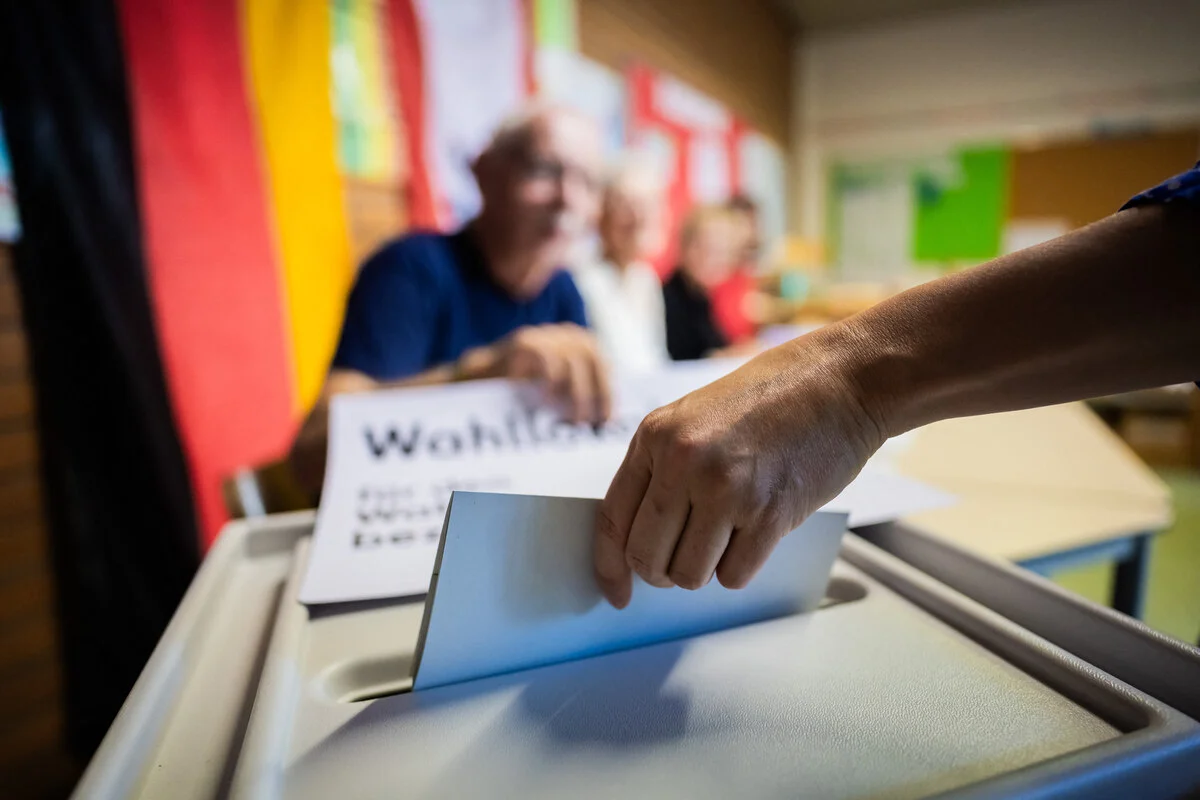
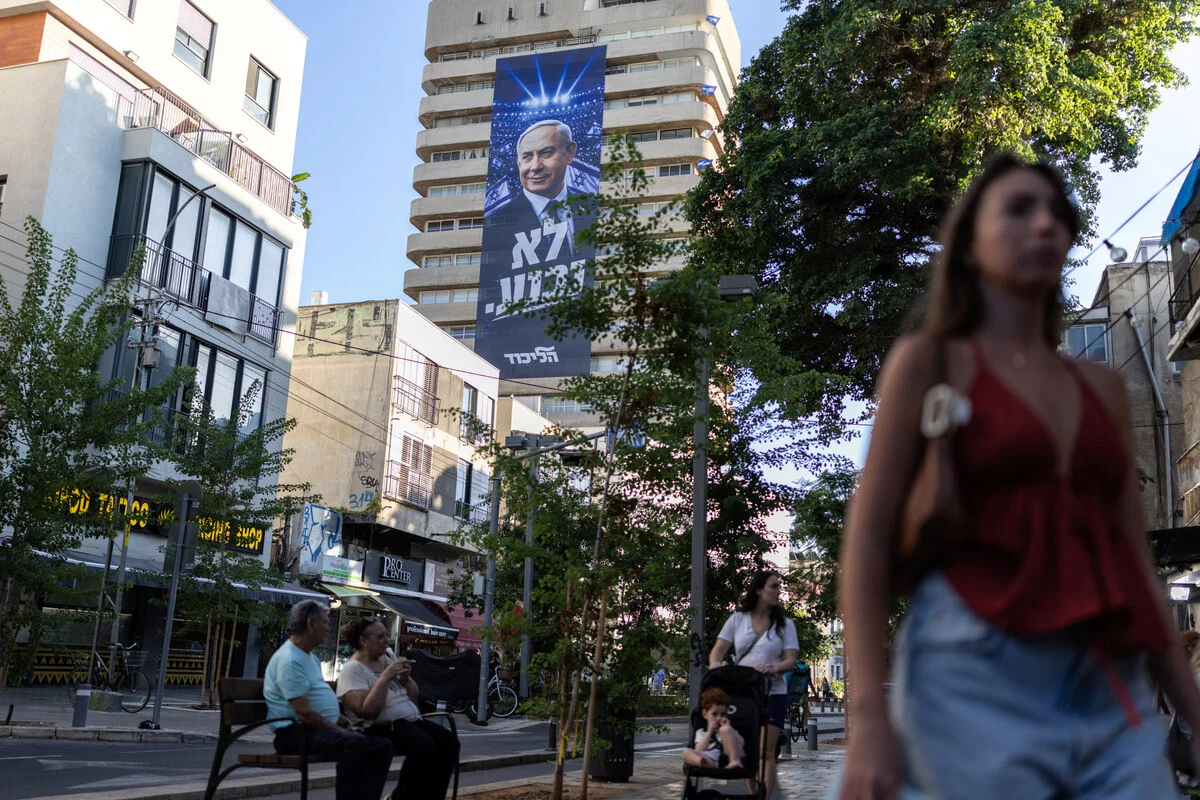
It sounds counterintuitive, yet the coming weeks offer a sliver of hope for the international liberal order. In a matter of days, the global New Right could face a systemic collapse. In Israel, Benjamin Netanyahu faces the possibility of being voted out of office; in the United States, Donald Trump’s Republican Party is at risk of losing its congressional majority. From the recent left-leaning electoral victories in Berlin to the swelling tide of social unrest stretching from Spain to India, a new sense of defiance against the establishment is palpable.
The drivers of this unrest are evident and universal: the crushing burden of inflation, the impossibility of securing affordable housing, the evaporation of social mobility, and a pervasive perception of governmental incompetence. However, this same environment of instability is being harvested by the extreme right with terrifying efficiency.
In France, the political climate has shifted so dramatically that Marine Le Pen would, according to current polling, defeat any challenger in a presidential election. Should figures like Netanyahu and Trump survive their respective electoral tests, they will view their mandates as a license to finalize their project of destruction—the systematic dismantling of the liberal order and the aggressive suppression of perceived internal enemies. A potential new conflict with Iran remains at the top of their agenda, while Russia, leveraging its alliance with Iran, stands ready to exploit the chaos. The Putin regime, which has largely survived through the tacit support and influence of Trump-aligned interests, seems poised to treat Ukraine as its next strategic prize.
A Chronology of Impending Instability
The remainder of 2026 is shaping up to be a period of extreme volatility. A rumored "Triple Summit" between the US President, Vladimir Putin, and China’s Xi Jinping, potentially scheduled for November, is intended to formalize a new carving up of the global map.

Crucially, this geopolitical realignment could proceed even if Netanyahu and Trump lose their elections. The reality of administrative timelines creates a dangerous "dead zone." In the United States, a newly elected Congress does not convene until January 2027; in Israel, coalition formation could drag on for months. This creates a power vacuum—a period where constitutional norms are tested and where the usual political inhibitions may simply evaporate.
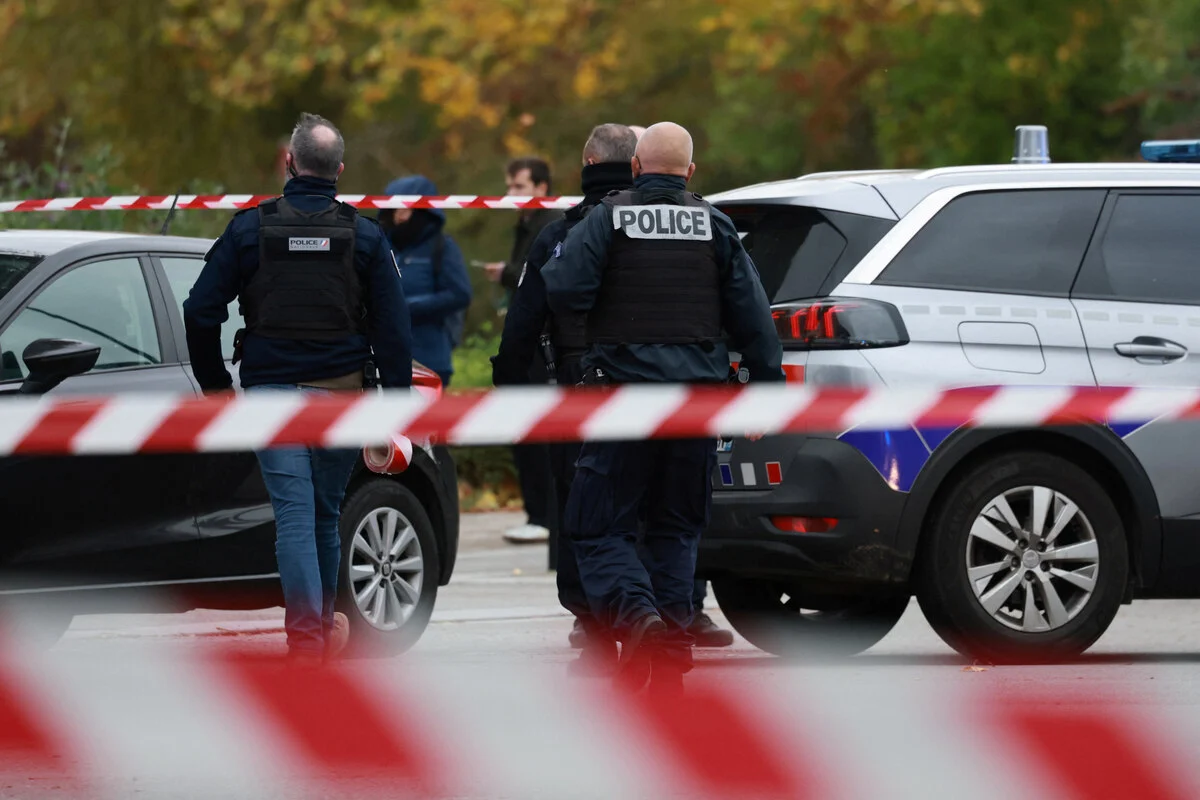
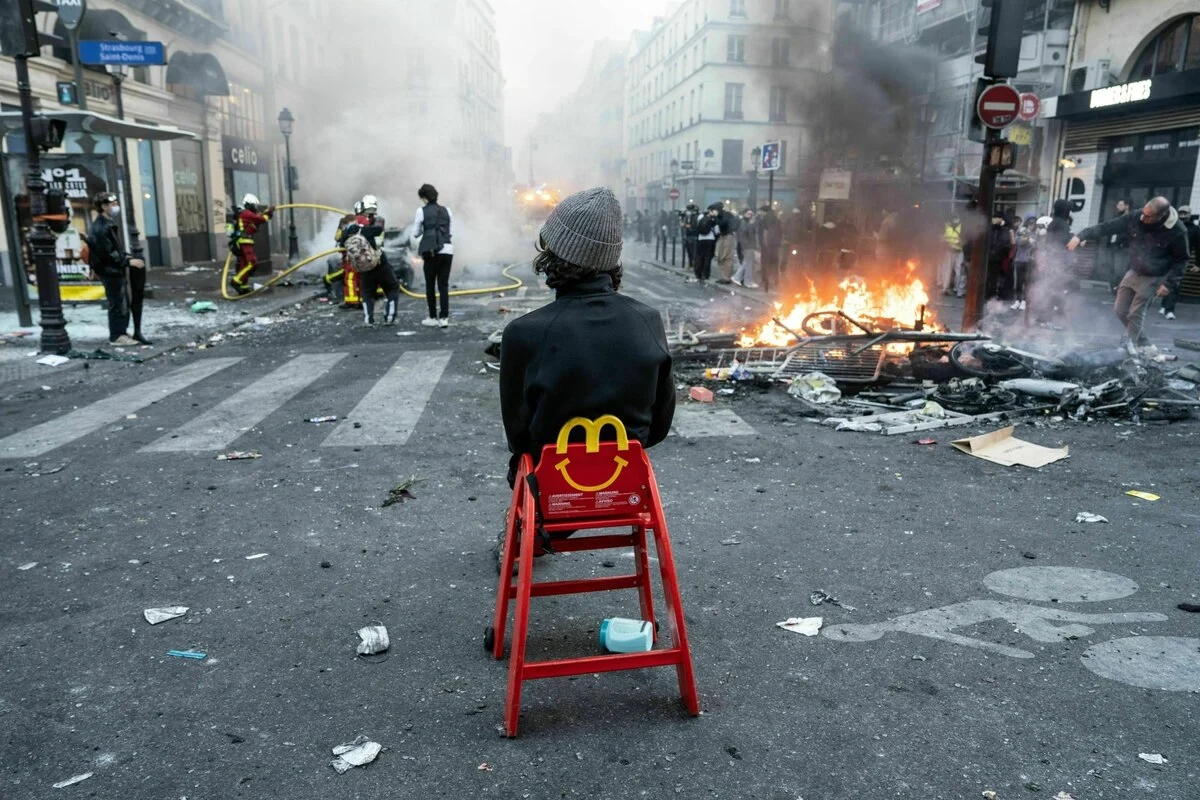
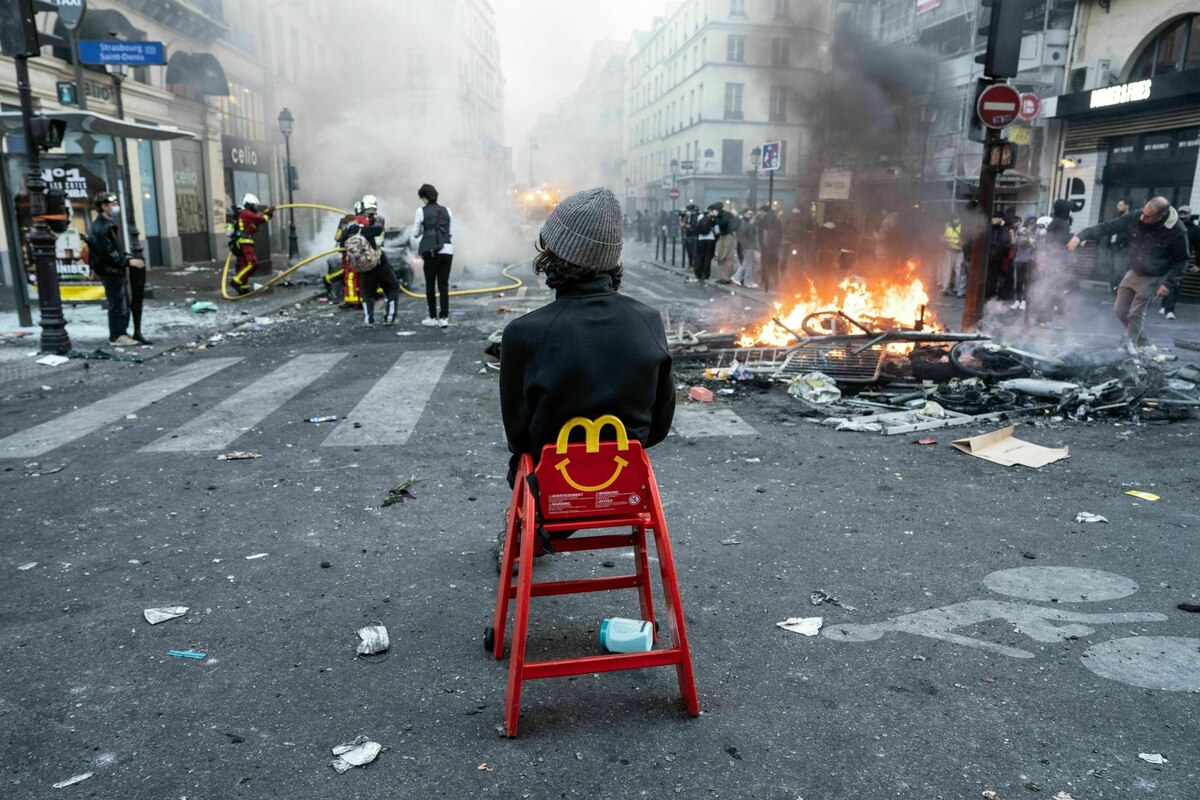
The unrest currently witnessed on the streets of Paris and other major metropolises is, in this context, a massive accelerant for reactionary forces. The imagery of burning barricades and the destruction of civic infrastructure—such as the recent torching of the town hall in Limoges—serves as a visual manifesto for the far right. Their narrative is simple, compelling, and dangerous: the state must be granted absolute power to suppress "barbarians" who terrorize law-abiding citizens.
Analyzing the Shift: From Protest to Provocation
The identification of a suspect in the Limoges arson case by specialized security forces has stripped away any lingering illusions regarding the nature of the current violence. The individual in question, a radical eco-activist already known to police and classified as a "left-wing extremist threat," has little in common with the broader, legitimate grievances of social protesters.

Yet, the danger is spreading. In both France and Germany, self-styled activists—often utilizing propaganda techniques that mirror the crude, inflammatory style of state-sponsored AI disinformation campaigns—are disseminating calls for further violence and disruption. This represents a symbiotic relationship between radical fringes: the extreme left and the extreme right are, in effect, playing a high-stakes game of political tag, each providing the other with the justification for their own radicalization.
Supporting Data and the Politics of Security
Sociological data consistently shows that there is no broad public appetite for street violence as a mechanism for political change. When social unrest descends into chaos, the immediate psychological response of the electorate is a pivot toward "law and order." This is a fundamental lesson of political science that current activist movements seem to have forgotten: whenever violence exceeds a certain threshold, the desire for stability and security invariably eclipses the desire for social reform.
In this scenario, the radical left does not succeed in pushing the "Overton window" further toward their goals. Instead, they hand the unaligned, moderate majority directly to the right. When the public perceives that the state has lost control, they do not turn to revolutionary movements for answers; they turn to those who promise the strongest, most immediate restoration of order.

Official Responses and the "Brandmauer" Dilemma
The political fallout is already visible. In France, the party La France insoumise has been accused by the government and segments of the mainstream press of fostering an environment where violence is not only tolerated but encouraged. As Jean-Luc Mélenchon attempts to solidify his position as the leading voice of the left, his party’s perceived proximity to violent actors has become a strategic liability, arguably paving the way for a Marine Le Pen presidency.
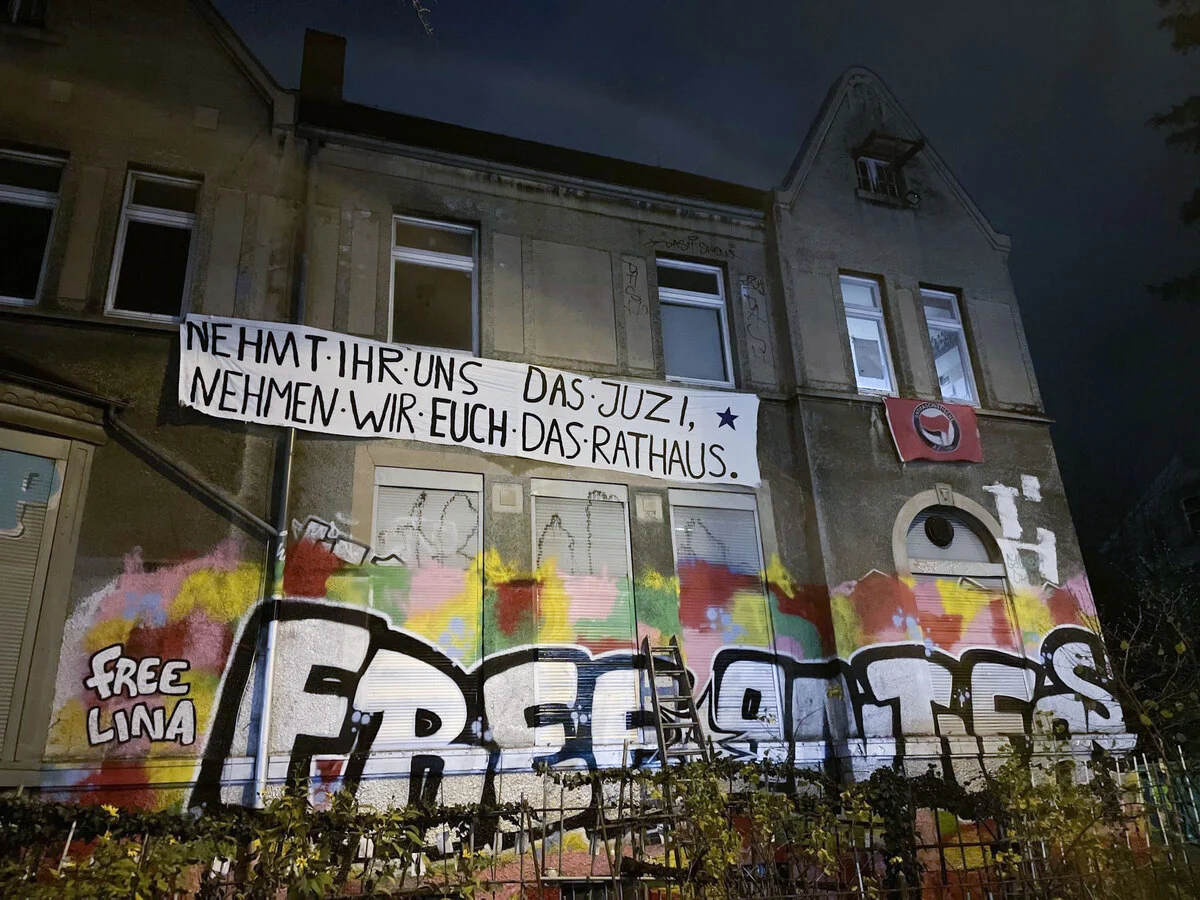
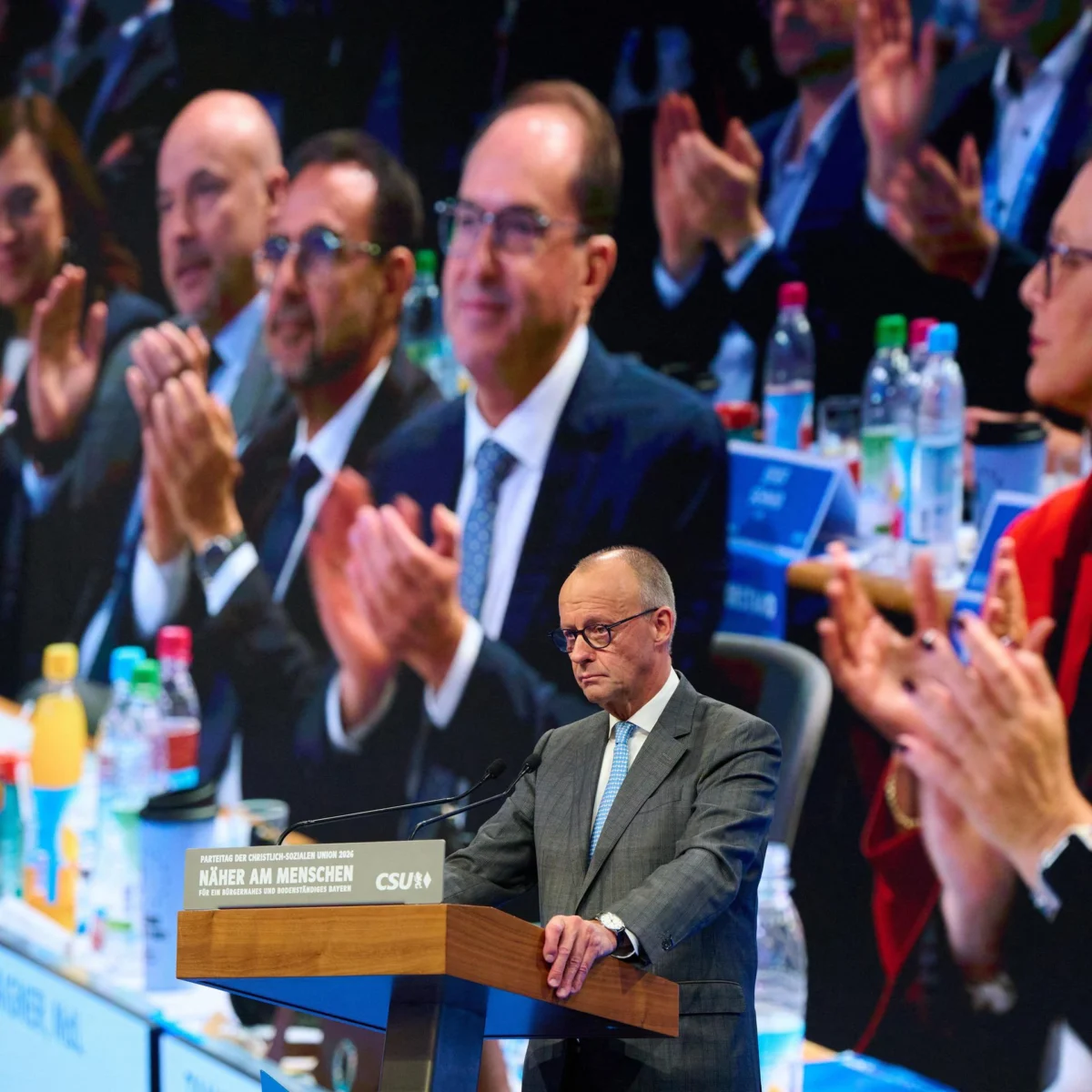
In Germany, the implications are equally stark. The "Brandmauer" (firewall) against the far-right AfD is only as strong as the democratic consensus of the mainstream parties. If parties on the left refuse to distance themselves from extremist elements, they effectively become "Steigbügelhalter" (stirrup-holders) for the AfD. The logic of the political center is becoming increasingly rigid: if the left cannot maintain a boundary against its own fringes, the justification for maintaining a boundary against the right begins to crumble. The message is clear: if the left is permitted to govern via the influence of radical street movements in Berlin, then the ideological equivalent in Saxony-Anhalt—the AfD—will claim an equal right to exercise power.
Implications for the Future of Democracy
The danger of this current trajectory is that it marks the end of a functional multi-party democracy. A democratic system relies on the assumption that even when political opponents are detested, their existence is accepted as a legitimate part of the state.

We are currently witnessing a dangerous departure from this principle. When both the left and the right begin to deny the other’s right to exist—when election results are treated as existential threats to be combated rather than democratic outcomes to be managed—the system itself begins to fracture.
If hatred, dehumanization, and violence become the primary tools of political discourse, we are no longer operating within the bounds of a liberal democracy. Instead, we are entering an era of "might makes right," where the strongest player dictates the rules. In this environment, the world defined by Trump, Putin, and their ideological kin will continue to thrive, regardless of whether these specific individuals remain in power.
The lesson is as uncomfortable as it is necessary: those who wish to prevent the triumph of the extreme right must, first and foremost, practice the very democratic restraint they demand from others. The rejection of political polarization is not a sign of weakness or ideological compromise; it is the only remaining defense against a descent into total, systemic chaos. If the left continues to indulge in the aesthetics of revolution at the cost of democratic stability, they will not be the architects of a new, better world—they will be the architects of their own obsolescence, leaving a hollowed-out democracy to be claimed by the very forces they set out to defeat.