By Regional Editorial Staff
Updated: October 23, 2026
Introduction: A Disturbing Discovery
The quiet rural landscape near Naußlitz, in the vicinity of Kamenz, Saxony, became the center of a bizarre and concerning environmental investigation earlier this week. What initially appeared to be a random act of illegal dumping escalated into a formal inquiry by local law enforcement, highlighting the complexities of managing invasive species within the regional ecosystem.
On Sunday, residents and local authorities were confronted with the sight of between 200 and 300 deceased fish strewn across a local agricultural field. The carcasses, identified as a mix of dwarf catfish and brown bullhead (commonly referred to as "catfish" in the region), sparked immediate concern regarding environmental safety, potential health risks to local wildlife, and the legality of the disposal process.
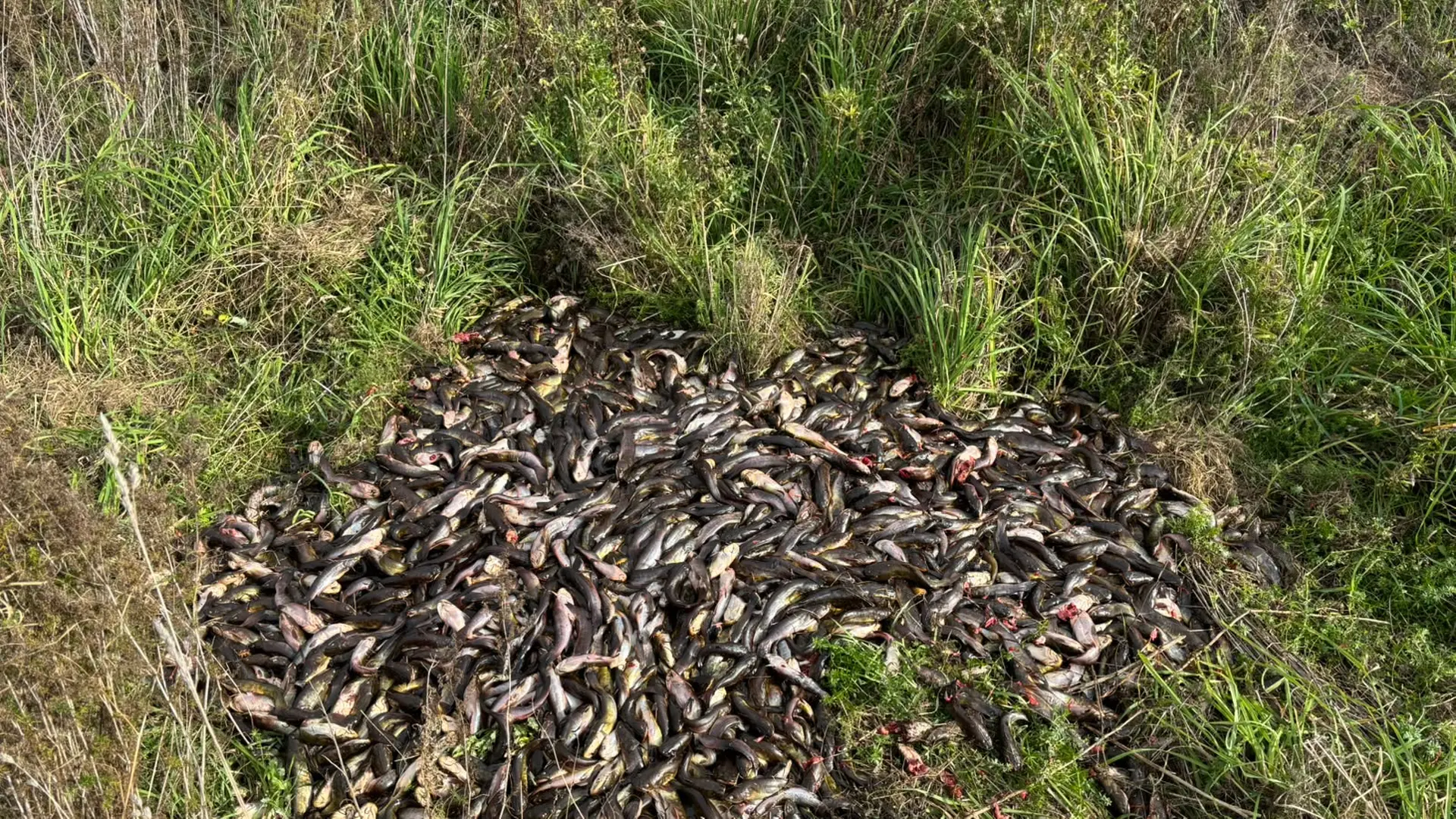
After a swift investigation by local police, the individual responsible for the dumping has been identified. The incident, while appearing reckless, has opened a broader conversation about the challenges of managing non-native aquatic species in Saxony’s inland waters and the strict regulations governing the disposal of such biomass.
Chronology of Events
The timeline of the incident illustrates a failure in administrative protocol and environmental stewardship:
- Pre-Sunday: A local pond, the exact location of which remains subject to ongoing investigation, underwent an "abfishing" process—a systematic effort to clear the water body of specific fish populations.
- Sunday: The discovery was reported. Local authorities were alerted to the presence of hundreds of decaying fish on a private field, causing significant concern among local residents regarding the odor and potential for pest attraction.
- Early Week: Police initiated an investigation under the suspicion of a violation of the Animal Welfare Act. As details emerged, it was revealed that the perpetrator—a man involved in the pond management—had sought a disposal method that circumvented standard, often costly, industrial waste channels.
- Post-Discovery: Following intervention by the Bautzen district administration, the perpetrator was compelled to remove the carcasses from the field. The fish were subsequently transported to a certified animal byproduct processing facility for proper disposal.
Understanding the Invasive Threat: Dwarf and Brown Bullheads
The species involved in this incident, the dwarf catfish (Ameiurus nebulosus) and the brown bullhead (Ameiurus melas), are not native to the German ecosystem. Their presence in local ponds and lakes is often the result of historical stocking practices or accidental introduction.

Ecological Impact
According to the Saxon State Fisheries Association (Sächsischer Landesfischereiverband), these species are highly adaptive and aggressive competitors. Their impact on local biodiversity is profound:
- Resource Competition: They compete directly with indigenous species like the carp or tench for food and spawning grounds.
- Predatory Behavior: They are known to feed on the eggs and larvae of native amphibians and fish, potentially causing a decline in local biodiversity.
- Resilience: They possess a high tolerance for poor water quality and low oxygen levels, allowing them to thrive in environments where native species struggle.
Due to these traits, they are classified as invasive. The regulation is clear: once these fish are caught, they must never be returned to the water. This rule aims to prevent their further spread into interconnected river systems and larger lake networks.
Official Responses and the Legal Framework
The police investigation is currently centered on whether the disposal constituted a violation of the Animal Welfare Act (Tierschutzgesetz). While the perpetrator admitted to the act, claiming he intended for the carcasses to serve as a food source for local scavengers, the legality of this justification is being scrutinized.

The Role of the Pächter (Tenant)
Perhaps most controversially, the investigation revealed that the perpetrator reportedly had the consent of the land tenant to dump the fish. This raises questions about the responsibility of landowners in rural areas regarding the use of their property for waste disposal. Under German environmental law, landowners are often held liable for unauthorized waste management occurring on their premises, regardless of whether they granted permission for the act.
Administrative Action
The Bautzen District Office (Landratsamt Bautzen) acted swiftly once the incident became public. By enforcing the removal of the carcasses, they prevented a potential public health issue, particularly regarding the attraction of vermin and the potential contamination of groundwater if the decomposition process were to reach an advanced, uncontrolled state.
Implications: The "Invisible" Crisis of Pond Management
This incident serves as a microcosm for a larger, often overlooked problem in agricultural and rural water management: the disposal of invasive biomass.

The Economic Barrier to Proper Disposal
Proper disposal of large quantities of fish via animal byproduct facilities (rendering plants) incurs costs. For small-scale pond owners or clubs, these costs can be significant. The individual involved in the Naußlitz incident cited the inability to use "prescribed paths" for disposal, suggesting that the financial or logistical burden of legal disposal was the primary driver for the illegal act.
The Need for Public Education
The Saxon State Fisheries Association has long campaigned for stricter awareness regarding the handling of invasive species. However, when the individuals responsible for managing these ponds are not adequately informed or lack the financial means to comply with environmental regulations, the ecosystem suffers.
There is an urgent need for:

- Subsidized Disposal Programs: Providing smaller fishery associations with accessible, low-cost disposal options for invasive species.
- Stricter Surveillance: Increased oversight of "abfishing" events to ensure that mass removals are handled according to environmental standards.
- Educational Outreach: Informing pond owners about why these specific fish must be removed and the potential legal consequences of improper disposal.
The Broader Context of Regional Challenges
While the incident at Naußlitz may seem like an isolated event, it occurs against a backdrop of significant environmental and infrastructure shifts in the Bautzen and East Saxony region.
Recent years have seen a massive push to revitalize regional assets, such as the restoration of the Spreehotel in Bautzen and the modernization of institutional infrastructure, including the new kitchen facilities at the Bautzen Correctional Facility. These developments underscore a region that is in a state of transition—attempting to balance modernization with the preservation of its natural, rural character.
When environmental incidents like the Naußlitz fish dumping occur, they serve as a reminder that "progress" in regional development must also include robust environmental protection strategies. The struggle against invasive species is not just a battle of biology; it is a battle of logistics, economics, and community responsibility.

Conclusion: A Lesson in Responsibility
The prompt resolution of the Naußlitz case by the Bautzen authorities is a positive step, ensuring that the immediate environmental hazard was neutralized. However, the incident remains a cautionary tale. It highlights the gap between environmental policy and practical application in rural settings.
As the police investigation continues, the focus will likely shift toward ensuring that such disposal methods do not become a systemic norm. For the residents of the Kamenz region, the event is a reminder that the health of the local landscape is a collective responsibility. Whether it involves managing invasive species or disposing of organic waste, the rules are in place not to hinder the individual, but to protect the integrity of the natural environment for future generations.
Moving forward, stakeholders in the regional fishing industry must engage in deeper dialogue with local administrations. Only through transparency, shared responsibility, and improved access to waste management resources can the region hope to contain the spread of invasive species without resorting to the illegal and hazardous practices witnessed this week.

As we look toward the future, the Naußlitz incident stands as a clear signal that the management of invasive aquatic life requires more than just biological control—it requires a comprehensive, community-backed approach to environmental governance.
Disclaimer: This report is based on information provided by regional authorities and public records. The investigation into the specific violations of the Animal Welfare Act remains ongoing. Updates will be provided as the District Office and local police release further findings.