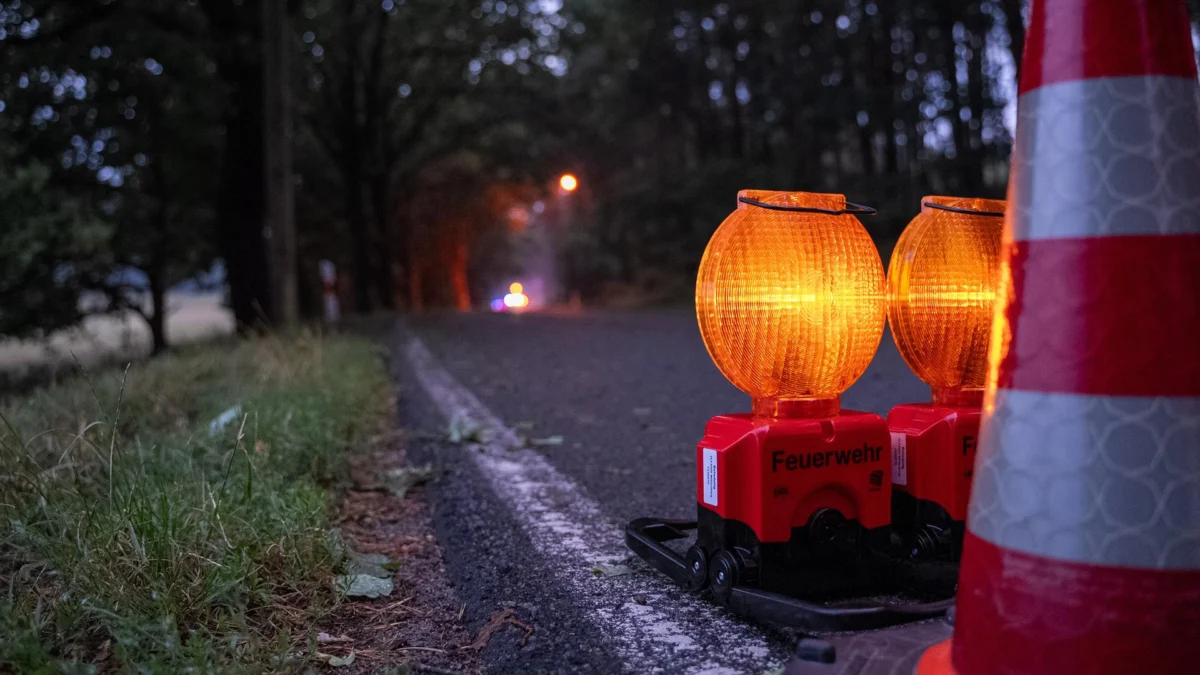
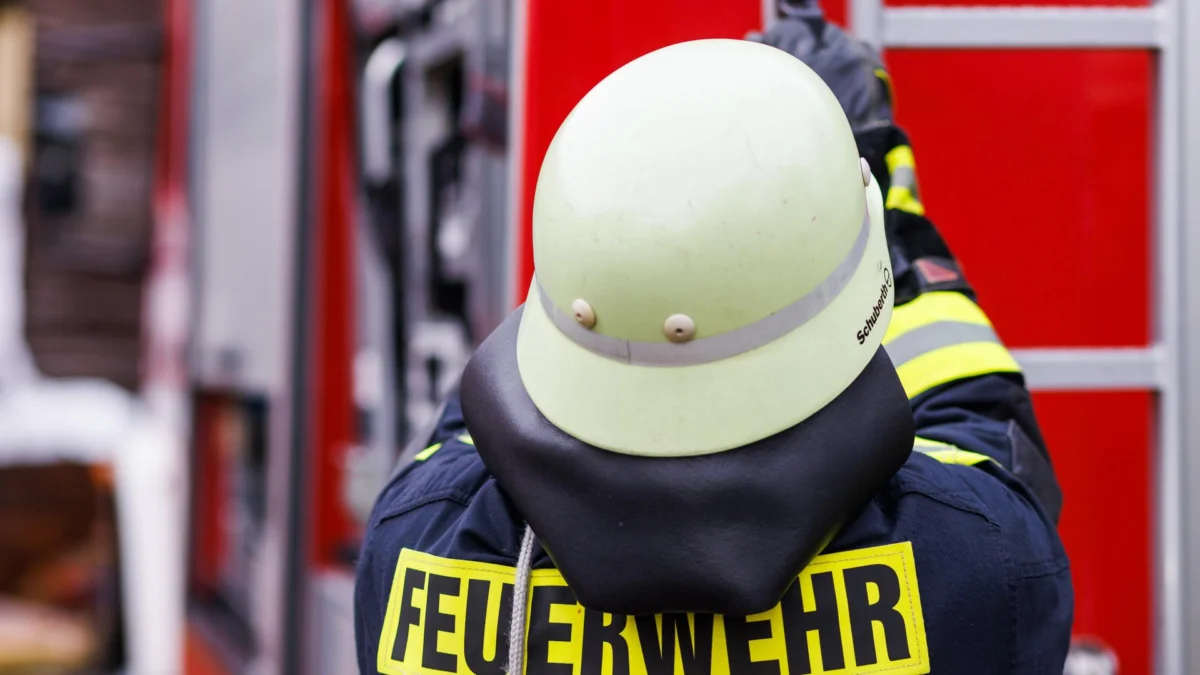
In a significant move to bolster civil protection and emergency management, the Erzgebirgskreis district has officially inaugurated its new, ultra-modern disaster control center in Annaberg-Buchholz. Located strategically along the B 95 federal highway, this 11.2-million-euro facility serves as a nerve center for regional crisis management, designed to streamline communication, resource allocation, and logistical support for emergency services across the Ore Mountains.
The Strategic Necessity: A New Hub for Regional Security
The inauguration of the new disaster control center marks the culmination of four years of intensive planning and construction. For the Erzgebirgskreis, a region characterized by its challenging mountainous topography and diverse industrial and residential landscape, the need for a centralized, high-efficiency command hub has never been greater.
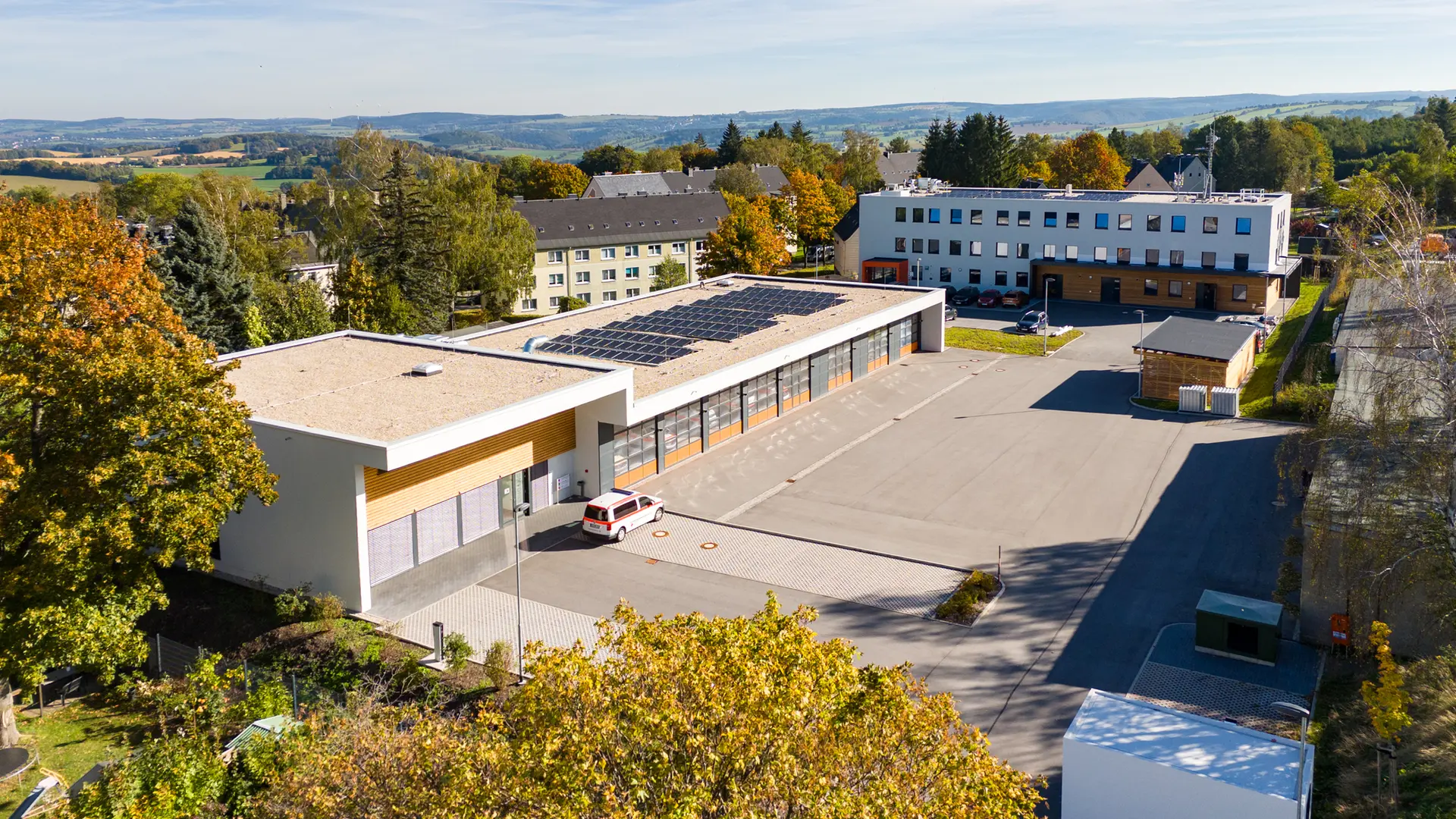
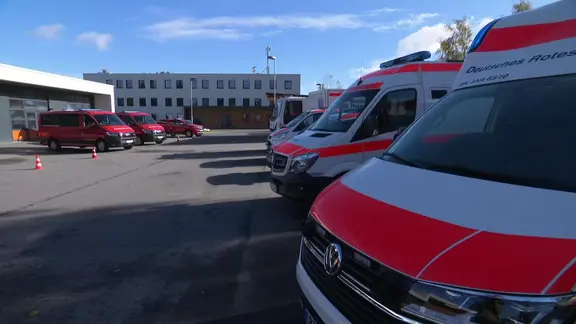
The facility is not merely a building; it is a force multiplier for the district’s emergency infrastructure. By consolidating key components—including the 3rd Disaster Protection Deployment Platoon, the Fire Protection Technical Center (FTZ), the administrative crisis management staff, and the District Office’s Department for Rescue Services—the center eliminates the fragmented response protocols of the past. In an era where extreme weather events, large-scale industrial accidents, and infrastructure failures are becoming more frequent, the ability to coordinate across disciplines from a single location is a critical advantage.
A Four-Year Journey: The Chronology of Development
The project began as a response to the growing realization that existing infrastructure was struggling to keep pace with modern disaster management requirements.

- 2022: Initial planning phases were solidified, with the project gaining full backing from the district council. The location at the B 95 was selected specifically for its optimal logistical access, allowing for rapid deployment of heavy machinery and emergency vehicles into the surrounding valleys and mountain regions.
- 2023: Construction moved into the primary phase. Despite global supply chain challenges and fluctuating construction costs, the project remained on track.
- Mid-2024: The interior fit-out commenced, focusing on high-tech communication arrays and the installation of specialized equipment for the Fire Protection Technical Center, such as advanced decontamination units.
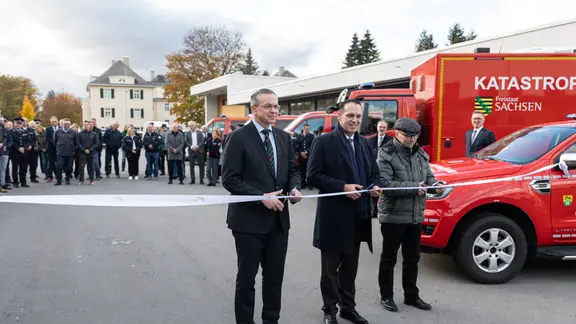
- October 2026: Final safety inspections and technical integration tests were completed, leading to the official opening ceremony on October 23, 2026, attended by local district officials and representatives from the Saxon Ministry of the Interior.
Financial and Structural Scale
The scale of this investment reflects the gravity of the mission. With a total expenditure of 11.2 million euros, the district has signaled its commitment to public safety. While the bulk of the funding was provided by the district itself, the Free State of Saxony contributed one million euros, highlighting the project’s importance within the broader state-level civil protection strategy.
Spanning a total ground area of approximately 7,000 square meters, the center is designed for both scale and durability. It provides ample space for modern vehicle hangars, specialized training rooms, and, most crucially, a secure, independent administrative wing. The site is designed to function as an "island" in the event of a total grid failure, ensuring that the district remains governed and coordinated even when external infrastructure collapses.
Official Perspectives: Ensuring Continuity
During the ribbon-cutting ceremony, Landrat Rico Anton (CDU) emphasized that the center is built for the worst-case scenarios, including those that disrupt the fundamental pillars of modern life.
"We have concentrated the most essential components of our civil protection here," Anton stated. "The facility offers state-of-the-art garages for our vehicles, sophisticated dressing rooms for our personnel, and dedicated, hardened rooms for our administrative crisis staff. Most importantly, we have achieved full energy independence. In the event of a total blackout, we can continue to lead and coordinate every emergency operation for 72 hours, completely autarkic from the external power grid."
This 72-hour threshold is a benchmark in emergency planning, providing enough time for federal and state assistance to arrive or for temporary backup power systems to be established.
Tactical Advantages for First Responders
For Kreisbrandmeister (District Fire Chief) Falko Auerswald, the new center is a game-changer. The facility doesn’t just house personnel; it houses their capabilities.

"Previously, the logistical burden of coordinating a major incident was dispersed. Now, we have a centralized point to manage the logistics of an event, from supplying food and water to hundreds of first responders to coordinating the triage of dozens of patients," Auerswald explained.
The center is designed to be "scaled up" depending on the threat level. Whether the threat is a massive forest fire—a growing concern in the arid summer months—or a regional power outage, the staff can transition from daily administrative duties to active crisis management within minutes.

Technical Capabilities and Modern Equipment
The facility houses a significant upgrade in technical gear. The Fire Protection Technical Center (FTZ) has been outfitted with:
- Advanced Decontamination Lines: Essential for incidents involving hazardous chemicals or biological contaminants.
- Specialized Drying Technology: A new drying cabinet for firefighting gear ensures that equipment is ready for reuse much faster, a critical factor during long-duration operations.
- High-Capacity Breathing Air Compressors: These allow for the rapid refilling of oxygen cylinders, ensuring that search and rescue teams can stay in the field for extended periods.
Furthermore, the district has invested in new, specialized vehicles. The fleet now includes a CBRN-reconnaissance vehicle (Chemical, Biological, Radiological, and Nuclear). This vehicle is equipped with sensors to detect radiation and hazardous substances, allowing commanders to make informed decisions about evacuation zones and protective measures for the public.

Additionally, local fire departments, such as those in Niederlauterstein and Niederneuschönberg, have received specialized transport vehicles and quads, which are essential for navigating the difficult, uneven terrain of the Ore Mountains that larger fire engines cannot easily traverse.
Implications for the Future of the Ore Mountains
The establishment of this center has profound implications for the safety of the Erzgebirgskreis. Firstly, it reduces the "response time gap." By housing administrative and operational staff under one roof, the transition from recognizing an emergency to deploying assets is minimized.

Secondly, it serves as a psychological boost for volunteer forces. The inclusion of modern, clean, and professional facilities demonstrates that the district values the contribution of its volunteer firefighters and emergency personnel. Providing them with the best equipment and a secure environment for their work helps in the retention of these critical volunteers.
Finally, the center is a testament to the region’s proactive approach to climate change. With increasing risks of flooding, extreme winter storms, and forest fires, the Erzgebirgskreis is positioning itself as a leader in regional civil defense. The 72-hour autarky capability provides a level of security that will likely become the standard for rural districts across Germany in the coming decade.

Conclusion
The new disaster control center in Annaberg-Buchholz is more than a construction project; it is a vital investment in the stability of the Ore Mountains. By integrating human expertise with cutting-edge technology and ensuring operational independence during crises, the district has taken a decisive step toward a safer future. As the region continues to face the challenges of an uncertain climate and aging infrastructure, this facility stands as a robust bulwark, ready to respond, coordinate, and protect the citizens of the Erzgebirgskreis when it matters most.