The Theater Chemnitz is set to premiere a profound new ballet, "Hans Christian A.," which moves beyond the whimsical surface of the Danish author’s famous stories to explore the turbulent, often painful reality of the man who created them.
The world knows Hans Christian Andersen as the gentle weaver of childhood wonder—the man who gave us "The Little Mermaid," "The Ugly Duckling," and "The Snow Queen." Yet, the man behind these literary pillars led a life characterized by profound isolation, relentless ambition, and internal struggle. This weekend, the Chemnitz Ballet invites audiences to step behind the veil of his "fairy-tale life" with the premiere of its latest production, Hans Christian A., a dance piece that promises to redefine how we perceive the legendary storyteller.
The Core Concept: Humanizing the Myth
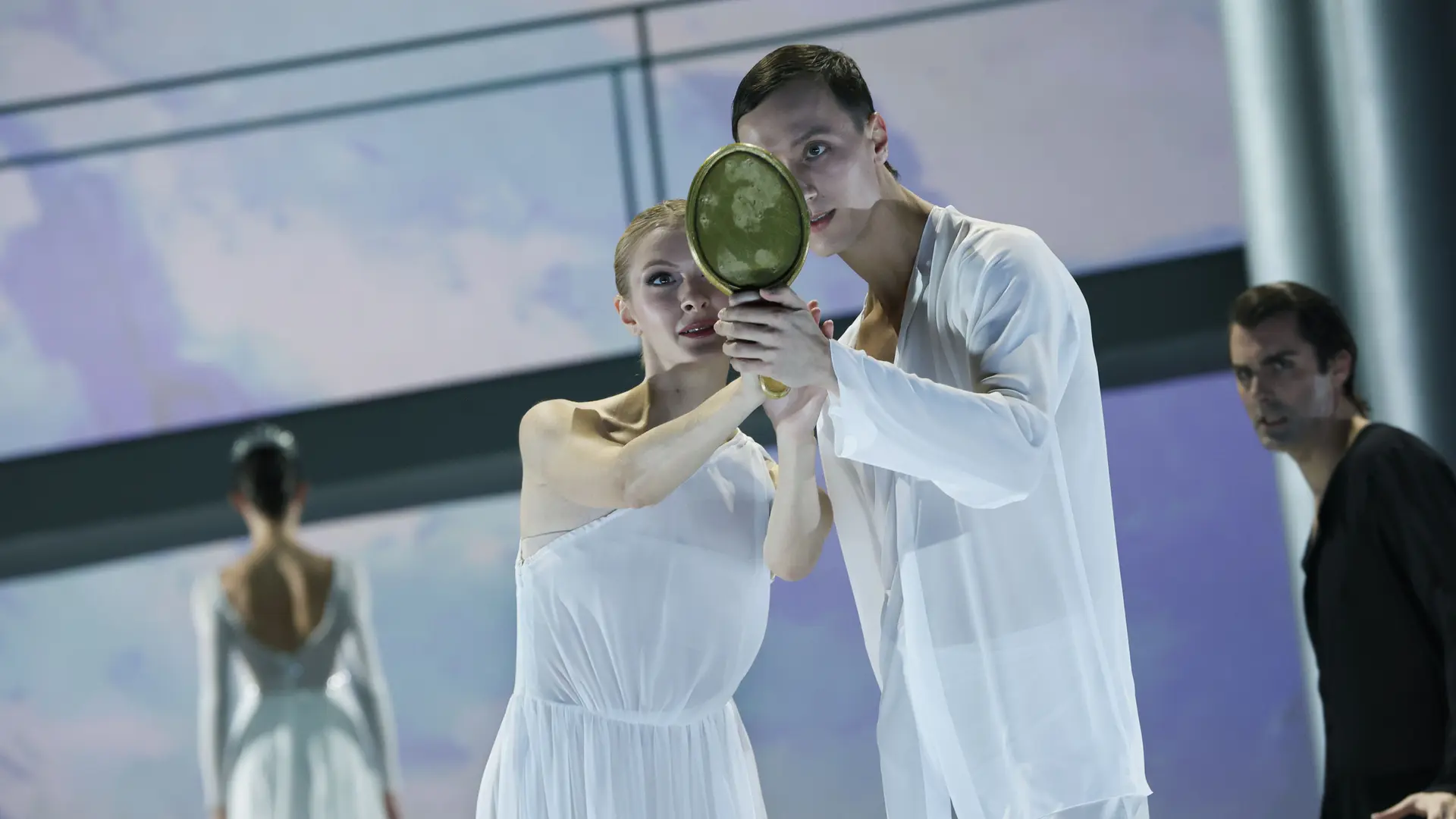
At the heart of this production is a desire to strip away the varnish of nostalgia. Under the artistic direction of Sabrina Sadowska, the Chemnitz Ballet has crafted a narrative that prioritizes the biographical truth of Andersen over the magical escapism of his works.
"We know so little about the man himself," says Sadowska. "Most people are only familiar with the artifacts of his imagination—his stories. I wanted to dig deeper into this life and uncover the experiences that fueled his genius, the sacrifices he made, and the relentless drive required to keep his work relevant for centuries."
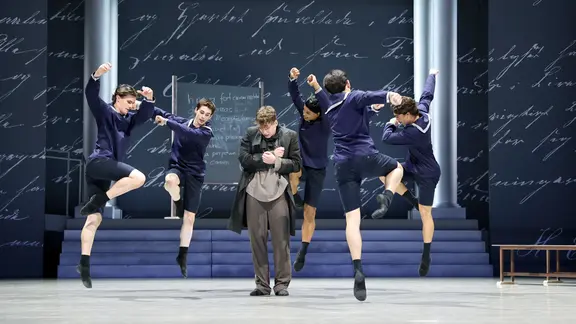
The production does not merely retell the stories; it frames them as emotional responses to the author’s lived reality. The stage becomes a psychological landscape where the struggles of the young, impoverished Andersen in Copenhagen mirror the thematic depth of his later literary achievements.
A Chronology of Ambition and Struggle
To understand Hans Christian A., one must look at the trajectory of the man himself. Born into humble, even dire circumstances in Odense, Denmark, Andersen’s journey was anything but linear.

The Formative Years: The Will to Rise
At the age of 14, Andersen arrived in Copenhagen with nothing but a dream to work in the theater. His early life was defined by a desperate, often bruising ambition. Sadowska emphasizes this "will to rise" as a central pillar of the ballet. The choreography reflects this struggle—the physicality of the dancers serves as a metaphor for the social and psychological barriers Andersen faced. He was a man who, as Sadowska notes, "had to bite his way to the top."
The Creative Zenith and Personal Descent
Throughout his adult life, Andersen’s success as an author grew in inverse proportion to his sense of personal stability. He was a prolific traveler, an observer of human nature, and a man deeply attuned to the nuances of European society. However, his life was marked by recurring setbacks. The production highlights the paradox of his later years: while his stories were achieving immortality, his physical and mental health were in decline. The inclusion of his battle with cancer and his reliance on pain medication in his final years provides a poignant, darker counterpoint to the lightness of his famous tales.
Supporting Data: The Artistic Synthesis
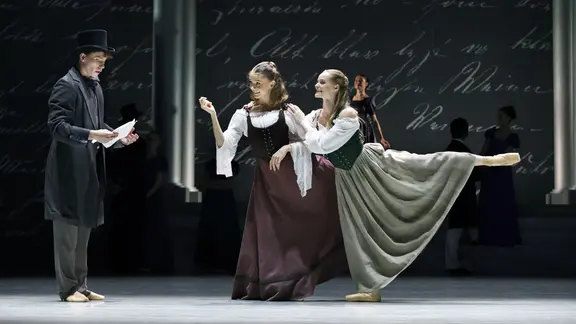
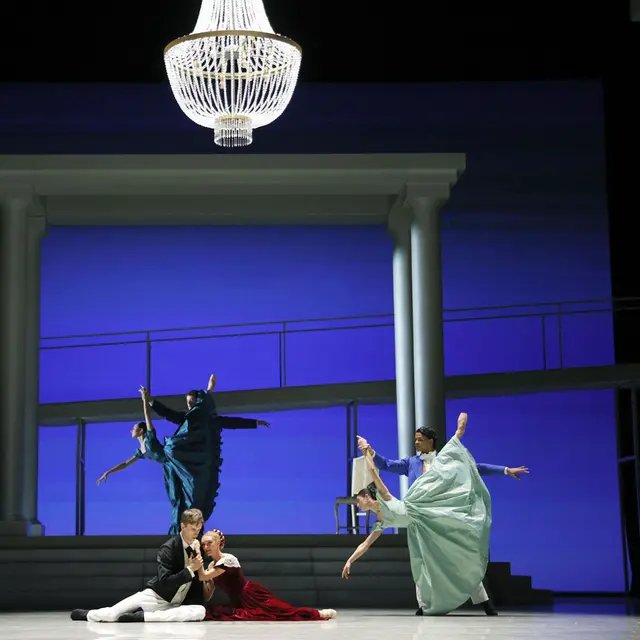
The production is a masterclass in synthesis, blending classical ballet techniques with modern storytelling.
The Musical Palette
The musical selection for Hans Christian A. is as eclectic as the author’s life. Sadowska has curated a score that bridges the gap between the Romantic era and modern sensibilities.

- Scandinavian Roots: The score features works by Jean Sibelius and Einojuhani Rautavaara, grounding the performance in the stark, beautiful atmosphere of the North.
- The German Connection: Recognizing that Andersen was a frequent traveler to Germany—visiting the region surrounding Dresden more than 30 times—the production incorporates the works of Robert Schumann and Felix Mendelssohn Bartholdy. This musical choice reinforces the cultural dialogue between Andersen and the German Romantic tradition.
Technical Demands
The ballet adheres to the rigors of classical tradition—demanding high leaps and intricate pointe work—but uses these forms to express non-traditional, often uncomfortable emotions. The choreography seeks to capture the "child’s eye view" that defined Andersen’s writing, while simultaneously presenting the "chastened, world-weary perspective" of an adult looking back at a life of longing.
Official Perspectives: The Vision of Sabrina Sadowska
Sabrina Sadowska, who has served as the Ballettchefin (Ballet Director) at Theater Chemnitz since the 2017/18 season, brings a unique perspective to this project. Her deep connection to the Danish capital—honed during her time at the Den Kongelige Ballet (The Royal Danish Ballet) in Copenhagen—provides the production with an authentic foundation.
"I wanted to see what this man had to experience in order to create stories that remain immortal," she stated during an interview with the MDR culture desk. Sadowska’s history with Andersen’s work is extensive; she previously brought Elsa and the Wild Swans to the stage. However, Hans Christian A. represents a maturation of her vision, moving from the adaptation of a fairy tale to the deconstruction of the creator.
The choreography is not just about aesthetic beauty; it is an investigation. It explores how Andersen’s personal rejections, his unrequited loves, and his status as an outsider allowed him to see the world with a clarity that others missed. "He saw things from the perspective of a child," Sadowska notes, "but also through the eyes of a man who had seen too much."
Implications: A New Lens on Cultural Heritage
The premiere of Hans Christian A. in Chemnitz carries significant implications for the contemporary arts scene in Saxony. By choosing to focus on the humanity of a historical figure, the theater is engaging in a form of "biographical dance-theater" that challenges audiences to look past the surface of classic literature.
Why It Matters
In an era of digital distraction and fleeting content, the return to the life of a 19th-century author offers a necessary pause. It asks the audience to consider the cost of creativity. Andersen’s life is a testament to the idea that great art often emerges from profound loneliness and the relentless pursuit of self-expression.

Furthermore, the production reinforces the role of Theater Chemnitz as a vital cultural hub. By linking the story of a Danish icon to the local history of the region—through his documented travels to Dresden—the production creates a bridge between international heritage and local identity.
A Legacy Reimagined
The success of this production will likely be measured by its ability to stir empathy. If the audience leaves the theater thinking not just of the "Little Mermaid," but of the man who wept while writing her, the production will have achieved its goal.

As the curtain rises on Saturday, the Chemnitz Ballet is not just performing a piece of choreography; it is participating in a grand act of historical re-evaluation. It is a reminder that every "happily ever after" in literature was born from a real life, with all its messiness, pain, and unyielding ambition.
Production Details
- "Hans Christian A. – Seine wundersame Reise" (His Wondrous Journey)
- Genre: Ballet
- Choreography: Sabrina Sadowska
- Venue: Opernhaus Chemnitz
- Duration: 120 minutes (including one intermission)
- Music Selection: Sibelius, Rautavaara, Schumann, Mendelssohn Bartholdy
The production stands as a compelling addition to the current cultural landscape of Chemnitz, blending the discipline of the balletic arts with the intellectual rigor of literary biography. As the city looks toward its future, projects like Hans Christian A. serve as a reminder that the stories we cherish are only as deep as the lives of those who dared to tell them.