Introduction: A Political U-Turn in the Heart of the Capital
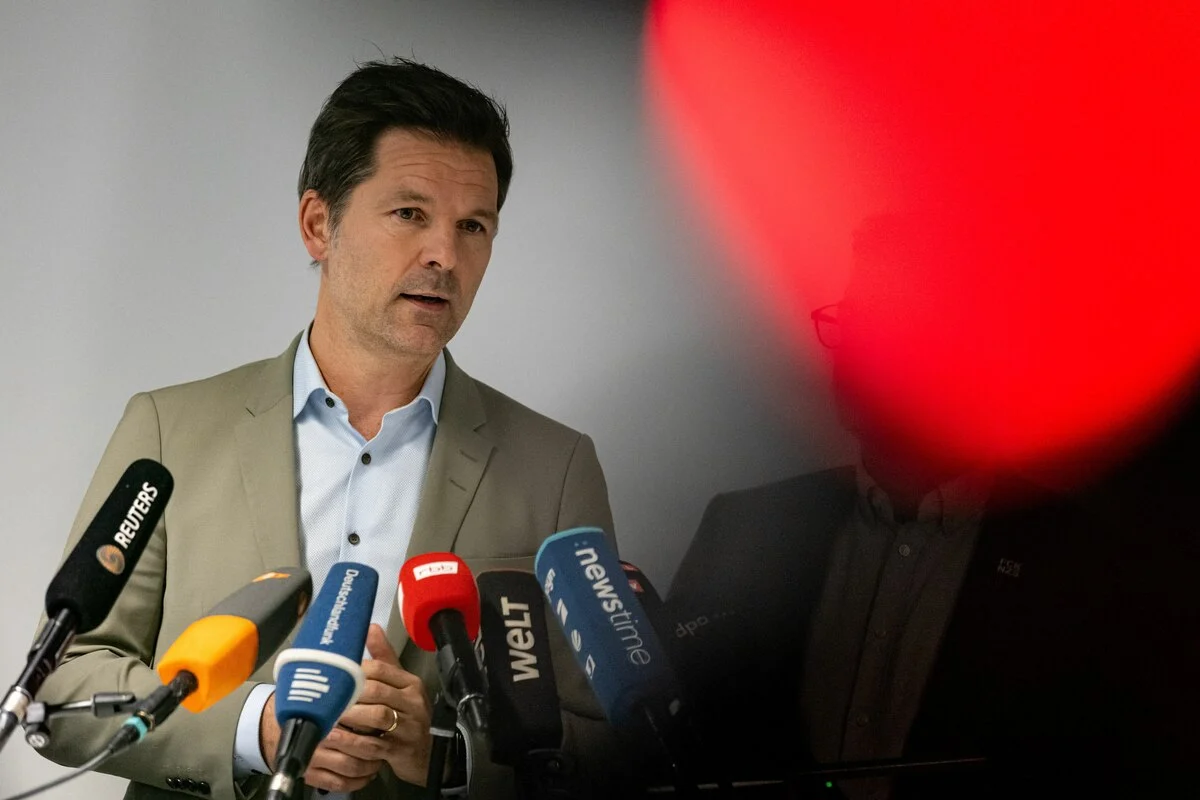
In the competitive arena of Berlin state politics, few pledges are as potent as those made to the business community. During the 2026 election campaign, SPD lead candidate Steffen Krach made his position on the contentious issue of property socialization—the forced acquisition of housing stocks from large corporations—abundantly clear. Speaking before the Association of Berlin Merchants and Industrialists (VBKI) at the prestigious Ludwig-Erhard-Haus, Krach presented himself as the guardian of economic stability. "If the economy does poorly, we have no chance," he told the assembled business leaders, categorically ruling out any support for the mass expropriation of private housing.
Today, that pledge lies in tatters. In a dramatic shift that has sent shockwaves through the city’s economic establishment and left political analysts questioning the durability of his word, Krach is now moving to facilitate the very policy he once vehemently rejected. By aligning with the Left Party (Die Linke) and the Greens in new coalition soundings, the SPD has opened the door to the socialization of 160,000 apartments, a move that threatens to redefine the city’s relationship with private capital.
The Chronology of a Failed Commitment
The Campaign Trail: A Firm Stance
During the lead-up to the 2026 Abgeordnetenhaus election, Krach’s platform was built upon a pro-business, moderate trajectory. He consistently utilized his platform to warn against the dangers of socialization, characterizing it as a policy that would provide "not a single new apartment," place an unsustainable burden on the state budget, and act as a deterrent to the essential investment capital required to fix Berlin’s housing crisis.
The Pivot: From Opposition to Facilitation
As the dust settled on the election, the arithmetic of the coalition talks forced a reevaluation. Despite his repeated insistence that the SPD would never be the vehicle for such a policy, Krach has shifted his stance. While he maintains in interviews that he still does not consider socialization "the right path," he has signaled his willingness to act as a legislative enabler.
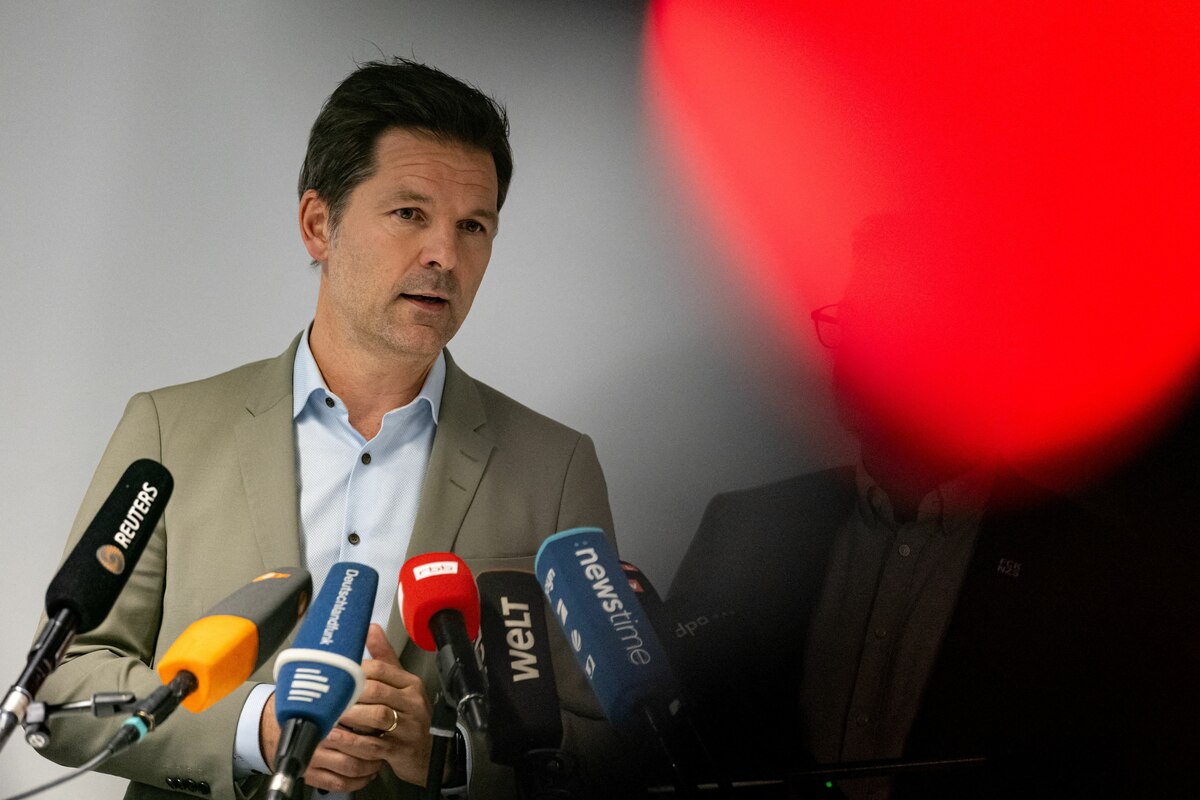
The crux of the current controversy lies in the mechanics of the policy. Socialization requires legislative changes and, crucially, a budget allocation to compensate the affected corporations. As the leader of the SPD parliamentary group, Krach is now positioned to facilitate the very processes he once promised to block.
The August Ultimatum
Krach’s reversal is particularly stark given his public rhetoric just months ago. In an interview with Stern in August, when asked about the possibility of an alliance with the Left Party—which had made the socialization of real estate a "red line" requirement for any government participation—Krach was dismissive. "If that is the red line for the Left Party, then they must look to see which coalition they want to implement it with—certainly not with the SPD," he stated. That red line has now been crossed, and it is the SPD that has opted to step across it.
Supporting Data: Economic Concerns and Market Sentiments
The backlash from the business community has been immediate and severe. Berlin’s economic leaders, who once viewed Krach as a reliable partner, now see the proposed coalition agreement as a direct threat to the city’s investment climate.
The Voice of Industry
VBKI President Harald Christ, who hosted the very event where Krach first pledged to oppose expropriation, has been scathing in his assessment of the new direction. "The SPD and the Greens are handing the Left a victory that could cause severe economic damage to Berlin," Christ noted, responding to the leaked draft of the coalition’s exploratory paper.

The Berlin Chamber of Industry and Commerce (IHK) has echoed these concerns. Their analysis suggests that the uncertainty surrounding the socialization of large housing stocks is the single greatest "mortgage" on the city’s future. Investors, who prioritize legal certainty and predictable regulatory environments, are reportedly cooling their interest in Berlin projects, fearing that the 160,000 units marked for socialization are only the beginning of a broader trend.
The Mathematical Compromise
Proponents of the plan argue that it is a scaled-back version of the original "Expropriate Deutsche Wohnen & Co." initiative. By targeting 160,000 units instead of the originally proposed 220,000, and by exempting buildings constructed after 2021, negotiators claim they have found a middle ground. However, critics argue that the principle of the policy is the issue, not the specific number of units. The fundamental legal and financial hurdles—such as the massive compensation payments that could reach billions of euros—remain unresolved, regardless of the scale.
Official Responses and Political Rationalization
Steffen Krach’s defense of his pivot relies on the logic of coalition governance. He argues that he has successfully integrated a "pro-investment economic policy" into the agreement, suggesting that the trade-off was necessary to maintain stability in a fragmented political landscape.
The "Compromise" Defense
Within the SPD, the argument is being made that every coalition requires give-and-take. Proponents of the move suggest that by staying at the table and leading the negotiations, Krach can influence the implementation of the policy, potentially softening the blow to the housing market and ensuring that the financial burden is managed responsibly. They argue that refusing to govern would only lead to a more radical coalition without the SPD’s moderating influence.

The "Lack of Backbone" Critique
Political opponents and internal critics, however, are unconvinced by the rhetoric of compromise. The criticism is not merely about the policy itself, but about the erosion of political credibility. A common refrain in the capital is that in politics, one should either prevent the enactment of policies one fundamentally opposes or, if unable to do so, withdraw from the table entirely. By staying on as the head of the party and the parliamentary group, Krach has become the primary agent of a policy he spent months characterizing as a catastrophe for Berlin.
Implications: The Long-term Cost of Credibility
The consequences of this U-turn extend far beyond the immediate legislative debate. The long-term implications for Berlin’s political culture are profound.
1. The Erosion of Voter Trust
When a politician makes a flagship campaign promise the cornerstone of their identity, only to abandon it within months, the cost is a general cynicism among the electorate. The "Krach case" is likely to be cited in future cycles as a primary example of how campaign promises are decoupled from governing reality.
2. The Deterioration of the Investment Climate
The business sector is not merely reacting to the socialization itself, but to the unpredictability of the Berlin government. If the SPD—previously the party of pragmatism—is willing to adopt radical economic measures to secure a coalition, the risk premium for investing in Berlin is set to rise. This could lead to a slowdown in new construction, ironically exacerbating the very housing shortage the socialization plan seeks to address.

3. The Future of the Left-Wing Coalition
This coalition represents a high-stakes gamble. If the socialization process leads to protracted legal battles, fiscal deficits, or a stagnation in the housing market, the SPD will find itself inextricably linked to the failure. Conversely, if the policy can be implemented without triggering a mass exodus of capital, Krach might be able to claim a strategic victory. However, at present, the prevailing sentiment is one of betrayal.
Conclusion
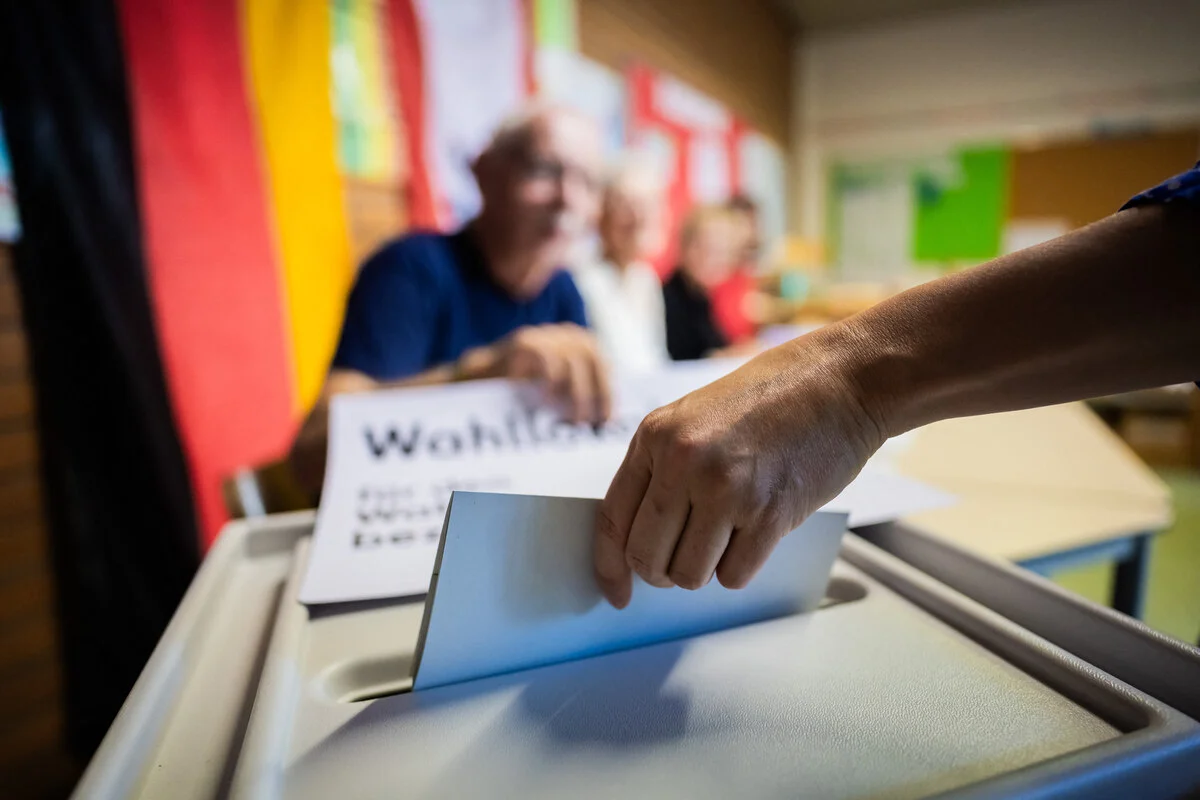
Steffen Krach’s political journey from a pro-business champion to the architect of a left-wing coalition that embraces socialization marks a watershed moment for Berlin. Whether this was a masterstroke of political survival or a fatal blow to his credibility remains to be seen. What is clear, however, is that the city is embarking on a socio-economic experiment of unprecedented scale, and the SPD’s role in this transition has effectively redefined the party’s place in the ideological spectrum. As the capital watches, the question remains: can a government built on the reversal of its own central promise hope to build a stable future for its citizens? The answer will likely be written in the ledger of Berlin’s housing market and the ballot boxes of the next election.