After 14 years of construction chaos, ballooning budgets, and a city’s wounded pride, the Cologne Opera House finally reopens its doors. As the curtain rises on Richard Strauss’s Der Rosenkavalier on September 27, 2026, the city is left to grapple with the legacy of a project that became the definitive symbol of German municipal mismanagement.
The Weight of Expectation: A New Beginning
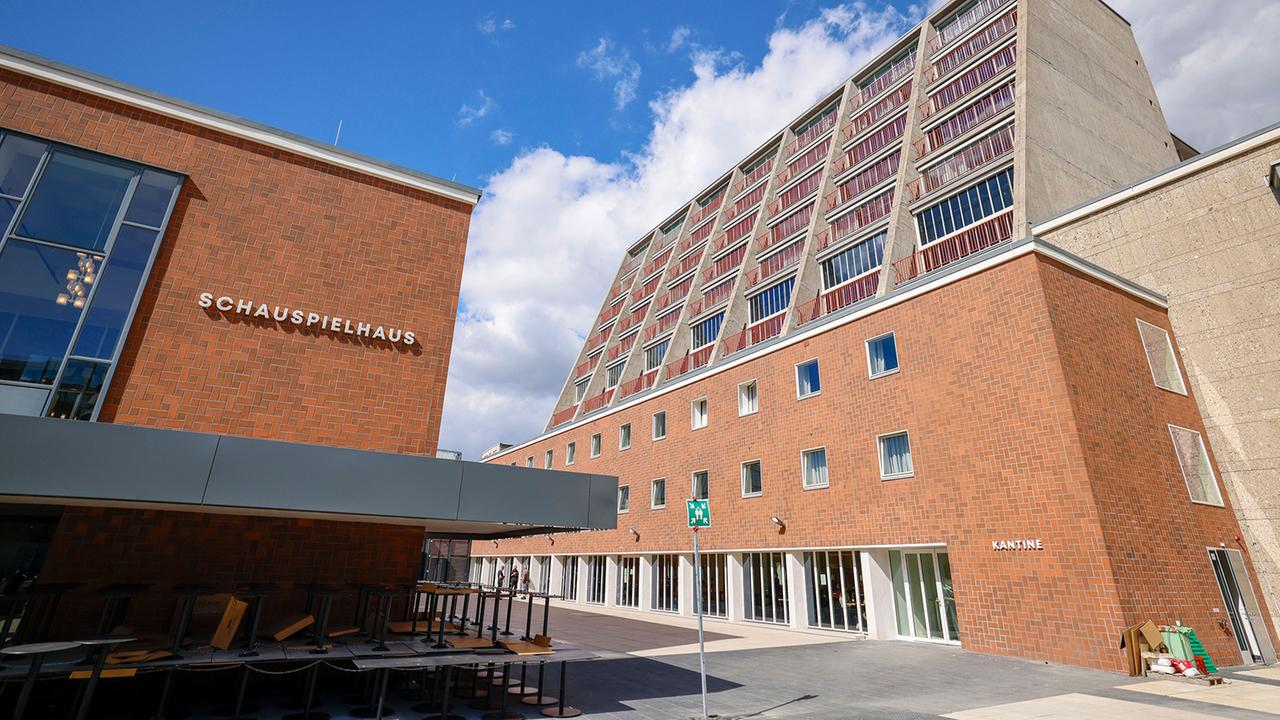
When architect Wilhelm Riphahn first conceptualized the Cologne Opera in the mid-20th century, his vision was clear: he was not merely building a theater for the elite, but a "house for all." It was intended to be a democratic cultural hub, a cornerstone of post-war civic identity. Yet, as the building aged, the ambition that once defined it seemed to wither under the weight of structural decay.
The subsequent 14-year odyssey of renovation has been nothing short of a tragedy—one that has cost taxpayers approximately 1.5 billion euros when accounting for interim venues and skyrocketing interest rates. Now, as the dust settles at the Offenbachplatz, the city administration is attempting to pivot from the narrative of a "billion-euro disaster" to the promise of a "stage for all." But in a city where the wounds of this construction saga are still fresh, the challenge is as much about restoring public trust as it is about artistic excellence.
A Chronology of a Construction Catastrophe
To understand the significance of this reopening, one must look back at the long, winding road that led here.
- 2010: The Cologne citizenry, galvanized by the initiative "Köln kann auch anders" ("Cologne can do otherwise"), collects over 50,000 signatures to save the landmarked ensemble of the Opera and the Schauspielhaus, effectively blocking a city-planned partial demolition.
- 2012–2015: The scope of the renovation expands, and with it, the initial budget estimates begin to crumble. Delays in structural planning and unforeseen asbestos abatement lead to the first major setbacks.
- 2016–2020: The "construction site of the century" becomes a punchline in national politics. Costs soar as management changes, contractors fail, and the city faces intense scrutiny regarding its project management capabilities.
- 2021–2025: The COVID-19 pandemic and global supply chain disruptions add a final layer of difficulty to an already struggling project, pushing the completion date further into the future.
- September 2026: After 14 years, the doors officially reopen to the public, marked by a massive festival at the Offenbachplatz featuring local favorites like the band Kasalla.
Financial Breakdown: The Anatomy of a Debacle
The raw construction costs of the Cologne Opera stand at roughly 800 million euros. However, this figure is a misleading representation of the total burden on the public purse. When one includes the expensive maintenance and rental costs of the various "interim" venues used during the decade-plus closure, combined with the crushing weight of interest payments on the massive municipal debt incurred, the true total climbs toward the 1.5 billion euro mark.
For critics, this is a cautionary tale of institutional failure. Bärbel Hildebrand, representing the Taxpayers’ Association of North Rhine-Westphalia (Bund der Steuerzahler NRW), has been vocal about the opportunity cost. "These funds," she notes, "could have been invested into a diverse ecosystem of museums, dance projects, or the independent arts scene. Instead, we have poured a fortune into a single building."
Comparisons and Realities: Cologne vs. Hamburg
It is impossible to discuss the Cologne Opera without hearing the inevitable comparisons to the Elbphilharmonie in Hamburg. Both projects became synonymous with "exploding costs" and "broken schedules." Yet, experts suggest that the comparison is superficial.
The Elbphilharmonie was designed as an architectural landmark—a global tourist attraction that transformed the skyline. The Cologne Opera, by contrast, is a mid-century modernist structure that, while historically significant, lacks that same "spectacular" international appeal. Consequently, the pressure on Cologne is different: it cannot rely on the building itself to be the draw. Instead, it must rely on its programming to justify the massive investment. The question of whether Cologne can "do a Hamburg" is irrelevant; the real question is whether it can "do a Cologne"—by creating a cultural relevance that outweighs the financial trauma of its creation.
The Vision: A "Stage for All"?
Torsten Burmester, the governing Mayor of Cologne, is acutely aware that the city’s reputation has been tarnished. In a recent interview, he emphasized that the only way to justify the expenditure is to ensure that the opera is no longer perceived as an ivory tower for the elite.
"It must be a stage, a theater, a children’s opera, and a small house that exists for the citizens of Cologne—not just for a small circle of subscribers," Burmester stated.
This goal of inclusivity is the central pillar of the post-renovation strategy. The foyer has been redesigned to be more accessible, and the opening weekend festivities were designed to be open to the general public, moving away from the exclusionary vibe often associated with grand opera. However, deep-seated skepticism remains. A 2018 survey revealed that only one in five Cologne residents visited the opera at least once a year, while two-thirds had never stepped inside.
The Artistic Future: Intendant Hein Mulders’ Path
At the helm of this transition is Hein Mulders, who has served as Intendant of the Cologne Opera since 2022. Mulders brings a pragmatic yet ambitious perspective to the role. He rejects the binary of "elite vs. populist," favoring a model of "great opera for a great audience."
"I stand for new commissions and world premieres," Mulders says. "Every year, we will have at least one. Contemporary music is essential because opera must be a living art form, not a museum piece." Mulders, a self-proclaimed Baroque enthusiast, also intends to lean into the history of the genre, ensuring that the repertoire remains balanced between intellectual challenge and broad appeal.
Meanwhile, the adjacent Schauspielhaus, under the leadership of Intendant Kay Voges, is taking a more experimental approach. By integrating journalism and theater, and utilizing EU-funded initiatives, the Schauspielhaus aims to bridge the gap between high art and current affairs, hoping to attract younger, more politically engaged audiences who might otherwise ignore traditional theater.
Implications: Can the Architecture Outlive the Scandal?
As the city prepares to move forward, the role of Thomas Werner, the Cologne City Conservator, is to shift the focus from the ledger to the aesthetic. Werner believes that with time, the memory of the financial disaster will fade, and the quality of the building will remain.
"It is a through-composed, design-led masterpiece of the first quality," Werner argues. "One day, people will appreciate it for its architectural integrity."
Whether or not that happens depends on the next decade. If the opera house remains an empty shell—a monument to bureaucratic failure—the public will never forgive the cost. But if the halls are filled with school children, diverse communities, and vibrant, boundary-pushing art, the building might eventually be viewed not as a "billion-euro blunder," but as a resilient cultural investment.
Ultimately, the reopening is a test of Cologne’s civic spirit. The city has survived 14 years of construction noise and political infighting. Now, it must prove that it can foster a space that truly belongs to everyone. The curtain is up, the lights are dimmed, and for the first time in nearly a generation, the focus is finally—and hopefully—on the performance.