In a troubling development for digital security and consumer protection in Eastern Saxony, authorities are investigating two distinct, sophisticated fraud cases that have left victims reeling from substantial financial losses. The incidents, involving telephone banking fraud and an elaborate real estate scam, highlight the persistent and evolving nature of cybercrime in the region.
1. Main Facts: The Anatomy of the Scams
The Saxony State Police have released details concerning two separate criminal investigations that underscore the vulnerability of citizens to social engineering and online marketplace fraud.

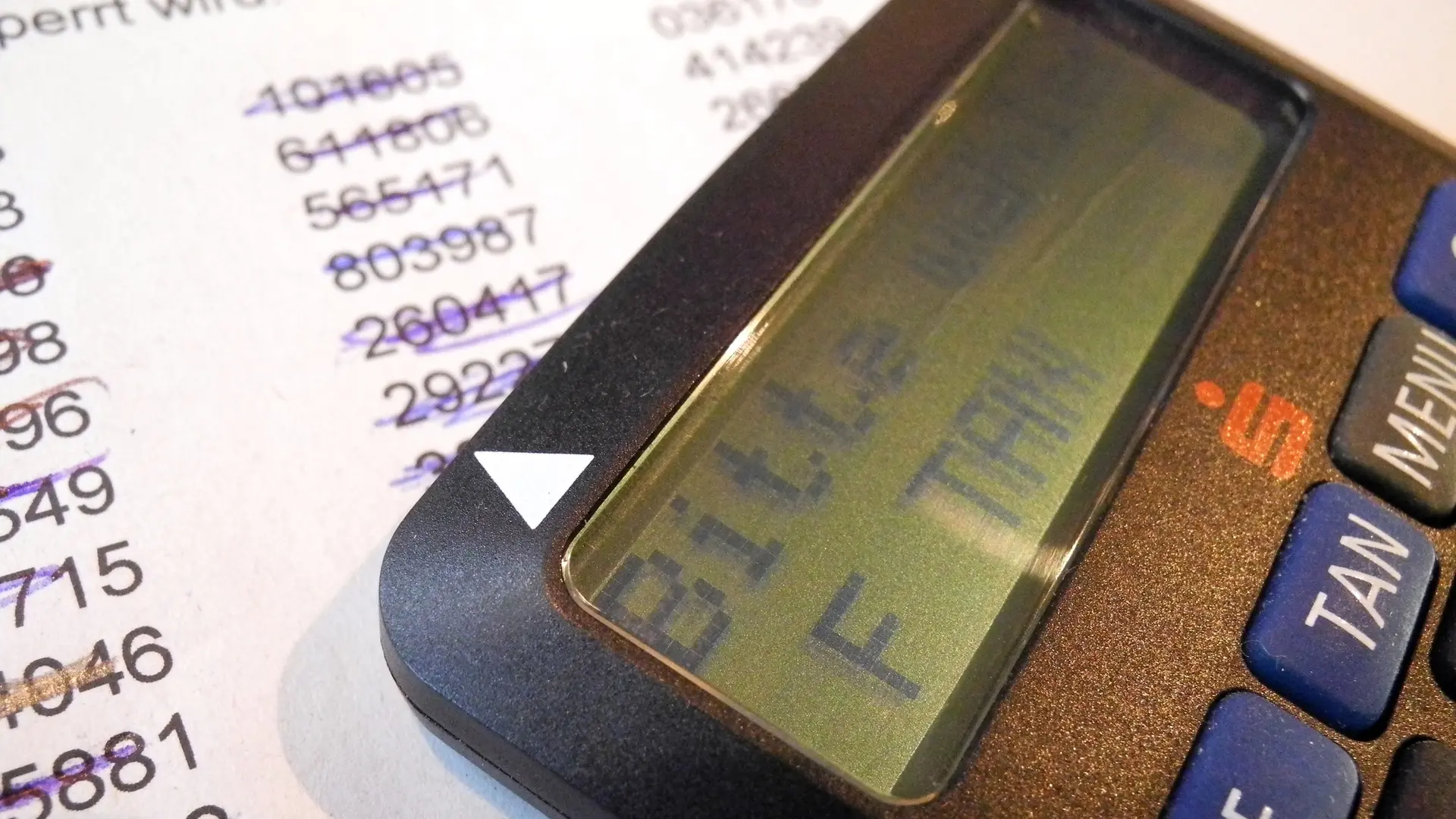
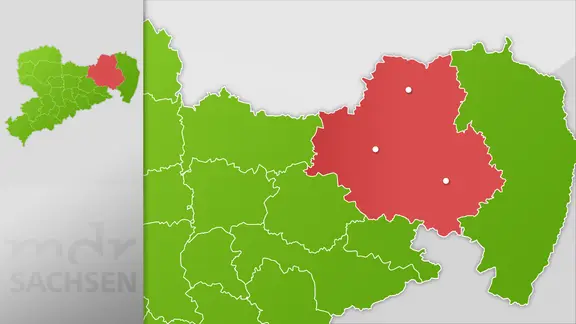
In the first incident, occurring in the village of Fischbach, Arnsdorf, a 35-year-old woman was targeted by a sophisticated telephone fraud operation. The perpetrator, posing as a legitimate bank employee, contacted the victim under the guise of "resolving a false transaction." By manipulating the victim through a sense of urgency and false authority, the scammer successfully persuaded her to disclose sensitive Transaction Authentication Numbers (TANs). These codes, intended to serve as a secure layer of verification for banking operations, were immediately used by the criminals to authorize unauthorized transfers. By the time the victim contacted her actual banking institution to verify the call, an alarming 20,000 euros had already been siphoned from her account.

In a separate, albeit equally devastating case in Löbau, a 34-year-old woman lost 10,000 euros in a predatory real estate scam. The victim had engaged with an advertisement on a prominent online classifieds portal that offered a residential property at an attractive price. The scammers, masquerading as property managers or agents, requested an "advance payment" or "deposit" to secure the property before the formal viewing and notarization process. The victim transferred the funds in good faith. However, the fraud reached its climax when, on the day of the scheduled appointment with a notary, neither the broker nor the seller appeared. Attempts to contact the individuals behind the offer were met with silence, and the perpetrators have since vanished.

2. Chronology of Events
The Fischbach Telephone Fraud
- Initial Contact: The victim receives a telephone call from an individual claiming to be from her bank’s security department.
- The Deception: The caller informs the victim of a supposed "error" or "incorrect booking" on her account, creating a state of alarm.
- The Exploitation: The fraudster insists that a "cancellation procedure" is required and instructs the victim to read out her mobile TAN codes to "verify" the reversal of the error.
- The Realization: After complying, the victim senses something is wrong and calls her bank independently.
- The Loss: The bank confirms the account has been drained of 20,000 euros.
- Current Status: Police are conducting a forensic investigation into the origin of the phone number and the destination of the stolen funds.
The Löbau Property Scam
- The Discovery: The victim identifies a property listing on an online marketplace.
- The Communication: The victim enters into negotiations with the supposed seller/agent, who employs professional-sounding language to build trust.
- The Financial Demand: The scammer requests a 10,000-euro deposit, framing it as a standard practice to "reserve" the house against other interested parties.
- The Execution: The victim transfers the money.
- The Failure: The victim arrives at the location for the formal notarization; no one appears.
- Disappearance: The seller’s profile is deleted, and phone numbers are disconnected.
- Current Status: The investigation is ongoing, with police tracking the digital footprints of the fake listing.
3. Supporting Data and Patterns of Cybercrime
These incidents are not isolated occurrences but rather represent a growing trend in digital crime within Saxony and the broader German landscape. Financial institutions and cybersecurity agencies have noted a sharp increase in "vishing" (voice phishing) and "CEO fraud" or "fake bank employee" schemes.

Data from the Federal Criminal Police Office (BKA) suggests that while cyber-literacy is improving, the psychological sophistication of fraudsters—who utilize "social engineering"—is outpacing public awareness. These criminals excel at creating "time pressure," a classic psychological trigger that causes individuals to bypass their critical thinking and adhere to the attacker’s instructions.

Furthermore, the real estate market has become a goldmine for scammers. Due to the high demand for housing and the competitive nature of property hunting, victims are often willing to bypass standard due diligence procedures to secure a home. Scammers exploit this urgency, often using stolen photos from legitimate listings or creating entirely fictitious property advertisements to lure unsuspecting buyers into paying "reservation fees" for property that does not exist or is not available.

4. Official Responses and Law Enforcement Guidance
The Saxony Police have issued urgent warnings to the public, emphasizing that no legitimate financial institution will ever call a customer and ask them to disclose their TANs or passwords over the phone.

Official Recommendations:
- TAN Secrecy: A TAN is a one-time password for specific, customer-initiated transactions. It should never be shared with anyone, regardless of their claims of being a bank representative.
- Verify, Don’t Trust: If you receive an unexpected call from your bank, hang up immediately. Call the bank back using the official number found on the back of your debit card or the bank’s official website. Never use a number provided by the caller.
- Real Estate Due Diligence: Never transfer money for a property purchase before a visit and, crucially, before a formal, notarized purchase contract is signed. The law in Germany mandates that real estate purchase contracts be notarized; any request for money prior to this is a major red flag.
- Local Inspections: Insist on an in-person viewing of any property. If a seller claims they are abroad or unable to show the property, proceed with extreme caution and likely terminate the interaction.
Police spokesperson reports indicate that these investigations are complex due to the anonymous nature of the internet and the use of sophisticated VPNs and offshore bank accounts by the perpetrators. Recovering funds once they have been transferred to international accounts is a daunting task, making prevention the only truly effective defense.

5. Implications: A Call for Structural Change
The implications of these crimes extend beyond the immediate financial ruin of the victims. They erode public trust in digital banking and online marketplaces, which are essential components of modern economic life.

The Erosion of Digital Trust
When citizens are constantly bombarded with warnings about potential fraud, they may become paralyzed by suspicion, potentially avoiding legitimate digital services. Conversely, the success of these criminals in extracting such large sums (20,000 euros and 10,000 euros, respectively) suggests that even educated, tech-savvy individuals can be manipulated. This indicates that the "human firewall" is failing, and more robust technical protections—such as mandatory multi-factor authentication that is harder to bypass via social engineering—must be adopted by the banking sector.

Legislative and Corporate Responsibility
There is an ongoing debate regarding the extent to which banks should be held liable for losses incurred via social engineering. While banks maintain that customers must guard their credentials, consumer advocates argue that banks should implement more rigorous real-time monitoring of "out-of-character" transactions. In the case of the 20,000-euro transfer, proponents of stricter regulation argue that a system flagging such a large, suspicious transfer should have triggered a human review before execution.
The Future of Online Marketplaces
Classifieds platforms face mounting pressure to implement stricter verification processes for property listings. The rise of "deepfake" images and professional-looking, stolen documents makes it difficult for a layperson to distinguish between a legitimate seller and a criminal. Moving forward, platforms may need to implement mandatory identity verification for anyone posting high-value items, such as real estate or vehicles, to mitigate the risk of fraud.

Societal Resilience
Ultimately, the battle against these criminals requires a multi-faceted approach:

- Education: Awareness campaigns must reach all age groups, not just the elderly, as the victims in these cases were in their 30s.
- Technology: Banks must evolve their security protocols to detect social engineering patterns in real-time.
- Law Enforcement: International cooperation between police forces is essential to track the money trail, which frequently crosses borders.
As these investigations continue in Eastern Saxony, the residents are reminded that in the digital age, skepticism is a necessary virtue. By verifying every request for sensitive information and adhering to the principle that "if it sounds too good to be true, it likely is," individuals can better protect themselves from the growing threat of digital predation. The stories of the victims in Fischbach and Löbau serve as a stark, expensive lesson for the rest of the community: trust is a valuable commodity, and in the world of cybercrime, it is the first thing the wolves look to exploit.