Acrylglas, widely known by its trade name Plexiglas and scientifically classified as Polymethylmethacrylate (PMMA), is a staple of modern life. From the high-clarity windows of aircraft and durable automotive headlights to the transparent partitions that became a familiar sight in retail environments during the COVID-19 pandemic, PMMA is prized for its transparency, weather resistance, and structural integrity. However, its end-of-life management has long been a significant environmental hurdle.
Now, a groundbreaking discovery by researchers at ETH Zurich, published on September 2, 2026, in the journal Nature Chemistry, promises to change the landscape of plastic circularity. The team has unveiled a novel chemical recycling method that can break down PMMA into its original, high-quality building blocks—monomers—using significantly less energy, no solvents, and minimal chemical input. This innovation could pave the way for a truly sustainable lifecycle for one of the world’s most versatile plastics.
The Core Challenge: Why PMMA is Hard to Break Down
To understand the magnitude of this breakthrough, one must look at the molecular structure of PMMA. It is a synthetic polymer formed through the chain-growth polymerization of Methylmethacrylate (MMA). While this structure gives the material its strength, it also makes it chemically stubborn.
Unlike certain polyesters that feature "weak links" in their backbone, allowing for easier chemical degradation, PMMA is held together by robust carbon-carbon bonds. Traditionally, reclaiming the original monomer from PMMA required a process known as thermal depolymerization or pyrolysis—essentially "cooking" the plastic in the absence of oxygen at temperatures exceeding 400 degrees Celsius.
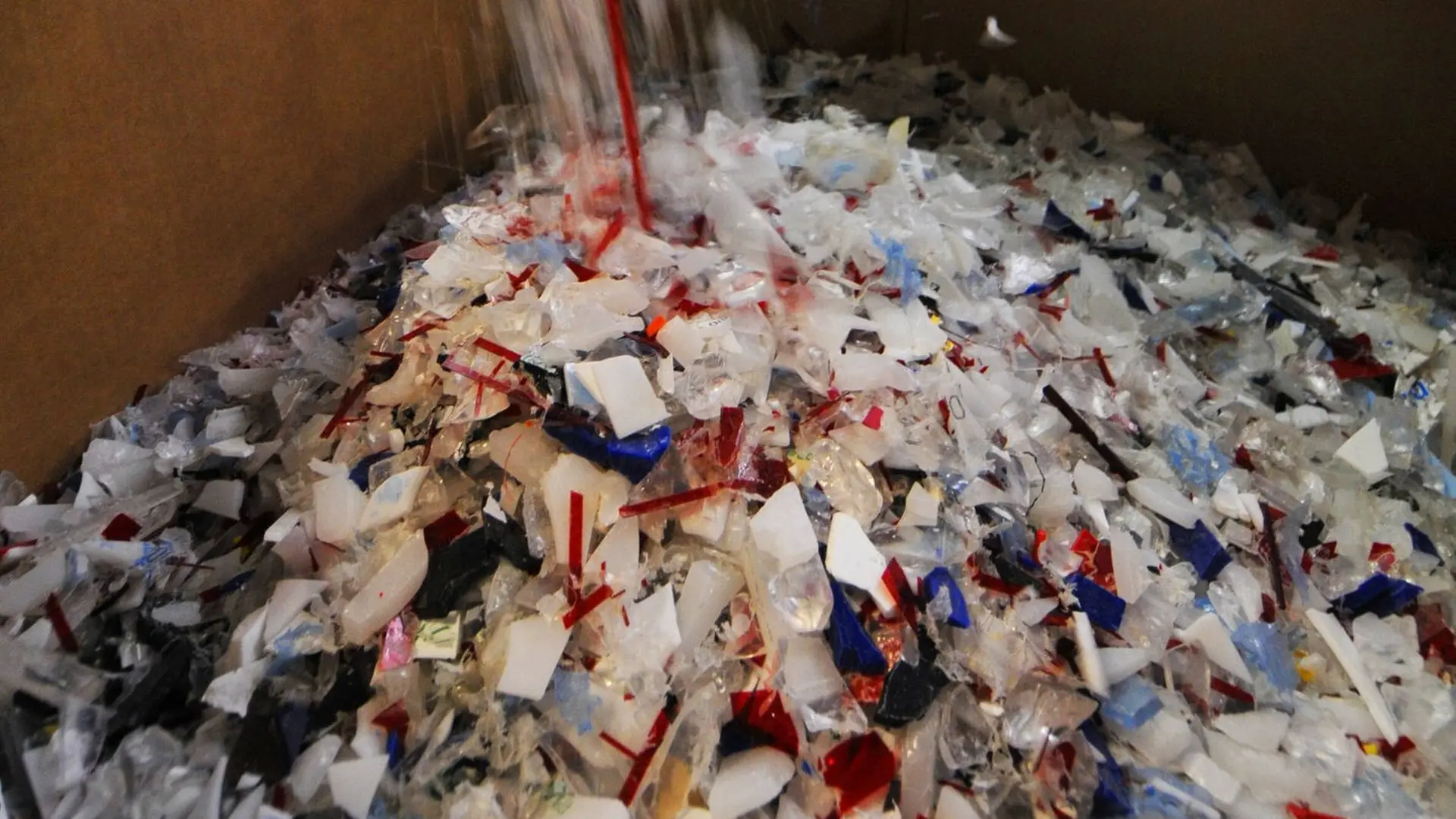
This high-heat approach is not only energy-intensive and costly but also presents complex technical challenges in purifying the resulting products. The energy demand often outweighs the economic benefits of the recycled output, leading to a situation where vast quantities of PMMA end up in landfills or are incinerated rather than returned to the production cycle.
A New Chemical Catalyst: The "N-Hydroxyimide" Solution
The research team, led by Professor Athina Anastasaki at ETH Zurich, approached the problem with a focus on efficiency and scalability. They sought a way to trigger the "unzipping" of the polymer chain at lower temperatures without relying on hazardous solvents or complex, expensive catalysts.
The breakthrough came with the discovery that a specific class of compounds known as N-hydroxyimides could act as a highly efficient trigger for the reaction. These chemicals are already commercially available and relatively inexpensive.
"We systematically searched for a substance that could initiate the depolymerization process," explains Professor Anastasaki. "The result was surprising—we found that the addition of a small, precise amount of this compound is enough to start the reaction. It effectively ‘cuts’ the polymer chains and allows the original monomer to be released."
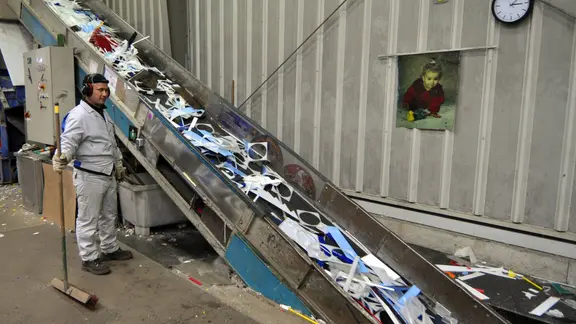
Crucially, once the reaction is initiated by the N-hydroxyimide, it becomes largely self-sustaining. This eliminates the need for constant, massive energy inputs, as the reaction proceeds at temperatures between 175 and 180 degrees Celsius—a stark contrast to the 400-plus degrees required by traditional pyrolysis.
Supporting Data: From Laboratory to Potential Industry Scale
The experimental results reported by the ETH Zurich team are highly encouraging. In laboratory trials, the researchers tested the method on various types of commercial PMMA, including colored variants that contained common industrial additives such as pigments, stabilizers, and fillers.
- Depolymerization Rate: The researchers achieved a depolymerization rate of up to 90 percent in their initial trials.
- Purity: In a subsequent distillation phase, they were able to recover 90 percent of the original material as high-purity monomer.
- Quality: The recovered monomers were of sufficient quality to be repolymerized into "virgin-quality" plastic, a critical requirement for high-end applications like automotive parts or optical lenses.
However, the researchers remain cautious about the transition to industrial scales. While a 90 percent recovery in a lab setting is a triumph, the transition to multi-ton processing will require careful engineering to manage heat transfer and consistent purity levels. The researchers emphasize that the "percentage of depolymerized polymer" should not be confused with "total industrial recovery," which will depend on the final infrastructure and logistics of the recycling facility.
The Landscape of Plastic Waste: Facts and Figures
To contextualize the importance of this development, one must look at the current market statistics for PMMA.
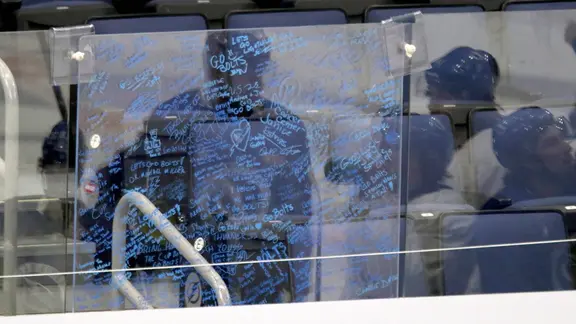
- Annual Production: Europe produces approximately 300,000 tons of PMMA annually.
- Current Recycling Capacity: Despite the high demand, only about 30,000 tons of PMMA waste are currently collected for recycling (both mechanical and chemical).
- Application Diversity: PMMA is ubiquitous in the construction, automotive, and consumer goods sectors. Its presence in complex, multi-material components (such as a headlight assembly containing electronics, glass, and metal) makes mechanical recycling—which involves melting and reshaping—difficult, as the plastic must be essentially pure to maintain its structural integrity.
The ETH method offers a distinct advantage here: by breaking the plastic down to the molecular level, it can theoretically handle post-consumer waste that is currently considered "contaminated" or otherwise unsuitable for high-quality mechanical recycling.
Official Perspectives and Comparative Analysis
The global scientific and industrial community has been watching the progress of chemical recycling closely. The ETH Zurich project is not operating in a vacuum; it competes and complements existing initiatives like the EU-funded "MMAtwo" project.
The MMAtwo Approach
The MMAtwo project has already successfully demonstrated thermal recycling through pyrolysis at 350 degrees Celsius. Its strength lies in its maturity; the project has completed multiple successful pilot trials with industry partners and has developed protocols for handling complex waste, such as PMMA reinforced with glass fibers or containing PVC traces.
The ETH Advantage
The primary differentiator for the ETH Zurich method is its low-energy profile and "drop-in" potential. Many previous chemical recycling attempts failed because they required companies to overhaul their entire factory floor to accommodate new, specialized equipment.

"Our previous research and that of others often faced the ‘implementation gap,’" says Anastasaki. "If a company has to spend millions on new, custom-built reactors to use a new method, it won’t happen. Our goal was to create a process that could be integrated into existing infrastructure with minimal modifications."
By patenting the process and actively seeking industry licensing, ETH Zurich aims to bypass the traditional barriers to commercialization that plague academic research.
Implications for a Circular Economy
The implications of this discovery are twofold: environmental and economic.
Environmental Impact
If implemented, this technology could significantly reduce the carbon footprint associated with PMMA production. Creating virgin PMMA from petroleum-based feedstocks is an energy-intensive process that releases significant CO2. By creating a closed-loop system where PMMA can be broken down and rebuilt indefinitely, the industry could move toward a model that mimics natural nutrient cycles, significantly reducing the demand for raw fossil fuels.
Economic Viability
The economic success of this method will ultimately hinge on four factors:
- Energy Costs: The lower temperature requirement is a massive operational expenditure (OPEX) saver.
- Reagent Costs: The affordability of the N-hydroxyimide compound is crucial for keeping production costs competitive with virgin plastic.
- Monomer Market Price: The price of the recycled monomer must be comparable to or lower than the price of virgin monomer to entice manufacturers.
- Policy and Regulation: Future EU and global regulations regarding "plastic taxes" or mandatory recycled content quotas will likely act as the primary drivers for the adoption of this technology.
Future Outlook: Beyond PMMA
The ETH team is already looking toward the next frontier. While the current patent specifically covers the depolymerization of PMMA, the research group is optimistic about the broader applicability of their "catalyst-trigger" concept.
"We are now testing whether this principle can be applied to Polystyrene (PS)," says Anastasaki. Polystyrene is one of the most common plastics in the world, used in everything from food packaging to insulation. If the same low-energy, solvent-free approach can be successfully adapted for PS, the potential for impact would be multiplied several times over.
For now, the focus remains on scaling the PMMA process. The researchers are currently engaged in efforts to optimize the reaction for larger volumes and are in preliminary discussions with industry stakeholders to demonstrate the process at an industrial pilot scale.

As the world grapples with the "plastic crisis," the work being done at ETH Zurich offers a rare and tangible ray of hope. It moves the conversation away from the "lie of climate-neutral plastic" and toward a reality where materials are valued as permanent resources, not disposable waste. By bridging the gap between molecular chemistry and industrial feasibility, this research team is providing the tools necessary to build a truly circular future.
Reference:
Whitfield, R., Lohmann, V., Agrachev, M., Kim, H., Wang, H. S., De Alwis Watuthanthrige, N., Truong, P., Choi, T. L., Jeschke, G., & Anastasaki, A. (2026). Lower-temperature bulk depolymerization of commercial polymethacrylates. Nature Chemistry. DOI: 10.1038/s41557-026-02232-4.