Introduction: A New Day in the Heart of Germany
As the sun rises over the diverse topography of Hessen—from the dense forests of the Taunus to the bustling urban corridors of the Rhine-Main area—a new day brings with it a complex tapestry of news, environmental developments, and civic updates. Today, Thursday, marks another chapter in the state’s ongoing narrative, characterized by a blend of routine governance, societal challenges, and the persistent, often overlooked, biological shifts occurring beneath our feet.
This morning’s briefing serves to synthesize the essential developments affecting the region. Whether it is the pulse of the local economy, shifts in infrastructure, or the unexpected news concerning the arrival of invasive species, the following report provides a comprehensive overview of what residents, policymakers, and observers need to know to navigate the day ahead.
The Ecological Front: The Gland Ant’s Silent Advance
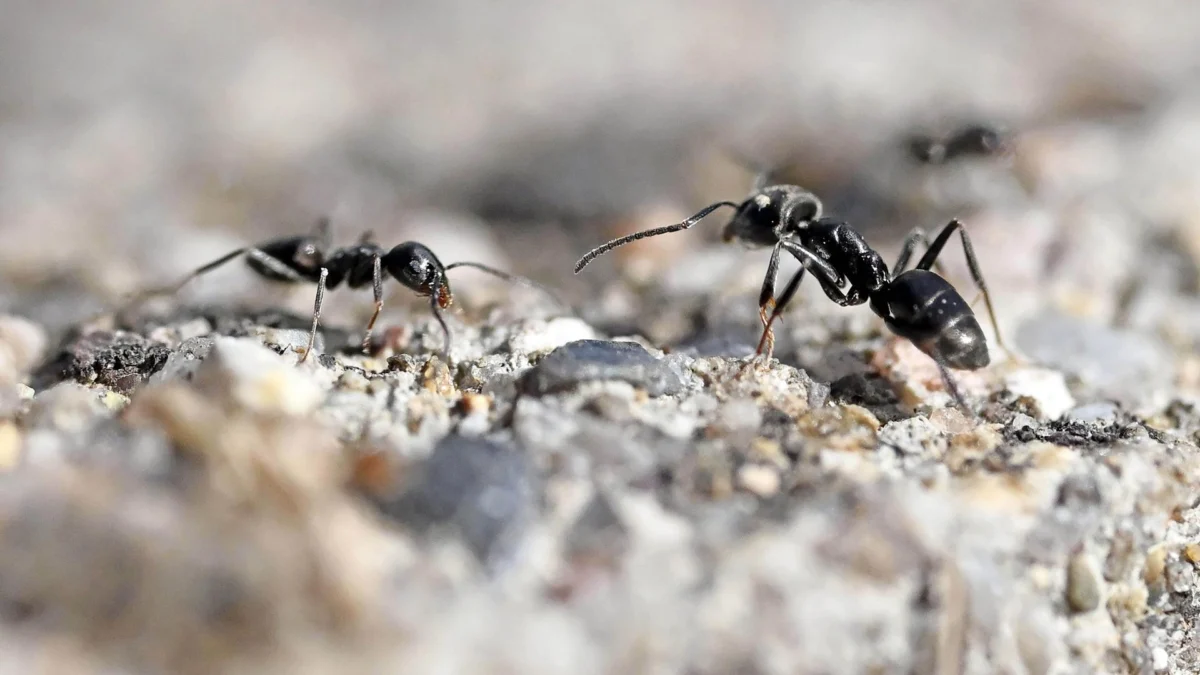
One of the most pressing, albeit subtle, stories currently circulating in the regional discourse involves the emergence of the "Gland Ant" (Tapinoma magnum). While often overshadowed by high-level political debates, the proliferation of this invasive species represents a significant ecological challenge for Hessen’s urban and suburban environments.

The Biology of the Intruder
The Gland Ant, a species native to the Mediterranean region, has found a comfortable, if destructive, foothold in Central Europe. Unlike native ant species that play a balanced role in our local ecosystems, the Gland Ant is characterized by its aggressive colonial behavior. These ants form "supercolonies" that can span vast distances, connecting multiple nests through underground tunnels.
Their presence is not merely a nuisance for homeowners dealing with infested gardens; it is an ecological red flag. They displace native insect populations, disrupt local soil chemistry, and have shown a remarkable ability to survive harsh German winters due to their deep-nesting habits.
A Chronology of the Spread
The detection of Tapinoma magnum in Hessen is not a sudden phenomenon but rather the culmination of years of gradual expansion:

- Initial Observations (2018–2020): Early sightings were largely dismissed as isolated incidents or misidentifications by amateur entomologists.
- The 2022 Surge: A significant spike in reports from municipal gardening departments suggested that the population had reached a critical threshold.
- 2023–2024: Formal scientific monitoring projects began across the state, identifying "hot zones" in cities like Frankfurt and Wiesbaden, where urban heat islands provide the perfect climate for these heat-loving insects.
Economic and Infrastructure Updates
Beyond the biological realm, the state of Hessen continues to grapple with the multifaceted demands of a modern European economic hub. As we move through the day, several key sectors are under scrutiny.
The Infrastructure Pulse
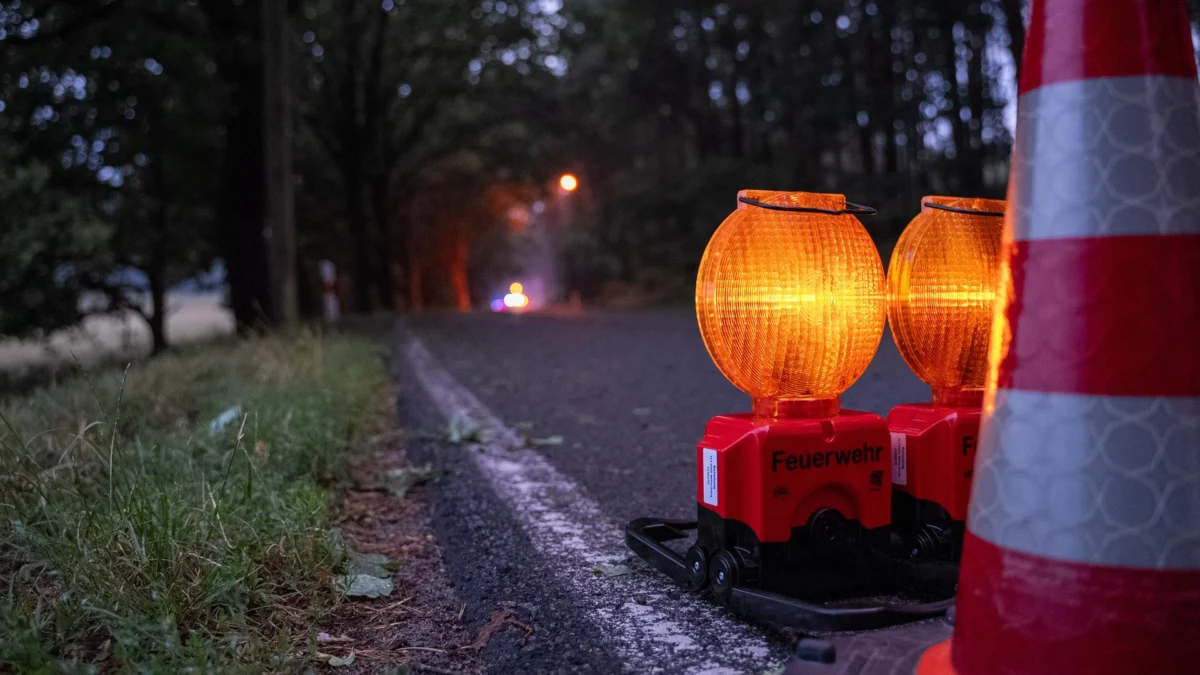
Transportation remains the backbone of the Hessian economy. Today’s reports highlight ongoing maintenance projects along the A5 and A66 corridors. While necessary for long-term sustainability, these projects serve as a reminder of the delicate balance between aging infrastructure and the demands of modern logistics. Commuters are advised to account for potential delays, as the state works to finalize repairs before the next phase of winter weather planning begins.
The Economic Outlook
Economic analysts are closely watching the performance of the financial sector in Frankfurt. With global market volatility, the local banking industry is focusing on resilience and digitalization. Small-to-medium enterprises (SMEs)—the "Mittelstand"—also report a cautious optimism as energy prices stabilize, though labor shortages in the manufacturing sector continue to be a primary concern for local chambers of commerce.

Official Responses: Managing the Invasive Threat
The response to the Gland Ant invasion has shifted from localized confusion to a coordinated effort involving municipal authorities and agricultural scientists.
Legislative and Scientific Action
The Hessian Ministry for the Environment has issued updated guidelines for municipalities. The focus is currently on "containment rather than eradication," as experts acknowledge that total removal of the Gland Ant from urban areas is likely impossible given their current spread.
- Public Education: A key pillar of the government’s response is informing the public. Authorities are encouraging residents to report sightings via official portals, helping scientists map the advancement of the colonies.
- Professional Intervention: The state has provided subsidies for specialized pest control services that utilize integrated pest management (IPM) techniques, which aim to minimize the use of broad-spectrum chemical pesticides that could harm native species.
Implications for the Future
The long-term implications of this invasion are profound. If left unchecked, the Gland Ant could fundamentally alter the composition of urban green spaces. Gardeners and city planners must now reconsider plant selection and soil management to make environments less hospitable to these invasive colonies.

Societal Impacts: What Moves Hessen Today
Beyond the specifics of the Gland Ant and infrastructure, today’s news is shaped by the daily rhythms of Hessian life.
Public Health and Community
Local health departments are emphasizing the importance of seasonal vaccinations and public hygiene as we transition into the deeper months of the year. Community centers across the state are also ramping up initiatives to support social cohesion, focusing on integrating new arrivals and providing resources for the aging population.
The Digital Shift
The integration of digital services in state government (e-Government) continues to be a top priority. Today, several new digital portals are expected to go live, aiming to streamline bureaucratic processes for residents. This digital transformation is vital for maintaining Hessen’s competitiveness and ensuring that public services remain accessible to all citizens, regardless of their location.

Synthesis: A Comprehensive Look at the Day
As we evaluate the state of Hessen today, it becomes clear that we are dealing with two distinct types of challenges: the predictable, structural issues of a functioning state (infrastructure, economy, governance) and the unpredictable, biological threats that arise from a changing global environment.
The Interplay of Factors
It is easy to compartmentalize these issues—to view traffic jams as a purely logistical problem and ant infestations as a purely biological one. However, in a modern, interconnected state, these factors overlap. An invasive species affects the upkeep of municipal parks, which in turn impacts the quality of life for residents, which eventually influences the economic attractiveness of a city.
Looking Ahead
As the day progresses, we expect further updates on the following:

- Transport Alerts: Real-time monitoring of road closures and rail delays.
- Environmental Reports: New data from the state research institutes regarding the Gland Ant migration patterns.
- Civic Announcements: Legislative updates regarding upcoming budget discussions in the state parliament.
Conclusion: The Resilience of Hessen
Hessen remains a state defined by its ability to adapt. Whether it is managing the complexities of a global financial hub or addressing the ecological nuances of invasive species, the state’s strength lies in its proactive approach to information and governance.
By staying informed and engaged, residents can better understand the forces shaping their communities. As the morning transitions into the afternoon, we continue to track these developments, ensuring that the citizens of Hessen are kept abreast of the issues that matter most.
For those seeking to contribute to the ongoing ecological monitoring efforts, official channels and municipal portals remain the best resources for both reporting sightings and learning how to protect local green spaces.

The day continues, and as always, we are committed to providing the clarity and context required to navigate the complexities of our shared environment. Stay tuned to the latest updates as we continue to track the pulse of the state throughout the remainder of this Thursday.