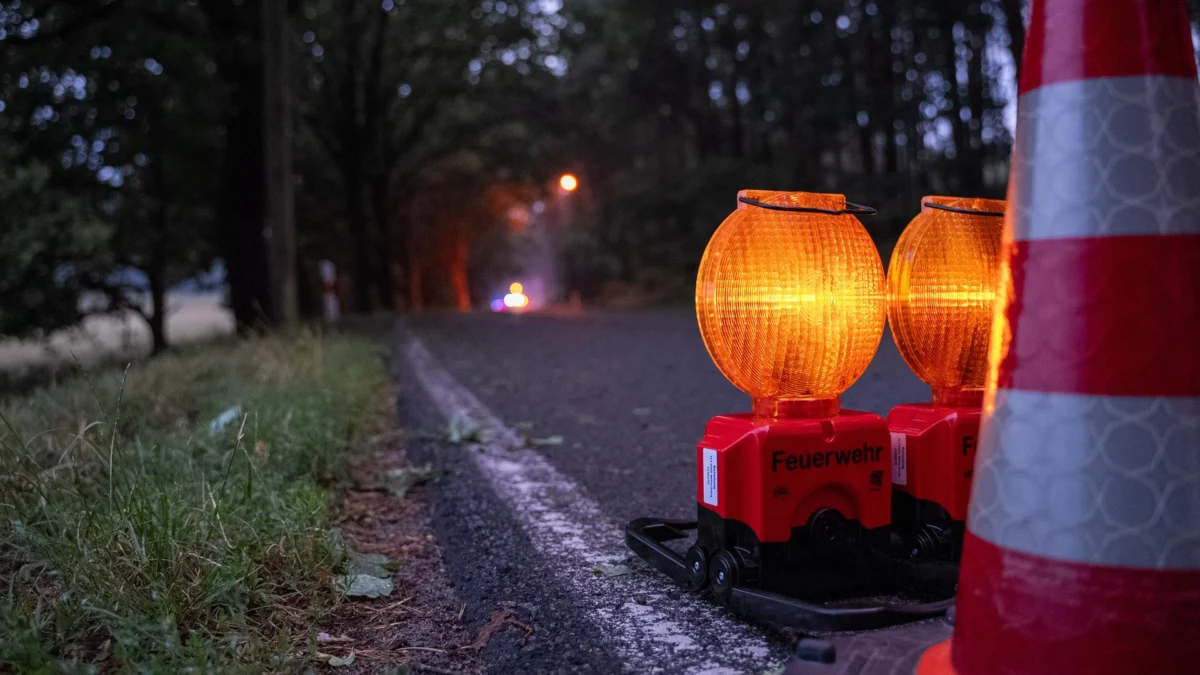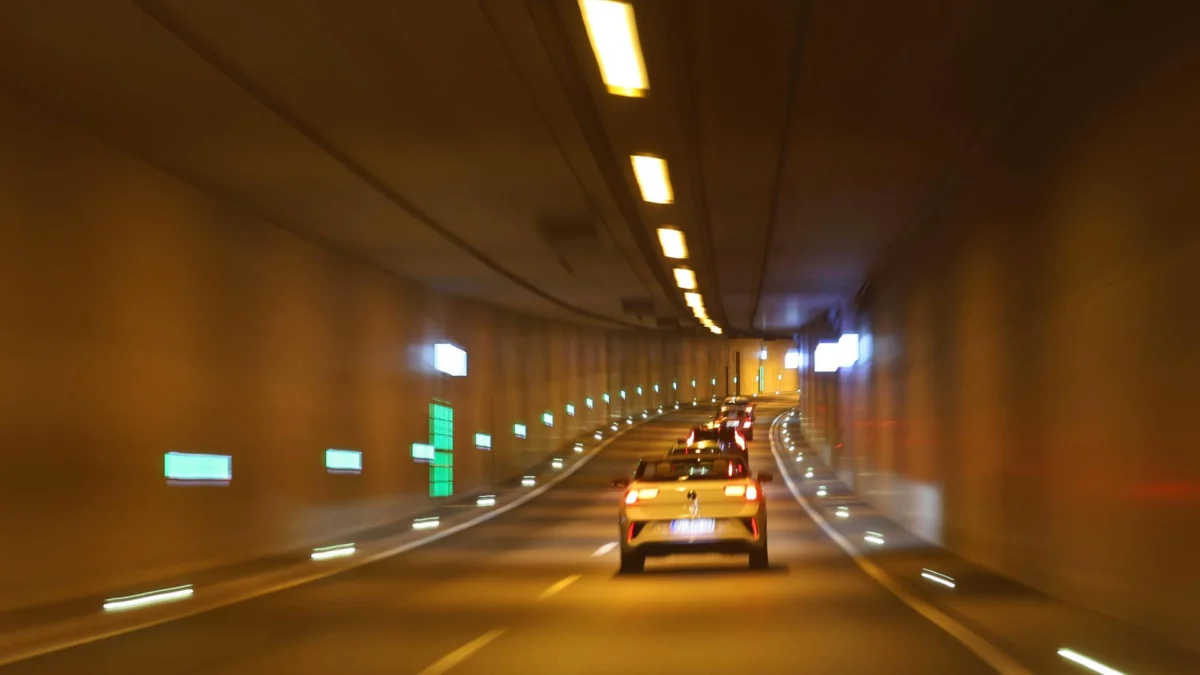
Traffic disruptions continue to plague the A66 motorway in East Hesse as authorities initiate a new round of tunnel closures for forensic evidence collection. The incident, stemming from a severe collision in May, serves as a stark reminder of the vulnerability of critical transport infrastructure.
Executive Summary: The Current Situation
Motorists traveling through East Hesse are facing further logistical challenges this week. The Autobahn GmbH West has confirmed that the A66 tunnel near Neuhof, located in the district of Fulda, will be closed to traffic in the direction of Fulda. The closure is scheduled to commence at 8:00 PM on Thursday and conclude at 5:00 AM on Friday morning.
This temporary shutdown is not a result of new construction, but rather a necessary legal and procedural requirement stemming from a high-profile accident that occurred earlier this spring. As investigators finalize their efforts to document the damage caused by a multi-vehicle transport truck, the tunnel—a vital artery for regional and long-distance commerce—must remain vacant to ensure both safety and accurate forensic analysis.
Chronology of the Incident
The current disruption is the latest chapter in a series of unfortunate events that have bedeviled the Neuhof tunnel throughout the year.
The May Incident: A Costly Error
In May, a heavy-duty semi-trailer truck loaded with passenger vehicles attempted to transit the tunnel. The driver, evidently failing to account for the height clearance requirements of the tunnel’s interior safety infrastructure, entered the facility with a load that exceeded the maximum vertical limit.
The impact was immediate and catastrophic for the tunnel’s technical installations. The roof of the trailer struck critical monitoring equipment, effectively stripping away a significant portion of the internal hardware. According to reports from the scene, roughly 50% of the integrated security cameras were destroyed, and nearly the entire loudspeaker array—a critical component for emergency communication and evacuation protocols—was torn from its mountings.
A Summer of Disruptions
The damage caused in May was particularly frustrating for local authorities, as it occurred only days after the tunnel had been reopened following a separate, unrelated incident. Earlier in the spring, the tunnel had been shuttered due to a vehicle fire that resulted in significant heat damage to the road surface. The subsequent repair works to the asphalt had just been completed when the truck collision occurred, compounding the frustration of commuters who had already endured weeks of diversions.
Supporting Data: Infrastructure and Safety
The Neuhof tunnel is not merely a segment of road; it is a high-tech facility governed by strict safety regulations that are mandatory for modern German motorway tunnels.
The Anatomy of Tunnel Safety
Modern tunnel safety relies on a "redundant system" of sensors, cameras, and communication devices. When a vehicle exceeds height restrictions, the impact on these systems is not merely cosmetic. The destruction of cameras prevents traffic control centers from monitoring potential secondary accidents or fire hazards in real-time. Similarly, the loss of loudspeakers compromises the ability of operators to provide instructions to motorists in the event of an emergency.
The Cost of Negligence
While the specific financial damages of the May incident are still being calculated by insurance adjusters and legal authorities, industry experts suggest that the repair of high-tech tunnel infrastructure is exponentially more expensive than standard road maintenance. Specialized technicians must perform precise installations of fiber-optic cabling, high-definition sensors, and fire-suppression systems, all of which require specialized certification to operate within a tunnel environment.
Official Responses and Traffic Management
The Autobahn GmbH West, the federal agency responsible for the planning, construction, and operation of Germany’s motorways, has issued clear directives for affected commuters.
The Recommended Diversion Route
To mitigate the impact of the Thursday night closure, the agency has outlined a specific detour to bypass the tunnel without overwhelming local residential streets. Motorists are advised to exit the A66 at the Neuhof-Süd junction.

From there, the recommended route leads via:
- Landstraße: Traveling through the municipalities of Kalbach, Büchenberg, Zillbach, and Döllbach.
- Bundesstraße 279: Traffic will be routed onto the B279, which acts as a secondary corridor for the region.
- Re-entry: Finally, drivers can rejoin the A66 motorway at the Fulda-Süd junction.
While this diversion route is well-marked, authorities have warned that heavy goods vehicles (HGVs) should anticipate slower travel times and are urged to plan their logistics schedules accordingly to avoid the peak closure window.
Implications: The Broader Impact on East Hesse
The recurring nature of these closures has sparked a broader debate regarding infrastructure resilience and the human factor in road safety.
The "Human Factor" in Infrastructure Protection
The incident in May highlights a recurring problem on German motorways: the failure of commercial drivers to adhere to height clearance signage. Despite the deployment of advanced sensor-based height warning systems—which often trigger flashing lights and sirens before a vehicle reaches the tunnel entrance—such accidents remain a persistent issue.
There is a growing call from regional safety advocacy groups for stricter enforcement of vehicle height compliance. Proposals include increased fines for drivers who ignore clearance warnings and the implementation of "crash-protection" gantry systems that physically prevent oversized vehicles from reaching the tunnel portal.
Economic Consequences
For the local economy, the repeated closures of the Neuhof tunnel represent more than just a minor inconvenience. The A66 is a critical transit corridor for logistics companies moving goods from the Rhine-Main area toward the industrial hubs of Thuringia and Saxony. Each hour of closure represents a loss in efficiency for the supply chain. Small and medium-sized enterprises (SMEs) in the Fulda region, which rely on the predictability of the motorway for "just-in-time" deliveries, are particularly vulnerable to these disruptions.
Legal and Forensic Necessity
The upcoming closure for "Beweissicherung" (securing of evidence) underscores the legal complexity of such accidents. Because the damage was so extensive, the authorities are treating the event as a significant case of property destruction. The forensic analysis requires that the scene be cleared of active traffic to allow for high-precision 3D laser scanning of the damaged overhead structures. This evidence is crucial for the pending legal proceedings against the trucking firm and the insurance claims process.
Looking Ahead: Long-term Reliability
As the Autobahn GmbH West moves forward with the necessary repairs and investigations, the focus remains on ensuring that the Neuhof tunnel is returned to full, safe operational status as quickly as possible.
The events of this year—a fire, followed by a major structural collision, and the subsequent logistical nightmare of repairs—highlight the fragility of our interconnected road network. For the residents and commuters of East Hesse, the hope is that this latest closure will be the final step in a long process of recovery.
Final Advice to Motorists
Traffic authorities advise all drivers planning to use the A66 through the Fulda region on Thursday night to:
- Check Live Updates: Utilize navigation apps or the official Autobahn app for real-time traffic data.
- Adjust Schedules: If possible, complete journeys through the area before 8:00 PM.
- Exercise Patience: Adhere strictly to the posted detour signage, as local roads are not designed for the volume of traffic typically seen on the motorway, and local authorities will be monitoring the detour routes for safety.
The resilience of the A66 remains a top priority for regional planners, but as these recent events prove, even the most modern infrastructure is only as robust as the care with which it is navigated. As the investigation into the May collision continues, the incident stands as a sobering lesson in the cost of human error in the high-stakes environment of motorway management.