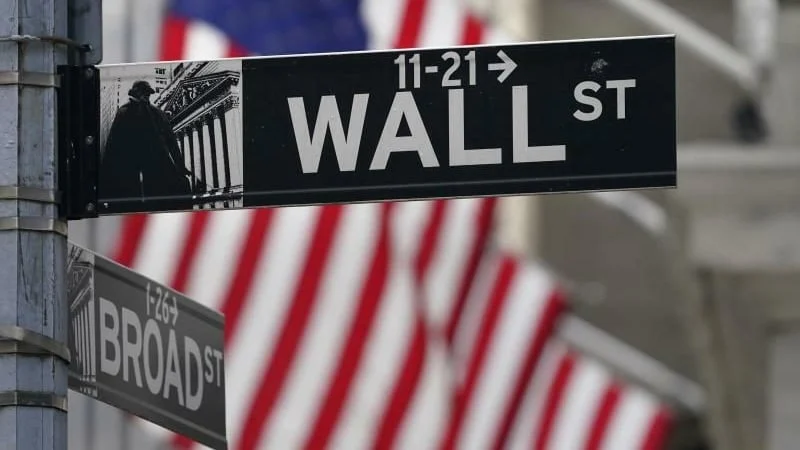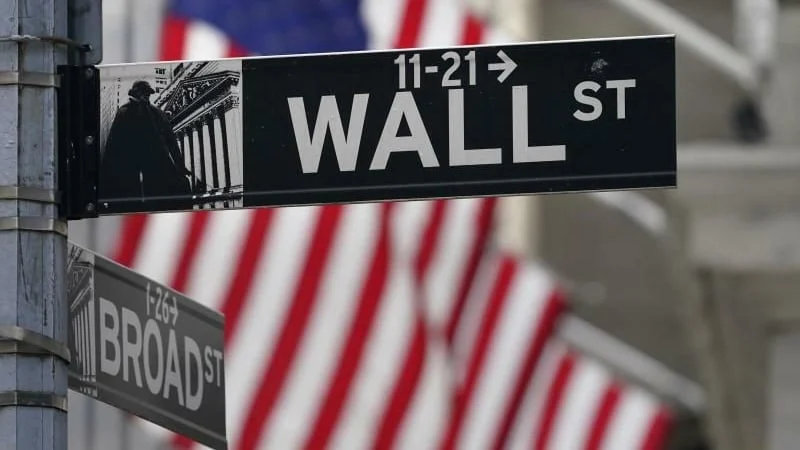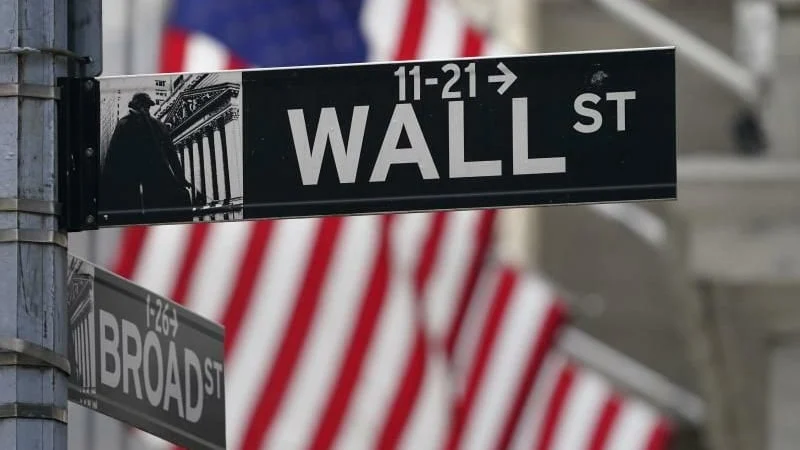
DÜSSELDORF – The financial markets of the United States experienced a day of stark contrasts on Wednesday, as robust corporate earnings from industry titans ignited a rally in the technology sector, while mounting geopolitical tensions in the Middle East sent shockwaves through the global energy markets. Investors found themselves navigating a complex landscape defined by the promise of artificial intelligence-driven growth and the persistent, unsettling shadow of potential supply-chain disruptions in the crude oil sector.
I. Main Facts: The Dual Narrative of the Trading Day
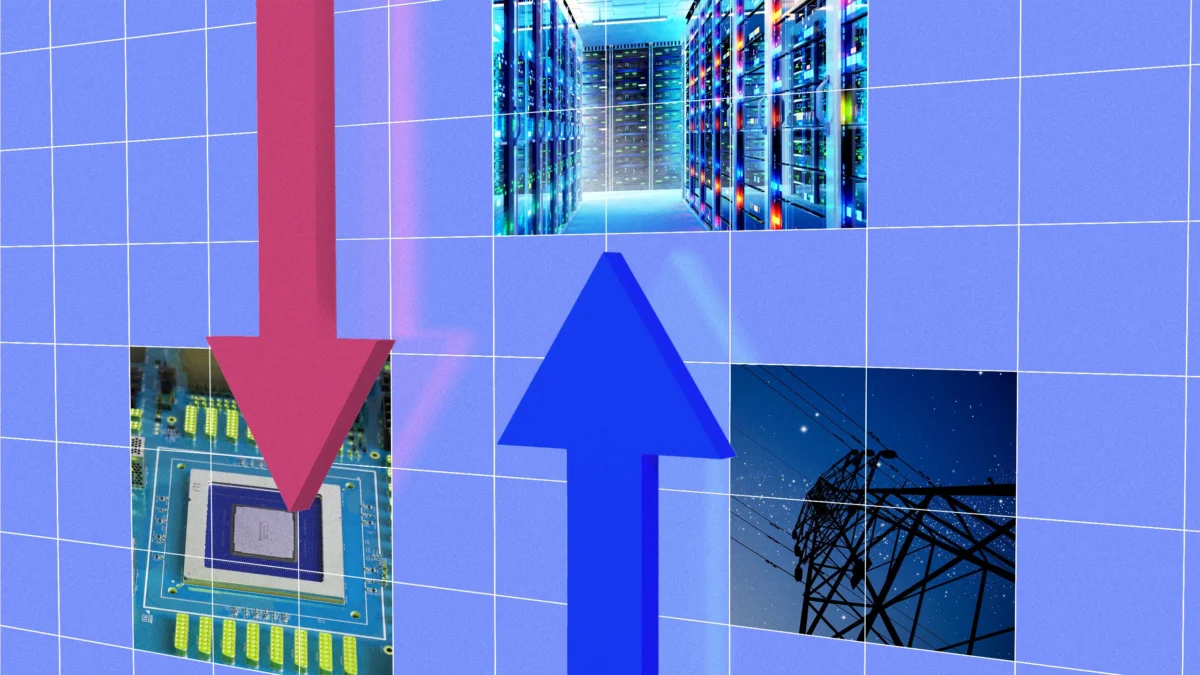
The trading session on Wednesday was dominated by two opposing forces. On one hand, the Nasdaq Composite, the barometer for the American technology sector, surged as market participants reacted favorably to stellar quarterly performance reports from SpaceX and Super Micro Computer. These reports served as a powerful reminder of the underlying strength of the tech sector, specifically regarding infrastructure and space-age innovation.
Conversely, the broader market indices faced significant headwinds. While technology stocks reached for the ceiling, the telecommunications sector experienced a notable downturn, effectively acting as an anchor that prevented the S&P 500 and the Dow Jones Industrial Average from mirroring the exuberance of the tech-heavy Nasdaq.
Underlying these fluctuations was the macro-narrative of the day: the volatility of the energy market. As global oil prices crept upward, fueled by renewed anxieties surrounding the conflict in the Middle East, the specter of inflation began to loom once again in the minds of institutional investors.
II. Chronology: A Day of Shifting Sentiment
The trading day began with a wave of optimism as analysts dissected the earnings beats released by key technology players.
- Early Morning (Pre-Market): Futures for the Nasdaq spiked shortly after the release of earnings reports from Super Micro Computer, which showcased a significant increase in demand for server infrastructure capable of supporting advanced AI workloads.
- Mid-Morning: As the opening bell rang, buying momentum intensified. Tech stocks rallied, drawing in retail and institutional capital alike. However, this trend was almost immediately countered by weakness in the telecommunications sector, where profit-taking and concerns regarding capital expenditure costs began to weigh on share prices.
- Afternoon: The focus shifted from corporate boardrooms to the geopolitical stage. Reports of escalating tensions in the Middle East hit the wires, causing an immediate pivot in commodities trading. Brent crude, which had seen a brief period of morning stabilization, began a sharp upward trajectory.
- Market Close: The day concluded with the Nasdaq holding onto its gains, while the broader market remained cautious. The closing figures reflected a market that is fundamentally bullish on technology but increasingly defensive regarding global stability.
III. Supporting Data: The Numbers Behind the Sentiment
The divergence in market performance can be quantified through the specific metrics observed during the session:
- Energy Prices: Brent crude, the international benchmark, surged by 0.8% during the trading session, settling at $109.66 per barrel for December delivery. This uptick represents a sharp reversal from the brief period of stability observed earlier in the week.
- The Tech Rally: Super Micro Computer saw its valuation climb significantly as its revenue growth outpaced consensus estimates by a wide margin, proving that the demand for high-performance computing hardware remains largely inelastic despite broader economic concerns.
- Market Indices: While the Nasdaq enjoyed a multi-percentage point gain, the S&P 500 remained largely flat, hindered by the telecommunications sell-off. This divergence highlights a "selective rally" phenomenon, where capital is fleeing from traditional service sectors into high-growth, high-tech assets.
IV. Expert Perspectives and Official Analysis
The volatility witnessed on Wednesday has drawn commentary from some of the world’s leading financial analysts.
Kyle Rodda, a Senior Financial Market Analyst at capital.com, provided a sobering perspective on the current environment. "The markets are currently attempting to balance two incompatible narratives," Rodda noted. "Investors want to believe that the AI revolution will provide a perpetual tailwind for earnings, but they are being forced to contend with a chaotic energy market that is directly tied to the deteriorating stability in the Middle East."
Rodda emphasized that the current market environment is not for the faint of heart, noting that the "fear premium" is once again being priced into oil, which in turn acts as a tax on the rest of the economy.
Suvro Sarkar, an energy analyst at DBS, described the situation as a "rollercoaster." In his assessment, "Investors are caught in a tug-of-war between hope and reality. On one side, there is the hope that regional intermediaries, such as Pakistan, can facilitate de-escalation in the Iran conflict. On the other side, the technical reality of the market suggests that a lasting peace is currently not on the horizon."
The analyst community is largely in agreement that until there is clarity regarding the geopolitical situation in the Middle East, volatility will remain the defining feature of the energy sector, which will continue to exert a "tug-of-war" effect on the broader equity markets.
V. Implications: What Lies Ahead for Investors?
The events of Wednesday carry significant implications for the remainder of the quarter.
1. The Resilience of Technology
The fact that companies like Super Micro Computer are delivering such strong results suggests that the "AI Boom" is not merely hype but is translating into tangible capital expenditure. For investors, this signals that high-growth tech may remain a safe harbor, provided that interest rates remain within a manageable band.
2. The Geopolitical Risk Premium
The primary threat to the current bull market is energy inflation. If Brent crude continues to climb toward the $115-$120 range, central banks may be forced to maintain a "higher-for-longer" interest rate stance to combat the resulting inflation. This would be a major negative catalyst for the equity markets, particularly for growth stocks that rely on cheaper debt to fund expansion.
3. Sector Rotation
The weakness in telecommunications suggests that investors are becoming more discerning. Defensive sectors that were traditionally seen as safe havens are being sold off to fund positions in the AI-driven tech space. This rotation suggests that the market is currently in a "risk-on" mood, prioritizing growth over dividends.
4. The Path to Stability
Market stability is currently contingent upon two variables:
- Earnings Consistency: The ability of tech firms to continue meeting or beating earnings estimates in the coming quarters.
- Diplomatic Outcomes: The success or failure of regional diplomatic efforts to quell the unrest in the Middle East.
Conclusion
As the dust settles on Wednesday’s trading session, it is clear that the global market is in a period of transition. The optimism provided by the technology sector has proven strong enough to counteract the weight of telecommunications losses, but it is effectively being held hostage by the volatility of the oil market.
For the average investor, the current climate demands a balanced approach. While the technological shift driven by companies like SpaceX and Super Micro Computer offers legitimate long-term growth, the short-term risks associated with energy prices and geopolitical instability cannot be ignored. The "rollercoaster" described by analysts is likely to continue, making prudent risk management more essential now than at any point in the recent past. As we look toward the end of the week, the primary focus will remain on the intersection of corporate earnings and the shifting sands of the geopolitical landscape.