In the dimly lit theaters of contemporary cinema, a visceral transformation is taking place. Where 1980s classics like David Cronenberg’s The Fly or David Lynch’s Eraserhead once used the disintegration of the human form to explore existential dread and the fragility of man, a new, subversive genre has emerged: Female Body Horror.
Moving beyond the traditional male-centric tropes of physical decay, this modern movement turns the camera inward, dissecting the societal pressures, patriarchal expectations, and the relentless pursuit of perfection that define the female experience. From the steroid-fueled muscle mass of Love Lies Bleeding to the transformative, nightmarish serums in The Substance, the "Female Body Horror" genre is not merely interested in gore—it is a searing critique of how the female body is policed, objectified, and ultimately consumed.
The Genesis of a New Genre
For decades, the "body horror" genre was largely dominated by male filmmakers who treated the flesh as a site of external violation. Today, however, female directors and authors are reclaiming this aesthetic. They are using the grotesque to externalize the internal trauma of living in a world that demands women remain eternally young, physically flawless, and submissive.
The trend has manifested across various mediums. In Verena Keßler’s novel Gym, the protagonist’s descent into the world of extreme bodybuilding is marked by the consumption of raw egg whites and illicit steroids. Her struggle is not just for physical strength; it is a desperate attempt to gain agency in a space that initially only tolerated her presence through a lie—the claim that she had recently given birth.
Similarly, Rose Glass’s 2024 film Love Lies Bleeding showcases the body as a weapon. Katy M. O’Brian’s character, Jackie, evolves from an aspiring bodybuilder into a gargantuan force of nature. As her muscles swell, so does her capacity for violence against the patriarchal figures surrounding her lover, Lou (Kristen Stewart). The film culminates in a surreal sequence where Jackie physically expands to a monstrous size, literally tearing down the men who sought to control her.
Chronology: From Existential Dread to Social Critique
To understand the rise of this genre, one must look at the evolution of body-focused storytelling.
- The 1970s and 80s (The Foundation): Films like Eraserhead and The Fly established the vocabulary of body horror—metamorphosis, fluid loss, and the loss of individual autonomy. These films, while groundbreaking, were often viewed through the lens of male anxiety regarding the body’s susceptibility to technology or disease.
- The 2000s and 2010s (The Shift): As social media began to accelerate the dissemination of impossible beauty standards, a cultural fatigue set in. The "Male Gaze"—a term coined by film theorist Laura Mulvey—became a focal point of academic and artistic scrutiny.
- 2024–2025 (The Current Wave): With the release of Love Lies Bleeding and Coralie Fargeat’s The Substance, the genre has reached a critical mass. These works focus specifically on the weaponization of the female body—either through the rejection of traditional femininity (muscle mass) or the desperate, violent attempt to adhere to it (youth-preserving serums).
Supporting Data: The Anatomy of the "Male Gaze"
The "Male Gaze" is not just a theoretical concept; it is an economic and social force. As noted by literature and culture scholar Patricia Gwozdz, the history of cinema is littered with shots that objectify the female form—focusing on legs, torsos, or lips—effectively turning women into props.
The current wave of female-led body horror serves as an antithesis to this. By making the body’s transformation grotesque, these filmmakers force the audience to confront the violence inherent in beauty standards.
- The "Double Burden": In the 1980s, the emergence of the "fit" woman was framed by a strict set of rules: be strong, but not too strong; be muscular, but maintain a "feminine" aesthetic.
- The Reality Gap: According to recent sociological discussions on body image, the digital age has exacerbated the "unreality" of the female body. The prevalence of filters, surgical enhancements, and AI-generated imagery has created a reality gap that contemporary body horror is now filling. When the protagonist of The Substance, played by Demi Moore, undergoes a brutal chemical transformation to achieve "youth," the audience isn’t just watching a horror movie—they are watching a metaphor for the literal self-destruction caused by ageism in the entertainment industry.
Official Perspectives: The Experts Speak
The consensus among cultural critics is that this genre is a direct response to the "Body Positivity" movement’s struggle to find traction in a world obsessed with aesthetic perfection.
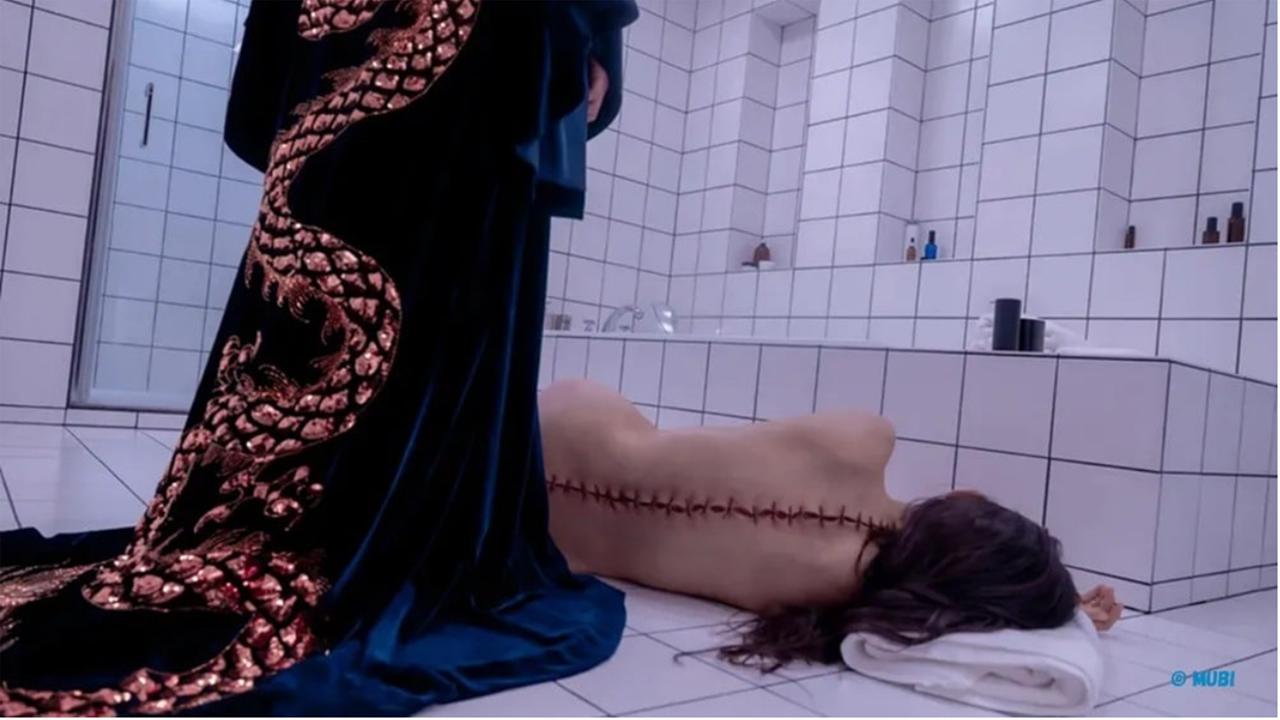
Patricia Gwozdz explains that the monstrous entities created in these films—often amalgamations of different versions of a woman—are actually seeking a form of radical self-acceptance. "The horror comes from the fact that society refuses to accept this new, self-contained being," Gwozdz notes. "When the protagonist finally makes peace with their own form, the world views it as a threat, leading to the inevitable, grotesque ‘blood bath’ that concludes these narratives."
Authors like Verena Keßler emphasize that the horror is in the loss of control. When her character in Gym moves from fitness to professional bodybuilding, she pushes past every biological limit. "She is trying to inhabit a space of strength, but in doing so, she loses the ability to define herself outside of the muscle she is building," Keßler says.
Implications: Why We Need the Grotesque
The implications of this cinematic trend are profound. By moving the discussion of female bodily autonomy into the realm of horror, these films strip away the polite veneer of beauty magazines and wellness culture.
1. The Weaponization of Femininity
The traditional view of the female body is one of passivity. Love Lies Bleeding subverts this entirely. When Jackie grows into a literal giant, she is not just gaining muscle; she is gaining the physical power to dismantle the men who have dominated her life. It is a cathartic, if terrifying, reclamation of physical space.
2. The Fear of the Un-Conforming Body
Society remains deeply uncomfortable with bodies that do not conform. The muscle-bound woman is often viewed with suspicion, as if her deviation from the "soft" ideal is a personal affront to patriarchal order. Body horror highlights this discomfort by making the non-conforming body literally "monstrous" in the eyes of the status quo.
3. The Biological Reality
As Gwozdz points out, the female body is inherently a site of change—menstruation, pregnancy, and menopause are all, in a sense, processes of "self-exceeding." By framing these processes through a horror lens, the genre acknowledges the underlying truth that the body is never a static, controllable object. It is a dynamic, shifting, and often uncontrollable entity.
Conclusion: A Mirror to Our Own Anxieties
The surge in "Female Body Horror" is not a passing fad; it is a vital artistic response to a world that continues to demand the impossible from women. By pushing the human form to its breaking point, these films and books hold up a mirror to the viewers. They ask us to look at the scars, the muscle, the blood, and the excess, and to recognize that the real horror isn’t the transformation—it’s the societal pressure that makes such radical changes seem like the only way to survive.
As we move further into the 2020s, expect this genre to continue expanding. As long as there is a discrepancy between who women are and who they are told to be, there will be stories about the body fighting back, erupting, and refusing to stay within the lines drawn by a world that has failed to see them for who they truly are. The grotesque, in this context, becomes the only honest way to tell the truth.