By [Your Name/Journalistic Desk]
Updated: September 25, 2026
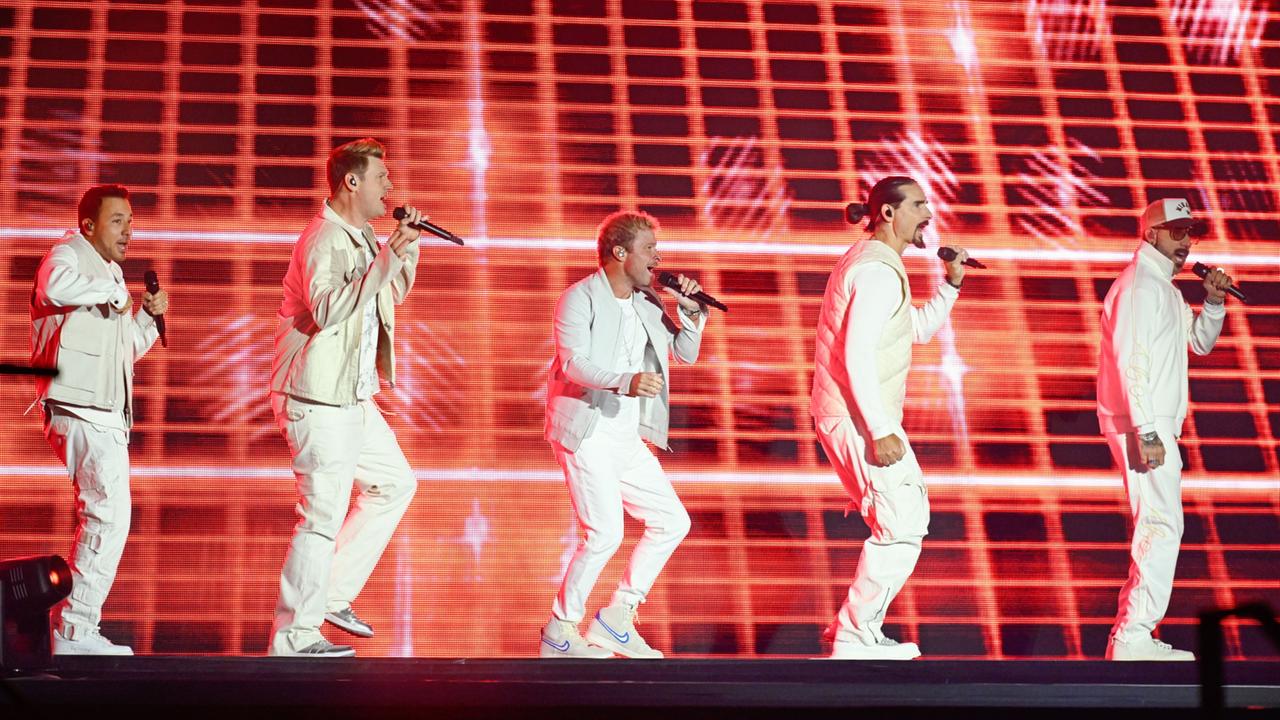
The music industry is undergoing a tectonic shift. For decades, the quintessential rock-star experience was defined by the "World Tour"—a grueling, months-long odyssey of tour buses, jet lag, and shifting time zones. However, as the Backstreet Boys prepare for a sprawling, ten-show residency in Düsseldorf, the industry is witnessing a definitive move toward the "Residency Model." With 450,000 tickets sold for their "Into the Millennium – Homecoming" series, the message is clear: the band is staying put, and the fans are doing the traveling.
The Shift in Strategy: Staying Put
Originally slated for six nights in Germany, overwhelming demand forced the Backstreet Boys to add four additional dates. These shows represent the group’s only European appearances this year. By anchoring themselves in a single city, the band has transformed a traditional concert tour into a destination event.
This is not merely a logistical convenience; it is a fundamental reconfiguration of the fan-artist relationship. In this new paradigm, the burden of movement has shifted from the performer to the audience. While critics point to the environmental and financial costs of such a model, the band and their promoters argue that the quality of the production and the physical well-being of the performers justify the pivot.
Chronology: From Vegas Neon to Global Phenomenon
To understand the residency phenomenon, one must look back to the birthplace of the concept: Las Vegas. In the 1950s, Frank Sinatra and his "Rat Pack" colleagues revolutionized the entertainment landscape by establishing long-term residencies at the Sands Hotel. They weren’t just performing; they were building an institution.
This model was later perfected by Elvis Presley in 1969. Upon returning to the stage, Presley performed more than 600 consecutive sold-out shows in Las Vegas over the course of seven years. For decades, this was viewed as an outlier—a retirement plan for aging stars.
However, the 21st century has turned the "Vegas Model" into a global pop-up standard. Recent years have seen Adele construct a bespoke open-air arena in Munich for ten shows in 2024, and Shakira concluding her tour with a series of stadium-filling residencies in Madrid. The "pop-up" concert has become the new frontier of live music, where the venue is as much a part of the show as the artist.
Supporting Data: The Economics of the Destination Fan
The shift is fueled by a new breed of "destination fan." According to data from Live Nation’s 2025 consumer report, six out of ten fans now travel internationally at least once a year specifically to attend a concert.
The commitment required from these fans is significant. Take the example of Maisa Pimenta, a fan traveling from Brazil to Düsseldorf. She purchased tickets for three of the ten shows, paying upwards of 499 euros for a single seat—a figure nearly double the monthly minimum wage in her home country. This data highlights a growing economic divide: the "live music experience" is increasingly becoming a luxury commodity, accessible only to those with the disposable income to cover not just ticket prices, but international airfare and hotel accommodations.
Local economies, conversely, are reaping the rewards. Jens Ihsen, Managing Director of Visit Düsseldorf, reports that hotels in the city reach 95% occupancy during the residency dates. The influx of international visitors creates a sustained economic boom for the city, far exceeding the impact of a one-night-only performance.
Official Responses and Operational Logic
The move toward residencies is defended by both artists and venue operators as a necessary evolution in production quality. Harry Styles, who famously occupied the Madison Square Garden for 30 nights, explained the rationale during a podcast with Zane Lowe. "I think the show itself is better when you aren’t waking up in a new city every morning," Styles noted. "It allows for a level of consistency and technical perfection that a moving tour simply cannot match."
From the perspective of the venue operator, the residency is a logistical miracle. Michael Brill, CEO of D.Live—the operator of the Düsseldorf arena—explains that the physical demands of modern stage design are immense. "In a stadium, you might need eight to twelve days just to convert a football pitch into a concert floor and back again," Brill notes. "When a band stays for ten days, the efficiency of that conversion, the stability of the sound, and the ability to refine the show based on feedback are unparalleled."
Implications: The Sustainability and Accessibility Crisis
While the operational benefits are clear, the environmental and social implications are subject to intense scrutiny. Sarah Längen, founder of The Changency, a consultancy firm specializing in sustainable live music, warns that the environmental impact of these residencies is often misunderstood.
"The industry often touts the reduced transport of equipment as a ‘green’ win," Längen explains. "However, the data shows that 60 to 90 percent of a tour’s total emissions stem from the audience’s travel. When you force fans to fly across the world to see a show, you are effectively shifting the carbon footprint from the band’s tour bus to the fans’ airplanes."
Beyond the environmental cost, there is the issue of cultural accessibility. Michael Herberger, managing director of the Popakademie Baden-Württemberg, warns of the "trickle-down" effect on the music ecosystem. "If the average fan spends their entire annual entertainment budget on one massive, high-priced residency ticket, what happens to the local club scene?" Herberger asks. "We risk creating an industry that favors the top 1% of superstars while starving the grassroots venues that provide the lifeblood of the music industry."
The Future of the "World Tour"
Is the traditional world tour dead? Not necessarily. The industry experts consulted for this report suggest a bifurcated future. While the "Mega-Residency" will become the standard for top-tier artists looking to minimize burnout and maximize production value, the traditional tour will likely remain essential for mid-tier artists and those whose brand depends on local engagement.
The Backstreet Boys’ return to Germany is a testament to the power of nostalgia and the loyalty of a global fanbase. Yet, it also serves as a warning shot to the industry. The model of the global pop star is shifting from a nomad to a landlord. While this creates spectacular, refined experiences for those who can afford the pilgrimage, it raises profound questions about equity, the environment, and the future of live music as a shared, local experience.
As we look toward the remainder of the decade, one thing is certain: the era of the stationary superstar is here to stay. Whether this is a sustainable path for the long term, or a bubble waiting to burst, remains to be seen. For now, the fans are boarding their flights, and the lights in Düsseldorf are ready to shine.