Report by the United Nations Environment Programme (UNEP) paints a sobering picture of our climate future, warning that while progress is being made, the window to prevent catastrophic warming is rapidly closing.
The international community is facing a moment of profound reckoning. Nearly a decade after the landmark 2015 Paris Agreement—which established the goal of limiting global temperature rise to 1.5 degrees Celsius above pre-industrial levels—the reality of our atmospheric trajectory has become starkly clear. According to the latest report from the United Nations Environment Programme (UNEP), released in October 2026, the world is no longer on a path to meet this critical threshold. Instead, we are hurtling toward a warming scenario that could reach 2.8 degrees Celsius by the end of the century if current trends persist.
Main Facts: The Reality of a Warming Planet
The UNEP report serves as a diagnostic tool for the health of our planet, and the findings are unequivocal. The "1.5-degree limit," once considered the gold standard for avoiding the most dangerous tipping points in the climate system, is effectively out of reach as a long-term stabilization target.
While the scientific community and global leaders have long emphasized the need to curb emissions, the global output of greenhouse gases—driven primarily by the combustion of coal, oil, and gas—continues to climb annually. To have any hope of limiting the overshoot to a manageable level (approximately 1.7 to 1.8 degrees by mid-century), the world would need to slash emissions by roughly six percent every year until 2035, relative to 2025 levels.
Current policies, however, are nowhere near this target. If governments continue their current trajectory without substantial policy shifts, the planet faces an average warming of 2.8 degrees Celsius. Even under the best-case scenario—where countries fully implement the current, ambitious climate pledges they have submitted—the warming would still likely reach 2.1 degrees.
A Chronology of Climate Ambition and Failure
To understand how we reached this point, one must look back at the history of international climate diplomacy:
- 2015 (Paris Agreement): The world celebrates a historic milestone. 196 parties agree to limit global warming to "well below" 2 degrees, with a concerted effort to limit it to 1.5 degrees.
- 2016–2020 (The Gap Widens): Despite the political optimism, global emissions continue to rise. Technological deployment grows, but not fast enough to offset the expansion of fossil fuel infrastructure in developing and developed nations alike.
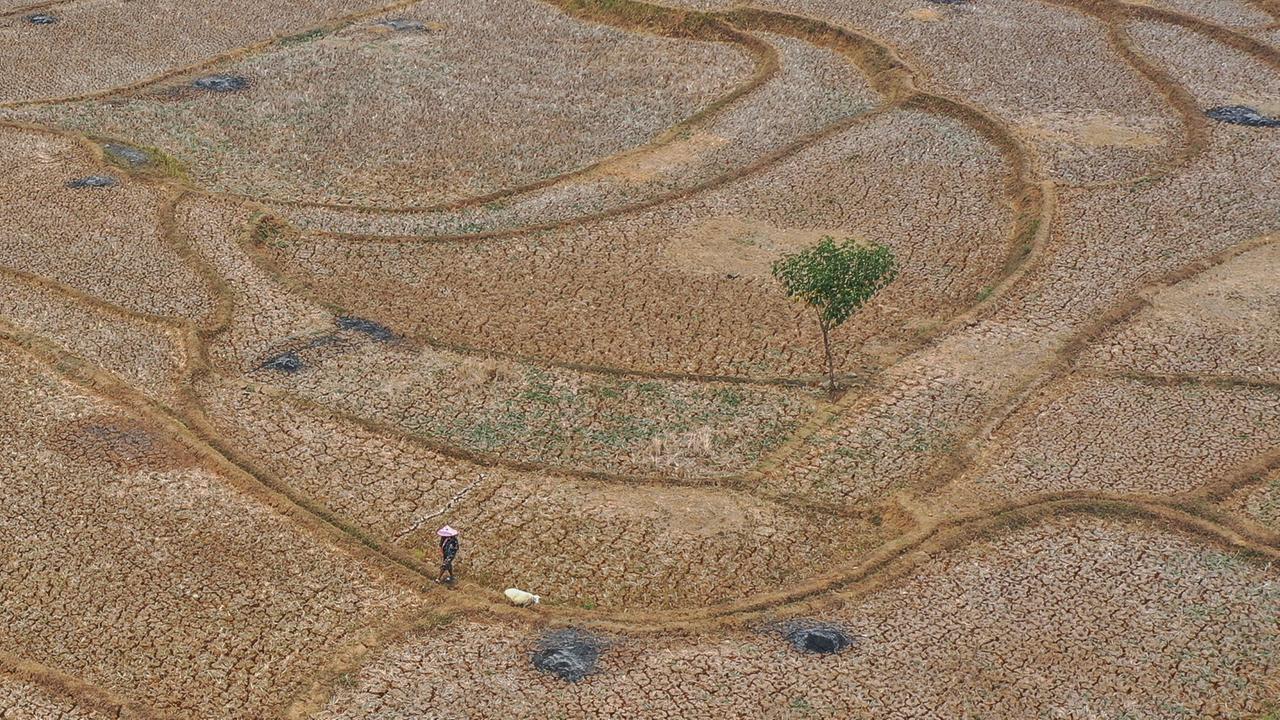
- 2023–2025 (The Tipping Points): Extreme weather events become the "new normal." From devastating floods in Valencia to unprecedented heatwaves and wildfires across the globe, the physical manifestations of climate change move from theoretical predictions to daily news headlines.
- 2026 (The Reality Check): The UNEP report officially acknowledges that the 1.5-degree limit is no longer a viable threshold for prevention, shifting the narrative toward "damage limitation."
Supporting Data: The "Leadership Gap"
The UNEP report highlights a paradoxical situation. On one hand, there is genuine progress in the transition to green energy. The capacity for renewable energy generation has grown three times faster than predicted since the Paris Agreement. Specifically, the adoption of photovoltaic (solar) technology has outpaced expectations by a factor of seven.
However, this success is being neutralized by the continued expansion of fossil fuel reliance. Inger Anderson, Executive Director of the UN Environment Programme, notes that while the "hardware" for a green transition is being built at record speeds, the "software"—the regulatory, economic, and political frameworks—is failing to keep pace.
The data reveals what experts are now calling the "Leadership Gap." The "Emissions Gap"—the difference between what we need to do and what we are doing—is no longer a failure of technology or economics; it is a failure of political will. The report posits that the transition is technically and economically feasible, but it requires an unprecedented level of international coordination and a decisive shift away from carbon-intensive energy sources.
Official Responses and the Road to Antalya
The reaction from the UN leadership has been one of urgent, measured despair. UN Secretary-General António Guterres has been vocal in his critique of the current status quo, stating plainly that "the world can no longer avoid exceeding the 1.5-degree threshold."
Guterres has framed the upcoming 31st UN Climate Change Conference in Antalya, Turkey, as a make-or-break moment. The Turkish presidency of the conference has proposed a global electrification target, aiming to standardize the transition to clean energy across borders.
However, this proposal has faced criticism from environmental advocacy groups. Organizations argue that electrification, while necessary, is a hollow victory if the electricity being fed into the grid is not derived from clean, renewable sources. The debate in Antalya is expected to center on a difficult question: How can industrialized nations facilitate the financial and technological transfer required for developing nations to leapfrog the fossil-fuel-heavy development phase that the Global North enjoyed?
Implications: The Cost of Delay
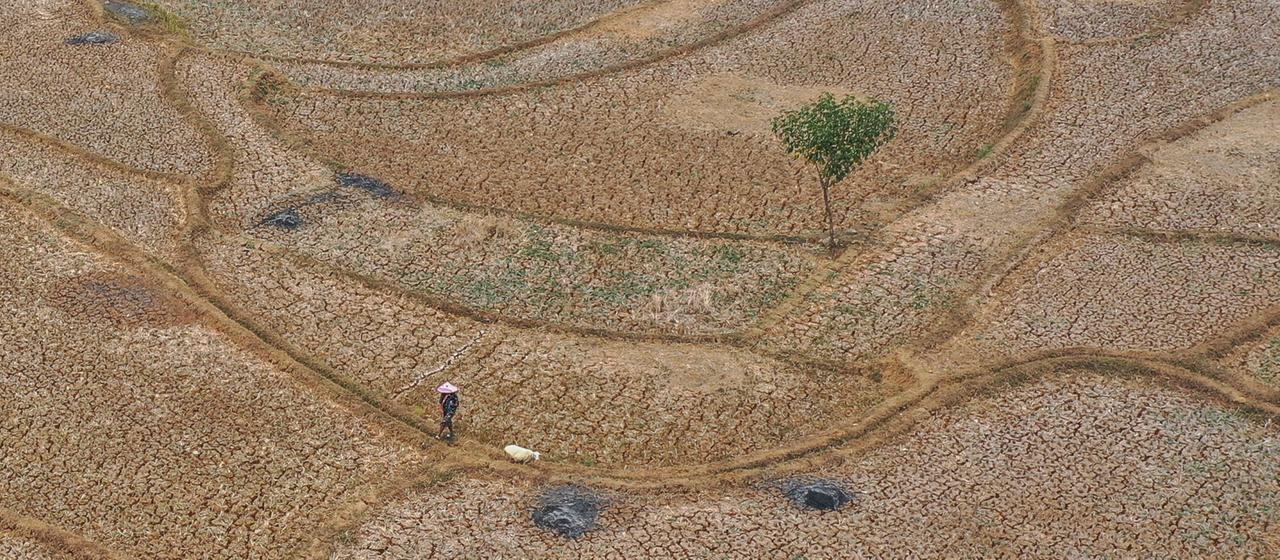
The implications of a 2.8-degree world are not merely academic—they are existential. The UNEP report outlines a future defined by:
- Economic Disruption: Lahm-gelegte (paralyzed) economies as infrastructure struggles to cope with more frequent and intense climate-induced disasters.
- Human Displacement: As sea levels rise and agricultural belts shift, the migration of populations will place unprecedented strain on global political stability.
- Widening Inequality: Guterres points out the fundamental injustice of the crisis: those who have contributed the least to global emissions—the poor and the vulnerable in developing nations—are suffering the most acute consequences.
- The "Overshoot" Reality: Since we will likely exceed the 1.5-degree limit, the global focus must shift to "peak and decline." Every fraction of a degree that we can shave off the projected 2.8-degree increase represents millions of lives saved and ecosystems preserved.
Conclusion: The Call to Action
The narrative of the 2026 climate report is not one of defeat, but one of extreme urgency. The findings demonstrate that we possess the tools to mitigate the worst of the coming climate shocks. Solar and wind power are becoming cheaper and more efficient every day. The technological foundation for a sustainable future is firmly in place.
However, the report serves as a final warning: time and excuses are running out. The transition cannot be incremental; it must be systemic. As we look toward the Antalya summit, the mandate for world leaders is clear. The "leadership gap" must be bridged immediately.
"Every year of delay makes the path back steeper," Guterres warned. "Let us close the gap now." The world stands at a crossroads, and the decisions made in the coming months will echo for centuries, determining the habitability of the planet for generations to come. The era of talk must end; the era of radical, coordinated, and immediate action must begin.