The global prevalence of metabolic dysfunction-associated steatotic liver disease (MASLD)—formerly known as non-alcoholic fatty liver disease (NAFLD)—has reached crisis proportions. Once considered a rare condition associated only with heavy alcohol consumption, the "fatty liver" has become the defining medical challenge of the modern, sedentary era. Characterized by the accumulation of excess fat in liver cells, the condition is often asymptomatic in its early stages, leading to a dangerous cycle of delayed diagnosis and progressive organ damage.
However, recent clinical consensus has shifted from a fatalistic view of liver disease to one of optimism. Medical experts now agree that, unlike many chronic illnesses, early-stage fatty liver disease is not just manageable—it is reversible.
The Pathophysiology: Why the Liver Stores Fat
The liver serves as the body’s primary metabolic hub, responsible for processing nutrients, filtering blood, and regulating energy storage. Under normal conditions, the liver manages a delicate balance of lipid metabolism. When an individual consumes more calories—specifically refined carbohydrates and fructose—than the body requires, the liver begins a process of de novo lipogenesis.
Essentially, the liver converts excess glucose into triglycerides. If this process outpaces the liver’s ability to export these fats, they accumulate within the hepatocytes (liver cells). While this "steatosis" is initially benign, the persistent presence of fat triggers chronic inflammation. Over time, this inflammation causes the liver to replace healthy tissue with scar tissue, a process known as fibrosis, which can eventually lead to cirrhosis, liver failure, or hepatocellular carcinoma.
A Four-Step Strategy for Reversal
Clinical research consistently demonstrates that the liver is a remarkably resilient organ. By adopting a systematic, four-step behavioral and nutritional plan, many patients can achieve significant reduction in liver fat and even reverse early-stage damage.
Step 1: The Nutritional Reset (Eliminating Fructose)
The most potent dietary driver of fatty liver is industrial fructose, commonly found in high-fructose corn syrup, sweetened beverages, and ultra-processed snacks. Unlike glucose, which is used by every cell in the body for energy, fructose is metabolized almost exclusively by the liver. When consumed in excess, it is the primary culprit in hepatic lipid accumulation. A successful reversal plan begins with the total elimination of sugary beverages and a sharp reduction in refined carbohydrates. Replacing these with fiber-rich whole grains, leafy greens, and lean proteins helps stabilize blood sugar and reduces the liver’s workload.
Step 2: The Metabolic Shift (Intermittent Fasting and Timing)
How you eat is often as important as what you eat. The human body is not designed for 16-hour-a-day constant snacking. By implementing time-restricted feeding—such as an 8-hour window for caloric intake—patients allow the liver to transition from a "storage" state to a "burning" state. During the fasting period, insulin levels drop, signaling the liver to mobilize stored fat for energy.
Step 3: Targeted Physical Activity
Exercise acts as a "metabolic sink." Aerobic exercise improves systemic insulin sensitivity, meaning the pancreas doesn’t have to work as hard to clear glucose from the blood. However, for fatty liver specifically, strength training is equally vital. Building muscle mass increases the body’s capacity to store glucose as glycogen, reducing the burden on the liver to convert that sugar into fat. A combination of 150 minutes of moderate aerobic activity and two days of resistance training per week is the gold standard for metabolic recovery.
Step 4: Monitoring and Maintenance
Reversing fatty liver is a marathon, not a sprint. Patients should utilize blood markers—specifically liver enzymes like ALT (Alanine Aminotransferase) and AST (Aspartate Aminotransferase)—as barometers of success. Consistent, moderate weight loss (aiming for 5% to 10% of total body weight) has been clinically shown to correlate with significant reductions in hepatic inflammation.
Chronology of the Metabolic Shift
The medical community’s understanding of fatty liver has evolved rapidly over the last two decades:
- 2005–2010: The rise of NAFLD is identified as a secondary effect of the global obesity epidemic. Initial treatments focus purely on weight loss via extreme caloric restriction.
- 2011–2015: Clinical trials begin to highlight the specific toxicity of fructose, shifting the focus from "total calories" to "food quality."
- 2016–2020: The introduction of non-invasive diagnostic tools, such as the FibroScan (transient elastography), allows doctors to measure liver stiffness without painful biopsies, leading to earlier detection.
- 2021–Present: Global health organizations move to rename the condition "MASLD" to reflect the metabolic nature of the disease, moving away from the stigma of "non-alcoholic" labels and focusing on the underlying insulin resistance.
Supporting Data: The Case for Intervention
The data supporting lifestyle intervention is overwhelming. According to recent longitudinal studies, patients who adhere to a Mediterranean-style diet—rich in olive oil, nuts, and fish—experience a 30% reduction in liver fat within six months, even without aggressive weight loss.
Furthermore, data from the American Association for the Study of Liver Diseases (AASLD) indicates that for patients with early-stage fibrosis (F1 or F2), intensive lifestyle modifications resulted in a "regression" of fibrosis in nearly 40% of cases. The key differentiator for success, according to researchers, is consistency in dietary patterns rather than "yo-yo" dieting, which can sometimes exacerbate liver stress.
Official Responses and Clinical Guidelines
Major health bodies, including the World Health Organization (WHO) and the European Association for the Study of the Liver (EASL), have updated their clinical guidelines to prioritize lifestyle-first interventions.
"We are moving away from a pharmaceutical-first approach for early-stage MASLD," notes a leading hepatologist in a recent briefing. "The evidence is clear: before we consider medication, we must treat the liver with the nutrition and movement it requires to repair itself. The liver is the only internal organ with the capacity to regenerate significantly, provided the insults—sugar, alcohol, and processed fats—are removed."
Implications for Public Health
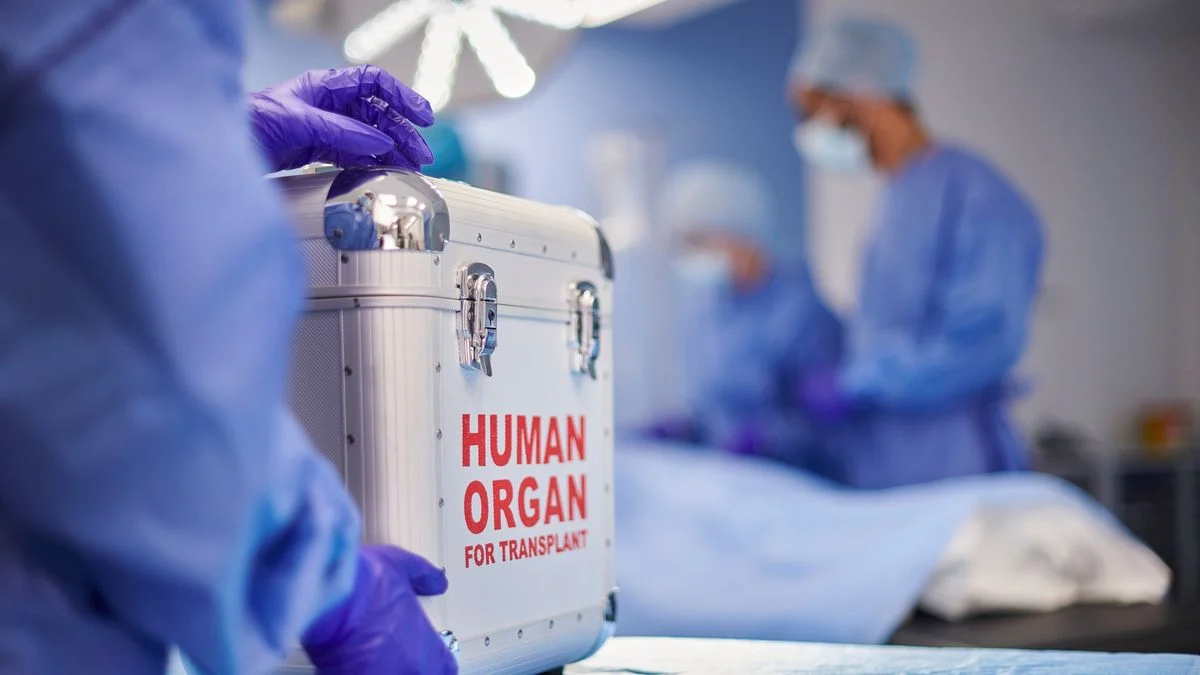
The implications of this four-step plan extend far beyond the individual. Fatty liver disease is currently the fastest-growing cause of liver transplants in the developed world. By empowering the public with the knowledge that this disease is reversible, healthcare systems could potentially reduce the future burden on transplant lists and chronic care facilities.
However, the challenge remains environmental. The ubiquity of processed foods makes adherence to these protocols difficult for many. Public health advocates argue that addressing fatty liver requires more than just individual willpower; it requires structural changes in how food is labeled, taxed, and distributed.
Conclusion: Taking Control
The "fatty liver" is not a life sentence. It is a biological signal from the body that the current metabolic input exceeds its processing capacity. By viewing the liver as an organ that can be restored rather than a static piece of anatomy that inevitably declines, patients can regain control of their metabolic health.
For those concerned about their liver health, the first step is always consultation with a healthcare professional to establish a baseline. From there, the four-step plan—eliminating fructose, practicing time-restricted feeding, engaging in dual-modality exercise, and diligent monitoring—provides a scientifically backed roadmap toward a healthier, more resilient life. The liver is waiting for the right conditions to heal; the question is whether we are willing to provide them.