In a groundbreaking discovery that bridges environmental conservation and cutting-edge biotechnology, researchers have identified a vast, largely untapped "pharmaceutical reservoir" hidden beneath the surface of German moorlands. A study led by the prestigious "Balance of the Microverse" cluster of excellence in Jena has unveiled thousands of previously unknown bacterial genetic blueprints, potentially paving the way for the next generation of antibiotics, oncology treatments, and beyond.
For decades, the global scientific community has looked to the oceans, rainforests, and extreme environments like deep-sea vents for new bioactive compounds. However, the latest findings from the Schlöppnerbrunnen Moor in Bavaria’s Fichtelgebirge suggest that we may have been overlooking a vital resource right in our own backyard.

The Microbial Treasure Trove
Bacterial life has long suffered from a PR problem. In the public imagination, bacteria are synonymous with pathogens—the culprits behind salmonella, staphylococcal infections, and E. coli outbreaks. Yet, this perception ignores the fact that the overwhelming majority of bacterial species are not only harmless but essential to life on Earth. Furthermore, humanity has long relied on the metabolic genius of bacteria; many of our most effective antibiotics, including the tetracycline class, are derived from the complex chemical warfare bacteria wage against one another in their natural habitats.
The team, comprising researchers from the University of Jena and the German Centre for Integrative Biodiversity Research (iDiv) Halle-Jena-Leipzig, has now confirmed that the microbial diversity in moorlands is far richer than previously estimated. By analyzing peat samples from the Schlöppnerbrunnen Moor, the scientists successfully identified over 8,000 "biosynthetic gene clusters" (BGCs).
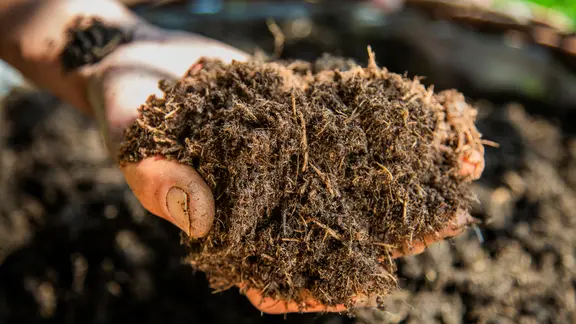
BGCs are essentially the genetic "construction manuals" that bacteria use to assemble complex molecules. The researchers discovered that approximately 97 percent of these identified clusters are absent from existing global genetic databases. This represents an almost entirely uncharted biochemical landscape, offering a high-probability source for future pharmaceutical breakthroughs.
A Chronology of Discovery
The path to this discovery was not linear; it required the convergence of metagenomics and ecological field research.
- Early 2024: The "Balance of the Microverse" initiative identified moorlands as high-priority "dark matter" environments—places where microbial activity is high but genetic cataloging is low.
- Summer 2024: Field teams collected deep-core peat samples from the Schlöppnerbrunnen Moor, ensuring that the samples captured the distinct anaerobic and acidic conditions characteristic of the bog.
- Late 2024 – Mid-2025: Using advanced sequencing technology, the researchers decoded the environmental DNA (eDNA) from the samples. This process involved filtering out the noise of common organisms to isolate the specific genetic sequences of the specialized moorland microbes.
- Early 2026: The bioinformatics team cross-referenced the 8,000+ identified BGCs against the MIBiG (Minimum Information about a Biosynthetic Gene cluster) database. The realization that 97 percent of these were "novel" sent shockwaves through the lab.
- October 2026: Official results are published, highlighting the significant potential for new drug discovery and the urgent need for further conservation of these unique ecosystems.
The Unique Ecology of the Moor
Why are moors such a fertile ground for pharmaceutical innovation? The answer lies in their extreme nature. Moorland environments are characterized by low nutrient availability, acidic pH levels, and limited oxygen. These conditions force bacteria to evolve sophisticated survival mechanisms. To compete with neighboring microbes in such a harsh landscape, these bacteria produce unique secondary metabolites—naturally occurring compounds that can act as natural antibiotics, antifungals, or even anti-tumor agents.
"Schon ein kleines Moor beherbergt eine erstaunliche Vielfalt an Bauplänen für Naturstoffe," explains Zander Human, lead author of the study from the University of Jena. "Many of these substances come from microorganisms that are notoriously difficult to cultivate in a laboratory setting. By mapping their genetic blueprints, we can bypass the cultivation problem and use synthetic biology to express these compounds."
Challenges: The "Silent" Genes
While the discovery of 8,000 BGCs is a massive success, the research also highlights a significant hurdle in modern biotechnology: gene activation. The study found that a substantial portion of these genetic blueprints remains "silent" or inactive under standard laboratory conditions.
Many of these bacteria possess enormous genetic potential—some harboring over 20 different metabolic pathways—but they only switch these on when triggered by specific environmental cues, such as the presence of a specific competitor or a change in temperature or acidity. The research team is currently working on "metabolic engineering" techniques designed to "wake up" these silent genes, coaxing the bacteria into producing the compounds they are genetically programmed to create.
Implications for Global Medicine
The timing of this research is critical. As the world faces an escalating crisis of antibiotic resistance—where common bacterial infections are becoming increasingly difficult to treat—the discovery of new chemical scaffolds is a matter of global health security.
Beyond antibiotics, the potential applications for these molecules are broad:

- Oncology: Many secondary metabolites derived from soil bacteria have demonstrated cytotoxic properties, which can be harnessed to target cancer cells.
- Antivirals and Antifungals: The chemical diversity found in these 8,000 clusters could provide the backbone for a new generation of drugs to combat emerging fungal pathogens and viral infections.
- Sustainable Chemistry: These findings could lead to new biocatalysts, which allow chemical reactions to occur more efficiently and with less environmental waste.
Environmental Stewardship and Future Research
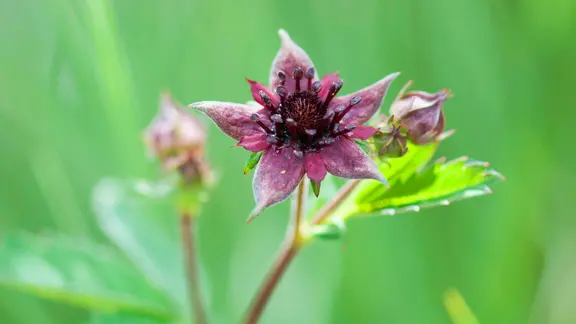
The study also serves as a poignant reminder of the importance of peatland restoration. As noted by the work surrounding the "Blume des Jahres 2025" (The Flower of the Year: The Marsh Cinquefoil), healthy moorlands are disappearing rapidly in Germany due to drainage and land-use changes.
If these ecosystems are destroyed, we are not just losing carbon sinks that are vital to our climate targets; we are destroying a "biological library" of potential medicines before we have even had the chance to read the books. The loss of a single acre of moorland could mean the permanent extinction of a bacterial species that might have held the cure for a currently untreatable disease.

The Path Forward
The "Balance of the Microverse" project is now entering its next phase. Researchers plan to move from genomic sequencing to functional screening. This will involve the creation of "synthetic microbial hosts"—safe laboratory bacteria that will be injected with the newly discovered gene clusters to observe the compounds they produce.
The government and private sectors are showing increased interest. With the global market for natural-product-based pharmaceuticals expected to grow significantly, there is a strong economic argument for the protection and exploration of these "pharmaceutical gold mines."
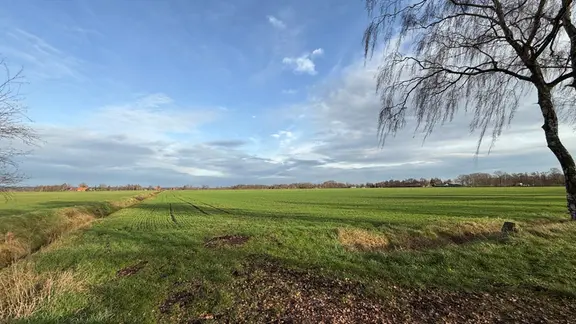
As we look to the future, the integration of ecological conservation and pharmaceutical research will be vital. The Schlöppnerbrunnen Moor is likely just one of many such sites. If the same density of novel BGCs exists in other European peatlands, we may be sitting on a pharmaceutical revolution that could define the next century of medical progress.
In the quiet, waterlogged landscape of a Bavarian bog, the future of medicine is waiting to be decoded. The challenge now is to protect the environment that nurtures this life, while simultaneously developing the technological tools to harness its vast, hidden potential. The "microverse" has finally begun to speak, and the scientific community is listening.