The modern global diet has undergone a seismic shift over the last half-century, characterized by an unprecedented increase in the consumption of added sugars. As public health systems grapple with the ballooning costs of obesity, Type 2 diabetes, and cardiovascular diseases, governments are increasingly turning to a fiscal tool once reserved for tobacco and alcohol: the sugar tax.
This article explores the mechanics of sugar taxation, the projected economic implications for consumers, and the contentious debate between public health advocates and the beverage industry.
Main Facts: The Anatomy of a Sugar Tax
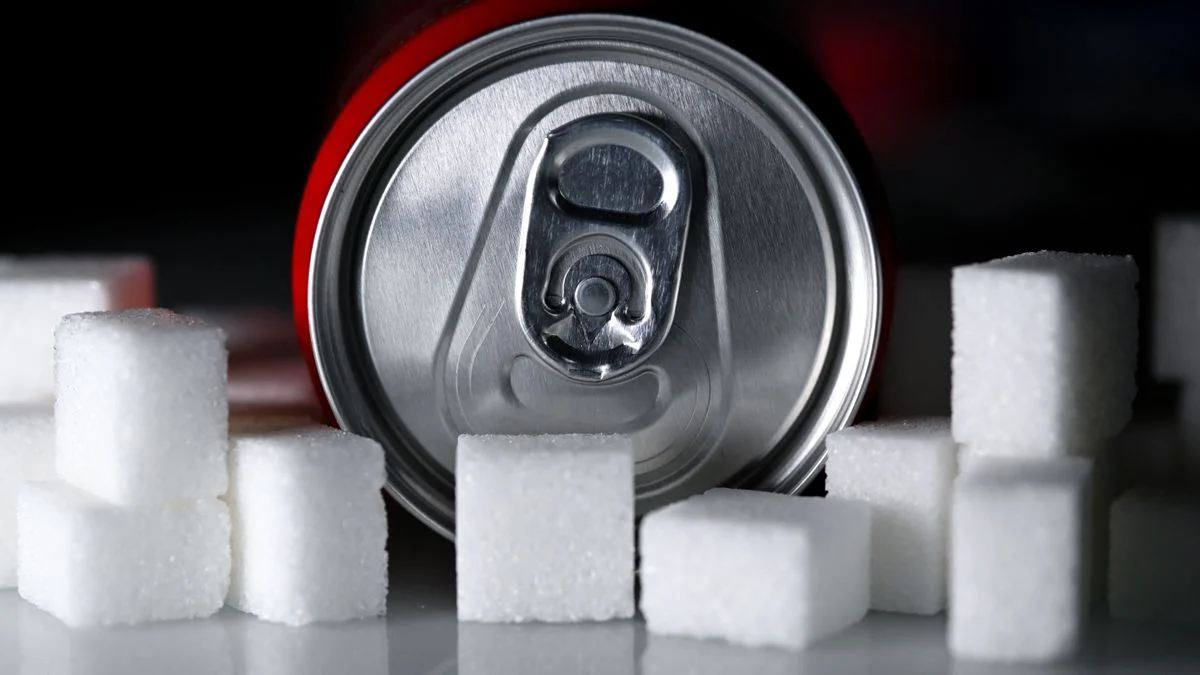
A sugar-sweetened beverage (SSB) tax is an excise tax levied on drinks containing added caloric sweeteners, including soda, energy drinks, sweetened teas, and sports drinks. The primary objective is twofold: to discourage consumption through price signaling and to generate tax revenue that can be earmarked for public health initiatives.
The fundamental economic premise is straightforward: as the price of high-sugar products rises, demand—particularly among price-sensitive demographics like youth and low-income households—is expected to decline. However, the implementation of such taxes is rarely uniform. Some jurisdictions, such as Mexico and the United Kingdom, utilize a "tiered" system. In the UK’s Soft Drinks Industry Levy, the tax rate is determined by the sugar content per 100ml, effectively incentivizing manufacturers to reformulate their recipes to lower sugar content to avoid the higher tax bracket.
A Chronology of Policy Intervention
The journey toward taxing sweetness did not happen overnight. It is the result of decades of epidemiological research and shifting political winds.
- 2011–2013: The Early Adopters: Hungary introduced the first major public health product tax in 2011, targeting products high in sugar, salt, and caffeine. Shortly thereafter, in 2013, Mexico—facing one of the highest obesity rates in the world—implemented a nationwide tax on SSBs, marking a major turning point in global policy.
- 2016–2018: The Global Wave: The World Health Organization (WHO) issued a formal recommendation in 2016 urging countries to implement taxes on sugar-sweetened beverages. This led to a cascade of legislation, with the United Kingdom, South Africa, and several cities in the United States (such as Berkeley and Philadelphia) enacting their own versions.
- 2020–Present: Refinement and Expansion: The focus has shifted from simple taxation to broader nutritional policies. Many countries are now integrating sugar taxes with mandatory front-of-package labeling, such as the "Warning Labels" seen in Chile, which clearly identify products high in sugar, sodium, and saturated fats.
Supporting Data: Price Elasticity and Health Outcomes
The efficacy of sugar taxes is measured by two primary metrics: changes in purchase volume and long-term health outcomes.
The Elasticity Equation
Economic studies consistently show that the demand for soda is relatively "price elastic," meaning that a 10% increase in price typically leads to a decrease in consumption by roughly 10% to 12%. When manufacturers pass these costs on to consumers, the "nudge" toward healthier alternatives—such as water, sparkling water, or diet drinks—becomes statistically significant.
The Reformulation Effect
Data from the United Kingdom’s tax implementation has been particularly enlightening. Rather than simply raising prices, many companies opted to reformulate their drinks. A 2020 report from the UK government indicated that sugar content in soft drinks fell by nearly 30% between 2015 and 2018, as manufacturers scrambled to stay under the taxation thresholds. This suggests that the tax serves as a powerful regulatory tool, even when it does not result in higher consumer prices.
Official Responses: A House Divided
The discourse surrounding sugar taxation remains deeply polarized, pitting public health experts against the beverage industry.
The Pro-Tax Argument
Public health advocates, including representatives from the WHO and various national health institutes, argue that the "hidden cost" of sugar is currently being subsidized by taxpayers. They point to the billions of dollars spent annually on treating diet-related chronic diseases. From this perspective, a sugar tax is a "corrective tax"—a market-based solution to correct the negative externality of obesity and diabetes.
The Industry Perspective
Conversely, the beverage industry, represented by organizations like the American Beverage Association and various national industry councils, argues that such taxes are regressive. Their primary counter-argument is that these levies disproportionately affect low-income families who spend a higher percentage of their income on food and drink. They argue that "taxing away" choice is a paternalistic approach and that the solution lies in education and voluntary reformulation rather than punitive fiscal policy.
Implications: What This Means for Your Wallet
If a sugar tax were implemented broadly, the average consumer would see immediate changes at the grocery store.
The Price Hike Calculation
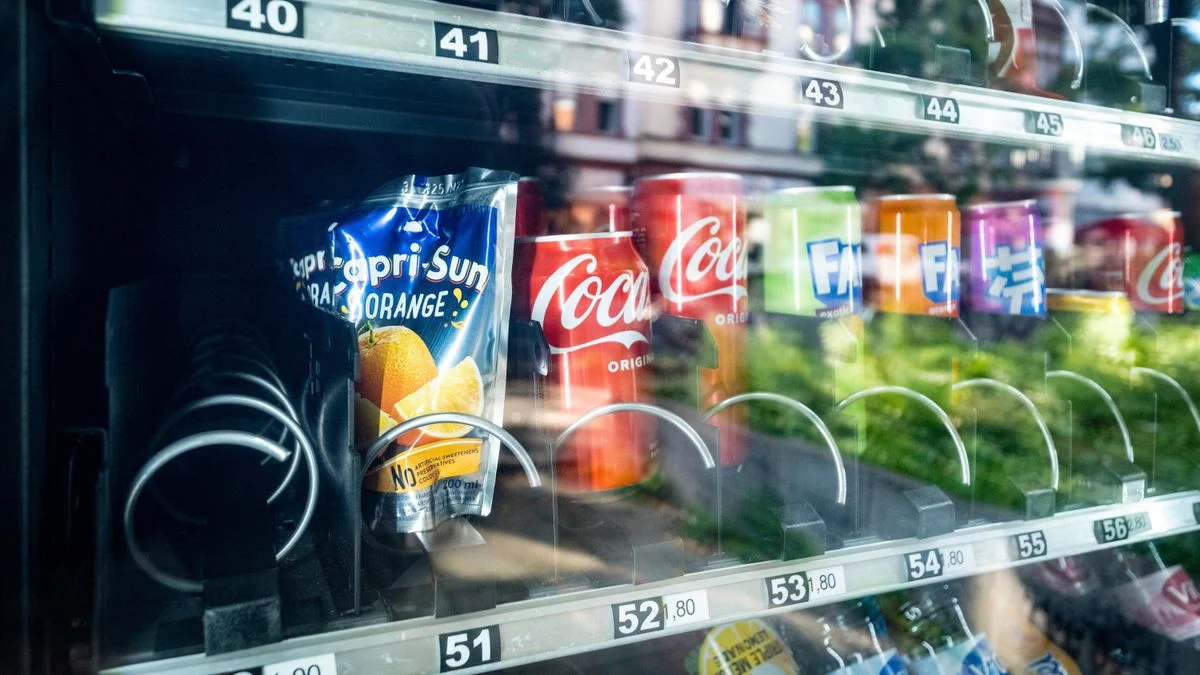
If a tax were applied at a rate of, for example, 20% on high-sugar items, a standard 1.5-liter bottle of soda currently priced at €2.00 could jump to €2.40 or more. While 40 cents may seem negligible, the cumulative effect for a family that consumes soda daily is substantial.
The Shift in Consumer Behavior
Evidence from cities that have already adopted these taxes shows a distinct "substitution effect." When the price of traditional soda rises, consumers do not necessarily stop drinking carbonated beverages; instead, they migrate to "zero-sugar" versions or naturally flavored sparkling waters. Retailers have responded by expanding their shelf space for non-taxed, lower-sugar alternatives to maintain customer loyalty.
Long-term Economic Impact
Beyond the grocery aisle, the implications are macroeconomic. Proponents argue that a healthier population reduces the long-term burden on national health services. By lowering the prevalence of diabetes, governments expect to save billions in future healthcare expenditures. Critics, however, warn of potential job losses in the beverage manufacturing and distribution sectors, arguing that the economic cost of the tax could outweigh the public health benefits.
Conclusion: The Future of the "Sugar-Free" Economy
The debate over sugar taxation is ultimately a debate about the role of the state in personal health. As we look to the future, it is clear that the status quo is changing. Whether through direct taxation, stricter marketing regulations, or mandatory reformulation, the "era of cheap sugar" is facing significant headwinds.
For the average consumer, the message is clear: the cost of sugar is rising—not just at the cash register, but in the evolving landscape of public health policy. As more governments integrate these taxes into their fiscal frameworks, consumers should prepare for a market where the price of a drink is increasingly reflective of its true long-term cost to the individual and the state.
While the industry continues to lobby against these measures, the global momentum suggests that sugar taxation is not a passing trend, but a permanent fixture in the 21st-century economic landscape. The ultimate success of these policies will be measured not just in tax revenue collected, but in the long-term health trajectory of the next generation.