Jerusalem, Israel – Israeli Prime Minister Benjamin Netanyahu has ignited a firestorm of controversy by ordering a comprehensive investigation to identify and potentially prosecute anonymous informants featured in the acclaimed documentary "Naza." The film, which has garnered international praise and critical attention, alleges that the Israeli military knowingly accepted the deaths of hundreds of Palestinian civilians during its operations in the Gaza Strip. Netanyahu’s directive, framed as a measure to safeguard Israel’s diplomatic and security interests, has been met with fierce condemnation from press freedom advocates and the film’s creators, who warn of a chilling effect on journalism and a direct assault on the fundamental principle of source protection.
Main Facts: A Clash Over Truth and National Security
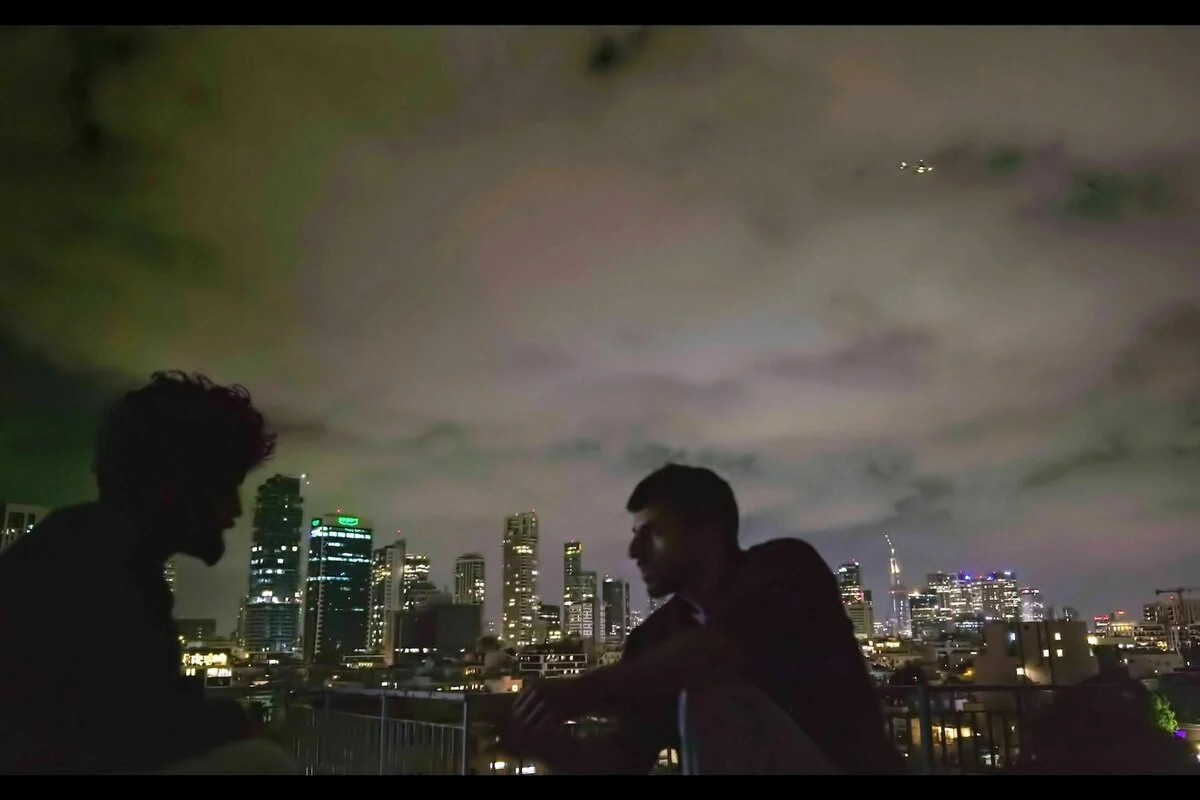
At the heart of the burgeoning dispute is "Naza," a documentary co-directed by Yuval Abraham and Rachel Szor, which premiered to significant acclaim at the Venice Film Festival. The film presents testimonies from former Israeli soldiers and intelligence officers who describe a military protocol where the acceptable number of civilian casualties – internally referred to by the acronym "Naza" – was reportedly determined by the rank of the targeted Hamas operative. These anonymous accounts paint a disturbing picture of military operations where the potential for extensive civilian harm was not merely a tragic byproduct but an integrated, calculated element of strategic planning.
Prime Minister Netanyahu, however, has vehemently dismissed the film’s narrative. He has publicly stated that "Naza" disseminates a "false, misleading, and biased narrative" that severely damages Israel’s international standing. In an unprecedented move, he instructed the Chief of Staff of the Israel Defense Forces (IDF), the head of the Shin Bet internal security service, and the Attorney General to undertake urgent measures to uncover the identities of the soldiers and officers who provided information for the documentary. His stated aim is to initiate criminal proceedings against them for what he termed "severe violations of information security, defamation, and damage to Israeli interests."
The directors of "Naza" and human rights organizations argue that Netanyahu’s order constitutes a direct attack on press freedom and the critical role of whistleblowers in democratic societies. Yuval Abraham, in an interview with Der Spiegel, underscored the inherent contradiction in the government’s position: "One cannot claim simultaneously that the soldiers are lying and that they have revealed secrets." He emphasized that the decision to grant anonymity to the sources was a deliberate and necessary measure, driven by legitimate fears for their safety and the potential repercussions they now face.

Chronology of a Controversial Release
The journey of "Naza" from its inception to becoming a global flashpoint has been marked by both international recognition and intense domestic hostility.
- Years of Research: Filmmakers Yuval Abraham and Rachel Szor reportedly spent three years meticulously researching and gathering testimonies for "Naza." Their investigation involved interviewing over 100 sources, including high-ranking commanders, whose statements were cross-referenced with classified documents, specific aerial attacks, and other confidential sources to ensure accuracy and credibility.
- September Premiere and Acclaim: The film made its world premiere at the Venice Film Festival in September, where it was met with a standing ovation and awarded a special jury prize. Its powerful narrative and courageous reporting immediately drew international attention to the alleged conduct of the Israeli military.
- October 1st – German Release: "Naza" began its theatrical run in German cinemas, making its content accessible to a wider European audience and fueling public debate outside of Israel.
- Growing Domestic Outcry (Pre-Release in Israel): Even before the film could be widely seen in Israel, its existence and initial reception sparked a furious backlash from the Israeli government and right-wing factions. The directors faced a barrage of threats and accusations. Right-wing groups organized protests outside Rachel Szor’s parents’ home, with some demonstrators reportedly calling for the death penalty for the filmmakers. Prime Minister Netanyahu and his Culture Minister, Miki Zohar, further escalated tensions by threatening to revoke the Israeli citizenship of Abraham and Szor.
- Netanyahu’s Directive: In the week following its German release, Prime Minister Netanyahu publicly announced his directive via the social media platform X (formerly Twitter). He explicitly ordered the country’s top security and legal officials to identify and pursue legal action against the anonymous informants.
- November – Planned Global Online Release: To counter the government’s attempts to suppress the film and ensure broader access, "Naza" is scheduled for a free global online release in November, notably through the platform of The Guardian, which co-produced the documentary. This move aims to allow the public to form its own judgment on the film’s contents, bypassing potential censorship or restricted distribution within Israel.
- Ongoing Debate: The controversy surrounding "Naza" continues to escalate, transforming the film into a focal point for broader discussions on press freedom, military ethics, and the transparency of state actions, particularly in conflict zones.
Supporting Data: Unpacking the Film’s Claims and Context
The documentary’s core allegations center on the Israeli military’s operational protocols in Gaza. The title "Naza" is not merely symbolic but refers to an internal military acronym for "Nitsolim Azrakhim," meaning "expected civilian casualties." According to the anonymous sources in the film, this metric was allegedly used to quantify the acceptable number of non-combatant deaths in planned airstrikes.
The informants detail a system where the "acceptable" ratio of civilian to combatant casualties was not static but varied depending on the significance of the targeted Hamas operative. For instance, the film suggests that if a high-ranking Hamas commander was the target, a higher number of anticipated civilian deaths might be deemed permissible. This operational approach, as described by the sources, directly contravenes the principles of international humanitarian law, particularly the Geneva Conventions, which strictly prohibit attacks deliberately targeting civilians and demand adherence to the principle of proportionality in all military operations. The principle of proportionality mandates that the anticipated military advantage of an attack must not be excessive in relation to the expected incidental civilian harm.
The filmmakers’ extensive research process, spanning three years and involving over 100 interviews, lends significant weight to their claims. By consulting a diverse array of sources, including individuals at various levels of command, and corroborating their testimonies with confidential documents and specific operational details, Abraham and Szor aimed to establish a robust factual foundation for their documentary. This rigorous methodology stands in stark contrast to the accusations of a "false, misleading, and biased narrative" leveled by the Israeli government.

The film’s international recognition, including a special jury prize at Venice, further underscores its perceived journalistic integrity and artistic merit. Such accolades are rarely bestowed upon works deemed factually inaccurate or purely propagandistic. The global cinematic release and the upcoming free online availability signify a concerted effort to ensure that the film’s message reaches a broad audience, fostering informed public discourse on a highly sensitive and critical issue.
Official Responses: Rejection, Defense, and Legal Ambiguity
The Israeli government’s response to "Naza" has been swift and severe, characterized by outright rejection of the film’s content and aggressive threats against its creators and sources.
Prime Minister Netanyahu’s Stance:
Netanyahu’s directive to launch an investigation into the film’s sources is unprecedented. His social media post on X accused the film of spreading "false, misleading and biased narrative" that "severely damages Israel’s position." He further asserted, "We always stand by our beloved and heroic fighters!" – a statement that frames the issue within a nationalistic and pre-election context, despite the next general elections being scheduled for October 2026. This rhetorical strategy aims to rally public support around the military and dismiss any criticism as an attack on national heroes. His formal instruction to the Chief of Staff, Shin Bet head, and Attorney General explicitly called for "urgent measures" to identify all participants and initiate criminal proceedings for "severe violations of information security, defamation, and damage to Israeli interests."
The Israeli Military’s Initial Rebuttal:
Prior to Netanyahu’s explicit directive, the Israeli military had already dismissed the film’s revelations. The IDF characterized the sources’ accounts as "distorted, misleading, and insincere," claiming they were based on "speculations and assumptions without factual basis." The military further alleged that "Naza" contained "significant factual errors resulting from manipulative misrepresentations of reality." A key point of contention raised by the IDF was that the filmmakers did not submit their documentary to the army for prior review or comment, a practice the military claims is customary in Israel. This suggests an attempt to discredit the film’s journalistic process.

However, the military’s own internal legal counsel appears to have voiced reservations regarding the feasibility of prosecuting the sources. Military Prosecutor Itai Ofir reportedly stated that criminal prosecution would only be possible if clear security breaches were proven or if classified material had been disclosed. This distinction is crucial: the film’s informants reportedly discussed orders they received and protocols they followed, rather than directly leaking classified documents or sensitive operational secrets. This legal nuance suggests that prosecuting them for merely speaking about their experiences and orders could be a difficult legal battle for the state, potentially infringing on freedom of speech and expression.
The Guardian’s Robust Defense:
As a co-producer of "Naza," The Guardian has staunchly defended the film and its journalistic integrity. A spokesperson for the British newspaper issued a statement asserting that the Israeli government’s actions were "attempts to distract from the urgent questions the film raises regarding the mass killings of Palestinian civilians in the Gaza Strip." The statement unequivocally affirmed the importance of journalistic freedom: "Journalists should have the freedom to investigate in the public interest without threats or harassment."
The Guardian also provided details of the rigorous verification process undertaken for the film. They highlighted that the production team conducted over 100 interviews over three years, speaking with individuals ranging from low-ranking soldiers to high-level commanders who authorized attacks. Crucially, The Guardian emphasized that these testimonies were corroborated using "secret documents, specific airstrikes, and other confidential sources," thereby bolstering the film’s factual claims against government dismissal. This robust defense directly challenges the official narrative and underscores the international journalistic community’s commitment to protecting its sources and reporting on sensitive issues.
Implications: A Threat to Press Freedom and Democratic Principles
Netanyahu’s directive and the ensuing government pressure have far-reaching implications, extending beyond the specific case of "Naza" to potentially impact the broader landscape of press freedom, whistleblowing, and democratic accountability in Israel.

Chilling Effect on Journalism:
The most immediate and concerning implication is the "chilling effect" it is likely to have on investigative journalism. As Yuval Abraham articulated, the threat of prosecution for anonymous sources will undoubtedly deter future whistleblowers from coming forward. In a country where national security issues are paramount and military operations are frequently shrouded in secrecy, anonymous sources are often the only means for the public to gain insight into potentially problematic state actions. If individuals fear severe legal repercussions, even for sharing non-classified operational insights, the flow of critical information to the public will diminish, undermining the media’s role as a watchdog.
Erosion of Source Protection:
The protection of journalistic sources is a cornerstone of press freedom in democratic societies worldwide. It is recognized as essential for journalists to report on matters of public interest, especially concerning abuses of power or controversial government conduct. Netanyahu’s order directly challenges this principle, demanding that security agencies unmask individuals who spoke to journalists under guarantees of anonymity. This sets a dangerous precedent, suggesting that the state can compel the disclosure of sources simply by labeling their revelations as "damaging to national interests," without necessarily proving a genuine security breach.
Legal and Political Ramifications:
The potential prosecution of these sources, should they be identified, would initiate a complex legal battle. As Military Prosecutor Ofir’s statements suggest, proving "security breaches" based on testimony about orders received, rather than leaked classified documents, presents a significant legal hurdle. Such a case would test the boundaries of Israel’s national security laws against fundamental rights to freedom of expression and the public’s right to information. Politically, the controversy further exacerbates existing divisions within Israeli society, pitching government loyalists against those who advocate for greater transparency and accountability, particularly regarding military conduct. The timing, ahead of the next scheduled elections, also suggests a political dimension, where demonizing critics and consolidating nationalist sentiment can serve electoral purposes.
International Condemnation and Support for Filmmakers:
The international community, particularly media organizations and human rights groups, has rallied in support of the filmmakers and the principle of press freedom. Organizations like Reporters Without Borders (RSF) have sharply condemned the attacks on Abraham and Szor, describing them as a "smear campaign" and a "frontal assault on press freedom and the right to information." RSF explicitly linked the government’s actions to the political climate ahead of the Israeli parliamentary elections, highlighting the potential for such measures to stifle critical discourse during sensitive periods.

Support has also come from across the global film industry and journalist associations, who recognize the vital role of documentaries like "Naza" in shedding light on difficult truths. The decision to make the film freely available online underscores a collective commitment to ensuring that, despite governmental pressure, the public retains access to independent journalism and critical perspectives.
In conclusion, the controversy surrounding "Naza" is more than just a debate about a film; it is a profound test of Israel’s commitment to democratic values, press freedom, and judicial independence. The outcome of Netanyahu’s directive will not only determine the fate of anonymous sources and courageous filmmakers but will also send a powerful message about the permissible limits of dissent and transparency in a nation grappling with complex security challenges and an increasingly polarized political landscape. The world watches as the tension between national security and the public’s right to know plays out on a global stage.