LEIPZIG/DORTMUND – The long-standing shadow of legal uncertainty that has loomed over the 2. Handball-Bundesliga for weeks has finally been dispelled. On Wednesday, October 14, 2026, the Bundessportgericht (Federal Sports Court) of the German Handball Federation (DHB) officially rejected the protest filed by VfL Lübeck-Schwartau. The ruling confirms the validity of the 33:32 victory achieved by SC DHfK Leipzig on September 12, 2026, effectively ending the dispute and allowing the league table to reflect the results of the match as played on the court.
For the management, players, and supporters of SC DHfK Leipzig, the decision brings an end to a period of administrative tension that followed one of the most closely contested games of the season.
The Core of the Dispute: A Controversial Finish
The drama dates back to the match held on September 12, 2026. In an encounter that saw both teams trading blows until the final whistle, the atmosphere in the arena was electric. However, the post-match discussions were dominated by a contentious incident occurring in the dying seconds of the game.
With the score poised at 33:32 in favor of the hosts, VfL Lübeck-Schwartau launched a final, desperate offensive. During the play, a challenge occurred inside the penalty area that the visiting team firmly believed warranted a seven-meter penalty throw—an opportunity that could have potentially leveled the score and forced a draw. However, the referees on the court ruled only for a free throw, a decision that essentially ended the visitors’ hopes of securing a point in Leipzig.
Following the match, the management of VfL Lübeck-Schwartau filed a formal protest with the DHB. They argued that the referees had committed a material breach of the rules rather than a mere error of judgment. Under German handball regulations, a protest can only be successful if it can be proven that a specific rule was applied incorrectly, rather than simply challenging the subjective interpretation of a play. The club demanded the annulment of the result and a complete replay of the match.
Chronology of the Legal Battle
The weeks following the match were marked by rigorous legal correspondence between the two clubs, the referees’ association, and the DHB’s judicial bodies.
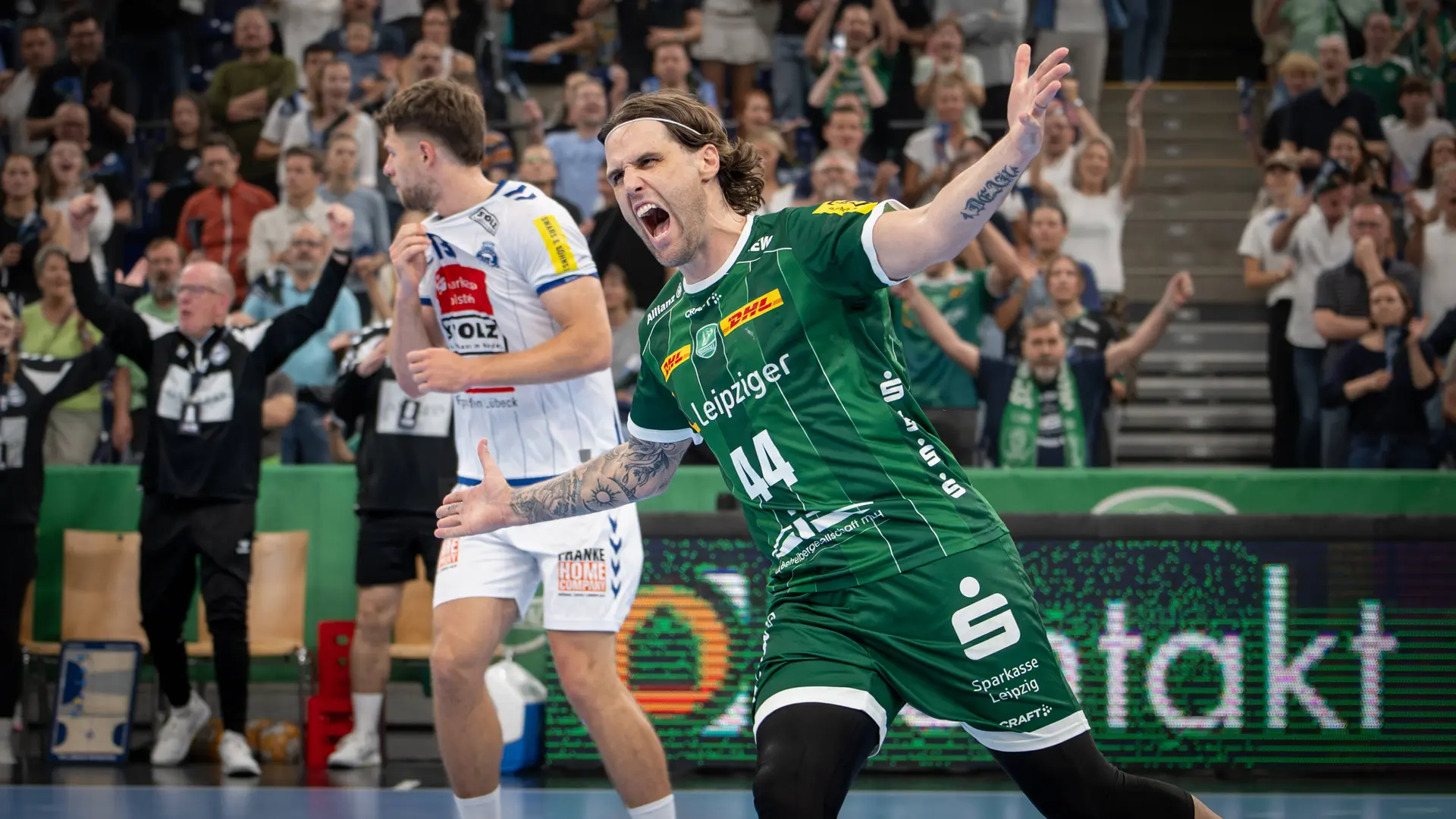
- September 12, 2026: The match between SC DHfK Leipzig and VfL Lübeck-Schwartau concludes with a 33:32 victory for the home side. Immediate post-match complaints arise regarding officiating decisions in the final seconds.
- September 14, 2026: VfL Lübeck-Schwartau officially files a protest with the DHB, citing perceived rule violations during the closing moments of the game.
- September – October 2026: A period of investigation ensues. The Bundessportgericht reviews video footage, match reports from the officials, and statements from both clubs.
- October 14, 2026: The Bundessportgericht issues its final verdict, dismissing the appeal and upholding the original match result.
The Verdict: The Sanctity of "Tatsachenentscheidung"
The crux of the court’s decision lies in the long-standing principle of the Tatsachenentscheidung (factual decision). In sports law, this principle dictates that a referee’s decision made on the field, based on their perception and assessment of a live situation, is final and unchallengeable.
In its official statement released on October 14, the DHB emphasized that the court had meticulously examined both situations highlighted by the Lübeck-Schwartau camp. The panel concluded that in neither instance was there a "game-deciding rule violation." Instead, the referees acted within their mandate to assess the play as it unfolded in real-time.
"The decisions were based on the perception and assessment of the referees and are therefore, as factual decisions, unassailable," the DHB stated. By strictly adhering to this principle, the court effectively protected the integrity of on-court officiating, ensuring that professional handball results are decided by the athletes rather than the courtroom.
Official Responses and Organizational Relief
The news was met with palpable relief at the SC DHfK Leipzig headquarters. For a club with high ambitions in the 2. Bundesliga, the prospect of having to replay a difficult match—or worse, losing points already earned—was a significant distraction.
Karsten Günther, the Managing Director of SC DHfK Leipzig, expressed satisfaction with the court’s clarity. "It is good that there is now certainty," Günther stated. He went on to address the broader context of the case, acknowledging the frustration the process caused for all parties involved. "We were quite surprised by the protest, and I would like to express our gratitude to our sports law counsel, Dr. Sven Nagel, for his diligent support throughout this entire process."
Günther was quick to pivot back to the sporting agenda, noting that the incident should serve as a learning opportunity. "The focus now shifts back entirely to the court. Our objective is clear: we must continue to improve as a team and learn to navigate these high-pressure, late-game situations with even greater composure and dominance, so that we don’t leave room for such debates in the future."
Implications for the 2. Bundesliga Standings
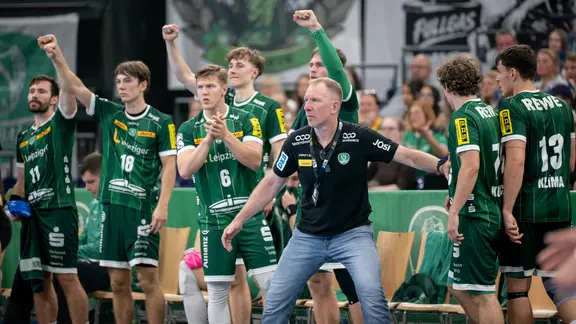
With the points confirmed, the competitive landscape of the 2. Bundesliga remains intact. SC DHfK Leipzig currently sits in third place, firmly in the mix for promotion contention. The confirmed victory keeps them level on points with the league leaders, HC Elbflorenz, maintaining the momentum they had built throughout the early autumn campaign.
The resolution of this case is significant not just for the points involved, but for the precedent it reinforces regarding the appeals process in German handball. While clubs have the right to challenge perceived injustices, the high threshold for overturning a match result remains a cornerstone of the league’s operational framework.
Analyzing the Role of Video and Technology
The debate surrounding the Leipzig-Lübeck match has once again ignited discussions about the role of technology in officiating. While the 2. Bundesliga continues to rely on the judgment of floor officials, the desire for "perfect" officiating often clashes with the reality of high-speed, physical sports.
Critics of the current system argue that as the game becomes faster and more tactical, the margin for error narrows, making the burden on referees increasingly difficult. Proponents of the status quo, however, point to the Tatsachenentscheidung principle as the only way to keep the game flowing and prevent every close match from devolving into a protracted legal battle.
For now, the DHB remains committed to its current structure, focusing on the ongoing training and development of referees to ensure consistency. The Leipzig case serves as a reminder that while the rules are designed to be fair, they are interpreted by humans in the heat of competition.
Looking Ahead: A Focused Future
As the season progresses, the administrative fatigue caused by this case is expected to fade quickly. The players and coaching staff at SC DHfK Leipzig are now fully focused on the upcoming challenges of the league schedule. The ability to move past the distraction is a hallmark of a professional team, and the club’s leadership is optimistic that this experience has only served to strengthen their resolve.

For the fans, the message is equally clear: the drama of the 2026 season is happening on the court, where it belongs. As the race for the top of the table heats up, every point, every goal, and every defensive stand will carry immense weight. With the legal chapter closed, the focus returns to the physicality, the strategy, and the passion that define the 2. Handball-Bundesliga.
The SC DHfK Leipzig organization has signaled that they have no intention of letting the momentum slip. By prioritizing on-court development and maintaining a professional approach to administrative matters, they aim to demonstrate that their third-place standing is well-deserved—not by a court’s decree, but by their performance in the arena.
In conclusion, the decision by the Bundessportgericht acts as a definitive full stop to a month of speculation. It reinforces the authority of the officials, respects the sanctity of the match as played, and allows the league to proceed with the focus firmly on the competition. For handball enthusiasts across Germany, the return to "business as usual" is the best possible outcome.