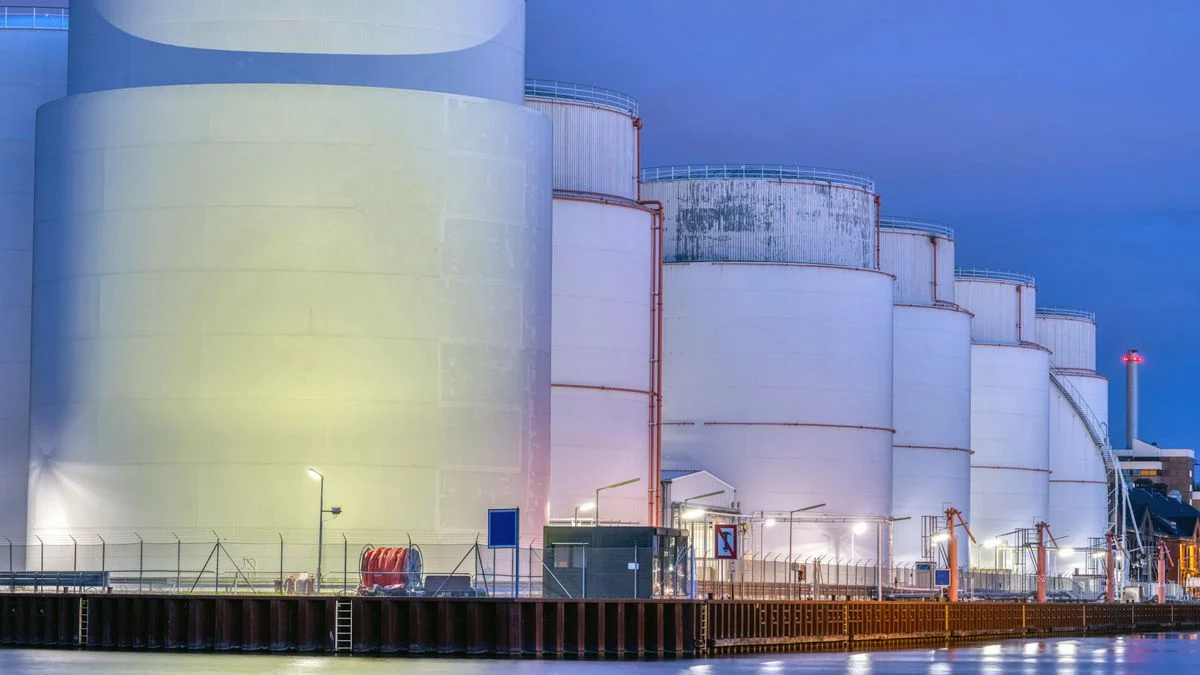
Berlin. Germany is currently facing a persistent and structural challenge regarding its national energy security: the country’s natural gas storage levels remain stubbornly below the multi-year average. As the federal government grapples with the fallout of a fundamentally transformed energy landscape, the Ministry of Economic Affairs has signaled a willingness to explore aggressive new regulatory measures. Among these is a potential mandate that would force companies to physically store gas if they choose to book storage capacity—a move designed to prevent the "reservation without utilization" phenomenon that has plagued recent winters.
The Core Challenge: Why "Booked" Doesn’t Mean "Full"
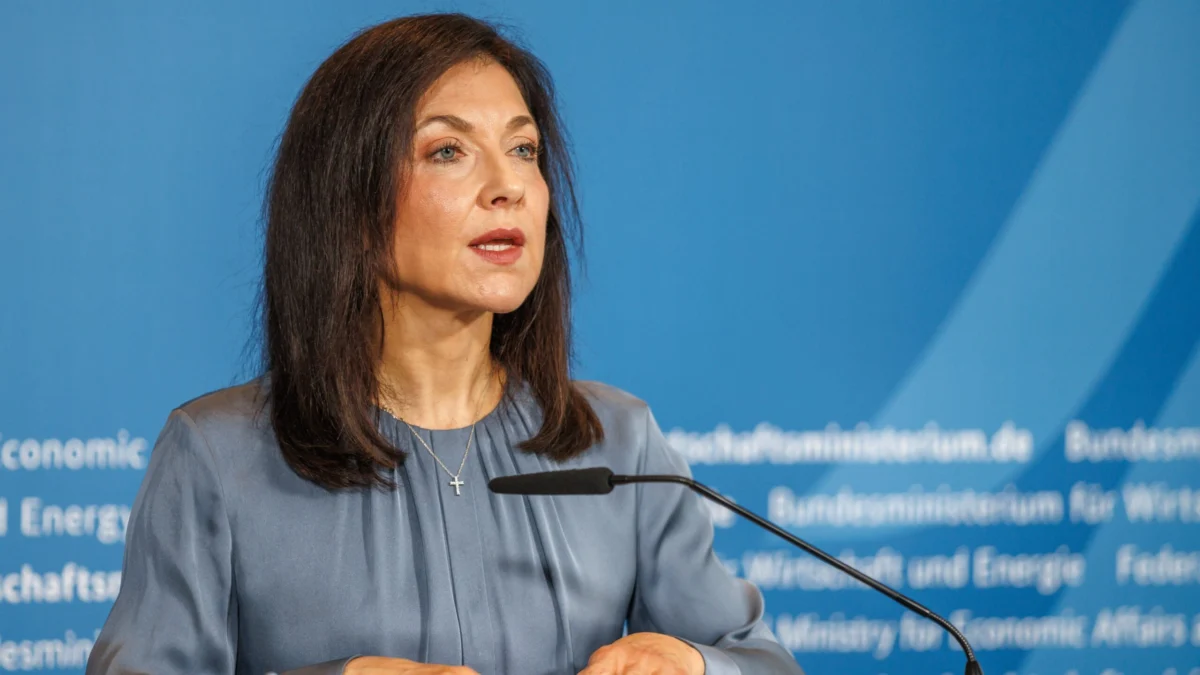
The fundamental issue facing German energy planners is a mismatch between market incentives and national security requirements. For years, the federal government, including recent statements by Economics Minister Katherina Reiche, has touted high booking rates for storage facilities as a proxy for supply security. However, as industry experts have pointed out, these bookings are often deceptive.
In the industry, this is frequently compared to the "poolside towel" phenomenon: market participants reserve storage capacity to ensure they have an option, but often fail to actually inject gas into the caverns. Under current market structures, this leaves the facilities underutilized even when they appear "booked" on paper.
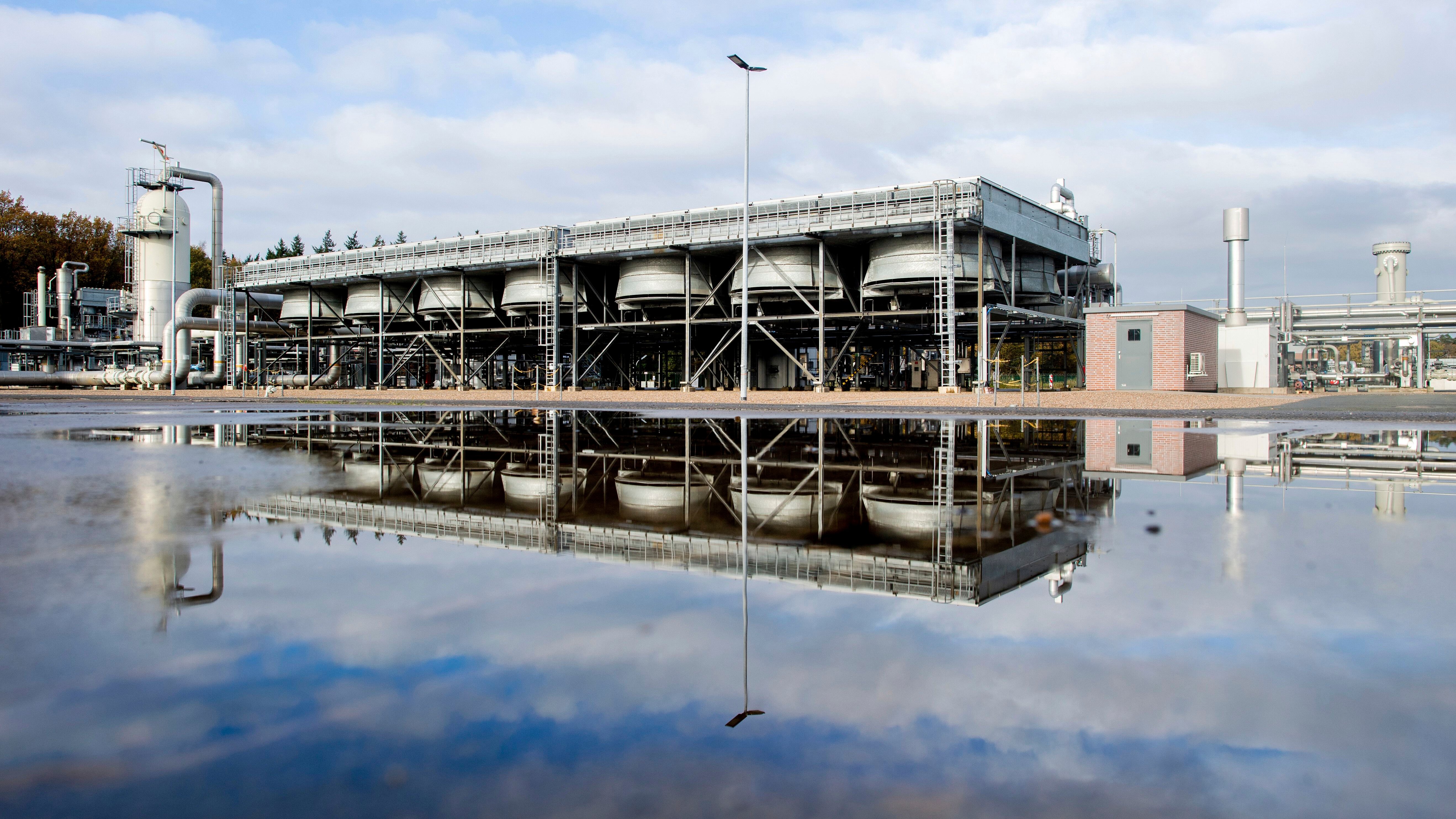
Bernhard Kluttig, a senior department head at the Federal Ministry for Economic Affairs, addressed this at the recent Handelsblatt Gas Annual Conference in Berlin. "This is a point we should discuss," he said, opening the door to a mandatory "use-it-or-lose-it" or a strict "fill-it-or-don’t-book-it" policy. The ministry is now under pressure to ensure that the capacity, which is essential for national stability, is actually serving its purpose as a buffer against supply shocks.
A Changing Paradigm: The Death of the Summer-Winter Spread
To understand why this has become a crisis, one must look at the structural shift in European energy markets since the start of the war in Ukraine. Historically, natural gas storage was managed by private traders following simple market logic. In the era of cheap Russian pipeline gas, market prices followed a predictable seasonal pattern: gas was cheap in the spring and summer due to low demand and expensive in the autumn and winter.
This price difference—the "summer-winter spread"—provided a clear profit incentive for traders to inject gas during the warmer months and withdraw it when heating demand peaked. Today, that mechanism is effectively broken.

The globalization of the gas market, driven by the shift toward Liquefied Natural Gas (LNG), has erased these seasonal price differentials. Because LNG is a globally traded commodity with year-round demand, and because geopolitical tensions (such as the instability in the Strait of Hormuz) can cause price spikes at any time of the year, the old profit motive for storage has evaporated. In some instances, the price of gas is higher in the summer than in the winter, removing any financial incentive for private firms to fill storage caverns.
Chronology of the Crisis and Regulatory Responses
The shift in the German energy strategy has been reactive and iterative. Following the cessation of Russian pipeline supplies, the government had to step in where the market failed.
- 2022-2023: Initial emergency measures were implemented, forcing storage operators to hit specific filling targets by November 1st.
- Late 2025: Experts at Frontier Economics released a comprehensive report for the Ministry of Economic Affairs, analyzing the impact of mandatory storage levels and the declining utility of the market-led model.
- September 2026: In a significant move, Minister Katherina Reiche instructed the state-owned gas supplier, SEFE (Securing Energy for Europe), to purchase eight terawatt-hours of gas specifically to bolster storage levels.
- October 2026: The Trading Hub Europe (THE) initiated the tender for "Long Term Options" (LTOs), a tool that allows the market area manager to call up gas reserves in the event of a crisis, providing a new mechanism to keep gas in storage longer.
The government is currently drafting legislation for a "strategic gas reserve." This reserve is intended to be decoupled from market operations, serving exclusively as an "emergency insurance policy" for critical infrastructure failures. The current roadmap suggests this strategic reserve will be fully operational by the winter of 2027/2028.

The "French Model" and Industry Feedback
The industry, represented by major players like Uniper and the association INES, has largely welcomed the government’s newfound openness to reform. Uniper, which acts both as a major importer and a significant storage operator, has been a vocal proponent of the "French model" for some time.
In France, the risk profile for storage operators is fundamentally different. The government ensures that storage operators earn a "regulated return"—similar to the business model of electricity and gas grid operators. If market revenues are insufficient to cover the high costs of maintaining these cavernous facilities, a levy system fills the gap. This levy is typically added to the gas network fees paid by end consumers.
"Other European countries are already relying on such models," a Uniper spokesperson noted. "The decisive factor is having clear regulations: who is obligated, what security levels must be reached, and how this obligation integrates with the overall maintenance of sufficient capacity."

Sebastian Heinermann, head of the storage association INES, echoed this sentiment. He emphasized that the debate should move toward the "concrete design" of these obligations. "We must establish a reliable foundation for storage, especially as we look toward next year, which will present even greater challenges," he warned.
Implications: The Strategic Challenges of 2027 and Beyond
The road ahead is fraught with difficulty. The combination of an anticipated high withdrawal rate during the coming winter and the concurrent, complex task of building a strategic reserve creates a "double-squeeze" on supply.
1. The Financial Burden
If Germany moves toward a model where the government or a market manager like THE mandates injections, the question of costs becomes paramount. If market prices do not support these injections, the costs will likely be socialized, potentially leading to higher network charges for industrial and private consumers.

2. The Role of THE (Trading Hub Europe)
The Trading Hub Europe plays an increasingly vital role. While it has now tendered LTOs, the decision to actually trigger these options rests with its shareholders—the gas transmission system operators. This creates a complex governance structure where political mandates (from the Ministry) must be executed through commercial entities.
3. Energy Sovereignty
The shift from a "market-driven" to a "government-managed" storage system is a profound transformation for Germany. It acknowledges that energy, in the current geopolitical climate, is no longer just a commodity—it is a matter of national security. The loss of cheap, reliable, and consistent Russian gas has forced Germany to abandon its reliance on pure market efficiency in favor of state-backed resilience.
Conclusion: A New Era for Energy Storage
As Germany looks toward the winter of 2026/2027 and beyond, the message from Berlin is clear: the days of relying on market forces to keep the nation warm are over. The government is moving toward a more interventionist stance, likely incorporating elements of the French model to ensure that storage facilities remain full regardless of short-term price fluctuations.

The transition to a strategic reserve by 2027 is a necessary step, but it is only part of the puzzle. The immediate task for policymakers and industry leaders is to design a regulatory framework that balances market freedom with the absolute necessity of security of supply. Whether through mandatory storage obligations for traders or a fully regulated utility model for storage operators, the goal remains the same: ensuring that the "towel on the pool chair" is actually occupied by the gas Germany needs to keep its economy running.
The upcoming winter will serve as the ultimate stress test for these new, evolving policies. With global LNG competition remaining fierce and the threat of regional infrastructure disruptions lingering, the success of Germany’s energy storage policy will be a decisive factor in the country’s economic and social stability.