The Champions League has always been a stage for the extraordinary, but few nights in the competition’s storied history will match the sheer psychological theater witnessed at the Lyse Arena in Stavanger this week. In a result that sent shockwaves across European football, Norwegian debutants Viking FK held the mighty FC Bayern Munich to a pulsating 3-3 draw. While the scoreline reflects a tactical masterclass by the hosts, the narrative was defined by a battle of wills between two players: Bayern’s mercurial superstar Michael Olise and the veteran Viking captain, Zlatko Tripic.
For Viking, the result was more than just a point; it was a statement of intent. For Bayern, it was a masterclass in how to lose one’s composure on the biggest stage.
The Psychological Warfare: A Game Plan Executed to Perfection
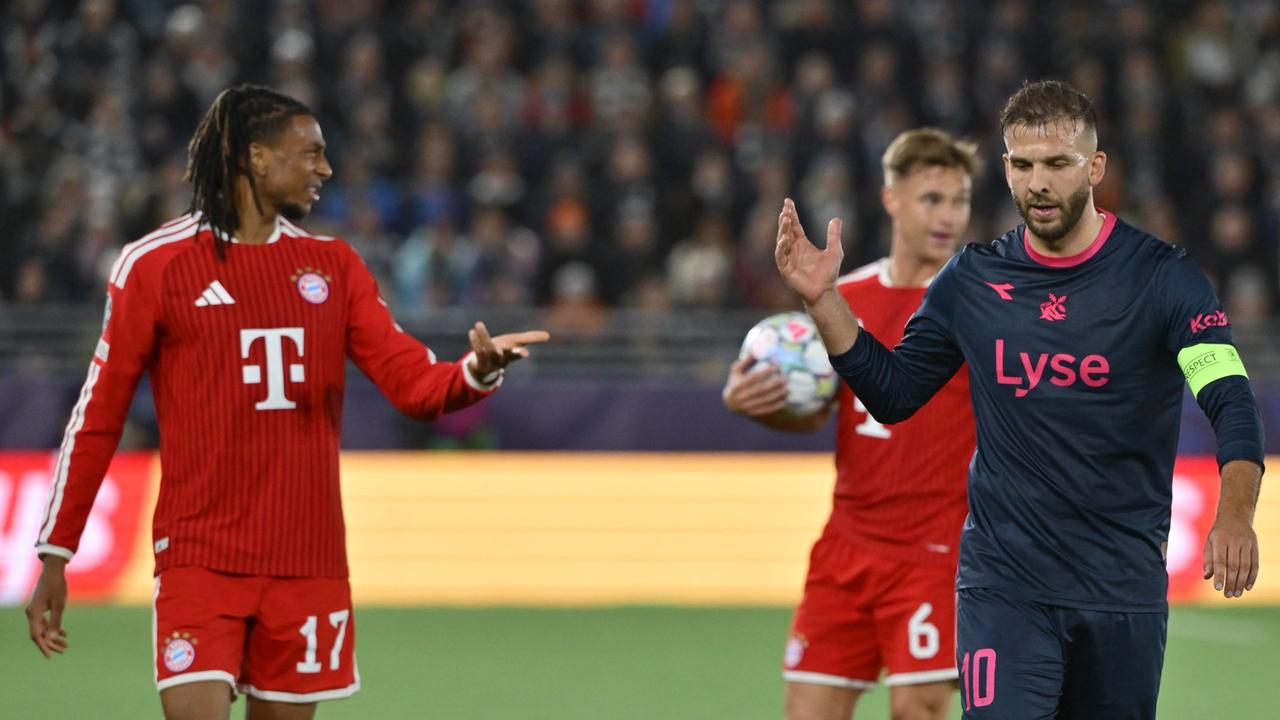
In the aftermath of the match, the focus shifted rapidly from the tactical adjustments made by Viking manager Bjarne Berntsen to the personal vendetta waged by his captain. Zlatko Tripic, a player known for his grit and, as he puts it, his "Balkan mentality," did not merely aim to contain Olise; he aimed to dismantle him.
The plan was calculated. Tripic, who has previously plied his trade in the German second division with Greuther Fürth, understood the temperament required to unsettle a player of Olise’s stature. "It is magnificent," a smiling Tripic told Norwegian broadcaster TV2, reflecting on the 74th-minute dismissal of the Bayern forward. "That a player who will likely win the Ballon d’Or one day gets so frustrated by a boy from Oftebro and Lyngdal… it’s just the madness of the game."
Tripic’s approach was aggressive and relentless. He acknowledged that the provocation was "planned from a long way out." The objective was clear: make the environment as uncomfortable as possible. By denying Olise the space and, more importantly, the psychological peace required to weave his magic, Tripic forced the Frenchman into an uncharacteristic error—a reckless reaction that culminated in a ball being thrown into Tripic’s face and a subsequent red card.
A Chronology of a European Classic
The match began with the intensity expected of a Champions League night in a packed, fervent stadium. Viking, eager to prove that their opening-round defeat to Stuttgart was a mere aberration, started with a high press that caught Bayern’s backline napping.
- The Early Shock: Within the opening minutes, the atmosphere in the Lyse Arena reached a fever pitch as Viking drew first blood. The home side utilized the width of the pitch to pull Bayern’s defense apart, scoring two goals in rapid succession to take a 2-0 lead.
- The Bayern Response: Predictably, the German giants roared back. Utilizing their superior technical quality, Bayern dominated possession, eventually leveling the score and taking a 3-2 lead in the second half. It seemed the natural order of European football would be restored.
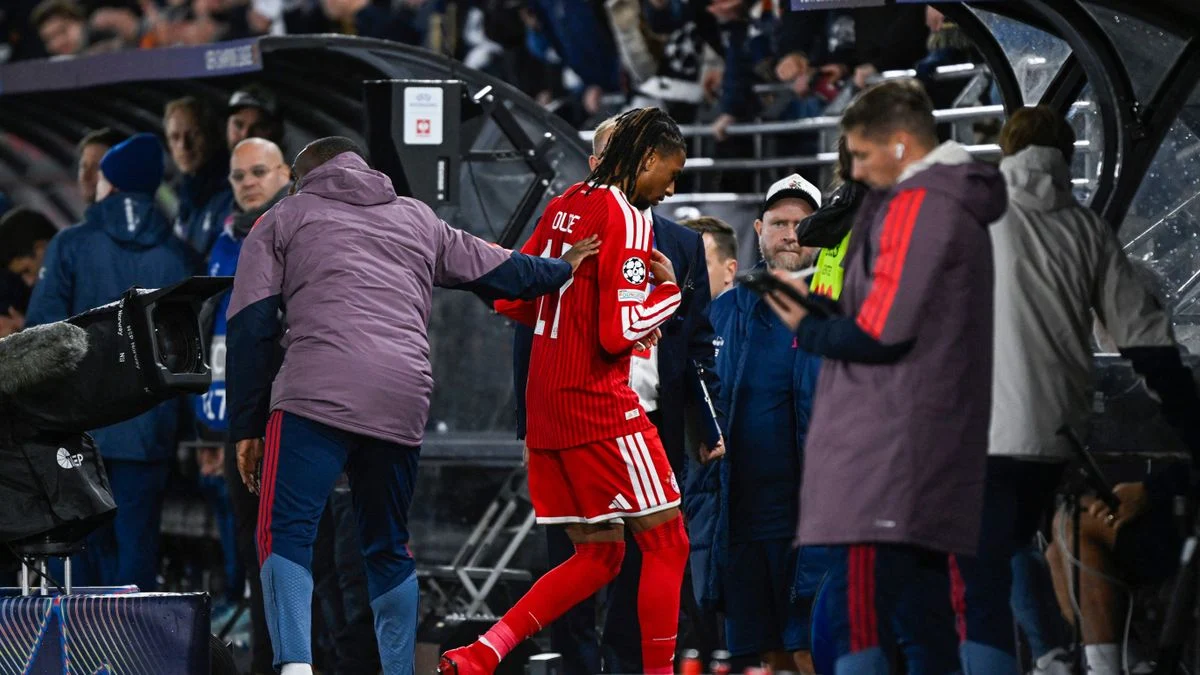
- The Turning Point: With Bayern leading 3-2 and looking to put the game to bed, the friction between Tripic and Olise reached a boiling point. The constant physical battles and verbal jabs had taken their toll on the Bayern winger. In the 74th minute, following a minor altercation, Olise lost his cool. The referee had no choice but to brandish a second yellow card.
- The Final Act: Down to ten men, the momentum shifted back to the home side. Viking, fueled by the energy of the crowd and the realization that their opponent was rattled, pushed for an equalizer. They found it in the dying embers of the game, securing a 3-3 draw that will go down as the most famous night in the history of the club.
Supporting Data: A Statistical Reality Check
The statistics of the match tell a fascinating story of a team that refused to be intimidated. Despite Bayern controlling 68% of the possession and out-passing their hosts by a significant margin, Viking’s efficiency in the final third was clinical.
| Metric | Viking FK | FC Bayern Munich |
|---|---|---|
| Possession | 32% | 68% |
| Shots on Target | 5 | 7 |
| Fouls Committed | 16 | 12 |
| Red Cards | 0 | 1 |
| Pass Accuracy | 72% | 89% |
The high number of fouls committed by Viking illustrates the physical approach Tripic advocated for. It was a game of attrition, where every touch by an elite attacker like Olise was contested. By disrupting the rhythm of Bayern’s midfield, Viking ensured that the game was played on their terms rather than the visitors’.
Official Responses: From Frustration to "Dirty" Respect
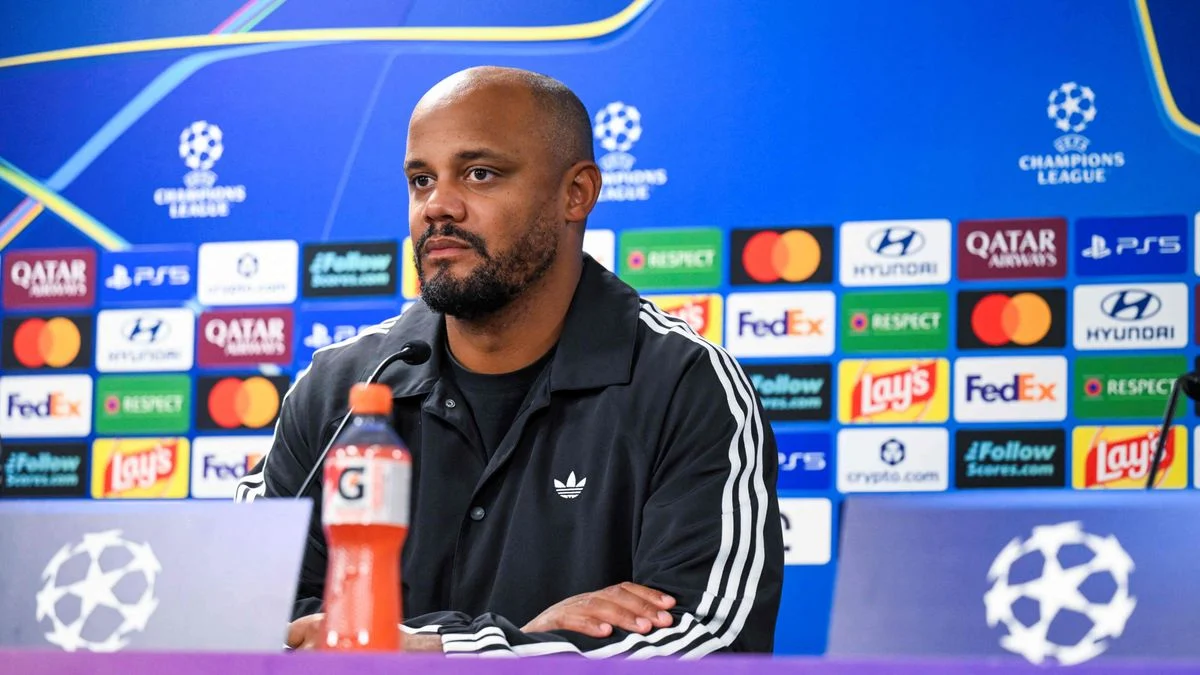
The aftermath in the post-match press conferences provided a stark contrast between the two camps. Vincent Kompany, the Bayern Munich manager, was visibly furious. "It was stupid," Kompany stated, referring to Olise’s dismissal. "In those moments, you have to be clever. You have to control your emotions. We gave away the control we had worked so hard to regain."
Harry Kane, the talismanic striker, mirrored his manager’s sentiments. "It’s football, it’s life. Sometimes you make mistakes," Kane said, though his frustration was evident. "We have to be better at handling these high-pressure moments."
Perhaps the most revealing comment, however, came from Max Eberl, Bayern’s sporting director. Eberl did not mince words when assessing Tripic’s role in the result. "He played like a ‘dirty dog’—he wanted to win the game, and he did everything in his power to achieve that," Eberl remarked. "We allowed ourselves to be provoked. He achieved exactly what he set out to do: get an opponent sent off. We must learn from this."
Implications: A Shift in European Power Dynamics?
The ramifications of this result are twofold. For Viking FK, this draw serves as a massive confidence booster. Having lost their opening match to Stuttgart, there were concerns that they might be the "whipping boys" of their Champions League group. Instead, they have proven that they are a legitimate threat, particularly at home. The Norwegian media, specifically the Aftenblad, noted that while Bayern were the overwhelming favorites, Viking "didn’t give a damn" about the pedigree of their opponent.
For Bayern Munich, the introspection will be significant. The "Oktoberfest in Stavanger," as the Norwegian broadcaster NRK dubbed the evening, highlighted a potential soft underbelly in the squad: the ability to handle hostile environments and physical provocation. With tougher tests awaiting them in the group stages, Bayern’s ability to keep their heads when the going gets tough will be the deciding factor in their European campaign.
As for Zlatko Tripic, he has cemented his legacy as the "King of Stavanger." By engaging with a player of Olise’s caliber and successfully drawing him into a moment of madness, he has provided a blueprint for how smaller clubs can neutralize footballing giants. It was a night where the romanticism of the Champions League met the cold, hard reality of professional sports psychology. And for the fans in the Lyse Arena, it was a night that will be spoken about in Stavanger for decades to come.