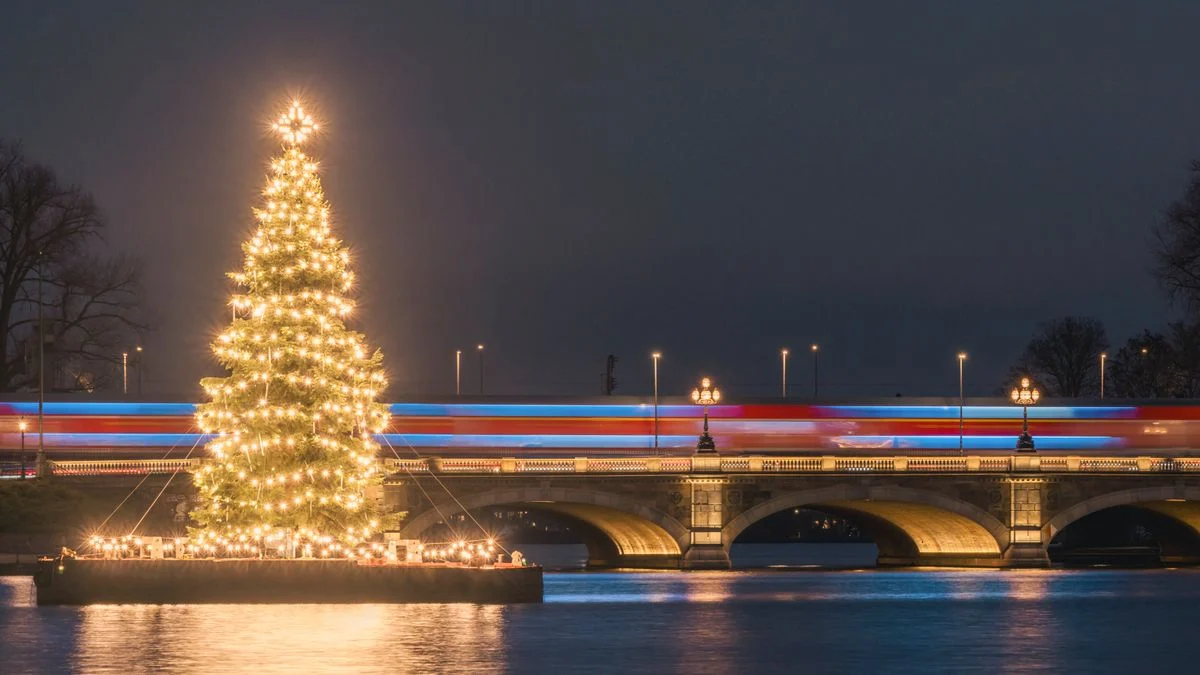
As the year draws to a close, millions of travelers across Germany are preparing for the annual pilgrimage home. With the festive season approaching, the Deutsche Bahn (DB) has implemented its new annual timetable, bringing with it both operational adjustments and a renewed pressure on ticket pricing. For many, the prospect of booking travel during the peak December period is synonymous with stress and high costs. However, understanding the nuances of the new schedule and leveraging strategic booking windows can significantly mitigate these challenges.
Main Facts: The New Timetable and Peak Demand
The German railway system is currently undergoing one of its most significant seasonal shifts. The transition to the new timetable, which officially takes effect in December, coincides with the highest passenger volume of the year. This year, the Deutsche Bahn has emphasized a focus on increasing capacity on high-traffic corridors—such as the ICE routes between Berlin and Munich, and the connections from the Ruhr area to the south.
The fundamental challenge for the consumer remains the "Dynamic Pricing" model. Unlike fixed-rate systems, the DB utilizes an algorithm that adjusts prices based on real-time demand, booking velocity, and the proximity to the departure date. As the Christmas holidays—specifically the window between December 20th and January 2nd—approach, the available "Sparpreis" (saver) and "Super Sparpreis" (super saver) tickets vanish rapidly.
Key takeaways for the current season include:
- The 180-Day Rule: Tickets are typically released up to six months in advance. If you haven’t booked by now, the "Super Sparpreis" options are likely already exhausted.
- Off-Peak Advantage: Traveling on December 24th or December 25th often yields lower fares compared to the days immediately preceding the holiday.
- The Bahnschienen-Effect: Large-scale construction sites, which have plagued the network throughout 2024, are being consolidated during the holidays to ensure smoother operations, though travelers should still anticipate localized delays.
Chronology of the Holiday Booking Window
To understand how to secure the best rates, one must view the holiday travel period through a chronological lens.
Phase 1: The Early Bird (July – September)
This is when the most significant savings are locked in. Passengers who book during this window have the highest probability of securing the lowest-tier fares. The inventory for December is fully loaded into the DB system, and demand is at its baseline.
Phase 2: The Autumn Squeeze (October – Mid-November)
As temperatures drop, the booking volume rises. During this period, the "Super Sparpreis" tickets usually sell out on the most popular routes (e.g., Hamburg-Munich or Cologne-Berlin). Prices for "Sparpreis" tickets begin to climb as the algorithm identifies high-demand clusters.
Phase 3: The Festive Rush (Late November – December)
This is the period of "last-minute" booking. At this stage, the DB shifts focus toward the "Flexpreis" (flexible price) category. While these tickets are significantly more expensive, they remain the only option for those who require complete travel flexibility. For those still looking for deals, the focus must shift from price-optimization to route-optimization, looking for indirect connections that are less popular than the direct ICE lines.
Supporting Data: Why Prices Fluctuate
The Deutsche Bahn’s pricing strategy is governed by sophisticated data analytics. Several factors contribute to the price spikes observed in December:
- Load Factor Analytics: The system tracks how many seats are occupied on a specific train. Once a train reaches a certain threshold of bookings, the price automatically jumps to the next tier to maximize revenue and manage passenger density.
- Weekday vs. Weekend: Fridays and Sundays remain the most expensive days to travel. By opting for a Tuesday or Wednesday departure, travelers can often save up to 30% compared to weekend tickets, even during the holiday period.
- Regional Variations: Tickets from smaller hubs to major metropolitan areas often experience price surges faster than city-to-city routes due to limited train frequency in rural regions.
Official Responses and DB’s Strategy
In recent briefings, Deutsche Bahn officials have acknowledged the "unprecedented demand" for the 2024/2025 holiday period. To address public frustration regarding rising costs and service reliability, the DB has announced a "Holiday Task Force."
"Our primary goal is to ensure that the increased capacity we have introduced with the new timetable is utilized efficiently," a spokesperson for the DB noted. They further emphasized that the integration of the new ICE 3neo trains into the fleet will provide thousands of additional seats per day. However, they urge customers to book early and, whenever possible, choose connections that are not within the "peak hours" of 8:00 AM to 10:00 AM and 4:00 PM to 6:00 PM.
Furthermore, the DB has reiterated the benefits of the BahnCard. For those traveling more than twice during the holiday season, the BahnCard 25 or 50 often pays for itself through the 25% or 50% discount applied to the already discounted "Sparpreis" fares.
Implications: The Future of Rail Travel in Germany
The current state of rail travel during the holidays is a microcosm of the larger challenges facing German infrastructure. The push for a "Climate-Neutral Transport Sector" by 2030 relies heavily on the railway’s ability to remain a viable alternative to air travel and private car usage.
However, the implications of the current pricing model are clear: affordability is becoming a luxury reserved for those who can plan their lives months in advance. For low-income travelers or those facing sudden family emergencies, the high cost of last-minute rail tickets remains a significant barrier.
Strategies for the Budget-Conscious Traveler:
- The "Sparpreis-Finder": Utilize the DB website’s dedicated tool that displays a calendar view of prices. This allows users to see which days are cheapest at a glance.
- Avoid the "Rush Hour": If your schedule allows, travel early in the morning (before 6:00 AM) or late in the evening. These trains are consistently cheaper.
- Consider Regional Trains: If the ICE tickets are exorbitant, check if a combination of Regional Express (RE) trains can get you to your destination. While slower, they are not subject to the same dynamic pricing fluctuations as the long-distance fleet.
- The "Group Account" Advantage: For families, the DB offers group discounts that can significantly reduce the total cost of travel compared to individual tickets.
As the festive season approaches, the key to a stress-free journey lies in preparation. While the Deutsche Bahn continues to modernize its fleet and optimize its schedule, the responsibility of finding an affordable route rests largely with the passenger’s ability to navigate the digital landscape of ticket booking. By booking early, choosing off-peak times, and utilizing available loyalty discounts, travelers can ensure that their journey home is as affordable as it is comfortable.