By Editorial Staff
Updated: September 22, 2026
The political landscape of Saxony-Anhalt has undergone a seismic shift that is sending shockwaves through the corridors of theaters, museums, and galleries across the state. Following the recent state parliamentary elections, in which the Alternative for Germany (AfD) emerged as the strongest political force, the cultural sector is bracing for a transformation that many fear could fundamentally alter the nature of public life, funding, and artistic expression. As the state stands on the precipice of a new legislative era, the tension between traditionalist cultural mandates and the preservation of open, diverse creative spaces has reached a fever pitch.
The Core Conflict: A New Vision for German Identity
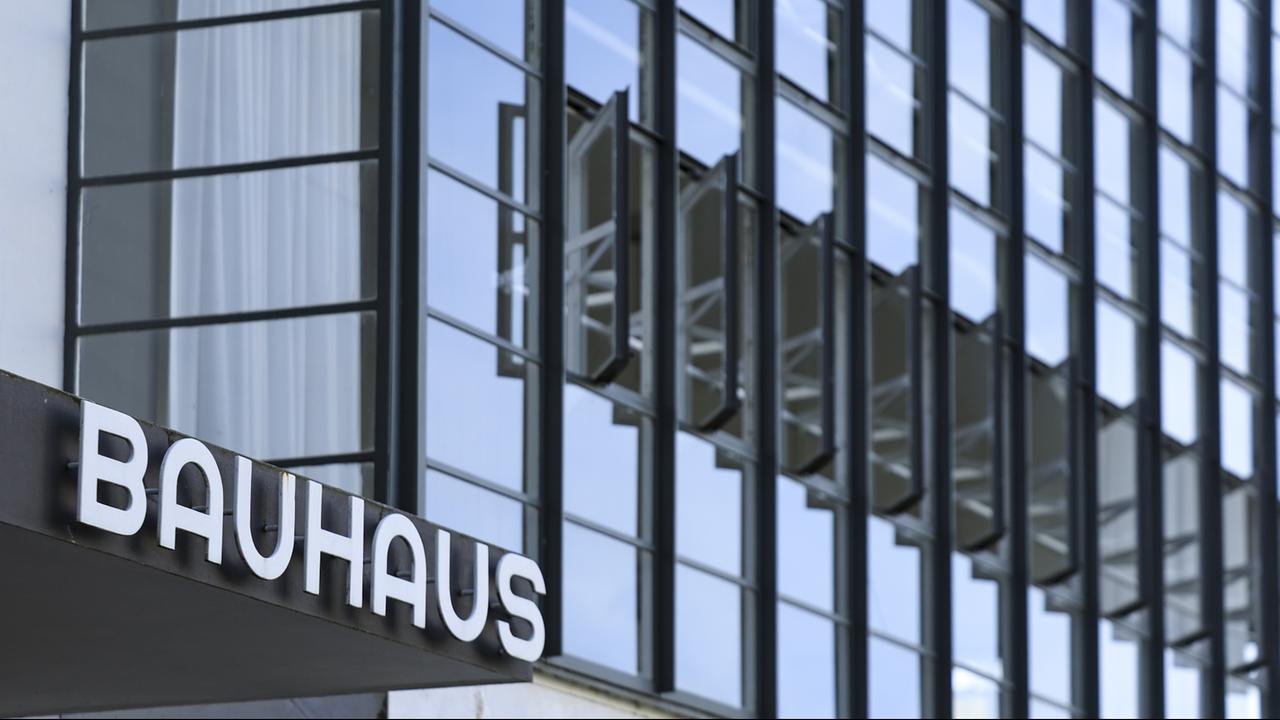
At the heart of the current unease is a fundamental disagreement over what constitutes "culture" in the modern German state. The AfD, which has long campaigned on a platform of cultural nationalism, has made its intentions clear through its electoral manifesto. The party proposes a pivot away from the internationalist and progressive values often associated with contemporary German cultural institutions, such as the world-renowned Bauhaus in Dessau.
In its place, the party advocates for a campaign titled "#deutschdenken" (think German), aiming to replace the state’s current "moderndenken" (think modern) initiative. The proposed focus shifts toward figures of national historical significance, specifically highlighting figures such as Heinrich I., Otto I., Martin Luther, Otto von Bismarck, and Friedrich Nietzsche. For the AfD, these figures represent a foundational German identity that they believe has been neglected or overshadowed by postmodern, globalist interpretations of history.
This ideological realignment is not merely symbolic. It carries the potential for significant structural changes, including the redistribution of state grants, the appointment of new board members to cultural foundations, and the reorientation of public education programs that integrate culture and history into the classroom.
Chronology: From Election Night to Structural Anxiety
The timeline of this shift began with the decisive election results, which transformed the political math in Magdeburg overnight.
- September 2026: The election concludes with the AfD emerging as the strongest parliamentary force.
- Days Following Election: The outgoing government, in an attempt to provide a "buffer" of continuity, accelerates the issuance of funding notices for 2027. Nine major cultural institutions, including the Landesmusikrat and the Landeszentrum Freies Theater, receive approximately 5.5 million euros in guaranteed support.
- Immediate Aftermath: Cultural leaders and associations begin issuing public statements, oscillating between profound shock and a strategic "cautious optimism" regarding the resilience of the sector.
- October 6, 2026: The newly elected state parliament is scheduled to hold its constitutive session, marking the official beginning of the new legislative term and the start of formal power-sharing negotiations.
Supporting Data and Financial Realities
The financial stability of the arts in Saxony-Anhalt is inextricably linked to state-level budgetary processes. Currently, the state is attempting to lock in long-term commitments for major cultural entities to prevent immediate disruption.
For instance, the Kurt Weill Fest in Dessau-Roßlau has secured annual funding of 250,000 euros until 2030. The significance of this funding is symbolic as well as practical; Kurt Weill, a Jewish composer who was forced to flee Nazi Germany in 1933, represents the exact kind of internationalist, multi-layered cultural heritage that the AfD’s platform seeks to de-emphasize.
However, many other institutions remain in a state of precarious limbo. The Händel-Festspiele in Halle faces a critical juncture, as negotiations for their 2028–2032 funding cycle are set to begin soon. The uncertainty of who will be sitting on the other side of the bargaining table—and what ideological conditions might be attached to that funding—has created a climate of apprehension.
Official Responses: Between Resistance and Dialogue
The response from the cultural community has been multifaceted, ranging from institutional defiance to a pragmatic search for new models of engagement.
The Warning of "Cultural Censorship"
Manon Bursian, director of the Kunststiftung Sachsen-Anhalt, has been one of the most vocal critics of the potential incoming regime. Speaking to the MDR, she stated, "They have clearly stated that they do not accept the production conditions of art, that they do not accept the freedom of art, and that they want to curtail our public stages." Bursian argues that the cultural sector must unite, noting that they have experience in defending their independence against political interference.
Olaf Zimmermann, Managing Director of the German Cultural Council (Deutscher Kulturrat), has characterized the election result as a "real turning point for the entire country," suggesting that the implications for cultural freedom in Saxony-Anhalt could set a precedent for the rest of Germany.
The Argument for "Space for Dialogue"
Conversely, some practitioners see the current polarization as a mandate for the arts to double down on their role as a social bridge. Aljoscha Begrich, head of the OSTEN Festival in Bitterfeld-Wolfen, argues that in a deeply divided society, the theater and the arts provide a unique, physical space for human encounter.
"We can create spaces where people meet, where people experience a different reality," Begrich explains. He posits that these spaces offer a sanctuary where citizens can escape the cycle of digital hate and meet their neighbors face-to-face. Florian Amort, director of the Händel-Festspiele, echoes this sentiment, noting that while the "edges of society are becoming extreme and the center is crumbling," culture remains one of the few tools left to foster cohesion.
Implications: The Future of State-Funded Art
The crisis in Saxony-Anhalt raises a fundamental question for modern democracies: To what extent should state-funded culture serve as a mirror for the government’s preferred historical narrative?
1. The Risk of Instrumentalization
There is a profound fear that the arts will be forced to become a propaganda arm of the state. Folkert Uhde, head of the Köthener Bachfesttage, has taken a firm stance: he has explicitly stated that his organization would refuse funding from a right-wing nationalist government. He argues that Bach’s music is universal and cannot be instrumentalized for political ends. This raises the prospect of a "brain drain" or "funding drain," where cultural institutions either reject state money or seek alternative, private, or federal funding to maintain their autonomy.
2. The Erosion of Educational Ties
Maria Gebhardt, from the Landeszentrum Freies Theater, highlights a specific concern regarding the relationship between the arts and the education system. If the AfD follows through on its promise to shift the curriculum and the cultural focus of the state, the symbiotic relationship between schools and local theaters—which often provide critical programming for children and adolescents—could be severed. This would remove a key venue for youth to engage with diverse, challenging, and non-partisan perspectives.
3. The Test of Democratic Resilience
As the state moves toward its next budget cycle, the cultural sector is entering a period of "defensive consolidation." By locking in long-term grants now, the outgoing administration is attempting to preserve a status quo that values artistic freedom over ideological conformity. However, once those contracts expire, the true test of the state’s cultural independence will begin.
The situation in Saxony-Anhalt serves as a litmus test for the resilience of German civil society. Can a vibrant, international, and critical cultural scene survive under a government that views such values with suspicion? The answer will likely depend on the ability of artists and institutions to successfully pivot toward alternative funding models and, more importantly, their ability to remain relevant to the very citizens who voted for this political change.
Ultimately, the clash in Saxony-Anhalt is not just about money; it is about the soul of the state. Whether it becomes a site of ideological enclosure or a battleground for a more robust, pluralistic dialogue will define the cultural trajectory of the region for the next decade. As the dust settles from the election, the only certainty is that the quiet days of status-quo cultural management are over, replaced by a period of intense, public, and high-stakes negotiation over the future of the German identity.