The German political landscape is reeling following the sudden resignation of Bärbel Bas from her roles as both Federal Minister of Labor and SPD Party Chair. Her departure, fueled by a combination of profound personal tragedy and sharp political hostility, has ignited a firestorm of debate regarding the culture of political discourse in the Bundestag.
The resignation, announced early this morning, has sent shockwaves through the capital, prompting an immediate outcry from political allies and a complex, measured response from the conservative Union bloc. As the government grapples with this high-profile vacancy, the incident has exposed deep-seated fractures within the coalition, with leading Social Democrats accusing elements of the Union of contributing to an environment that proved untenable for Bas.
The Catalyst: A Dual Crisis
Bärbel Bas, a central figure in the current administration, cited two primary reasons for her decision. The most immediate is the tragic death of her stepdaughter, a personal loss that has rendered the continuation of her demanding ministerial and party responsibilities impossible.
However, Bas’s departure was not solely driven by private grief. In her resignation statement, she explicitly addressed the "public attacks" she has endured in recent weeks. She highlighted that these attacks emanated not just from the political opposition, but also from within the ranks of the coalition partner, the Union (CDU/CSU). For many, this admission marks a new low in the cooperation between the governing parties, shifting the narrative from a private tragedy to a broader crisis of political conduct.

Chronology of the Fallout
The hours following the announcement have been marked by a flurry of public statements, social media posts, and emergency meetings.
- Early Morning: Bärbel Bas announces her immediate resignation, citing the loss of her stepdaughter and the psychological toll of persistent political attacks.
- Mid-Morning: SPD leadership figures, including Berlin state chairman Steffen Krach, issue statements of support, condemning the "unhuman" and "ruthless" nature of the attacks directed at Bas.
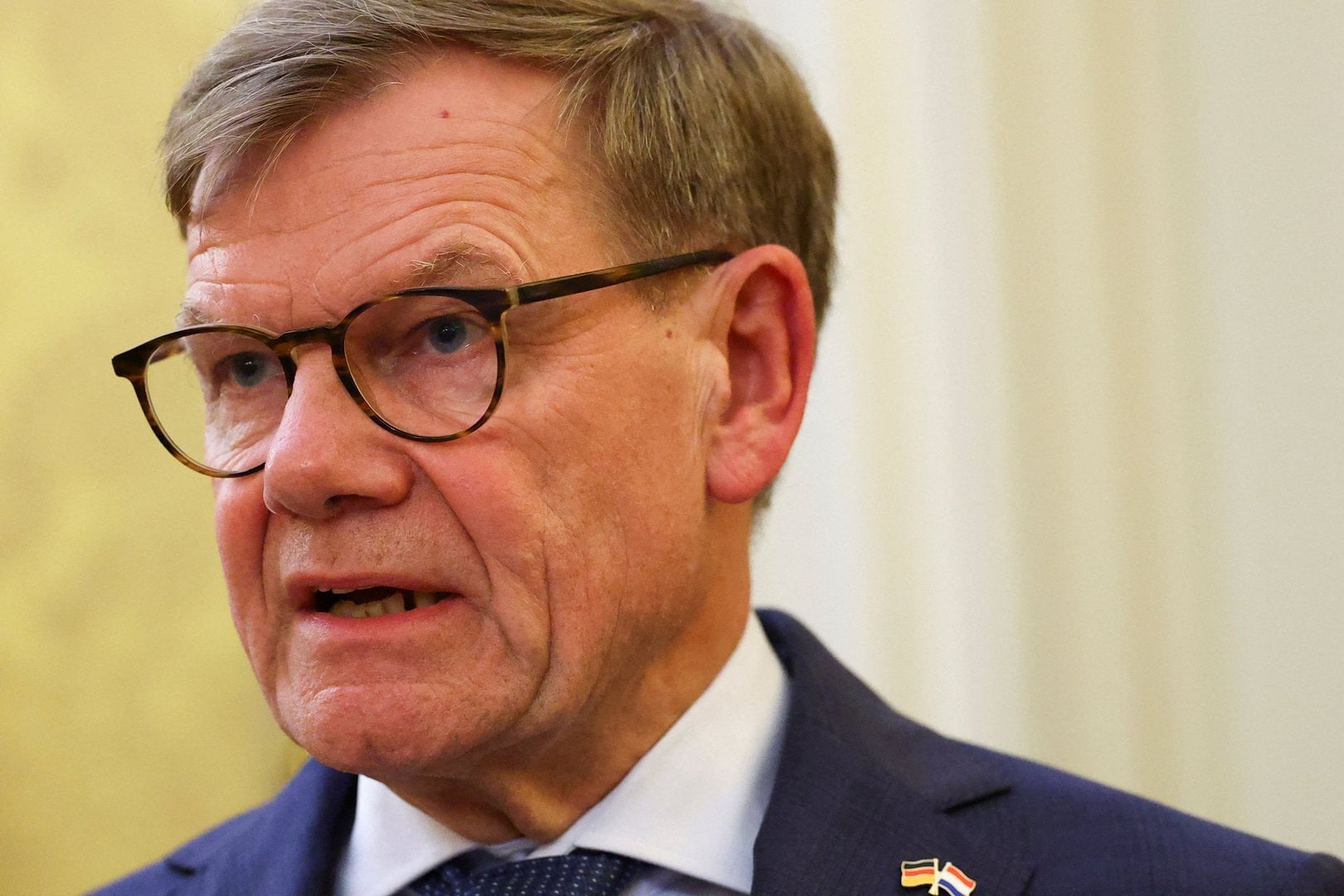
- Noon: Foreign Minister Johann Wadephul (CDU) publicly pays tribute to Bas, describing her as a "fine human being," while simultaneously attempting to insulate the coalition’s stability from the fallout.
- 1:30 PM: The CDU leadership convenes a scheduled meeting, with anticipation mounting regarding how party head Friedrich Merz will manage the growing controversy.
- Afternoon: Chancellor Friedrich Merz issues a statement on X (formerly Twitter), thanking Bas for her "trustworthy" cooperation but conspicuously omitting any reference to the allegations regarding the attacks from his own party.
Voices of Condemnation and Defense
The SPD’s Accusation
The response from the Social Democratic Party has been one of indignation. Steffen Krach, the Berlin SPD chairman, expressed his "dismay and sadness" that a colleague was subjected to such intense vitriol during a period of intense personal mourning. Krach noted, "At all political differences, we must never forget that behind every political office stands a human being. We should always be mindful of this in our dealings with one another."
Manuela Schwesig, Minister-President of Mecklenburg-Vorpommern, was even more direct. She characterized the attacks from the CDU as "inhumane and reckless," arguing that such conduct is entirely incompatible with the standards expected of government partners.
The Union’s Measured Response
The CDU’s reaction has been carefully curated. Johann Wadephul, serving as a spokesperson for the party’s sentiment, sought to separate the personal tragedy from the political mechanism. While he praised Bas’s "empathy and professional competence," he insisted that the resignation has no bearing on the coalition’s four-year mandate. "For the coalition, this means absolutely nothing," Wadephul stated, emphasizing the need for stability in a time of domestic and European uncertainty.
Structural Implications: Can the Coalition Hold?
The resignation of a cabinet minister and a party leader at the same time is a systemic shock. However, the political stakes are heightened by the current, fragile state of the coalition.
A New Culture of Cooperation?
Sebastian Roloff, the head of the Bavaria-SPD, has suggested that this event must trigger a fundamental recalibration of how the coalition operates. "If the coalition wants to be successful, the conditions of our cooperation must be reconsidered," Roloff told the Handelsblatt. He argued that "there can no longer be attacks within the government, such as those that have come from the top of the CDU against Bärbel Bas in recent weeks."
Governance and Policy Continuity
Despite the emotional rhetoric, the administrative machinery of the German government continues to run. Federal ministries are currently managing several high-stakes issues, including:
- The Pension Reform: SPD parliamentary group leader Matthias Miersch has proposed a new mechanism for involving state premiers and parliamentary groups to break the current deadlock.
- Fiscal Stability: The government is currently navigating a period of fragile growth, with the Federal Ministry of Economy under Katherina Reiche attempting to stimulate the market while managing public debt and the energy transition.
- EU Budgetary Disputes: Chancellor Merz has flatly rejected new proposals for the long-term EU budget, citing that the current financial burden is unsustainable for the primary contributors.
Broader Political Context: A Nation in Flux
The resignation of Bas occurs against the backdrop of a tumultuous political season in Germany. Several other issues are currently competing for the attention of the electorate and the political class, complicating the government’s ability to focus solely on the vacancy left by Bas.

The "Diesel-Deal" and Sanctions
The federal government is currently managing the fallout from a deal struck between U.S. President Donald Trump and Russian President Vladimir Putin regarding the supply of Russian diesel. Berlin has reaffirmed its commitment to the existing EU sanctions regime. "Germany is fully committed to the sanctions packages," stated a spokesperson for the Ministry of Economy. The government remains adamant that its energy security is guaranteed and that it is fully independent of Russian oil, despite the diplomatic noise from Washington.
The Schröder-Putin Controversy
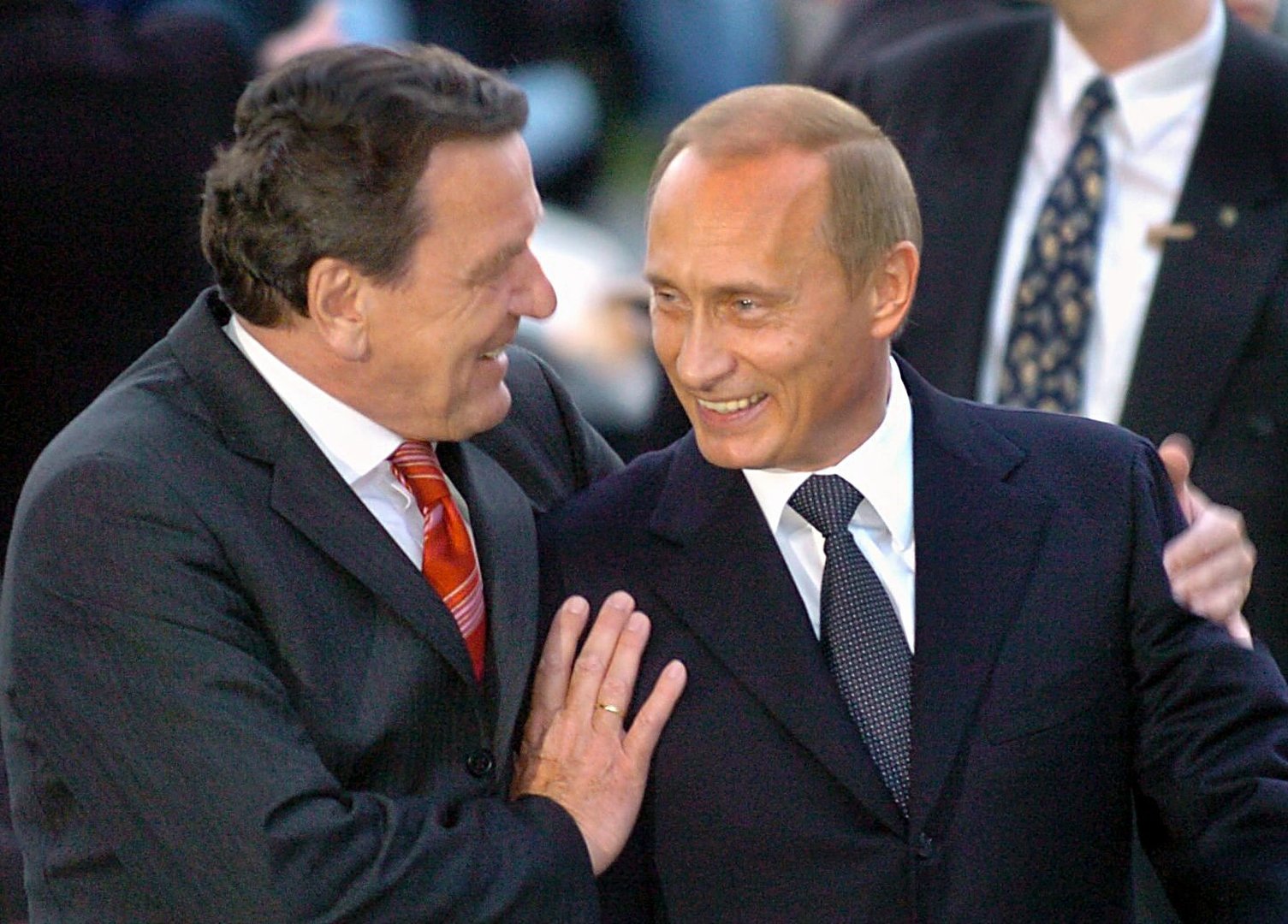
Adding to the internal friction, Chancellor Merz has expressed "deep indignation" over former Chancellor Gerhard Schröder’s attendance at a birthday celebration for Vladimir Putin in Moscow. The government has framed this as an "immoral" act, given the ongoing conflict in Ukraine and the immense suffering caused by the war. This incident has further highlighted the divide between the current administration and the legacy of the previous SPD-led governments.

Bureaucracy and State Modernization
Amidst the political infighting, the government is also attempting to move forward with a "Bureaucracy Reduction Act." Digital Minister Karsten Wildberger (CDU) announced plans to reduce reporting obligations for businesses by 30%. This is intended to be a flagship policy to boost economic sentiment, yet it is currently being overshadowed by the political drama in the Bundestag.
Conclusion: The Path Forward
The resignation of Bärbel Bas is more than a personnel change; it is a symptom of a political climate in Germany that many describe as increasingly toxic. The call for a "new way of working together" from within the SPD indicates that the party is not willing to let these attacks slide without a significant political cost to the CDU.

As the coalition begins the difficult task of finding a successor for the dual roles of Minister of Labor and Party Chair, the focus will remain on whether the parties can move past the recriminations of the last few weeks. The stability of the government—and by extension, the stability of the country—depends on whether the parties can reconcile their ideological differences with a baseline of mutual respect.
For now, the German political establishment remains in a state of watchful waiting. The events of this morning have proven that in the high-pressure environment of the capital, the line between policy and personality is thinner than ever, and the cost of crossing it can be the loss of one of the country’s most prominent public servants. Whether this serves as a wake-up call for a more civilized discourse or as the harbinger of further coalition instability remains to be seen in the coming legislative session.